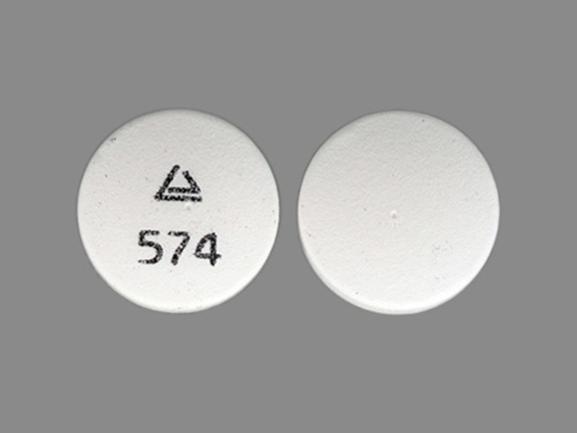
Fortamet Side Effects
Generic name: metformin
Medically reviewed by Drugs.com. Last updated on Jun 11, 2024.
Note: This document provides detailed information about Fortamet Side Effects associated with metformin. Some dosage forms listed on this page may not apply specifically to the brand name Fortamet.
Applies to metformin: oral solution, oral suspension extended release, oral tablet, oral tablet extended release, oral tablet extended release 24 hr.
Important warnings
This medicine can cause some serious health issues
Oral route (tablet; tablet, extended release; solution; suspension, extended release)
Death, hypothermia, hypotension, and resistant bradyarrhythmias have been reported due to metformin-associated lactic acidosis.
Onset may be subtle and include nonspecific symptoms such as malaise, myalgia, respiratory distress, somnolence, and abdominal distress; laboratory abnormalities include low pH, increased anion gap and elevated blood lactate.
The risk of lactic acidosis increases with renal or hepatic impairment, aged 65 years or older, having a radiological study with contrast, surgery, or other procedures, hypoxic states, and excessive alcohol intake.
If lactic acidosis is suspected, metformin hydrochloride should be discontinued, supportive measures started in a hospital setting.
Prompt hemodialysis is recommended.
Serious side effects of Fortamet
Along with its needed effects, metformin (the active ingredient contained in Fortamet) may cause some unwanted effects. Although not all of these side effects may occur, if they do occur they may need medical attention.
Check with your doctor immediately if any of the following side effects occur while taking metformin:
More common
- abdominal or stomach discomfort
- cough or hoarseness
- decreased appetite
- diarrhea
- fast or shallow breathing
- fever or chills
- general feeling of discomfort
- lower back or side pain
- muscle pain or cramping
- painful or difficult urination
- sleepiness
Less common
- anxiety
- blurred vision
- chest discomfort
- cold sweats
- coma
- confusion
- cool, pale skin
- depression
- difficult or labored breathing
- dizziness
- fast, irregular, pounding, or racing heartbeat or pulse
- feeling of warmth
- headache
- increased hunger
- increased sweating
- nausea
- nervousness
- nightmares
- redness of the face, neck, arms, and occasionally, upper chest
- seizures
- shakiness
- slurred speech
- tightness in the chest
- unusual tiredness or weakness
Rare
- behavior change similar to being drunk
- difficulty with concentrating
- drowsiness
- lack or loss of strength
- restless sleep
- unusual sleepiness
Other side effects of Fortamet
Some side effects of metformin may occur that usually do not need medical attention. These side effects may go away during treatment as your body adjusts to the medicine. Also, your health care professional may be able to tell you about ways to prevent or reduce some of these side effects.
Check with your health care professional if any of the following side effects continue or are bothersome or if you have any questions about them:
More common
- acid or sour stomach
- belching
- bloated
- excess air or gas in the stomach or intestines
- full feeling
- heartburn
- indigestion
- loss of appetite
- metallic taste in the mouth
- passing of gas
- stomachache
- stomach upset or pain
- vomiting
- weight loss
Less common
- abnormal stools
- bad, unusual, or unpleasant (after) taste
- change in taste
- difficulty with moving
- discoloration of the fingernails or toenails
- flu-like symptoms
- joint pain
- rash
- sneezing
- stuffy or runny nose
- swollen joints
For healthcare professionals
Applies to metformin: compounding powder, oral solution, oral suspension extended release, oral tablet, oral tablet extended release.
General
Gastrointestinal events such as nausea, vomiting, diarrhea, abdominal pain, and loss of appetite have been frequently reported during therapy initiation and resolve spontaneously in most cases.
Adverse events in the pediatric population appear to be similar in nature and severity to that published in adults.[Ref]
Metabolic
- Common (1% to 10%): Hypoglycemia
- Very rare (less than 0.01%): Lactic acidosis[Ref]
Gastrointestinal
- Very common (10% or more): Diarrhea (53.2%), nausea/vomiting (25.5%), flatulence (12.1%)
- Common (1% to 10%): Indigestion, abdominal discomfort, abnormal stools, dyspepsia, loss of appetite[Ref]
Hematologic
- Very rare (less than 0.01%): Subnormal vitamin B12 levels[Ref]
Other
- Common (1% to 10%): Asthenia, chills, flu syndrome, accidental injury[Ref]
Hepatic
- Very rare (less than 0.01%): Liver function test abnormalities, hepatitis[Ref]
Cardiovascular
- Common (1% to 10%): Chest discomfort, flushing, palpitation[Ref]
Dermatologic
- Common (1% to 10%): Rash, nail disorder, increased sweating
- Very rare (less than 0.01%): Erythema, pruritus, urticaria[Ref]
Endocrine
- Frequency not reported: Reduction in thyrotropin (TSH) levels[Ref]
Immunologic
- Very common (10% or more): Infection (20.5%)[Ref]
Musculoskeletal
- Common (1% to 10%): Myalgia[Ref]
Nervous system
- Common (1% to 10%): Lightheadedness, taste disturbances[Ref]
Psychiatric
- Common (1% to 10%): Headache[Ref]
Respiratory
- Common (1% to 10%): Rhinitis[Ref]
References
1. (2001) "Product Information. Glucophage (metformin)." Bristol-Myers Squibb
2. Cerner Multum, Inc. "UK Summary of Product Characteristics."
3. Cerner Multum, Inc. "Australian Product Information."
4. (2014) "Product Information. Fortamet (metformin)." Physicians Total Care
5. (2014) "Product Information. Glumetza (metformin)." Biovail Pharmaceuticals Canada
6. (2014) "Product Information. Riomet (metformin)." Ranbaxy Pharmaceuticals
Frequently asked questions
- How long does metformin take to work?
- What are the ingredient drugs contained in Qternmet XR?
- When is the best time to take metformin?
- What is the safest diabetes medication?
- Why does metformin cause diarrhea?
- Does metformin cause weight loss?
- Can you take metformin without food?
- Does metformin lower A1C, if so how much?
More about Fortamet (metformin)
- Check interactions
- Compare alternatives
- Reviews (1)
- Drug images
- Latest FDA alerts (18)
- Dosage information
- During pregnancy
- Generic availability
- FDA approval history
- Drug class: non-sulfonylureas
- Breastfeeding
Patient resources
Other brands
Glucophage, Glumetza, Glucophage XR, Riomet, Riomet ER
Professional resources
Other brands
Glucophage, Glumetza, Glucophage XR, Riomet
Related treatment guides
Further information
Fortamet side effects can vary depending on the individual. Always consult your healthcare provider to ensure the information displayed on this page applies to your personal circumstances.
Some side effects may not be reported. You may report them to the FDA.