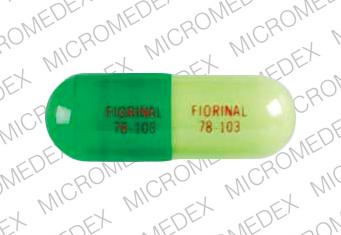
Fiorinal Side Effects
Generic name: aspirin / butalbital / caffeine
Note: This document contains side effect information about aspirin / butalbital / caffeine. Some of the dosage forms listed on this page may not apply to the brand name Fiorinal.
Some side effects of Fiorinal may not be reported. Always consult your doctor or healthcare specialist for medical advice. You may also report side effects to the FDA.
For the Consumer
Applies to aspirin / butalbital / caffeine: oral capsule, oral tablet
Get emergency medical help if you have any of these signs of an allergic reaction while taking aspirin / butalbital / caffeine: hives; difficult breathing; swelling of your face, lips, tongue, or throat.
Stop using this medication and call your doctor at once if you have a serious side effect such as:
-
shallow breathing, slow heart rate;
-
fast or pounding heart rate, muscle twitching;
-
confusion, unusual thoughts or behavior;
-
bloody or tarry stools, coughing up blood or vomit that looks like coffee grounds;
-
problems with urination; or
-
easy bruising, unusual bleeding (nose, mouth, vagina, or rectum), purple or red pinpoint spots under your skin.
Less serious side effects include:
-
drowsiness, dizziness;
-
mild nausea, gas, upset stomach, stomach pain; or
-
sleep problems (insomnia).
This is not a complete list of side effects and others may occur. Call your doctor for medical advice about side effects.
For Healthcare Professionals
Applies to aspirin / butalbital / caffeine: oral capsule, oral tablet
Gastrointestinal
Endoscopically identifiable gastric mucosal lesions occur in most patients who receive a single dose of aspirin. Clinically evident gastrointestinal bleeding has been reported in as many as 3% of treated elderly patients. Anorectal ulceration and rectal stenosis have been reported in patients who abuse aspirin-containing rectal suppositories. One case-controlled study has suggested that an association between aspirin (and other NSAID) consumption and appendicitis may exist.
Gastrointestinal effects are common and include epigastric distress (in as many as 83% of patients treated with regular aspirin), abdominal discomfort or pain, endoscopically identifiable gastric mucosal lesions, nausea, and vomiting. More serious gastrointestinal effects include hemorrhage, peptic ulcers, perforation, and esophageal ulcerations.
In clinical trials of caffeine citrate, five cases of necrotizing enterocolitis were reported among the 46 infants exposed to the caffeine citrate injection.
Nausea, vomiting, and abdominal pain have been reported frequently with the use of butalbital.
Renal
The mechanism of an aspirin-induced decrease in renal function may be related to inhibition of renal prostaglandin synthesis with consequent decreases in renal blood flow. Vasodilating renal prostaglandins may be particularly important in patients who exhibit arterial underfilling (i.e. heart failure, cirrhosis). The administration of high doses of NSAIDs to such patients has produced acute renal failure in rare instances.
Renal effects of aspirin include reduction in glomerular filtration rate (particularly in patients who are sodium restricted or who exhibit diminished effective arterial blood volume, such as patients with advanced heart failure or cirrhosis), interstitial nephritis, papillary necrosis, elevations in serum creatinine, elevations in blood urea nitrogen, proteinuria, hematuria, and renal failure.
Hematologic
Hematologic effects of aspirin (in addition to predictable antiplatelet effects which may result in hemorrhage) include increased blood fibrinolytic activity. In addition, hypoprothrombinemia, thrombocytopenia, thrombocyturia, megaloblastic anemia, and pancytopenia have been reported rarely. Aplastic anemia has also been reported.
Hypersensitivity
The mechanism of aspirin-induced hypersensitivity may be related to an up-regulation of the 5-lipoxygenase pathway of arachidonic acid metabolism with a resulting increase in the products of 5-lipoxygenase (such as leukotrienes).
Aspirin hypersensitivity reactions include bronchospasm, rhinitis, conjunctivitis, urticaria, angioedema, and anaphylaxis. Approximately 10% to 30% of asthmatics are aspirin-sensitive (with the clinical triad of aspirin sensitivity, bronchial asthma, and nasal polyps).
Dermatologic
Dermatologic effects from the use of aspirin have been reported rarely and include Stevens-Johnson syndrome and a lichenoid eruption.
Hepatic
Cases of aspirin-induced hepatoxicity and cholestatic hepatitis, particularly at high doses, have been reported rarely.
Oncologic
Several epidemiologic studies have suggested that chronic aspirin use may decrease the risk of large bowel neoplasms. Other studies have not found such a beneficial effect.
Metabolic
Metabolic side effects of aspirin have included dehydration and hyperkalemia. Respiratory alkalosis and metabolic acidosis, particularly during salicylate toxicity, have been reported. A case of hypoglycemia has been reported in a patient on hemodialysis. Salicylates have also been reported to displace triiodothyronine (T3) and throxine (T4) from protein binding sites. The initial effect is an increase in serum free T4 concentrations.
Cardiovascular
Cardiovascular effects of aspirin have been reported rarely and include salicylate-induced variant angina, ventricular ectopy, conduction abnormalities, and hypotension, particularly during salicylate toxicity.
Nervous system
Regarding the use of aspirin, some investigators have suggested that tinnitus may be a less reliable indicator of salicylate toxicity than previously believed. Patients with high frequency hearing loss may have difficulty perceiving tinnitus. In a study of rheumatoid arthritis patients, those with tinnitus had no greater salicylate levels than those without tinnitus. Elderly patients may be less likely to perceive tinnitus than younger patients.
Central nervous system effects in patients receiving aspirin include agitation, cerebral edema, coma, confusion, dizziness, headache, cranial hemorrhage, lethargy and seizures. Tinnitus and subjective hearing loss (or both) may occur. Some investigators have reported that modest doses may result in decreased frequency selectivity and may therefore impair hearing performance, particularly in the setting of background noise.
Drowsiness, lightheadedness, dizziness, sedation, and an intoxicated feeling have been reported frequently from the use of butalbital. Headache and seizures have been reported infrequently. Mental confusion, excitement, or depression have also been reported due to either intolerance (primarily in elderly or debilitated patients) or due to an overdose of butalbital.
Other
Reye's syndrome typically involves vomiting, neurologic dysfunction, and hepatic dysfunction during or shortly after an acute viral infection.
In one study of the effects of caffeine, 634 women with fibrocystic breast disease (compared to 1066 women without the disease), the occurrence of fibrocystic breast disease was positively associated with average daily consumption of caffeine. Women who consumed 31 to 250 mg/day of caffeine were reported to have a 1.5 times increase in odds to have the disease. Women who consumed over 500 mg/day of caffeine were reported to have a 2.3 times increase in odds.
Reye's syndrome, although rare, has been associated with aspirin use in children with an acute viral illness. Reye's syndrome has also been reported even more rarely in adults.
General
Consumption of higher doses of caffeine (>600 mg/day) has been reported to have lead to caffeinism. Caffeinism is a syndrome characterized by anxiety, restlessness, and sleep disorders (similar to anxiety states). It has also been reported that chronic, heavy caffeine ingestion may be associated with depression. Caffeine may cause anxiety and panic in panic disorder patients and may aggravate PMS.
Many side-effects noted with aspirin use are dose-related.
Musculoskeletal
Musculoskeletal effects of rhabdomyolysis have occurred in patients receiving aspirin.
Respiratory
Respiratory effects including hyperpnea, pulmonary edema, and tachypnea have occurred in patients receiving aspirin.
Dyspnea has been reported frequently with the use of butalbital.
Genitourinary
Renal effects of interstitial nephritis, papillary necrosis, proteinuria, renal insufficiency, and renal failure have occurred in patients receiving aspirin.
Endocrine
Endocrine effects of aspirin use have been reported to include hypoglycemia (children) and hyperglycemia.
Other
Prolonged labor and pregnancy, decreased infant birth weight and stillborn births, antepartum and postpartum bleeding have occurred due to aspirin use by women during the third trimester of pregnancy.
Ocular
Cases of localized periorbital edema have been reported rarely in patients receiving aspirin.
More Fiorinal resources
- Fiorinal Prescribing Information (FDA)
- Fiorinal Advanced Consumer (Micromedex) - Includes Dosage Information
- Fiorinal MedFacts Consumer Leaflet (Wolters Kluwer)
- Fiorinal Consumer Overview
Disclaimer: Every effort has been made to ensure that the information provided is accurate, up-to-date, and complete, but no guarantee is made to that effect. In addition, the drug information contained herein may be time sensitive and should not be utilized as a reference resource beyond the date hereof. This information does not endorse drugs, diagnose patients, or recommend therapy. This drug information is a reference resource designed as supplement to, and not a substitute for, the expertise, skill , knowledge, and judgement of healthcare practitioners in patient care. The absence of a warning for a given drug or drug combination in no way should be construed to indicate that the drug of drug combination is safe, effective, or appropriate for any given patient. Drugs.com does not assume any responsibility for any aspect of healthcare administered with the aid of information provided. The information contained herein is not intended to cover all possible uses, directions, precautions, warnings, drug interactions, allergic reactions, or adverse effects. If you have questions about the drugs you are taking, check with your doctor, nurse, or pharmacist.