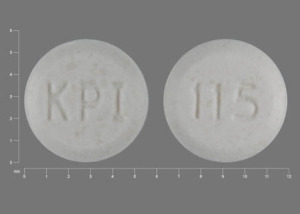
Cytomel Side Effects
Generic name: liothyronine
Medically reviewed by Drugs.com. Last updated on Jan 11, 2024.
Note: This document contains side effect information about liothyronine. Some dosage forms listed on this page may not apply to the brand name Cytomel.
Applies to liothyronine: oral tablet. Other dosage forms:
Warning
Oral route (Tablet)
Thyroid hormones, including liothyronine sodium, either alone or with other therapeutic agents, should not be used for the treatment of obesity or for weight loss. In euthyroid patients, doses within the range of daily hormonal requirements are ineffective for weight reduction. Larger doses may produce serious or even life-threatening manifestations of toxicity, particularly when given in association with sympathomimetic amines such as those used for their anorectic effects.
Serious side effects of Cytomel
Along with its needed effects, liothyronine (the active ingredient contained in Cytomel) may cause some unwanted effects. Although not all of these side effects may occur, if they do occur they may need medical attention.
Check with your doctor immediately if any of the following side effects occur while taking liothyronine:
Incidence not known
- Anxiety
- arm, back, or jaw pain
- blurred or double vision
- chest pain or discomfort
- chest tightness or heaviness
- crying
- decreased bone mineral density
- decreased urine output
- delusions of persecution, mistrust, suspiciousness, or combativeness
- diarrhea
- difficulty breathing
- dilated neck vein
- dizziness
- excessive
- sweating
- extreme tiredness or weakness
- eye pain
- fainting
- false or unusual sense of well-being
- fast, pounding, or irregular heartbeat or pulse
- feeling of discomfort
- feeling of unreality
- fever
- headache
- heat intolerance
- impaired fertility
- increased appetite
- increased blood pressure
- irregular breathing
- irritability
- itching, skin rash
- joint swelling
- limp pain in the hip or knee
- menstrual changes
- mental depression
- muscle aches, weakness, or cramps
- nausea
- nervousness
- pain or discomfort in the arms, jaw, back, or neck
- quick to react or overreact emotionally
- rapidly changing moods
- restlessness
- sense of detachment from self or body
- severe headache
- slow heartbeat
- stomach cramps
- swelling of the face, fingers, feet, or lower legs
- swollen lymph glands
- tremors
- trouble sitting still
- trouble sleeping
- vomiting
- weight gain or loss
Get emergency help immediately if any of the following symptoms of overdose occur while taking liothyronine:
Symptoms of overdose
- Cold, clammy skin
- confusion about identity, place, and time
- difficulty in speaking
- dizziness
- double vision
- fast, weak pulse
- headache
- inability to move the arms, legs, or facial muscles
- inability to speak
- lightheadedness
- loss of consciousness
- nervousness
- seizure
- sensitivity to heat
- slow speech
- sweating
- trouble sleeping
- weight loss
Other side effects of Cytomel
Some side effects of liothyronine may occur that usually do not need medical attention. These side effects may go away during treatment as your body adjusts to the medicine. Also, your health care professional may be able to tell you about ways to prevent or reduce some of these side effects.
Check with your health care professional if any of the following side effects continue or are bothersome or if you have any questions about them:
Incidence not known
- Feeling of warmth
- hair loss
- redness of the face, neck, arms, and occasionally, upper chest
For Healthcare Professionals
Applies to liothyronine: compounding powder, intravenous solution, oral tablet.
General
Reported side effects are usually indicative of excessive dosage and will usually disappear when the dose is reduced or treatment is stopped.[Ref]
Cardiovascular
Common (1% to 10%): Arrhythmia, tachycardia, cardiopulmonary arrest, hypotension, myocardial infarction
Frequency not reported: Angina, congestive heart failure, hypertension, flushing, palpitation[Ref]
Nervous system
Frequency not reported: Headache, tremor, benign intracranial hypertension[Ref]
Dermatologic
Frequency not reported: Allergic skin reaction, sweating, rash pruritus, transient hair loss[Ref]
Musculoskeletal
Frequency not reported: Twitching, muscle cramps, muscle weakness, craniostenosis, premature closure of epiphysis[Ref]
Gastrointestinal
Frequency not reported: Diarrhea, vomiting[Ref]
Immunologic
Frequency not reported: Hypersensitivity reaction[Ref]
Local
Frequency not reported: Phlebitis[Ref]
Psychiatric
Frequency not reported: Restlessness, excitability, insomnia[Ref]
Genitourinary
Frequency not reported: Menstruation irregular[Ref]
Other
Frequency not reported: Fever, edema, weight loss, heat intolerance[Ref]
Frequently asked questions
- Can I take Cytomel and Synthroid together?
- How long does Cytomel take to start working?
- Does Cytomel help with weight loss?
- How long does Cytomel stay in your system?
More about Cytomel (liothyronine)
- Check interactions
- Compare alternatives
- Pricing & coupons
- Reviews (52)
- Drug images
- Dosage information
- During pregnancy
- Generic availability
- Drug class: thyroid drugs
- Breastfeeding
- En español
Patient resources
Other brands
Professional resources
Other brands
Related treatment guides
References
1. Product Information. Cytomel (liothyronine). Monarch Pharmaceuticals Inc. 2001;PROD.
2. Product Information. Triostat (liothyronine). JHP Pharmaceuticals. 2005.
3. Cerner Multum, Inc. UK Summary of Product Characteristics.
4. Cerner Multum, Inc. Australian Product Information.
Further information
Always consult your healthcare provider to ensure the information displayed on this page applies to your personal circumstances.
Some side effects may not be reported. You may report them to the FDA.