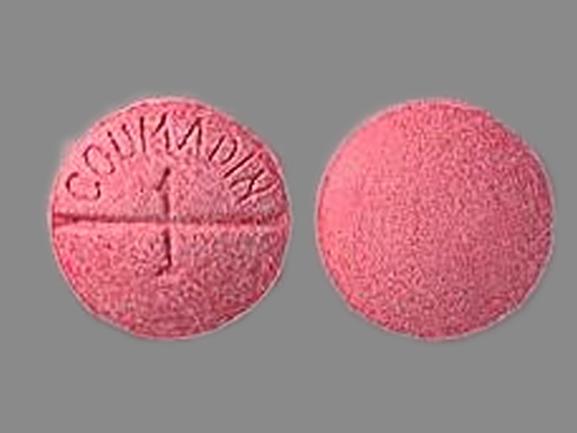
Coumadin Side Effects
Generic name: warfarin
Medically reviewed by Drugs.com. Last updated on Mar 24, 2023.
Note: This document provides detailed information about Coumadin Side Effects associated with warfarin. Some dosage forms listed on this page may not apply specifically to the brand name Coumadin.
Applies to warfarin: oral tablet.
Other dosage forms:
Important warnings
This medicine can cause some serious health issues
Oral route (tablet)
Warfarin can cause major or fatal bleeding.
Regular monitoring of INR should be performed on all treated patients.
Drugs, dietary changes, and other factors affect INR levels achieved with warfarin sodium therapy.
Instruct patients about prevention measures to minimize risk of bleeding and to report signs and symptoms of bleeding.
Serious side effects of Coumadin
Along with its needed effects, warfarin (the active ingredient contained in Coumadin) may cause some unwanted effects. Although not all of these side effects may occur, if they do occur they may need medical attention.
Check with your doctor immediately if any of the following side effects occur while taking warfarin:
Less common
- bleeding gums
- blood in the urine
- bloody stools
- blurred vision
- burning, crawling, itching, numbness, prickling, "pins and needles", or tingling feelings
- chest pain or discomfort
- confusion
- coughing up blood
- difficulty with breathing or swallowing
- dizziness, faintness, or lightheadedness when getting up suddenly from a lying or sitting position
- excessive bruising
- headache
- increased menstrual flow or vaginal bleeding
- nosebleeds
- paralysis
- peeling of the skin
- prolonged bleeding from cuts
- red or black, tarry stools
- red or dark brown urine
- stomach pain with cramping
- sweating
- unexplained swelling
- unusual tiredness or weakness
Rare
- arm, back, or jaw pain
- blue-green to black skin discoloration
- blue or purple toes
- change in consciousness
- chest tightness or heaviness
- chills
- clay-colored stools
- diarrhea
- dizziness
- fainting or loss of consciousness
- fast or irregular breathing
- fast or irregular heartbeat
- fever
- itching or skin rash
- light-colored stools
- loss of appetite
- nausea and vomiting
- pain in the toes
- pain, redness, or sloughing of the skin
- pale skin
- purplish red, net-like, blotchy spots on the skin
- skin blisters
- small red or purple spots on the skin
- stomach pain
- swelling of the eyes or eyelids
- troubled breathing with exertion
- unpleasant breath odor
- unusual bleeding or bruising
- upper right stomach pain
- vomiting of blood
- yellow eyes and skin
Other side effects of Coumadin
Some side effects of warfarin may occur that usually do not need medical attention. These side effects may go away during treatment as your body adjusts to the medicine. Also, your health care professional may be able to tell you about ways to prevent or reduce some of these side effects.
Check with your health care professional if any of the following side effects continue or are bothersome or if you have any questions about them:
Less common
Rare
- bloated
- change in taste, or bad, unusual, or unpleasant (after) taste
- cold intolerance
- excess air or gas in the stomach or intestines
- full feeling
- general feeling of discomfort or illness
- hair loss or thinning of the hair
- hives or welts
- lack or loss of strength
- pain
- passing gas
- red, sore, or itching skin
- sores, welting, or blisters
- unusual drowsiness, dullness, or feeling of sluggishness
For healthcare professionals
Applies to warfarin: compounding powder, intravenous powder for injection, oral tablet.
General
The most common adverse reactions were fatal and nonfatal hemorrhage from any tissue or organ.[Ref]
Cardiovascular
- Frequency not reported: Hemorrhage, purple toes syndrome, infarction, systemic cholesterol microembolization, vasculitis, systemic atheroemboli[Ref]
Nervous system
- Frequency not reported: Cerebral hemorrhage, cerebral subdural hematoma, lethargy, headache, dizziness, taste perversion, paresthesia[Ref]
Gastrointestinal
- Frequency not reported: Gastrointestinal hemorrhage, rectal hemorrhage, hematemesis, pancreatitis, diarrhea, nausea, vomiting, melena, abdominal pain, cramping, flatulence, bloating[Ref]
Dermatologic
- Frequency not reported: Rash, alopecia, purpura, erythematous swollen skin patches, ecchymosis, skin necrosis, dermatitis, bullous eruptions, urticaria, pruritus[Ref]
Musculoskeletal
- Frequency not reported: Tissue necrosis, chills[Ref]
Metabolic
- Frequency not reported: Calciphylaxis, edema[Ref]
Respiratory
- Frequency not reported: Hemothorax, epistaxis, tracheal or tracheobronchial calcification[Ref]
Genitourinary
Hematologic
- Frequency not reported: Unexplained decrease in hematocrit, hemoglobin decreased[Ref]
Hepatic
- Frequency not reported: Jaundice, hepatic dysfunction, hepatitis, cholestatic hepatic injury, liver enzymes elevated[Ref]
Immunologic
- Frequency not reported: Hypersensitivity, allergic reactions, anaphylactic reactions[Ref]
Other
- Frequency not reported: Fever, fatigue, malaise, asthenia, pain, cold intolerance, feeling cold[Ref]
References
1. (2001) "Product Information. Coumadin (warfarin)." DuPont Pharmaceuticals
2. Cerner Multum, Inc. "UK Summary of Product Characteristics."
3. Cerner Multum, Inc. "Australian Product Information."
Frequently asked questions
- What is the antidote for warfarin?
- Is warfarin used as rat poison?
- Does Feverfew interact with any drugs?
- Why does warfarin cause purple toe syndrome?
- Does cranberry juice help prevent a UTI?
- Why are Warfarin tablets color-coded?
- Is your blood really thinner with warfarin?
More about Coumadin (warfarin)
- Check interactions
- Compare alternatives
- Reviews (21)
- Drug images
- Dosage information
- Patient tips
- During pregnancy
- Support group
- Drug class: coumarins and indandiones
- Breastfeeding
Patient resources
Other brands
Professional resources
Other brands
Related treatment guides
Further information
Coumadin side effects can vary depending on the individual. Always consult your healthcare provider to ensure the information displayed on this page applies to your personal circumstances.
Some side effects may not be reported. You may report them to the FDA.