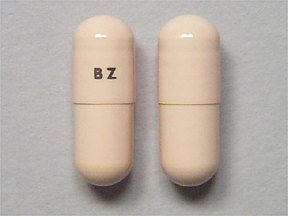
Colazal Side Effects
Generic name: balsalazide
Note: This document contains side effect information about balsalazide. Some dosage forms listed on this page may not apply to the brand name Colazal.
Applies to balsalazide: oral capsule.
Serious side effects of Colazal
Along with its needed effects, balsalazide (the active ingredient contained in Colazal) may cause some unwanted effects. Although not all of these side effects may occur, if they do occur they may need medical attention.
Check with your doctor immediately if any of the following side effects occur while taking balsalazide:
More common
- Agitation
- bloody diarrhea
- blood in the urine
- coma
- confusion
- dark-colored urine
- decreased urine output
- depression
- dizziness
- fever
- headache
- hostility
- increased sensitivity of the skin to sunlight
- irritability
- itching, skin rash
- lethargy
- light-colored stools
- muscle twitching
- nausea
- pain in the groin or genitals
- rapid weight gain
- redness or other discoloration of the skin
- seizures
- severe sunburn
- sharp back pain just below ribs
- stomach pain
- swelling of the face, ankles, or hands
- unusual tiredness or weakness
- vomiting
- yellow eyes or skin
Less common
- Bladder pain
- cloudy urine
- difficult, burning, or painful urination
- frequent urge to urinate
- heavy bleeding
- lower back or side pain
- pale skin
- trouble breathing
- unusual bleeding or bruising
Rare
- Chest tightness
Incidence not known
- Anxiety
- black, tarry stools
- blistering, peeling, or loosening of the skin
- bloating
- chest pain or discomfort
- chills
- clay colored stools
- constipation
- cough
- decreased appetite
- dizziness
- fast heartbeat
- increased blood pressure
- increased thirst
- indigestion
- joint or muscle pain
- loss of appetite
- pains in the stomach, side, or abdomen, possible radiating to the back
- red, irritated eyes
- red skin lesions, often with a purple center
- sore throat
- sores, ulcers, or white spots in the mouth or on the lips
- swelling of the ,fingers, feet, or lower legs
- swollen glands
- unpleasant breath odor
- vomiting of blood
- weight gain
- yellow eyes or skin
Other side effects of Colazal
Some side effects of balsalazide may occur that usually do not need medical attention. These side effects may go away during treatment as your body adjusts to the medicine. Also, your health care professional may be able to tell you about ways to prevent or reduce some of these side effects.
Check with your health care professional if any of the following side effects continue or are bothersome or if you have any questions about them:
More common
- Diarrhea
- muscle aches
- stuffy or runny nose
Less common
- Acid or sour stomach
- belching
- bloated or full feeling
- body aches or pain
- bone pain
- congestion
- coughing
- cramps
- difficulty with moving
- dry mouth
- dryness of the throat
- excess air or gas in the stomach or bowels
- general feeling of discomfort or illness
- heartburn
- hoarseness
- muscle stiffness
- passing of gas
- shivering
- sleeplessness
- sneezing
- stomach discomfort or upset
- sweating
- swelling or inflammation of the mouth
- swollen joints
- trouble with sleeping
- trouble with swallowing
- unable to sleep
- voice changes
- weight loss
Rare
- Back pain
- ear congestion
- loss of voice
- pain in the ankles or knees
- painful, red lumps under the skin, mostly on the legs
- unusual drowsiness, dullness, tiredness, weakness, or feeling of sluggishness
Incidence not known
- Loss or thinning of the hair
For Healthcare Professionals
Applies to balsalazide: oral capsule, oral tablet.
Gastrointestinal
Very common (10% or more): Abdominal pain upper (17%), vomiting (17%), abdominal pain (12%), diarrhea (11%)
Common (1% to 10%): Flatulence, dyspepsia, dry mouth, constipation, colitis ulcerative, hematochezia, nausea, stomatitis
Frequency not reported: Defecation urgency, hard feces, gastroesophageal reflux disease, gastroenteritis
Postmarketing reports: Pancreatitis[Ref]
Nervous system
Very common (10% or more): Headache (15%)
Frequency not reported: Dizziness, lethargy[Ref]
Other
Very common (10% or more): Pyrexia (11%)
Common (1% to 10%): Fatigue, fever, flu-like disorder, pyrexia
Frequency not reported: Malaise, pain, pyrexia[Ref]
Musculoskeletal
Common (1% to 10%): Arthralgia, musculoskeletal pain, myalgia, cramps
Frequency not reported: Back pain[Ref]
Respiratory
Common (1% to 10%): Pharyngolaryngeal pain, coughing
Postmarketing reports: Alveolitis, pleural effusion[Ref]
Hepatic
Frequency not reported: Increased aspartate aminotransferase
Postmarketing reports: Elevated liver enzymes (AST, ALT, GGT, LDH, alkaline phosphatase), elevated bilirubin, jaundice, cholestatic jaundice, cirrhosis, hepatocellular damage including liver necrosis and liver failure, Kawasaki-like syndrome including hepatic dysfunction[Ref]
Hematologic
Common (1% to 10%): Anemia[Ref]
Cardiovascular
Frequency not reported: Increased blood pressure, increased heart rate
Postmarketing reports: Myocarditis, pericarditis, vasculitis[Ref]
Renal
Postmarketing reports: Renal failure, interstitial nephritis[Ref]
Dermatologic
Frequency not reported: Erythema nodosum, rash, face edema
Postmarketing reports: Alopecia, pruritus[Ref]
Immunologic
Common (1% to 10%): Nasopharyngitis, rhinitis, pharyngitis, urinary tract infection, influenza
Frequency not reported: Upper respiratory infection
Postmarketing reports: Pneumonia (with and without eosinophilia)[Ref]
Metabolic
Common (1% to 10%): Anorexia[Ref]
Psychiatric
Common (1% to 10%): Insomnia[Ref]
Genitourinary
Common (1% to 10%): Dysmenorrhea[Ref]
More about Colazal (balsalazide)
- Check interactions
- Compare alternatives
- Pricing & coupons
- Reviews (12)
- Drug images
- Dosage information
- Patient tips
- During pregnancy
- Generic availability
- Drug class: 5-aminosalicylates
- Breastfeeding
- En español
Patient resources
Other brands
Professional resources
Related treatment guides
References
1. Product Information. Colazal (balsalazide). Salix Pharmaceuticals. 2001;PROD.
2. Product Information. Giazo (balsalazide). Valeant Pharmaceuticals. 2018.
Further information
Always consult your healthcare provider to ensure the information displayed on this page applies to your personal circumstances.
Some side effects may not be reported. You may report them to the FDA.