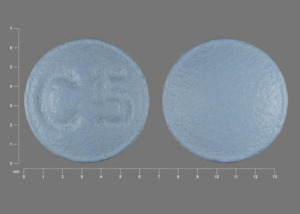
Clarinex Side Effects
Generic name: desloratadine
Medically reviewed by Drugs.com. Last updated on Jan 4, 2024.
Note: This document provides detailed information about Clarinex Side Effects associated with desloratadine. Some dosage forms listed on this page may not apply specifically to the brand name Clarinex.
Applies to desloratadine: oral tablet, oral tablet disintegrating.
Common side effects of Clarinex
Some side effects of desloratadine may occur that usually do not need medical attention. These side effects may go away during treatment as your body adjusts to the medicine. Also, your health care professional may be able to tell you about ways to prevent or reduce some of these side effects.
Check with your health care professional if any of the following side effects continue or are bothersome or if you have any questions about them:
More common
- headache
Less common
- dizziness
- dry mouth
- dysmenorrhea, such as, difficult or painful menstruation
- dyspepsia, such as, acid or sour stomach, belching, heartburn, indigestion, stomach discomfort , upset or pain,
- fatigue, such as, unusual tiredness or weakness
- myalgia, such as, joint pain, swollen joints, muscle aching or cramping, muscle pains or stiffness, difficulty in moving
- pharyngitis, such as, body aches or pain, congestion, cough, dryness or soreness of throat, fever, hoarseness, runny nose, tender swollen glands in neck, trouble in swallowing, voice changes.
- somnolence, such as, sleepiness or unusual drowsiness
- nausea
Serious side effects of Clarinex
Along with its needed effects, desloratadine (the active ingredient contained in Clarinex) may cause some unwanted effects. Although not all of these side effects may occur, if they do occur they may need medical attention.
Check with your doctor immediately if any of the following side effects occur while taking desloratadine:
Rare
- anaphylaxis, such as, cough, difficulty swallowing, dizziness, fast heartbeat, hives, itching, puffiness or swelling of eyelids or around the eyes or face or lips or tongue, shortness of breath, skin rash, tightness in chest, unusual tiredness or weakness, wheezing
- dyspnea, such as, shortness of breath, difficult or labored breathing, tightness in chest, wheezing
- edema, such as, swelling
- pruritus, such as, itching skin
- rash
- tachycardia, such as, fast, pounding, or irregular heartbeat or pulse
- urticaria, such as, hives or welts, itching, redness of skin, skin rash.
For healthcare professionals
Applies to desloratadine: oral solution, oral tablet, oral tablet disintegrating.
General
The most commonly reported side effects included upper respiratory tract infections, diarrhea, fever, and headache.[Ref]
Respiratory
- Very common (10% or more): Upper respiratory tract infections (up to 21.2%), coughing (up to 10.8%)
- Common (1% to 10%): Bronchitis, epistaxis, rhinorrhea
- Very rare (less than 0.01%): Dyspnea[Ref]
Upper respiratory tract infections were reported in 21.2% of patients 6 to 11 months of age given oral solution formulations, and coughing was reported in 10.8% of patients 12 to 23 months of age given oral solution formulations.[Ref]
Gastrointestinal
- Very common (10% or more): Diarrhea (up to 19.7%)
- Common (1% to 10%): Dry mouth, dyspepsia, nausea, pharyngitis, vomiting
- Very rare (less than 0.01%): Abdominal pain[Ref]
In patients treated for chronic idiopathic urticaria, nausea was reported in up to 5%, pharyngitis was reported in 3%, and dyspepsia was reported in 3% of patients 12 years and older.
Diarrhea was reported in 19.1% of patients 6 to 11 months of age given oral solution formulations.[Ref]
Other
- Very common (10% or more): Fever (up to 16.9%)
- Common (1% to 10%): Fatigue
- Frequency not reported: Asthenia[Ref]
Fever was reported in 16.9% of patients 12 to 23 months of age given oral solution formulations.
In patients treated for chronic idiopathic urticaria, fatigue was reported in up to 5% of patients 12 years and older.[Ref]
Nervous system
- Very common (10% or more): Headache (up to 14%)
- Common (1% to 10%): Dizziness, somnolence
- Very rare (less than 0.01%): Psychomotor hyperactivity, seizures
- Postmarketing reports: Dystonia, extrapyramidal symptoms, movement disorder[Ref]
In patients treated for chronic idiopathic urticaria, headache was reported in up to 14% and dizziness was reported in 4% of patients 12 years and older.
Seizures have been reported in patients with and without seizure disorders.
Movement disorders included dystonia, extrapyramidal symptoms, and tics.[Ref]
Psychiatric
- Very common (10% or more): Irritability (up to 12.1%)
- Common (1% to 10%): Emotional lability, insomnia
- Very rare (less than 0.01%): Hallucinations
- Frequency not reported: Abnormal behavior, aggression
- Postmarketing reports: Tics[Ref]
Irritability was reported in 12.1% of patients 6 to 11 months of age given oral solution formulations.
Insomnia was reported in 2.3% of patients 6 to 23 months of age given oral syrup formulations.[Ref]
Dermatologic
- Common (1% to 10%): Erythema, rash maculopapular
- Very rare (less than 0.01%): Pruritus, rash, urticaria
- Frequency not reported: Photosensitivity[Ref]
Metabolic
- Common (1% to 10%): Anorexia, appetite increased
- Frequency not reported: Weight increased[Ref]
Immunologic
- Common (1% to 10%): Parasitic infection, varicella[Ref]
Genitourinary
- Common (1% to 10%): Dysmenorrhea, urinary tract infection[Ref]
Musculoskeletal
- Common (1% to 10%): Myalgia[Ref]
In patients treated for chronic idiopathic urticaria, myalgia was reported in up to 3%of patients 12 years and older.[Ref]
Ocular
- Common (1% to 10%): Otitis media[Ref]
Hepatic
- Very rare (less than 0.01%): Hepatitis, increased bilirubin, liver enzyme elevations
- Frequency not reported: Jaundice[Ref]
Hypersensitivity
- Very rare (less than 0.01%): Anaphylaxis, angioedema, hypersensitivity reactions[Ref]
Cardiovascular
- Very rare (less than 0.01%): Palpitations, tachycardia
- Frequency not reported: QT prolongation
- Postmarketing reports: Arrhythmia, bradycardia, edema[Ref]
References
1. (2002) "Product Information. Clarinex (desloratadine)." Schering Corporation
2. Cerner Multum, Inc. "UK Summary of Product Characteristics."
3. Cerner Multum, Inc. "Australian Product Information."
More about Clarinex (desloratadine)
- Check interactions
- Compare alternatives
- Pricing & coupons
- Reviews (6)
- Drug images
- Dosage information
- During pregnancy
- Generic availability
- Drug class: antihistamines
- Breastfeeding
- En español
Patient resources
Professional resources
Other formulations
Related treatment guides
Further information
Clarinex side effects can vary depending on the individual. Always consult your healthcare provider to ensure the information displayed on this page applies to your personal circumstances.
Some side effects may not be reported. You may report them to the FDA.