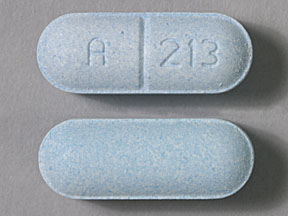
Acetaminophen / Pentazocine Side Effects
Applies to acetaminophen/pentazocine: oral tablet.
Important warnings
This medicine can cause some serious health issues
Oral route (tablet)
Talacen® contains pentazocine hydrochloride and acetaminophen.
Acetaminophen has been associated with acute liver failure, with some cases resulting in liver transplant and death.
Most cases of liver injury were associated with acetaminophen use at doses exceeding 4000 mg/day, and often involved more than 1 acetaminophen-containing product
Serious side effects
Along with its needed effects, acetaminophen / pentazocine may cause some unwanted effects. Although not all of these side effects may occur, if they do occur they may need medical attention.
Check with your doctor immediately if any of the following side effects occur while taking acetaminophen / pentazocine:
Rare
- back, leg, or stomach pains
- black, tarry stools
- bleeding gums
- blistering, peeling, or loosening of the skin
- burning, crawling, itching, numbness, prickling, "pins and needles", or tingling feelings
- chest pain
- chills
- cough or hoarseness
- dark urine
- decrease in the frequency of urination
- decrease in urine volume
- diarrhea
- difficult or troubled breathing
- difficulty in passing urine (dribbling)
- difficulty with swallowing
- dizziness
- fast heartbeat
- fever
- fever with or without chills
- general body swelling
- general feeling of tiredness or weakness
- headache
- hives
- irregular, fast or slow, or shallow breathing
- itching
- joint or muscle pain
- loss of appetite
- lower back or side pain
- nausea or vomiting
- nosebleeds
- painful or difficult urination
- pale or blue lips, fingernails, or skin
- pale skin
- puffiness or swelling of the eyelids or around the eyes, face, lips, or tongue
- red skin lesions, often with a purple center
- red, irritated eyes
- shakiness in the legs, arms, hands, or feet
- shortness of breath
- skin rash
- sore throat
- sores, ulcers, or white spots on the lips or in the mouth
- swelling or puffiness of the face
- swollen glands
- tightness in the chest
- trembling or shaking of the hands or feet
- unusual bleeding or bruising
- unusual tiredness or weakness
- wheezing
- yellowing of the eyes or skin
Incidence not known
- blood in the urine
- bloody nose
- fainting
- fast, pounding, or irregular heartbeat or pulse
- feeling of warmth
- heavier menstrual periods
- pinpoint red spots on the skin
- redness of the face, neck, arms, and occasionally, upper chest
- sweating
Get emergency help immediately if any of the following symptoms of overdose occur while taking acetaminophen / pentazocine:
Symptoms of overdose
- abdominal or stomach pain or tenderness
- bleeding gums
- bloody or cloudy urine
- blurred vision
- clay-colored stools
- cold sweats
- confusion
- cool, pale skin
- decreased appetite
- depression
- drowsiness
- fear or nervousness
- increased hunger
- muscle tremors
- nightmares
- rapid, deep breathing
- restlessness
- seeing, hearing, or feeling things that are not there
- seizures
- slurred speech
- stomach cramps
- strange thoughts
- sudden decrease in the amount of urine
- sugar in the urine
- swelling of the feet or lower legs
- unpleasant breath odor
- unusual bleeding or bruising
- unusual drowsiness, dullness, tiredness, weakness, or feeling of sluggishness
- vomiting of blood
- weight loss
Other side effects
Some side effects of acetaminophen / pentazocine may occur that usually do not need medical attention. These side effects may go away during treatment as your body adjusts to the medicine. Also, your health care professional may be able to tell you about ways to prevent or reduce some of these side effects.
Check with your health care professional if any of the following side effects continue or are bothersome or if you have any questions about them:
Rare
- continuing ringing or buzzing or other unexplained noise in the ears
- excitement
- hearing loss
- hives or welts
- irritability
- redness of the skin
Incidence not known
- confusion about identity, place, and time
- constipation
- difficulty in focusing the eyes
- disturbed dreams
- drowsiness
- false or unusual sense of well-being
- relaxed and calm feeling
- sleepiness
- sleeplessness
- trouble sleeping
- unable to sleep
- weakness
For healthcare professionals
Applies to acetaminophen / pentazocine: oral tablet.
General
In general, acetaminophen is well tolerated when administered in therapeutic doses.[Ref]
Cardiovascular
Two cases of hypotension have been reported following the administration of acetaminophen. Both patients experienced significant decreases in blood pressure. One of the two patients required pressor agents to maintain adequate mean arterial pressures. Neither episode was associated with symptoms of anaphylaxis. Neither patient was rechallenged after resolution of the initial episode.[Ref]
Cardiovascular side effects associated with acetaminophen have included at least two cases of hypotension. Hypertension, hypotension, circulatory depression, and tachycardia have been reported with pentazocine.[Ref]
Nervous system
Nervous system side effects associated with pentazocine have included grand mal convulsions, increased intracranial pressure, dizziness, lightheadedness, hallucinations, sedation, headache, confusion, disorientation, weakness, insomnia, syncope, tremor, excitement, tinnitus, and paresthesia. Acute central nervous system side effects associated with pentazocine have also included hallucinations (usually visual), confusion, and disorientation.[Ref]
Dermatologic
Dermatologic side effects associated with acetaminophen have included general erythematous skin rashes (rare). Cases of bullous erythema and purpura fulminans associated with acetaminophen have been reported. Acetaminophen has been associated with a risk of rare but potentially fatal serious skin reactions know as Stevens-Johnson syndrome (SJS), toxic epidermal necrolysis (TEN), and acute generalized exanthematous pustulosis (AGEP). Serious skin reactions, including erythema multiforme, Stevens-Johnson syndrome, and toxic epidermal necrolysis have been reported with pentazocine.[Ref]
Gastrointestinal
Gastrointestinal side effects associated with acetaminophen were rare except in alcoholics and after overdose. Nausea, vomiting, and diarrhea have been reported with ordinary doses of acetaminophen. Acetaminophen may precipitate acute biliary pain and cholestasis. Cases of acute pancreatitis have been reported rarely. Nausea, vomiting, constipation, abdominal distress, anorexia, dry mouth, biliary tract spasm, and diarrhea have been reported with pentazocine.[Ref]
One study has suggested that acetaminophen may precipitate acute biliary pain and cholestasis. The mechanism of this effect may be related to inhibition of prostaglandin and alterations in the regulation of the sphincter of Oddi.[Ref]
Hepatic
Hepatic side effects associated with acetaminophen have included hepatic dysfunction which may occur after overdose. In this setting, severe and sometimes fatal dose-dependent hepatitis has been reported. Several cases of hepatotoxicity from chronic acetaminophen therapy at therapeutic doses have also been reported despite a lack of risk factors for toxicity. Hepatotoxicity, reactive plasmacytosis, and agranulocytosis followed by a leukemoid reaction have been reported after acute acetaminophen toxicity.[Ref]
Hepatotoxicity may be increased by thyroid drugs, zidovudine, fasting, or alcohol use.
Alcoholic patients may develop hepatotoxicity after even modest doses of acetaminophen. In healthy patients, approximately 15 grams of acetaminophen is necessary to deplete liver glutathione stores by 70% in a 70 kg person. Hepatotoxicity has been reported following smaller doses. Glutathione concentrations may be repleted by the antidote N-acetylcysteine. One case report has suggested that hypothermia may also be beneficial in decreasing liver damage during overdose.
In a recent retrospective study of 306 patients admitted for acetaminophen overdose, 6.9% had severe liver injury but all recovered. None of the 306 patients died.
A 19-year-old female developed hepatotoxicity, reactive plasmacytosis, and agranulocytosis followed by a leukemoid reaction after acute acetaminophen toxicity.[Ref]
Hematologic
A 19-year-old female developed hepatotoxicity, reactive plasmacytosis, and agranulocytosis followed by a leukemoid reaction after acute acetaminophen toxicity.[Ref]
Hematologic side effects associated with acetaminophen have included rare cases of thrombocytopenia. Methemoglobinemia with resulting cyanosis has also been observed in the setting of acute overdose. Hepatotoxicity, reactive plasmacytosis, and agranulocytosis followed by a leukemoid reaction have been reported after acute acetaminophen toxicity. Depression of white blood cells (especially granulocytes) with rare cases of agranulocytosis, which is usually reversible, and moderate transient eosinophilia have been reported with pentazocine.[Ref]
Hypersensitivity
Hypersensitivity side effects associated with acetaminophen have included rare reports of anaphylaxis and fixed drug eruptions. A few cases of acetaminophen hypersensitivity (as manifested by anaphylaxis, angioneurotic edema, skin rashes, thrombocytopenic purpura, and rarely hemolytic anemia and agranulocytosis) have been reported. Rash, urticaria, edema of the face, anaphylactic shock, dermatitis including pruritus, flushed skin including plethora, and in at least one case, an apparent anaphylactic reaction have been reported with pentazocine.[Ref]
Renal
Renal side effects associated with acetaminophen have been reported rarely and have included acute tubular necrosis and interstitial nephritis. Additional adverse renal effects were most often observed after overdose, after chronic abuse (often with multiple analgesics), or in association with acetaminophen-related hepatotoxicity. A possible increased risk of renal cell carcinoma has been associated with chronic acetaminophen use. A recent case-control study of patients with end-stage renal disease suggested that long term consumption of acetaminophen may significantly increase the risk of end-stage renal disease, particularly in patients taking more than two tablets per day.[Ref]
Acetaminophen-related acute tubular necrosis usually occurred in conjunction with liver failure, but has been observed as an isolated finding in rare cases.[Ref]
Respiratory
Respiratory side effects associated with acetaminophen have included a case of eosinophilic pneumonia. Respiratory depression has been reported with pentazocine.[Ref]
Psychiatric
Psychiatric side effects associated with pentazocine have included euphoria, depression, irritability, and disturbed dreams. Dependence and withdrawal symptoms have been reported with pentazocine.[Ref]
Other
Other side effects associated with pentazocine have included sweating, flushing, and chills.[Ref]
Genitourinary
Genitourinary side effects associated with pentazocine have included urinary retention and alterations in rate or strength of uterine contractions during labor.[Ref]
Ocular
Ocular side effects associated with pentazocine have included miosis, visual blurring, and focusing difficulty.[Ref]
References
1. (2006) "Product Information. Talacen (acetaminophen-pentazocine)." Sanofi-Synthelabo Inc
2. Brown G (1996) "Acetaminophen-induced hypotension." Heart Lung, 25, p. 137-40
3. Guccione JL, Zemtsov A, Cobos E, Neldner KH (1993) "Acquired purpura fulminans induced by alcohol and acetaminophen - successful treatment with heparin and vitamin-k." Arch Dermatol, 129, p. 1267-9
4. Filipe PL, Freitas JP, Decastro JC, Silva R (1995) "Drug eruption induced by acetaminophen in infectious mononucleosis." Int J Dermatol, 34, p. 220-1
5. Kaysen GA, Pond SM, Roper MH, Menke DJ, Marrama MA (1985) "Combined hepatic and renal injury in alcoholics during therapeutic use of acetaminophen." Arch Intern Med, 145, p. 2019-23
6. O'Dell JR, Zetterman RK, Burnett DA (1986) "Centrilobular hepatic fibrosis following acetaminophen-induced hepatic necrosis in an alcoholic." JAMA, 255, p. 2636-7
7. Seeff LB, Cuccherini BA, Zimmerman HJ, Adler E, Benjamin SB (1986) "Acetaminophen hepatotoxicity in alcoholics." Ann Intern Med, 104, p. 399-404
8. Minton NA, Henry JA, Frankel RJ (1988) "Fatal paracetamol poisoning in an epileptic." Hum Toxicol, 7, p. 33-4
9. Keays R, Harrison PM, Wendon JA, et al. (1991) "Intravenous acetylcysteine in paracetamol induced fulminant hepatic failure: a prospective controlled trial." BMJ, 303, p. 1026-9
10. Mofenson HC, Caraccio TR, Nawaz H, Steckler G (1991) "Acetaminophen induced pancreatitis." Clin Toxicol, 29, p. 223-30
11. Kumar S, Rex DK (1991) "Failure of physicians to recognize acetaminophen hepatotoxicity in chronic alcoholics." Arch Intern Med, 151, p. 1189-91
12. Block R, Jankowski JA, Lacoux P, Pennington CR (1992) "Does hypothermia protect against the development of hepatitis in paracetamol overdose?" Anaesthesia, 47, p. 789-91
13. Brotodihardjo AE, Batey RG, Farrell GC, Byth K (1992) "Hepatotoxicity from paracetamol self-poisoning in Western Sydney: a continuing challenge." Med J Aust, 157, p. 382-5
14. Johnson GK, Tolman KG (1977) "Chronic liver disease and acetaminophen." Ann Intern Med, 87, p. 302-4
15. McJunkin B, Barwick KW, Little WC, Winfield JB (1976) "Fatal massive hepatic necrosis following acetaminophen overdose." JAMA, 236, p. 1874-5
16. Block R (1993) "Liver failure induced by paracetamol." BMJ, 306, p. 457
17. Bonkovsky HL, Kane RE, Jones DP, Galinsky RE, Banner B (1994) "Acute hepatic and renal toxicity from low doses of acetaminophen in the absence of alcohol abuse or malnutrition - evidence for increased susceptibility to drug toxicity due to cardiopulmonary and renal insufficiency." Hepatology, 19, p. 1141-8
18. Cheung L, Potts RG, Meyer KC (1994) "Acetaminophen treatment nomogram." N Engl J Med, 330, p. 1907-8
19. Hartleb M (1994) "Do thyroid hormones promote hepatotoxicity to acetaminophen?" Am J Gastroenterol, 89, p. 1269-70
20. Smilkstein MJ, Douglas Dr, Daya MR (1994) "Acetaminophen poisoning and liver function." N Engl J Med, 331, p. 1310-1
21. Cheung L, Meyer KC (1994) "Acetaminophen poisoning and liver function." N Engl J Med, 331, p. 1311-2
22. Whitcomb DC, Block GD (1994) "Association of acetaminopphen hepatotoxicity with fasting and ethanol use." JAMA, 272, p. 1845-50
23. Bonkovsky HL (1995) "Acetaminophen hepatotoxicity, fasting, and ethanol." JAMA, 274, p. 301
24. Nelson EB, Temple AR (1995) "Acetaminophen hepatotoxicity, fasting, and ethanol." JAMA, 274, p. 301
25. Singer AJ, Carracio TR, Mofenson HC (1995) "The temporal profile of increased transaminase levels in patients with acetaminophen-induced liver dysfunction." Ann Emerg Med, 26, p. 49-53
26. Zimmerman HJ, Maddrey WC (1995) "Acetaminophen (paracetamol) hepatotoxicity with regular intake of alcohol: analysis of instances of therapeutic misadventure." Hepatology, 22, p. 767-73
27. Lee WM (1995) "Medical progress: drug-induced hepatotoxicity." N Engl J Med, 333, p. 1118-27
28. Medrano J, Padierna JA (1996) "Disappearance of psychosis after buspirone treatment." Am J Psychiatry, 153, p. 293
29. Bolesta S, Haber SL (2002) "Hepatotoxicity associated with chronic acetaminophen administration in patients without risk factors." Ann Pharmacother, 36, p. 331-3
30. Bork S, Yokoyama N, Matsuo T, Claveria FG, Fujisaki K, Igarashi I (2003) "Clotrimazole, ketoconazole, and clodinafop-propargyl inhibit the in vitro growth of Babesia bigemina and Babesia bovis (Phylum Apicomplexa)." Parasitology, 127(Pt 4), p. 311-5
31. Shoenfeld Y, Shaklai M, Livni E, Pinkhas J (1980) "Thrombocytopenia from acetaminophen." N Engl J Med, 303, p. 47
32. Settipane RA, Stevenson DD (1989) "Cross sensitivity with acetaminophen in aspirin-sensitive subjects with asthma." J Allergy Clin Immunol, 84, p. 26-33
33. Van Diem L, Grilliat JP (1990) "Anaphylactic shock induced by paracetamol." Eur J Clin Pharmacol, 38, p. 389-90
34. Shriner K, Goetz MB (1992) "Severe hepatotoxicity in a patient receiving both acetaminophen and zidovudine." Am J Med, 93, p. 94-6
35. Kalyoncu AF (1994) "Acetaminophen hypersensitivity and other analgesics." Ann Allergy, 72, p. 285
36. Doan T (1994) "Acetaminophen hypersensitivity and other analgesics - response." Ann Allergy, 72, p. 285
37. Segasothy M, Suleiman AB, Puvaneswary M, Rohana A (1988) "Paracetamol: a cause for analgesic nephropathy and end-stage renal disease." Nephron, 50, p. 50-4
38. Duchene A, Chadenas D, Marneffe-Lebrequier H (1991) "Insuffisance renale aigue isolee apres intoxication volontaire par le paracetamol." Presse Med, 20, p. 1684-5
39. Curry RW, Robinson JD, Sughrue MJ (1982) "Acute renal failure after acetaminophen ingestion." JAMA, 247, p. 1012-4
40. Goldberg M (1982) "Analgesic nephropathy in 1981: which drug is responsible?" JAMA, 247, p. 64-5
41. Boyer TD, Rouff SL (1971) "Acetaminophen-induced hepatic necrosis and renal failure." JAMA, 218, p. 440-1
42. Drenth JP, Frenken LA, Wuis EW, Van der Meer JW (1994) "Acute renal failure associated with paracetamol ingestion in an alcoholic patient." Nephron, 67, p. 483-5
43. Perneger TV, Whelton PK, Klag MJ (1994) "Risk of kidney failure associated with the use of acetaminophen, aspirin, and nonsteroidal antiinflammatory drugs." N Engl J Med, 331, p. 1675-79
44. Kondo K, Inoue Y, Hamada H, Yokoyama A, Kohno N, Hiwada K (1993) "Acetaminophen-induced eosinophilic pneumonia." Chest, 104, p. 291-2
More about acetaminophen / pentazocine
- Check interactions
- Compare alternatives
- Reviews (3)
- Drug images
- Dosage information
- During pregnancy
- Drug class: narcotic analgesic combinations
Related treatment guides
Further information
Acetaminophen/pentazocine side effects can vary depending on the individual. Always consult your healthcare provider to ensure the information displayed on this page applies to your personal circumstances.
Some side effects may not be reported. You may report them to the FDA.