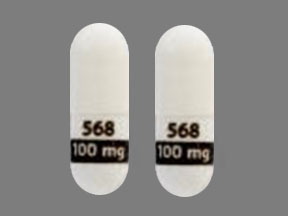
Vorinostat (Monograph)
Brand name: Zolinza
Drug class: Antineoplastic Agents
Introduction
Vorinostat, a histone deacetylase (HDAC) inhibitor, is an antineoplastic agent.
Uses for Vorinostat
Cutaneous T-cell Lymphoma
Treatment of skin manifestations of cutaneous T-cell lymphoma (CTCL) in patients who have progressive, persistent, or recurrent disease during or after 2 prior systemic therapies.
Designated an orphan drug by the US Food and Drug Administration (FDA) for use in this condition.
Vorinostat Dosage and Administration
General
Pretreatment Screening
-
Perform pregnancy testing within 7 days prior to initiating treatment in females of reproductive potential.
-
Adequately control pre-existing nausea, vomiting, and diarrhea before initiating therapy.
Patient Monitoring
-
Monitor CBC every 2 weeks for the first 2 months of vorinostat therapy and monthly thereafter.
-
Monitor blood chemistries and serum glucose concentrations every 2 weeks for the first 2 months of therapy and monthly thereafter. More frequent monitoring of serum potassium and magnesium is recommended in symptomatic patients (e.g., patients who develop nausea, vomiting, diarrhea, fluid imbalance, or cardiac symptoms).
-
Monitor for signs or symptoms of deep vein thrombosis or pulmonary embolism, particularly in patients with a history of thromboembolic events.
-
Monitor hydration status.
-
Monitor for bleeding or bruising.
Dispensing and Administration Precautions
-
Vorinostat could be confused with belinostat, panobinostat, venetoclax, or Votrient. Dispensing errors may occur due to product name confusion; therefore, extra care should be exercised in ensuring the accuracy of both oral and written prescriptions for vorinostat and these other drugs.
-
Handling and Disposal: Procedures for proper handling (e.g., use of gloves) and disposal of antineoplastic agents should be followed.
-
Vorinostat capsules should not be opened or crushed. Avoid exposure to crushed or broken capsules. If the powder comes in direct contact with the skin or mucous membranes, the affected area should be washed thoroughly.
Other General Considerations
-
Instruct patients to drink at least 2 liters of water daily to prevent dehydration. Patients should report excessive vomiting or diarrhea to their healthcare provider.
Administration
Oral Administration
Administer orally with food. Swallow capsules whole; do not open or crush.
Dosage
Adults
Cutaneous T-cell Lymphoma
Oral
400 mg once daily.
In patients who do not tolerate a dosage of 400 mg once daily (e.g., because of anemia or thrombocytopenia), reduce dosage to 300 mg once daily. If needed, may further reduce dosage to 300 mg once daily for 5 consecutive days each week.
Special Populations
Hepatic Impairment
Mild or moderate hepatic impairment (bilirubin concentration 1–3 times the ULN or AST concentration exceeding the ULN): reduce starting dosage to 300 mg orally once daily with food.
Severe hepatic impairment (bilirubin concentration > 3 times the ULN): not studied.
Renal Impairment
No specific dosage recommendations at this time. However, vorinostat is not eliminated renally.
Geriatric Use
No specific dosage recommendations in geriatric patients.
Cautions for Vorinostat
Contraindications
-
None.
Warnings/Precautions
Warnings
Thromboembolism
Risk of PE and DVT. Monitor for signs and symptoms of such events, especially in patients with prior history of thromboembolic events.
Hematologic Effects
Risk of dose-related thrombocytopenia and anemia. Monitor CBC every 2 weeks for the first 2 months of therapy and monthly thereafter. Adjust dosage or discontinue therapy if thrombocytopenia or anemia occurs.
GI Effects
Risk of nausea, vomiting, and diarrhea; may require antiemetic and/or antidiarrheal agents. Administer fluid and electrolyte replacement to prevent dehydration. Adequately control preexisting nausea, vomiting, and diarrhea before initiating therapy.
Hyperglycemia
Risk of hyperglycemia. Monitor serum glucose concentrations every 2 weeks for first 2 months, then monthly; monitoring especially important in patients with known or possible diabetes mellitus. Adjust diet and/or antidiabetic therapy, if needed.
Electrolyte Abnormalities
Monitor blood chemistries (including serum electrolyte [i.e., potassium, magnesium, calcium] and creatinine concentrations) every 2 weeks for the first 2 months of therapy and monthly thereafter. Monitor serum potassium and magnesium more frequently in symptomatic patients (e.g., patients who develop nausea, vomiting, diarrhea, fluid imbalance, or cardiac symptoms). Correct hypokalemia or hypomagnesemia before initiation of therapy.
Interactions with other Histone Deacetylase (HDAC) Inhibitors
Concomitant use with other HDAC inhibitors (e.g., valproic acid) may result in severe thrombocytopenia and GI bleeding. Monitor platelet count every 2 weeks during the first 2 months.
Fetal/Neonatal Morbidity and Mortality
May cause fetal harm; teratogenicity demonstrated in animals. Females of reproductive potential: Perform pregnancy testing within 7 days before starting treatment; use effective contraception during treatment and for ≥6 months after stopping therapy. If used during pregnancy or if patient becomes pregnant, apprise of potential fetal hazard. Males with female partners of reproductive potential: Use effective contraception during treatment and for ≥3 months after stopping therapy.
Specific Populations
Pregnancy
May cause fetal harm.
Lactation
Not known whether distributed into human milk. Discontinue breast-feeding during therapy and for ≥1 week after stopping therapy.
Females and Males of Reproductive Potential
May reduce female fertility.
Advise females of reproductive potential to use effective contraception during and for ≥6 months after stopping therapy.
Advise males with female partners of reproductive potential to use effective contraception during and for ≥3 months after stopping therapy.
Pediatric Use
Safety and efficacy not established in pediatric patients <18 years of age.
Geriatric use
Insufficient experience in patients ≥65 years of age to determine whether geriatric patients respond differently than younger adults.
Hepatic Impairment
Systemic exposure increased by 50% in mild or moderate hepatic impairment, and by 66% in severe hepatic impairment.
Risk of grade 3 or 4 thrombocytopenia increased in hepatic impairment.
Appropriate dosage not established in patients with severe hepatic impairment.
Renal Impairment
Not studied in patients with renal impairment, but renal excretion not a significant route of elimination.
Common Adverse Effects
Adverse effects (≥20% of patients): diarrhea, fatigue, nausea, dysgeusia, thrombocytopenia, anorexia.
Drug Interactions
Not metabolized by CYP isoenzymes. Pharmacokinetic interactions unlikely with drugs that are CYP enzyme inducers or inhibitors.
Does not inhibit CYP isoenzymes in vitro at therapeutic serum concentrations. Pharmacokinetic interactions with drugs metabolized by these isoenzymes unlikely.
Not a substrate of P-glycoprotein (P-gp) and does not inhibit P-gp at therapeutic concentrations. Pharmacokinetic interactions unlikely via this pathway.
Specific Drugs
|
Drug |
Interaction |
Comments |
|---|---|---|
|
Coumarin-derivative anticoagulants |
Possible prolongation of PT and INR |
Carefully monitor PT and INR |
|
HDAC inhibitors (e.g., valproic acid) |
Possibility of severe thrombocytopenia and GI bleeding |
Monitor platelet count every 2 weeks for the first 2 months |
Vorinostat Pharmacokinetics
Absorption
Bioavailability
Following administration of a single 400-mg oral dose to adult cancer patients in the fasted state, median time to peak plasma concentrations was about 1.5 hours (0.5–10 hours).
Food
Administration with a high-fat meal increases extent and decreases rate of absorption; median time to peak plasma concentrations was 4 hours (range: 2–10 hours).
Distribution
Plasma Protein Binding
About 71% (mainly to plasma proteins).
Elimination
Metabolism
Extensively metabolized to inactive metabolites, principally by glucuronidation and hydrolysis followed by β-oxidation. Not metabolized by CYP isoenzymes.
Elimination Route
Excreted principally (about 35–52%) in urine as the 2 major, inactive metabolites.
Only a small portion (<1%) of a dose is excreted in urine as unchanged drug.
Half-life
About 2 hours.
Stability
Storage
Oral
Capsules
20–25°C (excursions permitted between 15–30°C).
Actions
-
Histone deacetylase inhibitor; antineoplastic agent.
-
Inhibits enzymatic activity of histone deacetylases HDAC1, HDAC2, and HDAC3 (Class I) and HDAC6 (Class II) at nanomolar concentrations; HDAC enzymes catalyze the removal of acetyl groups from the lysine residues of proteins, including histones and transcription factors.
-
Overexpression of HDAC enzymes or aberrant recruitment of HDAC enzymes to oncogenic transcription factors causing hypoacetylation of core nucleosomal histones observed in some cancer cells.
-
Hypoacetylation of histones is associated with a condensed chromatin structure and repression of gene transcription.
-
Inhibition of HDAC activity allows for accumulation of acetyl groups on the histone lysine residues, resulting in an open chromatin structure and transcriptional activation.
-
In vitro, causes accumulation of acetylated histones and induces cell cycle arrest and/or apoptosis of some transformed cells.
Advice to Patients
-
Inform clinician of history of pulmonary embolism, DVT, or diabetes mellitus.
-
Notify clinician immediately if sudden swelling in leg, leg pain or tenderness, increased warmth in area of swelling, skin redness, skin color change, sudden sharp chest pain, shortness of breath, cough with bloody secretions, sweating, rapid pulse, fainting, or anxiety occurs.
-
Advise patients to swallow capsules whole; do not chew or break open. If capsules are accidentally opened or crushed, importance of not touching capsules or powder contents. If powder contacts skin or eyes, wash area well with plain water and inform clinician.
-
Advise patients to take vorinostat with food.
-
Advise patients that if a dose of vorinostat is missed; it should be taken as soon as remembered. If it is close to next dose, take it at the regularly scheduled time.
-
Advise patients to drink at least 2 L of water every day while taking the drug. Risk of nausea, vomiting, and diarrhea; dehydration may occur. Inform clinician immediately if excessive vomiting or diarrhea occurs or if unable to eat or drink normally because of nausea, vomiting, or diarrhea.
-
Advise patients with high blood sugar (hyperglycemia) or diabetes mellitus to continue monitoring serum glucose concentrations; diabetes mellitus therapy may require adjustment by clinician.
-
Inform clinician if fatigue, pallor, shortness of breath or unusual bruising develops.
-
Inform patient that regular blood tests will be performed to check blood counts and chemistries during therapy.
-
Advise women to inform clinicians if they are or plan to become pregnant or plan to breast-feed. Advise pregnant females of risk to the fetus.
-
Instruct patients to inform their clinicians of existing or contemplated concomitant therapy, including prescription (e.g., valproic acid or anticoagulants) and OTC drugs and herbal supplements, as well as any concomitant illnesses.
-
Inform patients of other important precautionary information.
Additional Information
The American Society of Health-System Pharmacists, Inc. represents that the information provided in the accompanying monograph was formulated with a reasonable standard of care, and in conformity with professional standards in the field. Readers are advised that decisions regarding use of drugs are complex medical decisions requiring the independent, informed decision of an appropriate health care professional, and that the information contained in the monograph is provided for informational purposes only. The manufacturer’s labeling should be consulted for more detailed information. The American Society of Health-System Pharmacists, Inc. does not endorse or recommend the use of any drug. The information contained in the monograph is not a substitute for medical care.
Preparations
Excipients in commercially available drug preparations may have clinically important effects in some individuals; consult specific product labeling for details.
Please refer to the ASHP Drug Shortages Resource Center for information on shortages of one or more of these preparations.
|
Routes |
Dosage Forms |
Strengths |
Brand Names |
Manufacturer |
|---|---|---|---|---|
|
Oral |
Capsules |
100 mg |
Zolinza |
Merck |
AHFS DI Essentials™. © Copyright 2025, Selected Revisions July 28, 2023. American Society of Health-System Pharmacists, Inc., 4500 East-West Highway, Suite 900, Bethesda, Maryland 20814.
Reload page with references included
Related/similar drugs
More about vorinostat
- Check interactions
- Compare alternatives
- Side effects
- Dosage information
- During pregnancy
- Drug class: histone deacetylase inhibitors
- En español