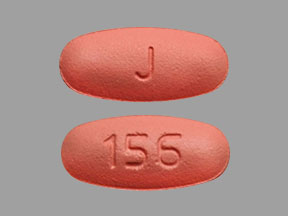
valGANciclovir (Monograph)
Brand name: Valcyte
Drug class: Nucleosides and Nucleotides
VA class: AM800
Chemical name: Ester with 9-[[2-hydroxy-1-(hydroxymethyl)ethoxy]methyl]guaninel-valine monohydrochloride
Molecular formula: C14H22N6O5•HCl
CAS number: 175865-59-5
Warning
-
Hematologic toxicity (e.g., severe leukopenia, neutropenia, anemia, thrombocytopenia, pancytopenia, bone marrow failure including aplastic anemia) reported in patients receiving valganciclovir.
-
Based on animal data and limited human data, may cause temporary or permanent inhibition of spermatogenesis in males and suppression of fertility in females.
-
Based on animal data, has the potential to cause birth defects in humans.
-
Based on animal data, has the potential to cause cancers in humans.
Introduction
Antiviral; prodrug of ganciclovir, a nucleoside antiviral active against herpesviruses.
Uses for valGANciclovir
Cytomegalovirus (CMV) Retinitis
Initial treatment (induction therapy) and maintenance therapy (secondary prophylaxis) of CMV retinitis in HIV-infected adults, including those with acquired immunodeficiency syndrome (AIDS). Also used for management of CMV retinitis in certain HIV-infected pediatric patients† [off-label].
Like other antivirals, valganciclovir is not a cure for CMV retinitis; relapse and/or progression of CMV retinitis possible during or following valganciclovir therapy.
Retinitis is the most common clinical manifestation of CMV end-organ disease in HIV-infected patients; ideally should be managed in consultation with an ophthalmologist familiar with diagnosis and treatment of retinal diseases.
Select antiviral regimen for initial treatment of CMV retinitis in HIV-infected individuals based on location and severity of CMV retinal lesions, severity of underlying immunosuppression, concomitant drug therapy, and patient’s ability to adhere to the treatment regimen. Select antiviral regimen for maintenance therapy based on location of CMV retinal lesions, vision in contralateral eye, patient's immunologic and virologic status, and patient's response to antiretroviral therapy.
For management of immediate sight-threatening CMV retinal lesions (e.g., within 1.5 mm of the fovea) in HIV-infected adults and adolescents, CDC, NIH, and IDSA state that the preferred regimen is initial treatment (induction therapy) with intravitreal ganciclovir or intravitreal foscarnet (1–4 doses given over a period of 7–10 days) in conjunction with oral valganciclovir (twice daily for 14–21 days) followed by maintenance therapy (secondary prophylaxis) with oral valganciclovir (once daily). One alternative regimen recommended by these experts for sight-threatening CMV retinitis in HIV-infected adults and adolescents is intravitreal ganciclovir or intravitreal foscarnet (1–4 doses given over a period of 7–10 days) in conjunction with IV ganciclovir (twice daily for 14–21 days) followed by maintenance therapy (secondary prophylaxis) with oral valganciclovir (once daily). Systemic antivirals (without an intravitreal antiviral) usually adequate for management of CMV retinitis in patients with only small peripheral lesions.
For management of CMV retinitis in HIV-infected pediatric patients, CDC, NIH, IDSA, and others state that IV ganciclovir is drug of choice for initial treatment (induction therapy) and one of several options for maintenance therapy (secondary prophylaxis). These experts state that oral valganciclovir may be considered in older children† [off-label] and adolescents† [off-label] transitioning from IV ganciclovir to oral valganciclovir to complete treatment and/or for maintenance therapy following improvement of retinitis.
Because of risk of relapse, chronic maintenance therapy (secondary prophylaxis) of CMV retinitis usually continued until immune reconstitution occurs as a result of effective antiretroviral therapy. CDC, NIH, and IDSA state that discontinuance of maintenance therapy of CMV retinitis can be considered in HIV-infected adults and adolescents if CMV lesions have been treated for ≥3–6 months and are inactive and there has been a sustained (i.e., 3–6 months) increase in CD4+ T-cell count to >100/mm3 in response to antiretroviral therapy. Although safety of discontinuing maintenance therapy of CMV retinitis in HIV-infected pediatric patients not well studied, discontinuance of such therapy can be considered in those receiving antiretroviral therapy who have a sustained (i.e., >6 months) increase in CD4+ T-cell percentage to >15% (children <6 years of age) or increase in CD4+ T-cell count to >100/mm3 (children ≥6 years of age).
If maintenance therapy of CMV is discontinued, continue regular ophthalmologic monitoring (optimally every 3–6 months) for early detection of CMV relapse or immune reconstitution uveitis. If CD4+ T-cell count decreases to <100/mm3 (adults, adolescents, children ≥6 years of age) or CD4+ T-cell percentage decreases to <15% (children <6 years of age), reinitiate CMV retinitis maintenance therapy.
Extraocular CMV Infections
Although safety and efficacy not established for management of extraocular CMV infections, has been recommended as an alternative for CMV esophagitis† [off-label] or colitis† [off-label] in HIV-infected adults.
CDC, NIH, and IDSA state that IV ganciclovir usually the preferred antiviral in HIV-infected adults with CMV GI disease, but transition to oral valganciclovir may be considered for management of CMV GI disease† when patient can tolerate and absorb oral drugs. Also can consider valganciclovir for initial management of CMV esophagitis† or colitis† in patients with GI symptoms that do not interfere with oral absorption.
Congenital CMV Disease
Although safety and efficacy not established, has been used for management of symptomatic congenital CMV disease†.
Transmission of CMV from infected mothers to their fetuses occurs as a result of maternal viremia and transplacental infection; perinatal infection also can occur from exposure to CMV shedding in mother's genital tract. Approximately 10% of neonates with congenital CMV infection are symptomatic at birth; mortality is about 10% and approximately 50–90% of symptomatic surviving neonates experience substantial morbidity (e.g., mental retardation, sensorineural hearing loss, microcephaly, seizures). Risk of congenital CMV infection resulting from primary maternal CMV infection may be higher and the disease more severe than that resulting from reactivation of maternal CMV infection.
AAP and others recommend valganciclovir be considered in neonates with moderate to severe symptomatic congenital CMV disease† (with or without CNS involvement) when an antiviral indicated. Regimen of IV ganciclovir either alone or followed by valganciclovir also has been used.
CDC, NIH, IDSA, and others state consider IV ganciclovir for initial treatment of symptomatic congenital CMV disease with CNS involvement in HIV-exposed or HIV-infected infants.
Antivirals not usually recommended for neonates with asymptomatic congenital CMV infection or only mildly symptomatic infection without evidence of CNS involvement.
Prevention of CMV Infection and Disease
Prophylaxis to prevent CMV infection and disease in adult kidney, heart, and kidney-pancreas transplant recipients considered at high risk for the disease (CMV-seronegative recipient/CMV-seropositive donor).
Prophylaxis to prevent CMV infection and disease in pediatric kidney transplant recipients 4 months to 16 years of age and pediatric heart transplant recipients 1 month to 16 years of age considered at high risk (CMV-seronegative recipient/CMV-seropositive donor).
Although safety and efficacy not established, has been used for preemptive treatment of CMV infection in solid organ transplant recipients† (kidney, heart, pancreas).
Has been recommended for prophylaxis or preemptive treatment of CMV infection in liver transplant recipients†; however safety and efficacy not established in adult or pediatric liver transplant patients and low efficacy reported in a study in adults.
Has been used for prophylaxis or preemptive treatment of CMV infection and disease in hematopoietic stem cell transplant (HSCT) recipients†.
valGANciclovir Dosage and Administration
General
-
Test females of childbearing potential for pregnancy prior to initiation of valganciclovir. (See Pregnancy under Cautions.)
-
Ensure that patients are adequately hydrated.
-
Because of the mutagenic and/or carcinogenic potential of valganciclovir, handle valganciclovir tablets, powder for oral solution, and reconstituted oral solutions carefully. (See Handling and Disposal under Cautions.)
Administration
Oral Administration
Administer orally with food.
Use tablets (not the oral solution) in adults. Do not break or crush tablets.
Oral solution is the preferred preparation in pediatric patients. Use tablets in pediatric patients only if the calculated dose is within 10% of the tablet strength (i.e., a single 450-mg tablet may be used if the calculated dose is 405–495 mg). (See Pediatric Patients under Dosage and Administration.)
Reconstitution
Reconstitute powder for oral solution at time of dispensing by adding 91 mL of purified water to provide a solution containing 250 mg of valganciclovir per 5 mL. Add water in 2 approximately equal aliquots and shake for about 1 minute after each addition. Reconstituted solution is colorless to brownish yellow.
Just prior to each dose, shake solution for about 5 seconds.
Administer appropriate dose using the bottle adapter and dosing dispenser provided by the manufacturer.
Dosage
Available as valganciclovir hydrochloride; dosage is expressed in terms of valganciclovir.
Pediatric Patients
CMV Retinitis in HIV-infected Pediatric Patients†
Oral
Initial treatment (induction therapy) in older children† and adolescents† who can receive adult dosage: CDC, NIH, IDSA, and others recommend 900 mg twice daily for 14–21 days.
Maintenance therapy (secondary prophylaxis) in older children† and adolescents† who can receive adult dosage: CDC, NIH, IDSA, and others recommend 900 mg once daily.
Make decisions regarding discontinuance of CMV retinitis maintenance therapy in consultation with an ophthalmologist. (See Cytomegalovirus [CMV] Retinitis under Uses.)
Congenital CMV Disease†
Oral
Symptomatic congenital CMV disease†: AAP and others recommend 16 mg/kg twice daily initiated within first month of life and continued for a total of 6 months.
Prevention of CMV Infection and Disease in Transplant Recipients
Oral
Pediatric heart transplant recipients 1 month to 16 years of age: Administer once daily starting within 10 days of transplantation and continue until 100 days posttransplantation. Calculate individualized dose using the pediatric dosage equation presented below.
Pediatric kidney transplant recipients 4 months to 16 years of age: Administer once daily starting within 10 days of transplantation and continue until 200 days posttransplantation. Calculate individualized dose using the pediatric dosage equation presented below.
Individualize pediatric dose of valganciclovir for prevention of CMV infection or disease based on body surface area (BSA) and estimated Clcr (modified Schwartz formula), and calculate using the following pediatric dosage equation:
Pediatric dose (in mg) = 7 × BSA (in m2) × Clcr (modified Schwartz formula)
Modified Schwartz Clcr (in mL/minute per 1.73 m2) = [k × height (in cm)]/ serum creatinine (in mg/dL)
Where k = 0.33 for infants <1 year of age with low birthweight for gestational age, 0.45 for infants <1 year of age with birthweight appropriate for gestational age, 0.45 for children 1 to <2 years of age, 0.55 for girls 2 to <16 years of age, 0.55 for boys 2 to <13 years of age, and 0.7 for boys 13–16 years of age.
To prevent overdosage in pediatric patients, estimated Clcr used to calculate pediatric dose should not exceed 150 mL/minute per 1.73 m2, regardless of value calculated using the modified Schwartz formula. If estimated Clcr is >150 mL/minute per 1.73 m2, use the value of 150 mL/minute per 1.73 m2 to calculate the dose. Round calculated dose to nearest 10-mg increment. Maximum dose is 900 mg.
Adults
CMV Retinitis in HIV-infected Adults
Oral
Initial treatment (induction therapy): 900 mg twice daily for 21 days. CDC, NIH, and IDSA recommend a duration of 14–21 days. If patient has immediate sight-threatening CMV retinal lesions, CDC, NIH, and IDSA recommend that initial treatment also include an appropriate intravitreal antiviral. (See Cytomegalovirus [CMV] Retinitis under Uses.)
Maintenance therapy (secondary prophylaxis): 900 mg once daily.
Make decisions regarding discontinuance of CMV retinitis maintenance therapy in consultation with an ophthalmologist. (See Cytomegalovirus [CMV] Retinitis under Uses.)
CMV Esophagitis or Colitis in HIV-infected Adults†
Oral
CDC, NIH, and IDSA recommend 900 mg every 12 hours for 21–42 days or until signs and symptoms have resolved. Maintenance therapy (secondary prophylaxis) usually not necessary, but consider if relapse occurs.
Prevention of CMV Infection and Disease in Transplant Recipients
Oral
Prophylaxis in heart or kidney-pancreas transplant recipients: 900 mg once daily starting within 10 days of transplantation and continued until 100 days posttransplantation. Some experts recommend duration of 3–6 months in CMV-seronegative recipients of heart, liver†, or pancreas transplants from CMV-seropositive donors.
Prophylaxis in kidney transplant recipients: 900 mg once daily starting within 10 days of transplantation and continued until 200 days posttransplantation. Experts generally recommend a duration of 6 months in CMV-seronegative recipients of kidney transplants from CMV-seropositive donors.
Preemptive treatment of CMV infection in solid organ transplant recipients†: 900 mg twice daily has been recommended.
Prescribing Limits
Pediatric Patients
Prevention of CMV Infection and Disease in Transplant Recipients
Oral
Maximum 900 mg daily. To avoid overdosage, Clcr used to calculate pediatric dosage should not exceed 150 mL/minute per 1.73 m2. If patient's estimated Clcr exceeds 150 mL/minute per 1.73 m2, use 150 mL/minute per 1.73 m2 in the pediatric dosage equation. (See Pediatric Patients under Dosage and Administration.)
Special Populations
Renal Impairment
Adults with renal impairment: Adjust dosage if Clcr is <60 mL/minute. (See Table 1.)
|
Clcr (mL/minute) |
Initial Treatment (Induction) Dosage |
Maintenance Dosage |
|---|---|---|
|
40–59 |
450 mg twice daily |
450 mg once daily |
|
25–39 |
450 mg once daily |
450 mg once every 2 days |
|
10–24 |
450 mg once every 2 days |
450 mg twice weekly |
|
<10 (hemodialysis patients) |
Not recommended |
Not recommended |
Pediatric patients with renal impairment: For prevention of CMV infection and disease in transplant recipients, calculate dosage using the usually recommended pediatric dosage equation. (See Dosage: Pediatric Patients, under Dosage and Administration.)
Geriatric Patients
Select dosage with caution, usually starting at the low end of the dosage range, because of age-related decreases in hepatic, renal, and/or cardiac function. Assess renal function before and during valganciclovir therapy and adjust dosage as necessary. (See Geriatric Use under Cautions.)
Cautions for valGANciclovir
Contraindications
-
Clinically important hypersensitivity reaction (e.g., anaphylaxis) to valganciclovir, ganciclovir, or any ingredient in the formulation.
Warnings/Precautions
Warnings
Hematologic Effects
Severe leukopenia, neutropenia, anemia, thrombocytopenia, pancytopenia, and bone marrow failure (including aplastic anemia) reported with valganciclovir or ganciclovir.
Cytopenia may occur at any time during valganciclovir therapy; degree of cytopenia may increase with continued therapy with the drug. Cell counts usually begin to return to baseline within 3–7 days after discontinuance of valganciclovir.
Perform CBCs with differential and platelet counts frequently, especially in infants, patients with baseline neutrophil counts <1000/mm3, those with a history of leukopenia during treatment with ganciclovir or other nucleoside analogs, and those with renal impairment. More frequent monitoring for cytopenias may be warranted if therapy is changed from oral ganciclovir (not commercially available in US) to valganciclovir.
Use with caution in those with preexisting cytopenias and those receiving myelosuppressive drugs or irradiation.
Avoid use in patients with ANC <500/mm3, platelet count <25,000/mm3, or hemoglobin concentration <8 g/dL.
May consider use of hematopoietic growth factors in patients experiencing severe leukopenia, neutropenia, anemia, and/or thrombocytopenia.
Impairment of Fertility
Animal data from studies using ganciclovir and limited data from patients receiving valganciclovir indicate valganciclovir may cause temporary or permanent inhibition of spermatogenesis in males and may cause suppression of fertility in females.
In a small clinical study in adult male renal transplant patients receiving valganciclovir for CMV prophylaxis for up to 200 days posttransplantation, mean sperm density in evaluable patients at end-of-treatment visit was decreased by 11 million/mL from baseline; among evaluable patients in an untreated control group, mean sperm density increased by 33 million/mL. At final follow-up visit 6 months after the drug was discontinued, mean sperm density in evaluable patients in the valganciclovir group was comparable to that in evaluable patients in untreated control group (mean sperm density increased by 41 or 43 million/mL from baseline, respectively).
Advise patients that valganciclovir may be associated with infertility.
Teratogenicity
Animal data from studies using ganciclovir indicate that valganciclovir may cause fetal toxicity and has potential to cause birth defects if administered to pregnant women.
In studies in pregnant mice and rabbits, ganciclovir at dosages 2 times human exposure resulted in maternal toxicity and embryofetal toxicity (e.g., fetal resorptions, embryofetal mortality). In addition, teratogenic effects (cleft palate, anophthalmia/microphthalmia, hydrocephalus, brachygnathia, aplastic organs [kidney, pancreas]) reported in rabbits.
Perform pregnancy testing in females of childbearing potential before initiating valganciclovir. Advise females of childbearing potential to use an effective method of contraception during and for ≥30 days after valganciclovir discontinued. Advise male patients to use a reliable method of barrier contraception during and for ≥90 days after valganciclovir discontinued. (See Pregnancy under Cautions.)
Mutagenicity and Carcinogenicity
Animal studies using ganciclovir indicate the drug is mutagenic and carcinogenic.
Consider valganciclovir a potential carcinogen in humans.
Other Warnings/Precautions
Renal Effects
Acute renal failure may occur in geriatric patients (with or without impaired renal function), patients receiving potentially nephrotoxic drugs, and inadequately hydrated patients.
Maintain adequate hydration in all patients.
Use caution in geriatric patients and in patients receiving concomitant therapy with potentially nephrotoxic drugs.
Use caution in patients with renal impairment and adjust dosage based on Clcr. (See Renal Impairment under Dosage and Administration.)
Handling and Disposal
Because valganciclovir is considered a potential teratogen and carcinogen, exercise caution when handling the drug. Do not break or crush valganciclovir tablets. Avoid direct contact of broken or crushed tablets, powder for oral solution, or reconstituted oral solution with skin or mucous membranes. If such contact occurs, wash thoroughly with soap and water; rinse eyes thoroughly with water.
Specific Populations
Pregnancy
Ganciclovir caused maternal and fetal toxicity, embryofetal mortality, and teratogenic effects in animal studies; valganciclovir expected to have similar reproductive toxicity. (See Teratogenicity under Cautions.)
Data not available regarding use in pregnant women to establish the presence or absence of drug-associated risk. An ex vivo placental model indicates ganciclovir crosses human placenta by passive diffusion.
Perform pregnancy testing in females of childbearing potential prior to initiating valganciclovir.
Advise females of childbearing potential to use an effective method of contraception during and for ≥30 days after valganciclovir therapy.
Advise male patients to use a reliable method of barrier contraception during and for ≥90 days after valganciclovir therapy.
Lactation
Not known whether distributes into human milk, affects the breast-fed infant, or affects milk production.
Animal data from studies using ganciclovir indicate distribution into milk of lactating rats.
Because of potential for serious adverse effects in the infant, valganciclovir not recommended in breast-feeding women.
Instruct HIV-infected women not to breast-feed because of risk of HIV transmission.
Pediatric Use
Safety and efficacy not established in pediatric patients <1 month of age.
Use for prevention of CMV disease in pediatric heart transplant recipients 1 month to 16 years of age is based on safety and pharmacokinetic data from 2 studies in this age group and is supported by efficacy data from studies in adult solid organ transplant recipients.
Use for prevention of CMV disease in pediatric kidney transplant recipients 4 months to 16 years of age is based on safety, tolerability, and pharmacokinetic data from 2 open-label studies in this age group and is supported by efficacy data from studies in adult solid organ transplant recipients.
Safety and efficacy not established for prevention of CMV disease in pediatric heart transplant recipients <1 month of age, pediatric kidney transplant recipients <4 months of age, or pediatric liver transplant recipients of any age.
Safety profile in pediatric patients generally similar to that observed in adults. Upper respiratory tract infection, pyrexia, nasopharyngitis, anemia, abdominal pain, and neutropenia reported more frequently in children than adults.
Geriatric Use
Safety and efficacy not specifically evaluated in geriatric patients ≥65 years of age; insufficient experience in those ≥65 years of age to determine whether they respond differently than younger adults. Pharmacokinetics not studied in geriatric patients.
Select dosage with caution, usually starting at low end of dosage range, because of age-related decreases in hepatic, renal, and/or cardiac function and concomitant disease and drug therapy.
Assess renal function before and during therapy; make appropriate dosage adjustments as necessary. (See Renal Impairment under Dosage and Administration.)
Hepatic Impairment
Safety and efficacy not evaluated.
Renal Impairment
Dosage adjustment necessary in adults with Clcr <60 mL/minute. (See Renal Impairment under Dosage and Administration.)
Do not use in adults undergoing hemodialysis; use ganciclovir (with appropriate dosage adjustment) instead.
Common Adverse Effects
Diarrhea, pyrexia, fatigue, nausea, tremor, neutropenia, anemia, leukopenia, thrombocytopenia, headache, insomnia, upper respiratory tract infection, urinary tract infection, vomiting.
Drug Interactions
No formal drug interaction studies performed using valganciclovir. Because valganciclovir is rapidly and extensively converted to ganciclovir, interactions associated with ganciclovir are expected to occur in patients receiving valganciclovir.
Ganciclovir drug interaction studies were performed in patients with normal renal function. In patients with renal impairment, concomitant use of valganciclovir and other drugs eliminated by renal excretion may increase concentrations of ganciclovir and the concomitant drug; closely monitor for toxicity associated with ganciclovir and the concomitant drug.
Specific Drugs
|
Drug |
Interaction |
Comments |
|---|---|---|
|
Amphotericin B |
Possible increased Scr |
Monitor renal function |
|
Antineoplastic agents (doxorubicin, hydroxyurea, vinblastine, vincristine) |
Possible increased risk of toxicity |
Use concomitantly only if potential benefits outweigh risks |
|
Co-trimoxazole |
Possible increased risk of toxicity |
Use concomitantly only if potential benefits outweigh risks |
|
Dapsone |
Possible increased risk of toxicity |
Use concomitantly only if potential benefits outweigh risks |
|
Didanosine |
When used with ganciclovir, increased AUC and peak plasma concentration of didanosine; no effect on ganciclovir pharmacokinetics |
Monitor closely for didanosine toxicity (e.g., pancreatitis) |
|
Flucytosine |
Possible increased risk of toxicity |
Use concomitantly only if potential benefits outweigh risks |
|
Imipenem and cilastatin |
When used with ganciclovir, generalized seizures reported |
Concomitant use with valganciclovir not recommended |
|
Immunosuppressive agents (cyclosporine, mycophenolate mofetil, tacrolimus) |
Cyclosporine: When used with ganciclovir, no effect on cyclosporine whole blood concentrations; possible increased Scr if used with valganciclovir Mycophenolate mofetil: When used with ganciclovir in patients with normal renal function, no effect on mycophenolate or ganciclovir concentrations; possible increased risk of toxicity if used with valganciclovir Tacrolimus: Possible increased risk of toxicity if used with valganciclovir |
Cyclosporine: Monitor renal function Mycophenolate mofetil: Monitor for hematologic and renal toxicities Tacrolimus: Use concomitantly only if potential benefits outweigh risks |
|
Pentamidine |
Possible increased risk of toxicity |
Use concomitantly only if potential benefits outweigh risks |
|
Probenecid |
When used with ganciclovir, decreased renal clearance and increased AUC of ganciclovir |
Monitor closely for ganciclovir toxicity; reduced valganciclovir dosage may be needed |
|
Tenofovir |
Tenofovir alafenamide or tenofovir disoproxil fumarate: Concomitant use may increase concentrations of ganciclovir and/or tenofovir |
Tenofovir alafenamide or tenofovir disoproxil fumarate: Monitor for dose-related toxicities |
|
Trimethoprim |
When used with ganciclovir, no effect on pharmacokinetics of either drug; possible increased risk of toxicity if used with valganciclovir |
Use concomitantly only if potential benefits outweigh risks |
|
Zidovudine |
When used with ganciclovir, additive or synergistic bone marrow toxicity reported; increased risk of hematologic toxicity if used with valganciclovir |
Use concomitantly only if potential benefits outweigh risks |
valGANciclovir Pharmacokinetics
Absorption
Bioavailability
Valganciclovir, a prodrug of ganciclovir, is well absorbed from GI tract and rapidly metabolized by intestinal and hepatic esterases to ganciclovir. Systemic exposure to prodrug is transient and low.
Following dose of oral valganciclovir given with food, absolute bioavailability of ganciclovir is approximately 60% and median time to peak ganciclovir concentrations is 2.2 hours. AUC of ganciclovir is proportional to valganciclovir dose when given under fed conditions.
Food
Administration of oral valganciclovir with a high-fat meal (approximately 600 calories, 31 g fat) increases AUC and peak plasma concentrations of ganciclovir at steady state by 30 and 14%, respectively.
Plasma Concentrations
Results from pharmacokinetic studies in adults indicate that oral valganciclovir (900 mg once daily with food) results in ganciclovir AUC similar to that reported following IV ganciclovir (5 mg/kg once daily).
Distribution
Extent
Not known whether valganciclovir distributed into CSF; ganciclovir is distributed into CSF.
Ganciclovir crosses the placenta (based on an ex vivo human placental model).
Not known whether valganciclovir or ganciclovir distributed into human milk; animal data indicate ganciclovir distribution into milk of lactating rats.
Plasma Protein Binding
Ganciclovir plasma protein binding 1–2%; protein binding of valganciclovir not determined because of rapid conversion to ganciclovir.
Elimination
Metabolism
Valganciclovir rapidly hydrolyzed to ganciclovir. Ganciclovir is then phosphorylated by viral protein kinase (pUL97) to ganciclovir monophosphate within CMV-infected cells. Ganciclovir monophosphate is further phosphorylated by cellular kinases to ganciclovir triphosphate, which is slowly metabolized intracellularly.
Elimination Route
Major route of elimination of valganciclovir is renal excretion as ganciclovir by glomerular filtration and active tubular secretion.
Half-life
Adults: Mean half-life of ganciclovir after administration of oral valganciclovir (900 mg once daily with food) is approximately 4 hours in healthy adults, adults with HIV infection, or HIV-positive/CMV-positive adults (with or without retinitis). Mean half-life in adult heart, kidney, and kidney-pancreas transplant recipients is 6.6–6.8 hours.
Pediatric solid organ transplant recipients: Mean half-life of ganciclovir after administration of oral valganciclovir is 2.8–4.8 hours in those 4 months to <12 years of age and 4.4–6 hours in those ≥12 years of age. Clearance is influenced by BSA and renal function.
Intracellular half-life of ganciclovir in CMV-infected cells is 18 hours.
Special Populations
Patients with renal impairment: Half-life of ganciclovir is increased and renal clearance is decreased. Mean half-life of ganciclovir following administration of oral valganciclovir is about 10, 22, or 68 hours in otherwise healthy adults with Clcr of 21–50, 11–20, or ≤10 mL/minute, respectively.
Hemodialysis reduces plasma concentrations of ganciclovir by approximately 50%.
Stability
Storage
Oral
Tablets
20–25°C (may be exposed to 15–30°C).
For Solution
20–25°C (may be exposed to 15–30°C).
After reconstitution, refrigerate at 2–8°C for up to 49 days. Do not freeze.
Actions and Spectrum
-
Valganciclovir is the l-valyl ester of ganciclovir.
-
Prodrug with no antiviral activity until converted in vivo to ganciclovir and subsequently to the active ganciclovir triphosphate.
-
Rapidly converted to ganciclovir by intestinal and hepatic esterases and then phosphorylated within CMV-infected cells to ganciclovir triphosphate, which has in vitro and in vivo inhibitory activity against CMV.
-
Ganciclovir triphosphate is a viral DNA polymerase inhibitor and exerts its antiviral activity on CMV by inhibiting the viral DNA polymerase. Other mechanisms also are involved.
-
Active against various human herpesviruses, including CMV, herpes simplex virus types 1 and 2 (HSV-1 and HSV-2), and varicella-zoster virus (VZV). Although clinical importance unclear, has some in vitro activity against Epstein-Barr virus (EBV) and human herpes viruses types 6 and 8 (HHV-6 and HHV-8). Not active against HIV-1.
-
CMV with reduced susceptibility or resistance to ganciclovir can be selected in vitro and have been reported after prolonged treatment with valganciclovir; ganciclovir resistance also reported in patients not previously treated with the drug. Consider possibility of ganciclovir-resistant CMV in patients who show poor clinical response or relapse or experience persistent viral shedding during valganciclovir therapy.
-
Resistance to ganciclovir usually is the result of amino acid substitutions in the viral protein kinase pUL97 and/or viral DNA polymerase pUL54.
-
Cross-resistance between ganciclovir and foscarnet and/or cidofovir reported.
-
Importance of reading the patient information and instructions for use provided by the manufacturer.
-
Importance of taking with food. Inform adults that they should receive valganciclovir tablets, not valganciclovir oral solution.
-
Inform patients that valganciclovir may cause granulocytopenia (neutropenia), anemia, thrombocytopenia, and elevated Scr and that dosage modification or discontinuance of the drug may be required. Necessity of frequent monitoring of CBCs, platelet counts, and Scr.
-
Advise patients that valganciclovir may cause seizures, dizziness, and/or confusion, which may affect tasks requiring alertness (e.g., ability to drive or operate machinery).
-
When valganciclovir used for management of CMV retinitis, advise patients that the drug is not a cure for CMV retinitis; progression of retinitis may occur during or after valganciclovir treatment. Regular ophthalmologic examinations during valganciclovir therapy (at least every 4–6 weeks) are necessary; some patients require more frequent follow-up.
-
Importance of informing clinicians of existing or contemplated concomitant therapy, including prescription and OTC drugs, as well as any concomitant illnesses.
-
Advise patients that valganciclovir is considered a potential carcinogen.
-
Advise patients that valganciclovir may cause temporary or permanent female and male infertility. Advise females of reproductive potential that the drug causes birth defects in animals.
-
Importance of women informing clinicians if they are or plan to become pregnant or plan to breast-feed. Advise women to avoid pregnancy and to not breast-feed infants.
-
Importance of both women and men using effective contraception during valganciclovir therapy. Advise females of reproductive potential to use effective contraception during and ≥30 days after valganciclovir therapy. Advise male patients to use effective barrier contraception during and ≥90 days after valganciclovir therapy.
-
Importance of advising patients of other important precautionary information. (See Cautions.)
Preparations
Excipients in commercially available drug preparations may have clinically important effects in some individuals; consult specific product labeling for details.
Please refer to the ASHP Drug Shortages Resource Center for information on shortages of one or more of these preparations.
* available from one or more manufacturer, distributor, and/or repackager by generic (nonproprietary) name
|
Routes |
Dosage Forms |
Strengths |
Brand Names |
Manufacturer |
|---|---|---|---|---|
|
Oral |
For solution |
250 mg (of valganciclovir) per 5 mL* |
Valcyte |
Roche |
|
Valganciclovir for Oral Solution |
||||
|
Tablets, film-coated |
450 mg (of valganciclovir)* |
Valcyte |
Roche |
|
|
Valganciclovir Tablets |
AHFS DI Essentials™. © Copyright 2025, Selected Revisions August 12, 2019. American Society of Health-System Pharmacists, Inc., 4500 East-West Highway, Suite 900, Bethesda, Maryland 20814.
† Off-label: Use is not currently included in the labeling approved by the US Food and Drug Administration.
Reload page with references included
Related/similar drugs
More about valganciclovir
- Check interactions
- Compare alternatives
- Pricing & coupons
- Reviews (3)
- Drug images
- Side effects
- Dosage information
- During pregnancy
- Drug class: purine nucleosides
- Breastfeeding
- En español