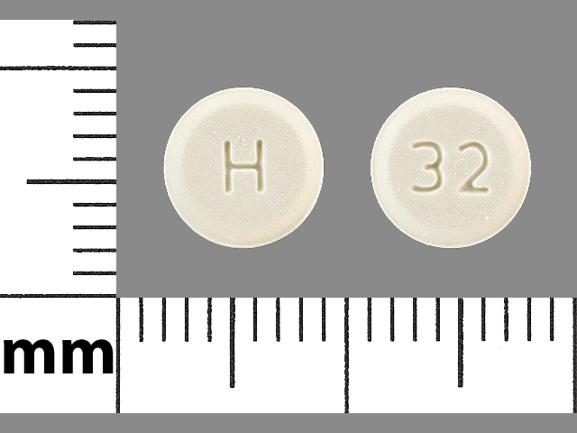
Pioglitazone (Monograph)
Brand names: Actos, ActoPlus Met (combination), ActoPlus Met XR (combination), Duetact (combination)
Drug class: Thiazolidinediones
ATC class: A10BG03
VA class: HS502
Chemical name: (±)-5-[p-[2-(5-Ethyl-2-pyridyl)ethoxy]benzyl]-2,4-thiazolidinedione monohydrochloride
Molecular formula: C19H20N2O3S•ClH
CAS number: 112529-15-4
Warning
- Heart Failure
-
Thiazolidinediones, including pioglitazone, cause or exacerbate heart failure in some patients. Monitor for signs and symptoms of heart failure (e.g., dyspnea, rapid and excessive weight gain, edema) after initiation of therapy and dosage titration. If heart failure develops, manage according to current standards of care; consider discontinuance or reduction in dosage of pioglitazone.
-
Not recommended in patients with symptomatic heart failure.
-
Initiation of pioglitazone contraindicated in patients with NYHA class III or IV heart failure. (See Heart Failure under Cautions.)
Introduction
Antidiabetic agent; thiazolidinedione (glitazone).
Uses for Pioglitazone
Type 2 Diabetes Mellitus
Used alone or in combination with a sulfonylurea, metformin, or insulin as an adjunct to diet and exercise to improve glycemic control in patients with type 2 diabetes mellitus. Should be added to, not substituted for, other antidiabetic agents in patients whose type 2 diabetes mellitus is not adequately controlled by these agents.
Current guidelines for the treatment of type 2 diabetes mellitus generally recommend metformin as first-line therapy in addition to lifestyle modifications in patients with recent-onset type 2 diabetes mellitus or mild hyperglycemia because of its well-established safety and efficacy (i.e., beneficial effects on glycosylated hemoglobin [hemoglobin A1c; HbA1c], weight, and cardiovascular mortality).
In patients with metformin contraindications or intolerance (e.g., risk of lactic acidosis, GI intolerance) or in selected other patients, some experts suggest that initial therapy with a drug from another class of antidiabetic agents (e.g., a glucagon-like peptide-1 [GLP-1] receptor agonist, sodium-glucose cotransporter 2 [SGLT2] inhibitor, dipeptidyl peptidase-4 [DPP-4] inhibitor, sulfonylurea, thiazolidinedione, basal insulin) may be acceptable based on patient factors.
May need to initiate therapy with 2 agents (e.g., metformin plus another drug) in patients with high initial HbA1c (>7.5% or ≥1.5% above target). In such patients with metformin intolerance, some experts suggest initiation of therapy with 2 drugs from other antidiabetic drug classes with complementary mechanisms of action.
Consider early initiation of combination therapy for the treatment of type 2 diabetes mellitus to extend the time to treatment failure and more rapidly attain glycemic goals.
For patients with inadequate glycemic control on metformin monotherapy, consider patient comorbidities (e.g., atherosclerotic cardiovascular disease [ASCVD], established kidney disease, heart failure), hypoglycemia risk, impact on weight, cost, risk of adverse effects, and patient preferences when selecting additional antidiabetic agents for combination therapy.
Consider early introduction of insulin for severe hyperglycemia (e.g., blood glucose of ≥300 mg/dL or HbA1c >9–10%), especially if accompanied by catabolic manifestations (e.g., weight loss, hypertriglyceridemia, ketosis) or symptoms of hyperglycemia.
Not used for the treatment of type 1 diabetes mellitus or diabetic ketoacidosis.
Pioglitazone Dosage and Administration
Administration
Oral Administration
Administer pioglitazone once daily without regard to meals.
Administer fixed combination of pioglitazone and immediate-release metformin hydrochloride once or twice daily with meals to reduce the GI effects of metformin component.
Administer fixed combination of pioglitazone and glimepiride once daily with the first main meal.
Dosage
Available as pioglitazone hydrochloride; dosage expressed in terms of pioglitazone.
If hypoglycemia occurs during combination therapy with an insulin secretagogue (e.g., sulfonylurea), decrease dosage of the insulin secretagogue. If hypoglycemia occurs with concomitant pioglitazone and insulin therapy, reduce dosage of insulin by 10–25%; further adjustments to insulin dosage should be individualized according to glycemic response.
Initiation or discontinuance of a CYP2C8 inducer during pioglitazone therapy may necessitate changes in antidiabetic therapy. (See Interactions.)
If a potent CYP2C8 inhibitor is used concomitantly, reduction of the maximum daily pioglitazone dosage is recommended. (See Interactions.)
Adults
Type 2 Diabetes Mellitus
Monotherapy
OralInitially, 15 or 30 mg once daily in patients without congestive heart failure; use lower initial dosages in patients with NYHA class I or II heart failure. (See Patients with Heart Failure under Dosage.) If response inadequate, increase dosage in increments of 15 mg based on glycemic response as determined by HbA1c up to maximum of 45 mg daily.
Pioglitazone/Immediate-release Metformin Hydrochloride Fixed-combination Therapy
OralBase initial dosage of fixed combination on patient's existing dosage of pioglitazone and/or immediate-release metformin hydrochloride and on usual initial dosages of these drugs, effectiveness, and tolerability.
Initially, pioglitazone 15 mg/metformin hydrochloride 500 mg twice daily or pioglitazone 15 mg/metformin hydrochloride 850 mg once daily.
Patients receiving metformin hydrochloride monotherapy: Initially, pioglitazone 15 mg/metformin hydrochloride 500 mg twice daily or pioglitazone 15 mg/metformin hydrochloride 850 mg once or twice daily depending on the patient's existing metformin dosage.
Patients receiving pioglitazone monotherapy: Initially, pioglitazone 15 mg/metformin hydrochloride 500 mg twice daily or pioglitazone 15 mg/metformin hydrochloride 850 mg once daily.
Patients switching from combined therapy with separate pioglitazone and metformin preparations: Usual initial dosage of the fixed combination is the same as the patient's existing dosage of the individual drugs.
Gradually titrate dosage based on adequacy of therapeutic response and tolerability.
Pioglitazone/Glimepiride Fixed-combination Therapy
OralBase initial dosage of fixed combination on patient's existing dosage of pioglitazone and/or sulfonylurea (e.g., glimepiride). (See Patients with Heart Failure under Dosage.)
Patients receiving glimepiride monotherapy: Initially, 30 mg of pioglitazone and 2 or 4 mg of glimepiride once daily.
Patients receiving pioglitazone monotherapy: Initially, 30 mg of pioglitazone and 2 mg of glimepiride once daily.
Patients switching from combined therapy with separate pioglitazone and glimepiride preparations: Usual initial dosage of the fixed combination is as close as possible to the patient's existing dosage of the individual drugs. When switching to the fixed combination, carefully monitor patients with inadequate glycemic control on pioglitazone 15 mg daily in combination with glimepiride.
Patients switching from monotherapy with a sulfonylurea other than glimepiride (e.g., glyburide, glipizide, tolbutamide) or from combined therapy with pioglitazone plus a sulfonylurea other than glimepiride: Initially, 30 mg of pioglitazone and 2 mg of glimepiride once daily. Observe patients for hypoglycemia for 1–2 weeks following transition from a sulfonylurea with a prolonged half-life (e.g., chlorpropamide [no longer commercially available in the US]) due to potential overlapping hypoglycemic effect.
Gradually titrate dosage based on adequacy of therapeutic response and tolerability.
Prescribing Limits
Adults
Type 2 Diabetes Mellitus
Oral
Maximum 45 mg daily (as monotherapy or in combination with a sulfonylurea, metformin, or insulin).
Special Populations
Hepatic Impairment
Monotherapy
No dosage adjustment necessary; initiate with caution in hepatic impairment. (See Hepatic Effects under Cautions.)
Pioglitazone/Immediate-release Metformin Hydrochloride Fixed-combination Therapy
Not recommended in patients with hepatic impairment.
Pioglitazone/Glimepiride Fixed-combination Therapy
Use caution when initiating and increasing dosage of pioglitazone in fixed combination with glimepiride; individuals with hepatic impairment may be particularly sensitive to the hypoglycemic effects of glimepiride.
Renal Impairment
Monotherapy
No dosage adjustment necessary.
Pioglitazone/Immediate-release Metformin Hydrochloride Fixed-combination Therapy
eGFR 30–45 mL/minute per 1.73 m2: Do not initiate; assess benefits and risks of continued treatment in patients already receiving pioglitazone in fixed combination with immediate-release metformin hydrochloride.
eGFR <30 mL/minute per 1.73 m2: Use contraindicated; discontinue in patients already receiving pioglitazone in fixed combination with immediate-release metformin.
Pioglitazone/Glimepiride Fixed-combination Therapy
Use caution when initiating and increasing dosage of pioglitazone in fixed combination with glimepiride; individuals with renal impairment may be particularly sensitive to the hypoglycemic effects of glimepiride.
Geriatric Patients
Monotherapy
No dosage adjustment necessary.
Pioglitazone/Immediate-release Metformin Hydrochloride Fixed-combination Therapy
Conservative initial and maintenance dosages recommended; geriatric individuals are particularly sensitive to hypoglycemic effects.
Pioglitazone/Glimepiride Fixed-combination Therapy
Conservative initial and maintenance dosages recommended; geriatric individuals may be particularly sensitive to the hypoglycemic effects of glimepiride.
Patients with Heart Failure
NYHA class III or IV heart failure: Use contraindicated.
Monotherapy
NYHA class I or II heart failure: Initially, 15 mg once daily. Increase dosage, if needed, up to maximum of 45 mg daily based on HbA1c concentrations. Monitor carefully for weight gain, edema, or other manifestations of heart failure exacerbation following initiation and dosage increase.
Pioglitazone/Immediate-release Metformin Hydrochloride Fixed-combination Therapy
NYHA class I or II heart failure: Initially, pioglitazone 15 mg/immediate-release metformin hydrochloride 500 mg or pioglitazone 15 mg/immediate-release metformin hydrochloride 850 mg once daily. Monitor carefully for weight gain, edema, or other manifestations of heart failure exacerbation following initiation and dosage increase.
Pioglitazone/Glimepiride Fixed-combination Therapy
Systolic dysfunction: Initially, pioglitazone 15 mg once daily as monotherapy; safely titrate dosage to 30 mg once daily as monotherapy before initiating the fixed combination of glimepiride 2 mg and pioglitazone 30 mg. If subsequent dosage adjustment is necessary with the fixed-combination preparation, monitor closely for weight gain, edema, or other manifestations of heart failure exacerbation.
Debilitated or Malnourished Patients
Pioglitazone/Glimepiride Fixed-combination Therapy
Use caution when initiating or increasing dosage; these individuals are particularly susceptible to hypoglycemic effects.
Patients with Adrenal or Pituitary Insufficiency
Pioglitazone/Glimepiride Fixed-combination Therapy
Use caution when initiating or increasing dosage; these individuals are particularly susceptible to hypoglycemic effects.
Cautions for Pioglitazone
Contraindications
-
Initiation of therapy in patients with NYHA class III or IV heart failure. (See Boxed Warning.)
-
Known serious hypersensitivity to pioglitazone or any ingredient in the formulation.
Warnings/Precautions
Warnings
Heart Failure
Dose-related fluid retention associated with use of pioglitazone, alone or in combination with other antidiabetic agents, may lead to or exacerbate heart failure. (See Boxed Warning.) Fluid retention most common when used in combination with insulin.
Monitor for signs and symptoms of heart failure (e.g., dyspnea, rapid weight gain, edema, unexplained cough or fatigue), especially during initiation of therapy and dosage titration.
If heart failure develops, manage according to current standards of care. Consider dosage reduction or discontinuance of pioglitazone.
Do not initiate thiazolidinedione therapy in hospitalized patients with diabetes mellitus because of delayed onset of action and potential for increased vascular volume and heart failure.
Edema
Fluid retention reported; may lead to or exacerbate heart failure.
Use with caution in patients with edema and in those at risk for heart failure. Observe for manifestations of heart failure (e.g., dyspnea, rapid weight gain, edema). (See Heart Failure under Cautions.)
Weight Gain
Reported; may involve fluid retention and fat accumulation. (See Boxed Warning.)
Other Warnings/Precautions
Hepatic Effects
No evidence of drug-induced hepatotoxicity in controlled clinical trial database to date. However, hepatic failure with or without fatalities reported during postmarketing experience.
Obtain liver function tests (serum ALT and AST, alkaline phosphatase, total bilirubin) and assess patient prior to initiation of therapy; if tests abnormal, initiate pioglitazone with caution. (See Hepatic Impairment under Cautions.)
Recheck liver function promptly if manifestations suggestive of hepatic dysfunction (e.g., right upper abdominal discomfort, fatigue, anorexia, dark urine, jaundice) occur. Interrupt therapy if ALT is >3 times the upper limit of normal (ULN) in patients with symptoms of liver injury; do not restart drug in patients without another explanation for liver test abnormalities. Patients with serum ALT >3 times the reference range and serum total bilirubin >2 times the reference range without alternative etiologies are at risk for severe drug-induced liver injury; do not restart drug in such patients. May use pioglitazone with caution in patients with lesser elevations of serum ALT or bilirubin who have an alternative probable cause for such elevations.
Musculoskeletal Effects
Risk of bone loss and fractures in women, and possibly in men, receiving thiazolidinedione therapy.
Fractures reported more frequently in women receiving pioglitazone (5.1%) than in women receiving placebo (2.5%) in long-term study (mean 34.5 months follow-up). Effects noted after first year of treatment and persisted throughout treatment. Most fractures were nonvertebral, occurring in a distal limb (forearm, hand, wrist, foot, ankle, fibula, tibia).
In an observational study, use of pioglitazone or rosiglitazone for approximately 12–18 months associated with twofold to threefold increase in fractures, particularly of hip and wrist. Overall risk of fracture similar among men and women.
Consider risk of fracture, particularly in female patients. Assess and maintain bone health according to current standards of care.
Risk of Bladder Cancer
Increased risk of bladder cancer. Do not use in patients with active bladder cancer; use with caution in patients with history of bladder cancer, weighing benefits of glycemic control against unknown risks of cancer recurrence.
Hypoglycemia
Concomitant use of insulin or other antidiabetic drugs (e.g., insulin secretagogues) increases risk for hypoglycemia. May need to reduce dosage of concomitant antidiabetic agent to decrease risk of hypoglycemia. (See Dosage under Dosage and Administration.)
Ocular Effects
New-onset or worsening (diabetic) macular edema with decreased visual acuity reported rarely; concurrent peripheral edema reported frequently. Symptoms improved in some patients following discontinuance of pioglitazone.
Regular eye examinations by ophthalmologist advised. Promptly refer patients reporting visual symptoms to ophthalmologist, regardless of other concurrent therapy or physical findings.
Ovulatory Effects
May cause ovulation in premenopausal anovulatory women; advise women of the potential for an unintended pregnancy.
Macrovascular Outcomes
Evidence of macrovascular risk reduction with pioglitazone has not been conclusively demonstrated in controlled clinical trials.
Laboratory Abnormalities
Possible dose-related decreases in hemoglobin and hematocrit; usually evident within 4–12 weeks of therapy. May be related to plasma volume expansion. Rarely associated with clinically important hematologic manifestations.
Isolated elevations in serum CK >10 times ULN noted rarely during clinical trials. Resolved in most patients without apparent sequelae despite continued therapy with the drug; any relationship to pioglitazone therapy unknown.
Use of Fixed Combinations
When used in fixed combination with metformin hydrochloride or glimepiride, consider the cautions, precautions, and contraindications associated with the concomitant agent.
Specific Populations
Pregnancy
Data are lacking on use of pioglitazone in pregnant women. No adverse developmental effects observed in animal reproduction studies; however, delayed postnatal development (attributed to decreased body weight), delayed parturition, and reduced embryofetal viability were observed.
Blood glucose abnormalities during pregnancy are associated with increased incidence of congenital anomalies and neonatal morbidity and mortality.
Lactation
Distributed into milk in rats; not known whether distributed into human milk. Weigh the benefits of breast-feeding against the potential risk of adverse effects on the breast-fed infant from pioglitazone.
Pediatric Use
Safety and efficacy not established in pediatric patients <18 years of age; use not recommended.
Geriatric Use
No substantial differences in safety and efficacy relative to younger adults.
Hepatic Impairment
Initiate with caution in patients with abnormal liver function test results. Interrupt pioglitazone therapy if ALT >3 times the ULN and investigate the cause of liver test abnormalities. (See Hepatic Effects under Cautions.)
Common Adverse Effects
Upper respiratory tract infection, headache, sinusitis, myalgia, pharyngitis, edema.
Drug Interactions
Metabolized principally by CYP2C8 and, to a lesser extent, by CYP3A4 and other isoenzymes (e.g., CYP1A1). Weak inducer of CYP3A4.
Drugs Affecting Hepatic Microsomal Enzymes
Potent CYP2C8 inhibitors: Increased pioglitazone AUC and half-life; do not exceed maximum pioglitazone dosage of 15 mg once daily.
|
Drug or Combination |
Dosage in Combination with a Potent CYP2C8 Inhibitor |
|---|---|
|
Pioglitazone |
Maximum dosage: pioglitazone 15 mg once daily |
|
Pioglitazone/glimepiride fixed combination |
Switch to therapy with the individual drug components administered separately because the minimum pioglitazone dose in the fixed-combination preparation exceeds 15 mg |
|
Pioglitazone/immediate-release metformin hydrochloride fixed combination |
Maximum dosage: pioglitazone 15 mg/metformin hydrochloride 850 mg once daily |
CYP2C8 inducers: Decreased pioglitazone AUC. Initiation or discontinuance of a CYP2C8 inducer during pioglitazone therapy may necessitate changes in antidiabetic therapy; however, do not exceed maximum recommended pioglitazone dosage of 45 mg daily.
Specific Drugs
|
Drug |
Interaction |
Comments |
|---|---|---|
|
Antidiabetic agents |
Additive effects; possible hypoglycemia |
May need to reduce dosage of other antidiabetic agents |
|
Atorvastatin |
Decreased plasma concentrations and AUC for atorvastatin and pioglitazone |
|
|
Digoxin |
Pharmacokinetic interaction unlikely |
|
|
Fexofenadine |
Pharmacokinetic interaction unlikely |
|
|
Gemfibrozil |
Increased pioglitazone AUC and half-life |
Do not exceed maximum pioglitazone dosage of 15 mg once daily |
|
Ketoconazole |
Increased serum concentrations and AUC for pioglitazone |
|
|
Midazolam |
Decreased midazolam AUC and peak plasma concentrations |
|
|
Nifedipine, extended-release |
Decreased peak plasma nifedipine concentrations and AUC |
Clinical importance unknown |
|
Oral contraceptives, hormonal (ethinyl estradiol/norethindrone) |
Small decreases in peak plasma ethinyl estradiol concentrations and AUC |
Clinical importance unknown |
|
Ranitidine |
Pharmacokinetic interaction unlikely |
|
|
Rifampin |
Decreased pioglitazone AUC |
May require change in antidiabetic therapy if rifampin initiated or discontinued during pioglitazone therapy, but do not exceed maximum pioglitazone dosage of 45 mg daily |
|
Theophylline |
Pharmacokinetic interaction unlikely |
|
|
Topiramate |
Reductions in exposure (AUC) of pioglitazone and active metabolites (see Metabolism under Pharmacokinetics) with concomitant administration |
Clinical relevance unknown; however, manufacturer recommends monitoring for adequate glycemic control when concomitant therapy used |
|
Warfarin |
Pharmacokinetic or pharmacologic interaction (e.g., effect on PT) unlikely |
Pioglitazone Pharmacokinetics
Absorption
Bioavailability
Peak serum concentrations attained within 2 hours.
Absolute bioavailability is 83%.
Food
Food delays time to peak serum concentration to 3–4 hours but does not affect extent of absorption.
Special Populations
In patients with hepatic impairment (Child-Pugh class B or C), peak pioglitazone concentration is decreased by 45%.
In geriatric patients, AUC of pioglitazone is increased; not clinically relevant.
In females, peak serum concentration and AUC are increased by 20–60%.
Distribution
Extent
Distributed into milk in rats. Not known whether the drug distributes into human milk.
Plasma Protein Binding
>99% (mainly albumin).
Elimination
Metabolism
Extensively metabolized via hydroxylation and oxidation, principally by CYP2C8 and, to a lesser extent, by CYP3A4 and other isoenzymes (e.g., CYP1A1). Major circulating active metabolites are M-III (keto derivative) and M-IV (hydroxyl derivative).
Elimination Route
Excreted in urine (15–30%) and in feces, primarily as metabolites.
Half-life
3–7 hours (for pioglitazone) or 16–24 hours (for pioglitazone and metabolites).
Special Populations
In geriatric patients, terminal half-life is prolonged; not clinically relevant.
Stability
Storage
Oral
Tablets
Tight containers at 25°C (may be exposed to 15–30°C). Protect from moisture and humidity.
Actions
-
Structurally and pharmacologically related to rosiglitazone and troglitazone (no longer commercially available in the US); unrelated to other antidiabetic agents (e.g., sulfonylureas, biguanides, α-glucosidase inhibitors).
-
A peroxisome proliferator-activated receptorγ (PPARγ) agonist; increases transcription of insulin-responsive genes.
-
Increases insulin sensitivity in target tissues and decreases hepatic gluconeogenesis. Ameliorates insulin resistance associated with type 2 diabetes mellitus without increasing insulin secretion from pancreatic β cells. Does not lower glucose concentrations below euglycemia.
-
Ineffective in absence of insulin.
-
When pioglitazone is used in fixed combination with other drugs, importance of informing patients of important cautionary information about the concomitant agent(s).
-
Importance of reading medication guide provided by manufacturer before starting pioglitazone and each time prescription is refilled.
-
Importance of informing patients of potential risks and advantages of therapy and of alternative therapies.
-
Discuss potential for alterations in dosage requirements during periods of stress (e.g., fever, trauma, infection, surgery); importance of contacting a clinician promptly.
-
Importance of informing patients that pioglitazone must not be used in patients with severe heart failure (NYHA class III or IV). Importance of immediately informing clinician if potential manifestations of heart failure (e.g., rapid weight gain, edema, unusual fatigue, trouble breathing, shortness of breath) occur.
-
Advise patients to inform clinician if potential manifestations of hepatic dysfunction (e.g., unexplained nausea, vomiting, abdominal pain, fatigue, anorexia, dark urine, yellowing of skin or whites of eyes) occur.
-
Increased risk of bladder cancer. Importance of patient not taking pioglitazone if receiving treatment for bladder cancer. Importance of patient reporting any sign of macroscopic hematuria or symptoms such as dysuria or urinary urgency that develop or increase during pioglitazone treatment.
-
Importance of taking exactly as prescribed. If a dose is missed on one day, take the next dose as prescribed unless otherwise instructed by clinician; do not double the dose to make up for the missed dose. Importance of changing dosage with caution and only under medical supervision. Importance of immediately contacting a clinician if accidental overdosage occurs.
-
Risk of hypoglycemia in patients receiving concomitant insulin or other antidiabetic therapy. Provide instructions to patients and responsible family members regarding management of hypoglycemia, including recognition of symptoms, predisposing conditions, and treatment.
-
Risk of pregnancy in premenopausal anovulatory women.
-
Importance of adhering to diet and exercise regimen. Importance of regular monitoring (preferably self-monitoring) of blood glucose and of HbA1c.
-
Risk of fractures (e.g., hand, upper arm, foot) in women.
-
Importance of regular eye examinations. Importance of reporting changes in vision.
-
Importance of informing clinicians of existing or contemplated concomitant therapy, including prescription and OTC drugs, as well as any concomitant illnesses.
-
Importance of women informing their clinician if they are or plan to become pregnant or plan to breast-feed.
-
Importance of informing patients of other important precautionary information. (See Cautions.)
Preparations
Excipients in commercially available drug preparations may have clinically important effects in some individuals; consult specific product labeling for details.
Please refer to the ASHP Drug Shortages Resource Center for information on shortages of one or more of these preparations.
* available from one or more manufacturer, distributor, and/or repackager by generic (nonproprietary) name
|
Routes |
Dosage Forms |
Strengths |
Brand Names |
Manufacturer |
|---|---|---|---|---|
|
Oral |
Tablets, film-coated |
15 mg (of pioglitazone)* |
Actos |
Takeda |
|
Pioglitazone Hydrochloride |
||||
|
30 mg (of pioglitazone)* |
Actos |
Takeda |
||
|
Pioglitazone Hydrochloride |
||||
|
45 mg (of pioglitazone)* |
Actos |
Takeda |
||
|
Pioglitazone Hydrochloride |
* available from one or more manufacturer, distributor, and/or repackager by generic (nonproprietary) name
|
Routes |
Dosage Forms |
Strengths |
Brand Names |
Manufacturer |
|---|---|---|---|---|
|
Oral |
Tablets |
15 mg (of pioglitazone) with Metformin Hydrochloride 500 mg* |
Actoplus Met |
Takeda |
|
Pioglitazone Hydrochloride with Metformin Hydrochloride |
||||
|
15 mg (of pioglitazone) with Metformin Hydrochloride 850 mg* |
Actoplus Met |
Takeda |
||
|
Pioglitazone Hydrochloride with Metformin Hydrochloride |
||||
|
30 mg (of pioglitazone) with Glimepiride 2 mg* |
Duetact |
Takeda |
||
|
Pioglitazone Hydrochloride with Glimepiride |
||||
|
30 mg (of pioglitazone) with Glimepiride 4 mg* |
Duetact |
Takeda |
||
|
Pioglitazone Hydrochloride with Glimepiride |
AHFS DI Essentials™. © Copyright 2024, Selected Revisions June 21, 2021. American Society of Health-System Pharmacists, Inc., 4500 East-West Highway, Suite 900, Bethesda, Maryland 20814.
Reload page with references included
More about pioglitazone
- Check interactions
- Compare alternatives
- Pricing & coupons
- Reviews (53)
- Drug images
- Side effects
- Dosage information
- During pregnancy
- Drug class: thiazolidinediones
- Breastfeeding
- En español