Penicillamine (Monograph)
Brand names: Cuprimine, Depen
Drug class: Heavy Metal Antagonists
- Disease-modifying Antirheumatic Drugs
- DMARDs
- Sulfhydryl Donors
Warning
-
Only clinicians familiar with the toxicity, special dosage considerations, and therapeutic benefits should prescribe penicillamine. Do not use casually.
-
Closely monitor patients.
-
Inform patients to promptly report symptoms suggestive of toxicity to their clinician.
Introduction
Heavy metal antagonist; a disease-modifying antirheumatic drug (DMARD).
Uses for Penicillamine
Wilson Disease
Used to promote excretion of copper in the treatment of Wilson disease (hepatolenticular degeneration).
Use in conjunction with a low copper diet.
Improves neurologic, corneal, hepatic, and psychiatric manifestations in symptomatic patients.
American Association for the Study of Liver Diseases (AASLD) recommends a chelating agent (penicillamine or trientine) for initial therapy of symptomatic patients. Penicillamine traditionally used as the chelating agent of choice, but is associated with many adverse effects. Trientine may be better tolerated and should be considered in patients who cannot take penicillamine.
Neurologic symptoms may worsen in some patients during initial therapy.
Once symptoms and laboratory abnormalities stabilize with initial chelating therapy (typically after 2–6 months, but potentially up to 5 years), patients may continue on a lower dosage of the chelating agent or switch to zinc for maintenance therapy.
Because substantial morbidity and mortality can be prevented in asymptomatic/presymptomatic patients, AASLD and other experts recommend that such patients also be treated with a chelating agent (generally at a lower dosage than that used in symptomatic patients) or zinc.
Treatment is lifelong unless a liver transplant is performed. Discontinuance of therapy may result in clinical decompensation and/or death.
Cystinuria
Used in conjunction with conventional measures (urine dilution and alkalinization) to reduce excretion of cystine and prevent renal calculi in patients with cystinuria when conventional measures alone are not successful.
Rheumatoid Arthritis
Management of rheumatoid arthritis in adults. Because penicillamine can cause serious adverse reactions, restrict use to patients with severe disease who fail to respond to an adequate trial of conventional therapy; carefully consider benefits versus risks of therapy.
One of several disease-modifying antirheumatic drugs (DMARDs) frequently used in the past for treatment of rheumatoid arthritis; however, use has declined in favor of other DMARDs with lower risk to benefit ratio (e.g., methotrexate).
Use in conjunction with other measures (e.g., rest, physical therapy, nonsteroidal anti-inflammatory agents [NSAIAs], corticosteroids) when indicated.
Lead Poisoning
Has been used for the treatment of lead poisoning† [off-label].
AAP considers penicillamine a third-line agent for the treatment of lead poisoning.
Penicillamine Dosage and Administration
General
-
Individualize dosage according to the condition being treated and patient response.
-
When used for cystinuria, high fluid intake (e.g., 500 mL of water at bedtime and again during the night) needed. The greater the fluid intake, the lower the penicillamine dosage required.
Administration
Oral Administration
Administer orally on an empty stomach (i.e., at least 1 hour before or 2 hours after meals, and at least 1 hour apart from any other drug, food, or milk). Administer the last dose of the day ≥3 hours after the evening meal. Administration on an empty stomach ensures maximum absorption and reduces the potential for inactivation of penicillamine by metals in the GI tract.
If used in individuals who cannot swallow capsules, contents may be administered in 15–30 mL of chilled pureed fruit or fruit juice.
When used for rheumatoid arthritis, administer dosages >500 mg daily in divided doses.
Dosage
Pediatric Patients
Wilson Disease
Oral
Optimal dosage determined by measuring urinary copper excretion and/or serum free copper concentrations.
A weight-based dosage of 20 mg/kg daily given in 2–3 divided doses has been suggested in children.
Cystinuria
Oral
Individualize dosage based on urinary cystine excretion.
30 mg/kg daily given in 4 equal doses. If 4 equal doses are not feasible, give larger dose at bedtime. If dosage reduced because of adverse effects, retain bedtime dose.
Lead Poisoning† [off-label]
Oral
20–30 mg/kg daily has been recommended.
Adults
Wilson Disease
Oral
Optimal dosage determined by measuring urinary copper excretion and/or serum free copper concentrations.
Initially, 250 mg 4 times daily. For patients who do not tolerate an initial dosage of 1 g daily, initiate with 250 mg daily and gradually increase dosage.
If tolerated, a dosage of 0.75–1.5 g daily should be continued for 3 months; this dosage produces an initial 24-hour cupruresis of >2 mg. Subsequent dosage based on serum free copper concentrations.
Dosages >2 g daily are seldom necessary.
Cystinuria
Oral
Individualize dosage based on urinary cystine excretion.
Initiate with 250 mg daily and gradually increase dosage to provide close control and minimize adverse reactions.
Usual dosage is 2 g daily given in 4 equal doses; range is 1–4 g daily. If 4 equal doses are not feasible, give larger dose at bedtime. If dosage reduced because of adverse effects, retain bedtime dose.
Rheumatoid Arthritis
Initial Therapy
OralInitially, 125–250 mg daily; increase by 125–250 mg daily at 1–3 month intervals as patient response and tolerance allow. Many patients achieve remission with dosage of 500–750 mg daily.
If remission is achieved, continue dosage; if no improvement and no signs of serious toxicity noted with 500–750 mg daily, increase by 250 mg daily at 2–3 month intervals until remission occurs or toxicity develops.
Discontinue penicillamine if improvement not observed after 3–4 months of treatment with 1–1.5 g daily.
Maintenance Therapy
OralUsual dosage 500–750 mg daily; in patients who respond, but have incomplete suppression of disease after the first 6–9 months of therapy, increase daily dosage by 125–250 mg daily at 3 month intervals to a maximum of 1–1.5 g daily.
Optimum duration of therapy not established; attempt to reduce dosage by 125–250 mg daily at 3 month intervals in patients with remission of symptoms ≥6 months,
Exacerbation Therapy
OralIf exacerbation does not subside within 3 months, consider increasing penicillamine dosage.
Prescribing Limits
Adults
Wilson Disease
Oral
Maximum 2 g daily.
Rheumatoid Arthritis
Oral
Maximum 1 g daily; occasionally 1.5 g daily required.
Special Populations
Pregnancy
If penicillamine is used in pregnant women with Wilson disease, the manufacturers recommend a maximum dosage of 750 mg daily. If cesarean section is planned, the recommended dosage is 250 mg daily during the last 6 weeks of pregnancy; this dosage is continued postoperatively until wound healing is complete. (See Contraindications and Mucocutaneous Effects under Cautions.)
Surgical Candidates
Reduce dosage to 250 mg daily in patients considering surgery. Do not reinitiate full dosage until wound healing is complete. (See Contraindications and Mucocutaneous Effects under Cautions.)
Cautions for Penicillamine
Contraindications
-
Known or suspected pregnancy except when used for the treatment of Wilson disease or in certain individuals with cystinuria. (See Fetal/Neonatal Morbidity and Mortality and Pregnancy under Cautions.)
-
Breast-feeding. (See Lactation under Cautions.)
-
History of penicillamine-related aplastic anemia or agranulocytosis.
-
Rheumatoid arthritis patients with current or history of renal insufficiency.
Warnings/Precautions
Warnings
Hematologic Effects
Aplastic anemia, agranulocytosis, and thrombocytopenia (sometimes fatal) reported. Leukopenia and thrombocytopenia reported.
For the first month of therapy, monitor WBC counts with differential, hemoglobin, and platelet counts twice weekly, then every 2 weeks for the next 5 months; after 6 months, monitor monthly. Discontinue penicillamine if WBC count decreases to <3500/mm3. Temporarily interrupt therapy if platelet count decreases to <100,000/mm3.
Temporarily interrupt therapy if platelet or WBC counts progressively decrease in 3 successive determinations, even if values are still within normal range.
Iron deficiency anemia reported, especially in children or premenopausal women. Iron therapy may be administered for short periods. (See Iron Supplements under Interactions.)
Renal Effects
Slight to moderate proteinuria (<2 g/24 hours) common; may improve spontaneously or following dosage reduction.
Hematuria or proteinuria may be warning signs of membranous glomerulopathy that can progress to nephrotic syndrome; essential to closely observe patients who develop hematuria or proteinuria.
For the first month of therapy, perform urinalysis twice weekly, then every 2 weeks for the next 5 months; after 6 months, perform monthly.
Determine quantitative 24-hour urinary protein levels every 1–2 weeks in patients with rheumatoid arthritis who develop moderate proteinuria; do not increase penicillamine dosage in these patients. Reduce dosage or discontinue penicillamine for proteinuria >1 g/24 hours or progressive increases in proteinuria. Discontinue therapy if gross hematuria or persistent microscopic hematuria develops.
Weigh risks versus benefits of continued therapy in patients with Wilson disease or cystinuria who develop urinary abnormalities.
Discontinue immediately if abnormal urinary findings associated with hemoptysis and pulmonary infiltrates develop. (See Goodpasture's Syndrome under Cautions.)
Following discontinuance of penicillamine, ≥1 year may be required for urinary abnormalities to resolve.
Annual radiograph of the kidneys advised to check for renal stones in patients with cystinuria.
Hepatotoxicity
Intrahepatic cholestasis and toxic hepatitis reported rarely. Monitor liver function every 3–6 months.
Pulmonary Effects
Obliterative bronchiolitis reported rarely.
Goodpasture’s Syndrome
Goodpasture’s syndrome reported rarely. Discontinue immediately if abnormal urinary findings associated with hemoptysis and pulmonary infiltrates occur.
Myasthenia Gravis
Myasthenic syndrome, sometimes progressing to myasthenia gravis, reported. Symptoms typically resolve after discontinuation of penicillamine.
Fetal/Neonatal Morbidity and Mortality
May cause fetal harm; congenital cutis laxa and associated birth defects reported.
Decisions regarding use of penicillamine in pregnant women should be individualized based on the condition being treated. (See Pregnancy under Cautions.)
Advise women who become pregnant while taking penicillamine that there is a potential hazard to the fetus.
Sensitivity Reactions
Hypersensitivity Reactions
Drug fever, sometimes accompanied by macular cutaneous eruption, reported; usually occurs after 2–3 weeks of therapy. Temporarily interrupt therapy if drug fever develops in patients with Wilson disease or cystinuria; restart with low dosage and gradually increase to full dosage once fever subsides. Discontinue if drug fever occurs in patients with rheumatoid arthritis; initiate alternative therapy for rheumatoid arthritis.
If pruritus or rash accompanied by fever, arthralgia, lymphadenopathy, or other allergic manifestations develop, discontinue penicillamine.
Cross-sensitivity
Potential for cross-sensitivity between penicillamine and penicillin.
Dermatologic Reactions
Most forms of pemphigus reported; pemphigus vulgaris and pemphigus foliaceous reported most frequently. Discontinue if pemphigus suspected.
Rash may occur early in therapy or, less frequently, after many months of therapy. Observe skin and mucous membranes for allergic reactions. Generalized pruritic, erythematous, maculopapular, or morbilliform rash occurs early; usually resolves following discontinuance of penicillamine and does not recur when drug is restarted at lower dosage. Late rash with intense pruritus reported after ≥6 months therapy. If late rash occurs, discontinue penicillamine. Rash may recur if the drug is restarted.
Antinuclear Antibodies
Possible positive antinuclear antibody (ANA) titers; patients with increases in ANA titers may develop a syndrome resembling systemic lupus erythematosus. Monitor patients who develop an abnormal ANA test; not necessary to discontinue penicillamine.
General Precautions
Mucocutaneous Effects
Potential increased skin friability at pressure or trauma sites (i.e., shoulders, elbows, knees, toes, and buttocks); may progress to purpuric or vesicular ecchymoses. Occurs most frequently with dosages >2 g daily; does not require discontinuance.
May affect wound healing; dosage adjustment recommended in patients undergoing surgery. (See Pregnancy and Surgical Candidates under Dosage and Administration.)
Oral ulcerations with the appearance of aphthous stomatitis reported; rarely, cheilosis, glossitis, gingivostomatitis, and ulceration of the vulva and vagina reported.
Pyridoxine
Penicillamine increases pyridoxine requirement; pyridoxine 25–50 mg daily recommended for patients with Wilson disease or cystinuria; also recommended for rheumatoid arthritis patients with impaired nutrition.
Effects on Taste
Hypogeusia reported; may last ≥2–3 months; may progress to full loss of taste; usually self-limiting.
Specific Populations
Pregnancy
Category D. (See Fetal/Neonatal Morbidity and Mortality under Cautions.)
Contraindicated in women with rheumatoid arthritis who are pregnant. (See Contraindications under Cautions.)
If administered to women with Wilson disease during pregnancy, dosage adjustment needed. (See Pregnancy under Dosage and Administration.)
Use in pregnant women with cystinuria not recommended. If stone formation continues, consider benefits to the mother versus risk to the fetus.
Use in women of childbearing potential only if potential benefits outweigh risks.
Lactation
Discontinue nursing because of potential risk to nursing infants. (See Contraindications under Cautions.)
Pediatric Use
Efficacy not established for treatment of juvenile rheumatoid arthritis.
Geriatric Use
Insufficient experience in patients ≥65 years of age to determine whether geriatric patients respond differently than younger adults. Select dosage with caution, starting at the low end of the dosing range, because of age-related decreases in hepatic, renal, and/or cardiac function and potential for concomitant disease and drug therapy. May be useful to monitor renal function.
Skin rash and taste disturbances reported more frequently in geriatric individuals than in younger adults.
Renal Impairment
Contraindicated for the treatment of rheumatoid arthritis in patients with current or a history of renal insufficiency.
Common Adverse Effects
Early and late rashes , taste disturbances, proteinuria, anorexia, epigastric pain, nausea, vomiting, diarrhea, leukopenia, thrombocytopenia.
Drug Interactions
Specific Drugs
|
Drug |
Interaction |
Comments |
|---|---|---|
|
Antacids |
Possible decreased plasma penicillamine concentrations |
Separate administration by ≥1 hours |
|
Antimalarials |
Potential additive hematologic and/or adverse renal effects |
Concomitant use not recommended |
|
Cytotoxic agents |
Potential additive hematologic and/or adverse renal effects |
Concomitant use not recommended |
|
Gold therapy |
Potential additive hematologic and/or adverse renal effects |
Concomitant use not recommended |
|
Iron supplements |
Possible decreased plasma penicillamine concentrations |
Separate administration by ≥2 hours |
|
Zinc supplements |
Possible decreased plasma penicillamine concentrations |
Separate administration by ≥1 hours |
Penicillamine Pharmacokinetics
Absorption
Bioavailability
Absorption from the GI tract is variable; 40–70% of an oral dose (given as capsules) absorbed. Peak plasma concentrations usually attained within 1–3 hours.
Food
Presence of food in the GI tract decreases extent of absorption.
Distribution
Extent
Crosses the placenta.
Plasma Protein Binding
>80% (mainly albumin and ceruloplasmin).
Elimination
Metabolism
Metabolized in the liver to inactive metabolites.
Elimination Route
Excreted principally in urine as disulfides.
Stability
Storage
Oral
Capsules and Tablets
20–25°C in tightly closed containers; protect from moisture.
Actions
-
Chelates copper, iron, mercury, and lead to form stable soluble complexes that are excreted by the kidney. Removes excess copper in patients with Wilson disease.
-
Combines with cystine to form penicillamine-cysteine disulfide, a complex that is more soluble than cystine. Reduces concentration of cystine in urine of patients with cystinuria.
-
Mechanism of anti-inflammatory effects in rheumatoid arthritis not fully determined; inhibits collagen formation; reduces immunoglobulin M rheumatoid factor; depresses T-cell activity; depolymerizes some macroglobulins; does not reduce B-cell activity.
-
Inhibits pyridoxal-dependent enzymes.
Advice to Patients
-
Importance of advising patients to seek immediate medical attention if signs and symptoms of toxicity (e.g., fever, sore throat, chills, bruising, bleeding) develop.
-
Importance of taking penicillamine on an empty stomach (at least 1 hour before or 2 hours after meals, and at least 1 hour apart from any other drug, food, or milk).
-
Importance of informing clinicians of existing or contemplated therapy, including prescription and OTC drugs and dietary or herbal supplements, as well as concomitant illnesses.
-
Importance of women informing clinicians if they are or plan to become pregnant or plan to breast-feed; apprise women of potential risks to fetus. Importance of women of childbearing potential informing clinician of missed period(s).
-
Importance of informing patients of other important precautionary information. (See Cautions.)
Additional Information
The American Society of Health-System Pharmacists, Inc. represents that the information provided in the accompanying monograph was formulated with a reasonable standard of care, and in conformity with professional standards in the field. Readers are advised that decisions regarding use of drugs are complex medical decisions requiring the independent, informed decision of an appropriate health care professional, and that the information contained in the monograph is provided for informational purposes only. The manufacturer’s labeling should be consulted for more detailed information. The American Society of Health-System Pharmacists, Inc. does not endorse or recommend the use of any drug. The information contained in the monograph is not a substitute for medical care.
Preparations
Excipients in commercially available drug preparations may have clinically important effects in some individuals; consult specific product labeling for details.
Please refer to the ASHP Drug Shortages Resource Center for information on shortages of one or more of these preparations.
|
Routes |
Dosage Forms |
Strengths |
Brand Names |
Manufacturer |
|---|---|---|---|---|
|
Oral |
Capsules |
250 mg |
Cuprimine |
Valeant |
|
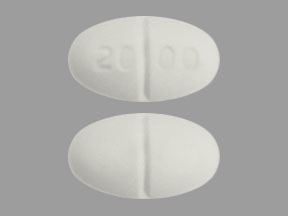
Tablets |
250 mg |
Depen Titratable (scored) |
Meda |
AHFS DI Essentials™. © Copyright 2025, Selected Revisions June 10, 2024. American Society of Health-System Pharmacists, Inc., 4500 East-West Highway, Suite 900, Bethesda, Maryland 20814.
† Off-label: Use is not currently included in the labeling approved by the US Food and Drug Administration.
Reload page with references included
Related/similar drugs
More about penicillamine
- Check interactions
- Compare alternatives
- Pricing & coupons
- Reviews (2)
- Drug images
- Side effects
- Dosage information
- During pregnancy
- Drug class: antirheumatics
- Breastfeeding
- En español