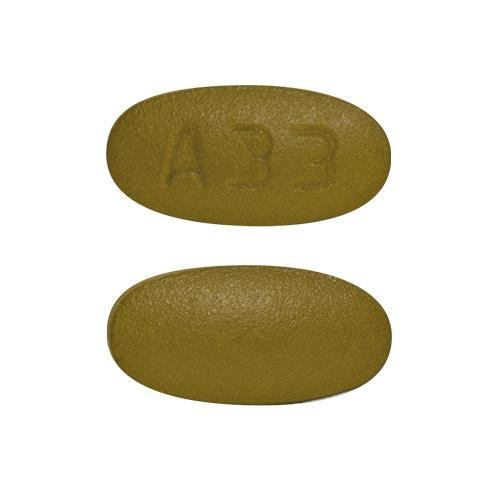
Mifepristone (Monograph)
Brand names: Korlym, Mifeprex
Drug class: Oxytocics
- Abortifacient Agents
- Glucocorticoid-receptor Antagonists
- Progesterone-receptor Antagonists
VA class: HS200
Chemical name: (11-β,17-β)-11-[4-(Dimethylamino)phenyl]-17-hydroxy-17-(1-propynyl)-estra-4,9-dien-3-one
Molecular formula: C29H35NO2
CAS number: 84371-65-3
Warning
Risk Evaluation and Mitigation Strategy (REMS):
FDA approved a REMS for mifepristone (Mifeprex and approved generic tablets) to ensure that the benefits outweigh the risks. The REMS may apply to one or more preparations of mifepristone and consists of the following: elements to assure safe use and implementation system. See https://www.accessdata.fda.gov/scripts/cder/rems/.
Warning
- Mifepristone (Mifeprex)
-
Serious and sometimes fatal bacterial (e.g., Clostridium sordellii) infections and sepsis, which can present without fever, bacteremia, or significant findings on pelvic examination, can occur rarely following spontaneous, surgical, and medical abortions, including use of mifepristone. No causal relationship to mifepristone and misoprostol has been established. Deaths reported very rarely in patients who presented without fever, with or without abdominal pain, but with leukocytosis with a marked left shift, tachycardia, hemoconcentration, and general malaise.
-
Serious and sometimes fatal bleeding can occur rarely following spontaneous, surgical, and medical abortions, including use of mifepristone. No causal relationship to mifepristone and misoprostol has been established. Prolonged heavy uterine bleeding may be a sign of incomplete abortion or other complications; may require prompt medical or surgical intervention.
-
Distribution of mifepristone is restricted because of risks of serious complications. The drug is available only through the mifepristone REMS program.
-
Before prescribing mifepristone, inform patients about risk of serious events, including infection and bleeding.
-
Ensure that patients know whom to call and what to do in the event that sustained fever, severe abdominal pain, prolonged heavy bleeding, or syncope occurs, or if abdominal pain or discomfort or general malaise (including weakness, nausea, vomiting or diarrhea) is experienced for more than 24 hours after taking misoprostol. If patients visit an emergency room or clinician other than the original prescriber, advise patients to present medication guide to alert clinician of recent medical abortion.
- Mifepristone (Korlym)
-
Potent antiprogestational effects of the drug will result in termination of pregnancy. Exclude pregnancy before initiating the drug for management of hyperglycemia in patients with Cushing's syndrome. Women of childbearing potential must use nonhormonal methods of contraception during treatment and for 1 month after discontinuance of the drug, unless the woman has undergone surgical sterilization. Must also exclude pregnancy before reinitiating mifepristone if treatment is interrupted for >14 days.
Introduction
Progesterone- and glucocorticoid-receptor antagonist; a synthetic derivative of norethindrone.
Uses for Mifepristone
Termination of Pregnancy
Mifepristone (Mifeprex and generics): Used in conjunction with misoprostol for termination of intrauterine pregnancy through 70 days of gestation, dated from first day of last menstrual period; duration of pregnancy may be determined by menstrual history or clinical examination, or with an ultrasonographic scan if duration of pregnancy is uncertain or ectopic pregnancy is suspected. Misoprostol must be administered 24–48 hours following mifepristone administration to induce uterine contractions.
The American College of Obstetricians and Gynecologists (ACOG) states that the medication abortion regimen supported by major medical organizations nationally and internationally includes mifepristone and misoprostol; if mifepristone is unavailable, then a misoprostol-only regimen is an acceptable alternative.
Hyperglycemia Secondary to Cushing's Syndrome
Mifepristone (Korlym): Management of hyperglycemia secondary to hypercortisolism in patients with endogenous Cushing's syndrome who have type 2 diabetes mellitus or glucose intolerance and have failed surgery or are not surgical candidates. Designated an orphan drug by FDA for treatment of clinical manifestations of endogenous Cushing's syndrome.
Not indicated for treatment of type 2 diabetes mellitus that is not secondary to Cushing's syndrome.
Mifepristone Dosage and Administration
General
- Termination of Pregnancy (Mifeprex)
-
Mifepristone (Mifeprex and generics) is labeled by FDA for termination of pregnancy and is intended for use by clinicians able to assess the gestational age of an embryo and to diagnose ectopic pregnancy.
-
Medical facilities equipped to provide blood transfusions, resuscitation, and/or surgical intervention must be available during treatment and follow up.
-
Remove any intrauterine contraceptive device (IUD) prior to administration of mifepristone.
- Hyperglycemia Secondary to Cushing's Syndrome (Korlym)
-
Before initiating the drug, exclude pregnancy in women of childbearing potential.
-
Monitor serum potassium concentrations and correct hypokalemia prior to initiation of mifepristone, 1–2 weeks after initiation of therapy or dosage increases, and periodically during therapy.
-
Allow ≥2 weeks to elapse to reach steady state between discontinuance of mifepristone and before initiation or dosage increases of any interacting concomitant drugs.
- Mifepristone REMS Program
-
Mifepristone for termination of pregnancy (Mifeprex and generics) is only available through the Mifepristone Risk Evaluation and Mitigation Strategy (REMS) Program. Goal of the REMS program is to mitigate the risk of serious complications associated with mifepristone when used for medical termination of pregnancy through 10 weeks gestation.
-
Under the Mifepristone REMS, clinicians must be certified to prescribe the drug; pharmacists must be certified to dispense the drug; and patients must review patient agreement form and manufacturer’s medication guide before they can receive the drug.
-
The previous requirement for mifepristone to be dispensed only in certain health care settings (e.g., clinics, medical offices, hospitals) has been removed from the current REMS; certified pharmacies may now dispense mifepristone directly to patients upon receipt of a prescription from a certified prescriber.
-
Consult the Mifepristone REMS Program at 877-432-7596 or [Web] for additional information.
Administration
Oral Administration
Mifeprex and Generics
Administer mifepristone orally as a single dose without regard to meals, followed by intrabuccal administration of misoprostol 24–48 hours later.
Instruct patients to place 2 misoprostol tablets in each side of the mouth between the cheek and gums for 30 minutes, then swallow any remnants with water or another liquid.
Advise patients to take misoprostol in an appropriate setting, taking into account that expulsion of uterine contents could begin ≤2 hours following misoprostol administration. Management of adverse effects (e.g., cramping, GI symptoms) may be needed immediately following misoprostol administration.
Advise patients regarding appropriate actions to take if severe discomfort, excessive vaginal bleeding, or other adverse reactions occur following the mifepristone and misoprostol regimen; provide the name and telephone number of the clinician who will be handling emergencies, and provide a telephone number to call for any questions following the administration of misoprostol.
The manufacturers state that patients must return for a follow-up clinical examination approximately 7–14 days after receiving mifepristone and misoprostol to confirm complete termination of pregnancy and assess severity of any continued bleeding. However, some experts state that routine in-person follow-up is not necessary after uncomplicated medication abortion. May confirm termination of pregnancy by medical history, clinical examination, human chorionic gonadotropin (hCG) testing, or ultrasonographic scan. Persistence of moderate to heavy vaginal bleeding at this follow-up visit could indicate an incomplete abortion. Lack of bleeding following treatment usually indicates treatment failure; prolonged or heavy bleeding is not proof of a complete abortion.
Surgical termination is recommended to manage failure of medical abortion after administration of mifepristone and misoprostol regimen. Debris seen in the uterus on ultrasonography following the regimen will not necessarily require surgery for its removal.
Korlym
Administer orally once daily with a meal. Swallow tablets whole; do not split, crush or chew tablets.
Dosage
Adults
Termination of Pregnancy (Mifeprex and Generics)
Oral
200 mg as a single dose, followed by misoprostol (800 mcg as a single dose given intrabuccally 24–48 hours later). Administration of misoprostol <24 or >48 hours following mifepristone may result in reduced effectiveness.
If complete expulsion of the products of conception does not occur by the time of follow up, and the pregnancy is not ongoing, another intrabuccal dose of misoprostol (800 mcg) may be administered. Uterine rupture has been reported rarely in women receiving mifepristone and misoprostol for termination of pregnancy, including women with prior uterine rupture or scarring and those receiving multiple doses of misoprostol within 24 hours. Instruct patients to return for a follow-up examination 7 days following administration of the repeated misoprostol dose to assess for complete pregnancy termination.
Hyperglycemia Secondary to Cushing's Syndrome (Korlym)
Oral
Initially, 300 mg once daily. May increase daily dosage in 300-mg increments at intervals of 2–4 weeks based on clinical response and tolerability.
To reduce risk of severe adverse effects, titrate dosage carefully and gradually; monitor for adverse effects. In some clinical situations, dosage reduction or discontinuance of therapy may be required. If treatment is interrupted, reinitiate at the lowest daily dosage (i.e., 300 mg once daily). If treatment is interrupted as a result of adverse effects, titrate to a lower dosage.
Changes in glucose control, antidiabetic medication requirements, serum insulin concentration, and psychiatric symptoms may provide an early assessment of response (i.e., ≤6 weeks) and may help guide early dosage titration. Improvements in cushingoid appearance, acne, hirsutism, striae, and body weight occur over a longer period of time and, along with measures of glucose control, may be used to determine dosage adjustments beyond the first 2 months of therapy.
Dosage Modification for Concomitant Use with CYP3A Inhibitors (Korlym)
Oral
Use mifepristone concomitantly with potent inhibitors of CYP3A only when necessary. If concomitant use clinically indicated, do not exceed mifepristone 600 mg daily.
If mifepristone is initiated in a patient already receiving a potent CYP3A inhibitor, recommended starting dosage of mifepristone for management of hyperglycemia secondary to Cushing's syndrome is 300 mg once daily. If clinically indicated, mifepristone dosage may be titrated to a maximum of 600 mg once daily in such patients.
If a potent CYP3A inhibitor is initiated in a patient already receiving mifepristone for management of hyperglycemia secondary to Cushing's syndrome, dosage adjustment of mifepristone may be necessary. In patients already receiving mifepristone 300 mg once daily, no dosage adjustment is required. In those already receiving mifepristone 600 mg once daily, reduce dosage to 300 mg once daily; dosage may be titrated to a maximum of 600 mg once daily if clinically indicated. For patients already receiving mifepristone 900 or 1200 mg once daily, reduce dosage to 600 mg once daily.
Prescribing Limits
Adults
Hyperglycemia Secondary to Cushing's Syndrome (Korlym)
Oral
Maximum 1200 mg once daily; do not exceed 20 mg/kg daily.
Special Populations
Hepatic Impairment
Termination of Pregnancy (Mifeprex)
No specific dosage recommendations at this time.
Hyperglycemia Secondary to Cushing's Syndrome (Korlym)
Mild to moderate hepatic impairment: Maximum 600 mg once daily; initial dosage adjustment not required.
Severe hepatic impairment: Not studied; use in such patients not recommended.
Renal Impairment
Termination of Pregnancy (Mifeprex)
No specific dosage recommendations at this time.
Hyperglycemia Secondary to Cushing's Syndrome (Korlym)
Maximum 600 mg once daily; initial dosage adjustment not required.
Geriatric Patients
Hyperglycemia Secondary to Cushing's Syndrome (Korlym)
No specific dosage recommendations at this time.
Cautions for Mifepristone
Contraindications
- Mifepristone (Mifeprexand Generics):
-
Confirmed or suspected ectopic pregnancy, undiagnosed adnexal mass, or IUD currently in place.
-
Chronic adrenal failure or long-term corticosteroid therapy.
-
Hemorrhagic disorders, inherited porphyrias, or concurrent anticoagulant therapy.
-
Known hypersensitivity to mifepristone, misoprostol, or other prostaglandins.
- Mifepristone (Korlym):
-
Pregnancy.
-
Concomitant use of simvastatin, lovastatin, or other CYP3A substrates with a narrow therapeutic index (e.g., cyclosporine, dihydroergotamine, ergotamine, fentanyl, pimozide, quinidine, sirolimus, tacrolimus).
-
Serious medical condition(s) requiring systemic corticosteroid therapy (e.g., immunosuppression after organ transplantation).
-
Endometrial hyperplasia with atypia, endometrial carcinoma, or history of unexplained vaginal bleeding.
-
Known hypersensitivity to the drug or any components in the formulation.
Warnings/Precautions
Warnings
Fetal/Neonatal Morbidity and Mortality
Mifepristone (Korlym) causes termination of pregnancy and, when used in patients with Cushing's syndrome, is contraindicated during pregnancy. (See Boxed Warning.) In women of childbearing potential, exclude pregnancy prior to initiation of mifepristone and ensure use of effective, nonhormonal contraception during therapy and for 1 month following discontinuance of the drug, unless the woman has undergone surgical sterilization. In addition, reevaluate for pregnancy if therapy is interrupted for >14 days.
If used during pregnancy or if patient becomes pregnant while receiving the drug, inform patient of potential fetal hazard.
Uterine Bleeding
Uterine bleeding occurs in almost all women receiving mifepristone and misoprostol for termination of pregnancy. Bleeding or spotting expected for average of 9–16 days; may last ≥30 days in ≤8% of patients. Serious and sometimes fatal bleeding can occur rarely following spontaneous, surgical, and medical abortions; causal relationship to mifepristone and misoprostol regimen not established. (See Boxed Warning.)
Prolonged heavy uterine bleeding (i.e., soaking through 2 thick full-size sanitary pads per hour for 2 consecutive hours) may indicate incomplete abortion or other complications; may require prompt medical or surgical intervention to prevent hypovolemic shock.
Decreases in hemoglobin concentration, hematocrit, and red blood cell count may occur in women who experience heavy bleeding.
Advise patients to seek immediate medical attention if prolonged heavy uterine bleeding or syncope occurs.
Treat excessive uterine bleeding with uterotonics, vasoconstrictors, saline infusions, and/or blood transfusions or surgical uterine evacuation; caution in patients with hemostatic disorders, hypocoagulability, or severe anemia.
Infection and Sepsis
Serious bacterial infection (including very rare cases of fatal septic shock) reported following termination of pregnancy; causal relationship to mifepristone and misoprostol regimen not established. (See Boxed Warning.)
Serious bacterial (e.g., C. sordellii) infection and sepsis can present without fever, bacteremia, or substantial findings on pelvic examination. Deaths reported very rarely in patients who presented without fever, with or without abdominal pain, but with leukocytosis with a marked left shift, tachycardia, hemoconcentration, and general malaise. These deaths occurred in women who received intravaginal misoprostol; causal relationship to risk of infection or death not established. C. sordellii infections also reported very rarely following childbirth (vaginal delivery and cesarean section) and in other gynecologic and nongynecologic conditions.
Maintain a high index of suspicion to rule out serious infection and sepsis if sustained fever (temperature ≥38°C persisting for >4 hours), severe abdominal pain, or pelvic tenderness occurs within several days of medical abortion, or if abdominal pain/discomfort or general malaise (including weakness, nausea, vomiting, or diarrhea), with or without fever, occurs >24 hours after administration of misoprostol.
The American College of Obstetricians and Gynecologists (ACOG) states that routine use of prophylactic antibiotics is not recommended in patients undergoing medical abortion; there is no evidence of a specific connection between clostridial organisms and medical abortion.
Other Warnings and Precautions
Ectopic Pregnancy
Mifepristone is not effective for termination of ectopic pregnancy. Consider possibility that ectopic pregnancy may be present; some of the expected symptoms experienced with a medical abortion (abdominal pain, uterine bleeding) may be similar to those of a ruptured ectopic pregnancy.
Evaluate patients who became pregnant with an IUD in place for ectopic pregnancy.
Adrenal Insufficiency
Adrenal insufficiency possible in patients with Cushing's syndrome receiving mifepristone (Korlym). Serum cortisol concentrations remain elevated and may increase during mifepristone therapy and are not a reliable parameter for assessment of adrenal insufficiency. Closely monitor for manifestations of adrenal insufficiency (e.g., weakness, nausea, increased fatigue, hypotension, hypoglycemia).
Immediately discontinue mifepristone if adrenal insufficiency is suspected and initiate glucocorticoid therapy; evaluate for precipitating causes of adrenal insufficiency (e.g., infection, trauma). High dosages of glucocorticoid may be necessary to overcome glucocorticoid-receptor blockade produced by mifepristone. Take into account the long half-life of mifepristone (85 hours) when calculating duration of glucocorticoid therapy. May resume mifepristone at a reduced dosage upon resolution of adrenal insufficiency.
Hypokalemia
Hypokalemia reported in patients with Cushing's syndrome receiving mifepristone (Korlym); can occur at any time during therapy. Monitor and correct serum potassium concentrations prior to initiating mifepristone in patients with Cushing's syndrome, 1–2 weeks after initiation of therapy or dosage increases, and periodically during therapy. Treat hypokalemia with IV or oral potassium supplementation based on severity. If hypokalemia persists despite potassium supplementation, consider addition of mineralocorticoid (aldosterone) antagonist therapy.
Vaginal Bleeding and Endometrial Changes
Endometrial thickening, cystic dilatation of endometrial glands, and uterine bleeding may occur in women receiving mifepristone who are not undergoing medical abortion. If vaginal bleeding occurs unexpectedly in a woman receiving mifepristone (Korlym) for management of hyperglycemia secondary to Cushing's syndrome, refer patient to a gynecologist for further evaluation.
Uterine rupture reported rarely in women receiving mifepristone and misoprostol regimen for termination of pregnancy, including women with prior uterine rupture or scarring and women who received multiple doses of misoprostol within 24 hours.
Prolongation of QT Interval
QT-interval prolongation may occur; effect is dose related. Limited data available on the effects of high mifepristone dosages, concomitant use with other drugs that prolong the QT interval, or use in patients with long QT interval.
Manufacturer of mifepristone (Korlym) states use lowest possible effective dosage to minimize risk of QT-interval prolongation. Avoid use in patients with potassium channel variants resulting in a long QT interval. Also avoid concomitant use with drugs that prolong the QT interval.
Exacerbation/Deterioration of Conditions Treated with Corticosteroids
May cause exacerbation or deterioration of conditions treated with corticosteroid therapy (e.g., autoimmune disorders). Use for management of hyperglycemia secondary to Cushing's syndrome contraindicated in patients with conditions where corticosteroid therapy is considered lifesaving (e.g., immunosuppression in organ transplantation).
Concomitant Use with Potent CYP3A Inhibitors
Use mifepristone (Korlym) with caution in patients receiving ketoconazole or other potent inhibitors of CYP3A, since concomitant use may increase mifepristone systemic exposure. Carefully weigh benefits of such concomitant use against potential risks. Use mifepristone concomitantly with potent CYP3A inhibitors only when necessary; if concomitant use clinically warranted, do not exceed mifepristone 600 mg once daily.
Suppression of Rh Isoimmunization
As with surgical abortion, consider administration of Rho(D) immune globulin in Rho(D)-negative women who receive mifepristone and misoprostol regimen for medical abortion.
Death
As of December 31, 2018, 24 deaths reported in women receiving mifepristone (Mifeprex) for the medical termination of pregnancy, including 2 cases of ectopic pregnancy. Several cases of sepsis reported that also resulted in some fatalities. Causal relationship to the drug not established because of concomitant use of other drugs, other medical or surgical treatments, concurrent medical conditions, and lack of information about the patient's health status and clinical management.
Pending further investigation, be aware of specific circumstances and directions for use as well as risks (e.g., sepsis) associated with mifepristone.
Inform patients of early manifestations that may warrant immediate medical evaluation.
Pneumocystis jirovecii Pneumonia
Increased risk of opportunistic infections such as Pneumocystis jirovecii (formerly known as Pneumocystis carinii) pneumonia (PCP) in patients with endogenous Cushing's syndrome treated with mifepristone (Korlym). Closely monitor patients for possible PCP, including respiratory distress early in treatment, and treat appropriately if PCP is diagnosed.
Effects of Hypercortisolism
In patients with Cushing's syndrome, serum cortisol concentrations remain elevated and may increase during mifepristone therapy. Elevated serum cortisol concentrations may activate mineralocorticoid (aldosterone) receptors that are expressed in cardiac tissues. Use with caution in patients with underlying cardiac conditions (e.g., heart failure, coronary vascular disease).
Specific Populations
Pregnancy
Mifepristone (Mifeprex): Used in conjunction with misoprostol for termination of pregnancy (through 70 days of gestation); no other FDA-approved indication for use in pregnancy. Contraindicated in women with confirmed or suspected ectopic pregnancy.
Mifepristone (Korlym): Contraindicated in pregnancy.
Lactation
Distributed into milk at low to undetectable concentrations; estimated weight-adjusted infant dose in milk ≤0.5% of maternal dose.
Mifepristone (Mifeprex): Data not available on effects of mifepristone and misoprostol regimen for termination of pregnancy on a breast-fed infant or on milk production. Consider developmental and health benefits of breast-feeding along with any potential adverse effects on the breast-fed child from mifepristone and misoprostol regimen.
Mifepristone (Korlym): Discontinue nursing or the drug.
Pediatric Use
Mifepristone (Mifeprex): Safety and efficacy for termination of pregnancy established in pregnant females, including those <17 years of age.
Mifepristone (Korlym): Safety and efficacy for management of hyperglycemia secondary to Cushing's syndrome not established in pediatric patients.
Geriatric Use
Mifepristone (Korlym): Insufficient experience in patients ≥65 years of age to determine whether they respond differently than younger adults.
Hepatic Impairment
High interpatient variability in pharmacokinetics of mifepristone in patients with moderate hepatic impairment.
Mifepristone (Korlym): Limited safety data in patients with hepatic impairment; lower maximum dosage recommended for management of patients with Cushing's disease and mild or moderate hepatic impairment. Not studied in patients with severe hepatic impairment.
Renal Impairment
Systemic exposure may be increased.
Mifepristone (Korlym): Lower maximum dosage recommended for management of patients with Cushing's syndrome and renal impairment.
Common Adverse Effects
Mifepristone (Mifeprex): Nausea, weakness, fever/chills, vomiting, headache, diarrhea, dizziness. Note that vaginal bleeding and abdominal pain/cramping are expected effects.
Mifepristone (Korlym): Nausea, fatigue, headache, hypokalemia, arthralgia, vomiting, peripheral edema, hypertension, dizziness, decreased appetite, endometrial hypertrophy.
Drug Interactions
Principally metabolized by CYP3A4.
In vitro, inhibits and induces CYP3A and inhibits CYP 2C8, 2C9, and 2B6.
Because of the long half-life of mifepristone at steady state, allow ≥2 weeks between discontinuance of mifepristone (i.e., management of hyperglycemia secondary to Cushing's syndrome) and initiation or dosage increases of any interacting concomitant drugs.
Drugs Affecting Hepatic Microsomal Enzymes
Potent inhibitors of CYP3A: Potential pharmacokinetic interaction (increased mifepristone concentrations). Use such therapy with caution and only when necessary. If concomitant use of a potent CYP3A inhibitor is clinically warranted in patients with Cushing's syndrome, maximum recommended mifepristone (Korlym) dosage is 600 mg once daily.
Inducers of CYP3A: Potential pharmacokinetic interaction (decreased plasma mifepristone concentrations). Avoid concomitant use of daily mifepristone and CYP3A inducers in patients with Cushing's syndrome.
Drugs Metabolized by Hepatic Microsomal Enzymes
In vitro studies indicate potential drug interactions with substrates of CYP 1A2, 2A6, 2B6, 2C8, 2C9, 2C19, 2D6, 2E1, and 3A4.
Substrates of CYP3A: Potential pharmacokinetic interaction (increased CYP3A substrate concentrations). Concomitant use of daily mifepristone (i.e., for use in patients with Cushing's syndrome) with CYP3A substrates having a narrow therapeutic index is contraindicated. Use caution if single-dose mifepristone (i.e., for termination of pregnancy) is administered concomitantly with drugs that are CYP3A4 substrates having a narrow therapeutic index.
Drugs that undergo extensive first-pass metabolism by CYP3A: Potential pharmacokinetic interaction; use with extreme caution in patients receiving daily mifepristone. Avoid or use lowest effective dosage of the CYP3A substrate; therapeutic drug monitoring of the CYP3A substrate recommended when possible. Alternative to such CYP3A substrates also advised for concomitant use with daily mifepristone when possible.
Drugs that undergo minimal first-pass metabolism by CYP3A or are metabolized by CYP3A to a lesser extent: Potential pharmacokinetic interaction. With concomitant use of daily mifepristone, use lowest effective dosage of the CYP3A substrate and monitor for adverse effects; therapeutic drug monitoring of the CYP3A substrate recommended when possible.
Substrates of CYP2B6: Potential pharmacokinetic interaction (increased systemic exposure of substrate). Use concomitantly with caution.
Substrates of CYP2C8 and/or CYP2C9: Potential pharmacokinetic interaction (increased systemic exposure of substrate). If used concomitantly with daily mifepristone, use lowest effective dosage of the CYP2C8 and/or CYP2C9 substrate and monitor for adverse effects.
Substrates of P-glycoprotein or Breast Cancer Resistance Protein Transport Systems
Potential interaction with drugs transported by P-glycoprotein (P-gp) and breast cancer resistance protein (BCRP).
Drugs that Prolong the QT Interval
Potential pharmacologic interaction; effects not known. Avoid concomitant use.
Specific Drugs and Foods
|
Drug or Food |
Interaction |
Comments |
|---|---|---|
|
Antifungals, azoles (itraconazole, ketoconazole, posaconazole, voriconazole) |
Possible increased mifepristone concentrations |
Ketoconazole, itraconazole, posaconazole, voriconazole: If concomitant use cannot be avoided, maximum mifepristone dosage is 600 mg once daily Fluconazole: Use with caution; mifepristone daily dosage reduction may be required |
|
Antiretroviral agents, HIV protease inhibitors (atazanavir, fosamprenavir, indinavir, lopinavir/ritonavir, nelfinavir, ritonavir, saquinavir) |
Possible increased mifepristone concentrations |
Potent CYP3A inhibitors: If concomitant use cannot be avoided, maximum mifepristone dosage is 600 mg once daily |
|
Benzodiazepines (alprazolam, midazolam, triazolam) |
Alprazolam: Increased systemic exposure of alprazolam by 80% and decreased systemic exposure of 4-hydroxy-alprazolam by 24% Midazolam, triazolam: Possible change in pharmacokinetics of drugs that undergo extensive first-pass metabolism via CYP3A |
Alprazolam with daily mifepristone: Use lowest effective alprazolam dosage; monitor for adverse effects Midazolam, triazolam: If concomitant use with daily mifepristone cannot be avoided, use lowest effective dosage of the CYP3A substrate; therapeutic drug monitoring recommended when possible |
|
Bupropion |
Possible increased bupropion systemic exposure |
Use daily mifepristone concomitantly with caution |
|
Carbamazepine |
Possible decreased mifepristone concentrations |
Avoid concomitant use with daily mifepristone |
|
Cimetidine |
Slightly decreased peak plasma concentration and systemic exposure of mifepristone |
No dosage adjustment necessary |
|
Cyclosporine |
Possible increased cyclosporine systemic exposure |
Concomitant use with daily mifepristone contraindicated |
|
Dexamethasone |
Possible decreased mifepristone concentrations |
|
|
Digoxin |
Increased systemic exposure and peak plasma concentration of digoxin by 1.4- and 1.6-fold, respectively |
Monitor plasma digoxin concentrations after 1–2 weeks of concomitant use and periodically as appropriate |
|
Efavirenz |
Possible increased efavirenz systemic exposure |
Use daily mifepristone concomitantly with caution |
|
Ergot alkaloids (dihydroergotamine, ergotamine) |
Possible increased systemic exposure of dihydroergotamine or ergotamine |
Concomitant use with daily mifepristone contraindicated |
|
Fentanyl |
Possible increased fentanyl systemic exposure |
Concomitant use with daily mifepristone contraindicated |
|
Grapefruit juice |
Possible increased mifepristone concentrations |
Avoid concomitant use with daily mifepristone |
|
HMG-CoA reductase inhibitors (statins) |
Fluvastatin: Increased systemic exposure of fluvastatin by approximately 3.6-fold Simvastatin: Increased systemic exposure of simvastatin and simvastatin acid by approximately 10- and 16-fold, respectively |
Fluvastatin with daily mifepristone: Use lowest effective fluvastatin dosage; monitor for adverse effects Lovastatin, simvastatin: Concomitant use with daily mifepristone contraindicated |
|
Hormonal Contraceptives |
Possible reduced efficacy |
Nonhormonal contraceptive methods recommended in women of childbearing potential receiving daily mifepristone |
|
Macrolides (clarithromycin) |
Possible increased mifepristone concentrations |
Potent CYP3A inhibitors: If concomitant use cannot be avoided, maximum mifepristone dosage is 600 mg once daily |
|
NSAIAs |
Possible increased NSAIA systemic exposure |
With daily mifepristone: Use lowest effective NSAIA dosage; monitor for adverse effects |
|
Phenobarbital |
Possible decreased mifepristone concentrations |
Avoid concomitant use with daily mifepristone |
|
Phenytoin |
Possible decreased serum mifepristone concentrations |
Avoid concomitant use with daily mifepristone |
|
Pimozide |
Possible increased pimozide systemic exposure |
Concomitant use with daily mifepristone contraindicated |
|
Quinidine |
Possible increased quinidine systemic exposure |
Concomitant use with daily mifepristone contraindicated |
|
Repaglinide |
Possible increased repaglinide systemic exposure |
With daily mifepristone: Use lowest effective repaglinide dosage; monitor for adverse effects |
|
Rifampin |
Possible decreased mifepristone concentrations |
Avoid concomitant use with daily mifepristone |
|
Sildenafil |
Possible change in pharmacokinetics of drugs that undergo extensive first-pass metabolism via CYP3A |
If concomitant use with daily mifepristone cannot be avoided, use lowest effective sildenafil dosage; therapeutic drug monitoring recommended when possible |
|
Sirolimus |
Possible increased sirolimus systemic exposure |
Concomitant use with daily mifepristone contraindicated |
|
St. John’s wort (Hypericum perforatum) |
Possible decreased mifepristone concentrations |
Avoid concomitant use with daily mifepristone |
|
Tacrolimus |
Possible increased tacrolimus systemic exposure |
Concomitant use with daily mifepristone contraindicated |
|
Warfarin |
Possible increased warfarin systemic exposure |
With daily mifepristone: Use lowest effective warfarin dosage; monitor for adverse effects |
Mifepristone Pharmacokinetics
Absorption
Bioavailability
Rapidly absorbed from GI tract following oral administration. Absolute bioavailability of a single 20-mg dose in women of childbearing age is 69%.
Peak plasma concentrations attained in approximately 45 and 90 minutes following single 200- and 600-mg oral doses of mifepristone (Mifeprex), respectively, and 1–2 and 1–4 hours following single and multiple 600-mg oral doses of mifepristone (Korlym), respectively. Peak plasma concentrations of the active metabolites occur 2–8 hours following multiple 600-mg oral doses of mifepristone (Korlym).
Food
Administration with food substantially increases plasma concentrations of mifepristone.
Distribution
Extent
Distributed into milk and other tissues, including CNS.
Plasma Protein Binding
98–99% (mainly albumin and α1-acid glycoprotein).
Elimination
Metabolism
Extensively metabolized in the liver by CYP3A4 to 3 major active metabolites.
Elimination Route
Excreted in feces (approximately 83–90%) and in urine (9%).
Half-life
Mifepristone (Mifeprex): Initial elimination half-life is 12–72 hours; terminal elimination half-life is 18 hours.
Mifepristone (Korlym): 85 hours following multiple doses of 600 mg daily.
Stability
Storage
Oral
Tablets
Mifeprex, Korlym: 25°C (may be exposed to 15–30°C).
Actions
-
Selective antagonist of the progesterone receptor at lower dosages (≥1 mg/kg); exhibits antiglucocorticoid activity at higher dosages (≥4.5 mg/kg).
-
Binds to progesterone receptor, antagonizing endometrial and myometrial effects of progesterone, resulting in down-regulation of progesterone-dependent genes. Inhibition of progesterone in pregnancy results in detachment of conception product and pregnancy termination. Also promotes uterine contractions and softening of cervix.
-
Sensitizes myometrium to effects of prostaglandins (e.g., misoprostol) that stimulate uterine contractions and expulsion of the products of conception.
-
Acts as a glucocorticoid-receptor antagonist but exhibits little affinity for the mineralocorticoid (aldosterone) receptor.
-
Exhibits weak antiandrogenic activity; possesses little to no affinity for estrogen, muscarinic, histamine, or monoamine receptors.
Advice to Patients
-
Importance of advising patients receiving mifepristone (Mifeprex and generics) in conjunction with misoprostol for termination of pregnancy to read the medication guide and to read and sign the patient agreement form before receiving the drug . If visiting an emergency room or clinician other than the original prescriber, present medication guide to alert clinician of recent medical abortion.
-
For termination of pregnancy, importance of taking misoprostol 24–48 hours after receiving mifepristone (Mifeprex), and following up with a clinician approximately 7–14 days following the mifepristone and misoprostol regimen.
-
Importance of understanding procedures for emergency situations and of obtaining a telephone number for emergency contact with clinicians.
-
Vaginal bleeding is not proof of complete abortion. Possible need for surgical intervention if complete abortion does not occur following mifepristone and misoprostol regimen. Unknown risk of fetal malformation if pregnancy continues.
-
Risk of severe infection and bleeding following termination of pregnancy. Contact clinician (or visit emergency room if clinician is unavailable) if sustained fever (temperature ≥38°C persisting for >4 hours), severe abdominal pain, or prolonged heavy bleeding (soaking through 2 thick full-size sanitary pads per hour for 2 consecutive hours) occurs or if abdominal pain/discomfort or general malaise (including weakness, nausea, vomiting, or diarrhea), with or without fever, occurs >24 hours after administration of misoprostol.
-
Importance of initiating contraception immediately after confirmation of abortion or before resuming sexual intercourse; risk of pregnancy exists immediately after termination of existing pregnancy and before normal menses begin.
-
Importance of advising patients receiving mifepristone for management of Cushing's syndrome (Korlym) to read the medication guide.
-
Importance of informing patients that mifepristone causes termination of pregnancy. Necessity of women of childbearing potential receiving mifepristone (Korlym) for management of hyperglycemia secondary to Cushing's syndrome to avoid pregnancy and to use effective nonhormonal methods of contraception while receiving mifepristone and for at least 1 month following discontinuance of the drug. Importance of patients informing their clinicians if they are or suspect they may be pregnant.
-
Potential risk of adrenal insufficiency when used in patients with Cushing's syndrome. Contact clinician if manifestations of adrenal insufficiency (e.g., nausea, fatigue, weakness, hypotension, hypoglycemia) develop.
-
Potential risk of hypokalemia when used in patients with Cushing's syndrome. Contact clinician if manifestations of hypokalemia (e.g., muscle weakness, aches, cramps, palpitations) occur.
-
Importance of women with Cushing's syndrome who are receiving mifepristone to contact a clinician if unusual vaginal bleeding occurs.
-
Importance of informing clinicians of existing or contemplated concomitant therapy, including prescription and OTC drugs (e.g., corticosteroids, cyclosporine, fentanyl, lovastatin, simvastatin) and dietary or herbal supplements (e.g., St. John's wort), as well as any concomitant illnesses (e.g., hepatic or renal impairment, cardiovascular disease).
-
Importance of women informing their clinician if they are breast-feeding.
-
Importance of informing patients of other important precautionary information. (See Cautions.)
Additional Information
The American Society of Health-System Pharmacists, Inc. represents that the information provided in the accompanying monograph was formulated with a reasonable standard of care, and in conformity with professional standards in the field. Readers are advised that decisions regarding use of drugs are complex medical decisions requiring the independent, informed decision of an appropriate health care professional, and that the information contained in the monograph is provided for informational purposes only. The manufacturer’s labeling should be consulted for more detailed information. The American Society of Health-System Pharmacists, Inc. does not endorse or recommend the use of any drug. The information contained in the monograph is not a substitute for medical care.
Preparations
Excipients in commercially available drug preparations may have clinically important effects in some individuals; consult specific product labeling for details.
Please refer to the ASHP Drug Shortages Resource Center for information on shortages of one or more of these preparations.
Distribution of mifepristone (Mifeprex and generics) is restricted. The drug can be obtained only through the Mifepristone REMS program.
Mifepristone (Korlym) is available through a designated specialty pharmacy. Information regarding distribution of the drug is available from the manufacturer at 855-456-7596 or [Web].
* available from one or more manufacturer, distributor, and/or repackager by generic (nonproprietary) name
|
Routes |
Dosage Forms |
Strengths |
Brand Names |
Manufacturer |
|---|---|---|---|---|
|
Oral |
Tablets |
200 mg* |
Mifeprex |
Danco |
|
Mifepristone Tablets |
||||
|
300 mg |
Korlym |
Corcept Therapeutics |
AHFS DI Essentials™. © Copyright 2025, Selected Revisions January 18, 2023. American Society of Health-System Pharmacists, Inc., 4500 East-West Highway, Suite 900, Bethesda, Maryland 20814.
Reload page with references included
Related/similar drugs
More about mifepristone
- Check interactions
- Compare alternatives
- Pricing & coupons
- Reviews (5)
- Drug images
- Side effects
- Dosage information
- During pregnancy
- Drug class: progesterone receptor modulators
- Breastfeeding
- En español
Patient resources
- Mifepristone drug information
- Mifepristone Tablets (For Ending Early Pregnancy)
- Mifepristone Tablets (For High Blood Sugar)