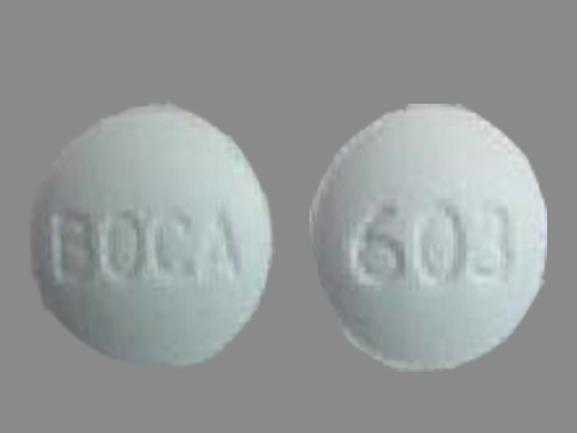
Methscopolamine (Monograph)
Brand name: Pamine
Drug class: Antimuscarinics/Antispasmodics
VA class: AU350
Chemical name: [7(S)-1α,2β,4β,5α,7β]-7-(3-hydroxy-1-oxo-2-phenylpropoxy)-9,9-dimethyl-3-oxa-9-azoniatricyclo[3,3,1,02,4] nonane bromide
Molecular formula: C18H24BrNO4
CAS number: 155-41-9
Introduction
Antimuscarinic; semisynthetic quaternary ammonium derivative of scopolamine.
Uses for Methscopolamine
Peptic Ulcer Disease
Adjunctive therapy in the treatment of peptic ulcer disease; however, no conclusive data that antimuscarinics aid in the healing, decrease the rate of recurrence, or prevent complications of peptic ulcers.
With the advent of more effective therapies for the treatment of peptic ulcer disease, antimuscarinics have only limited usefulness in this condition.
Methscopolamine Dosage and Administration
Administration
Administer orally 30 minutes before meals and at bedtime.
Dosage
Available as methscopolamine bromide; dosage expressed in terms of the salt.
As with other antimuscarinics, may require a higher than recommended dosage for therapeutic effect. Titrate dosage carefully according to individual requirements and response. Administer lowest effective dosage to minimize risk and occurrence of adverse effects.
Pediatric Patients
Peptic Ulcer Disease† [off-label]
Oral
0.2 mg/kg or 6 mg/m2 daily in 4 equally divided doses has been recommended by some clinicians. (See Pediatric Use under Cautions.)
Adults
Peptic Ulcer Disease
Oral
Initially, 2.5 mg 3 times daily before meals and 2.5–5 mg at bedtime. Manufacturer states that an initial total daily dosage of 12.5 mg is effective in most patients.
Patients with severe symptoms (e.g., abdominal pain, cramping): Initially, 5 mg 3 times daily before meals and once at bedtime (total daily dosage of 20 mg). If patient experiences adverse effects, reduce dosage; if symptoms are unrelieved and there are no adverse effects, may increase dosage. Some patients may tolerate a total daily dosage up to 30 mg.
Patients who experience severe adverse effects without appreciable relief of symptoms should be considered unsuitable candidates for continued therapy and likely will be intolerant of other antimuscarinics. If methscopolamine is used in patients with a history of increased susceptibility to adverse effects from antimuscarinics, initiate drug at a low dosage.
Special Populations
No special population dosage recommendations at this time.
Related/similar drugs
famotidine, pantoprazole, Protonix, Pepcid, hyoscyamine, glycopyrrolate
Cautions for Methscopolamine
Contraindications
-
Glaucoma (to avoid mydriasis).
-
Obstructive uropathy (e.g., bladder neck obstruction caused by prostatic hypertrophy).
-
Obstructive GI disease (e.g., pyloroduodenal stenosis, paralytic ileus).
-
Intestinal atony (especially in geriatric and debilitated patients).
-
Unstable cardiovascular status in acute hemorrhage.
-
Severe ulcerative colitis or toxic megacolon complicating ulcerative colitis.
-
Myasthenia gravis.
-
Known hypersensitivity to methscopolamine or to similar drugs.
Warnings/Precautions
Warnings
Thermoregulatory Effects
High environmental temperatures may result in heat prostration (e.g., fever, heat stroke) due to decreased sweating.
Diarrhea
May be an early sign of incomplete intestinal obstruction, especially in patients with ileostomy or colostomy. Do not use in such patients; use would be inappropriate and possibly harmful.
CNS Effects
Risk of drowsiness or blurred vision. Performance of activities requiring mental alertness (e.g., operating machinery, driving a motor vehicle, performing hazardous work) may be impaired. (See Advice to Patients.)
Overdosage
A curare-like action may occur (i.e., neuromuscular blockade leading to muscular weakness and possible paralysis).
Sensitivity Reactions
Hypersensitivity Reactions
Severe allergic reactions and drug idiosyncrasies including anaphylaxis have been reported.
General Precautions
GI Effects
Caution in patients with gastric ulcer because of delayed gastric emptying and possible antral stasis.
Caution in patients with ulcerative colitis; large doses may suppress intestinal motility, resulting in paralytic ileus and toxic megacolon.
Caution in patients with known or suspected GI infections (e.g., Clostridium difficile-associated diarrhea and colitis, shigellosis, dysentery).
Concomitant Illnesses
Use with caution in patients with hyperthyroidism, autonomic neuropathy, CHD, CHF, tachyarrhythmia, hypertension, or prostatic hypertrophy.
Laboratory Monitoring
Perform radiography (contrast examination of upper GI tract) or endoscopy to ensure ulcer healing during therapy.
Perform periodic hematocrit and hemoglobin tests and test for occult blood in stool during therapy to rule out bleeding from the ulcer.
Specific Populations
Pregnancy
Category C.
Lactation
Not known whether methscopolamine is distributed into human milk. Caution if used in nursing women.
May suppress lactation.
Pediatric Use
Safety and efficacy not established.
Geriatric Use
Use with caution.
Hepatic Impairment
Use with caution in patients with hepatic disease.
Renal Impairment
Use with caution in patients with renal disease.
Common Adverse Effects
Xerostomia, decreased sweating, adverse ocular effects (e.g., blurred vision, mydriasis, cycloplegia, increased ocular tension).
Drug Interactions
Drugs with Anticholinergic Effects
Additive adverse effects resulting from cholinergic blockade (e.g., xerostomia, blurred vision, constipation). Advise of possibility of increased anticholinergic effects.
Orally Administered Drugs
Potential pharmacokinetic interaction (altered GI absorption of various drugs). Antimuscarinics may inhibit GI motility, delay gastric emptying, and prolong GI transit time.
Specific Drugs
|
Drug |
Interaction |
Comments |
|---|---|---|
|
Amantadine |
Possible additive adverse anticholinergic effects |
Inform patient of possibility |
|
Antacids |
Possible decreased absorption of methscopolamine |
Administer methscopolamine at least 1 hour before antacids |
|
Antiarrhythmic agents (e.g., disopyramide, procainamide, quinidine) |
Possible additive adverse anticholinergic effects |
Inform patient of possibility |
|
Anticholinergic agents |
Risk of additive adverse anticholinergic effects |
Inform patient of risk |
|
Antidepressants, tricyclic |
Possible additive adverse anticholinergic effects |
Inform patient of possibility |
|
Antihistamines |
Possible additive adverse anticholinergic effects |
Inform patient of possibility |
|
Antiparkinsonian agents |
Possible additive adverse anticholinergic effects |
Inform patient of possibility |
|
Corticosteroids |
Possible increased IOP |
|
|
Ketoconazole |
Possible decreased ketoconazole absorption |
Administer antimuscarinic ≥2 hours after ketoconazole |
|
Levodopa |
Possible increased gastric levodopa metabolism, resulting in decreased levodopa absorption |
Possible levodopa toxicity if antimuscarinic is discontinued without a concomitant reduction in levodopa dosage |
|
Meperidine |
Possible additive adverse anticholinergic effects |
Inform patient of possibility |
|
Phenothiazines |
Possible additive adverse anticholinergic effects |
Inform patient of possibility |
|
Potassium chloride |
Antimuscarinics may slow GI transit, increasing risk of potassium chloride GI mucosal toxicity |
Administer concomitantly with caution (especially with wax matrix potassium chloride preparations) |
|
Skeletal muscle relaxants |
Possible additive adverse anticholinergic effects |
Inform patient of possibility |
Methscopolamine Pharmacokinetics
Absorption
Bioavailability
Incompletely absorbed from the GI tract because completely ionized.
Onset
Following oral administration, drug effects occur in about 1 hour.
Duration
Effects persist 4–6 hours after oral administration.
Distribution
Extent
Quaternary ammonium antimuscarinics are completely ionized and possess poor lipid solubility; do not readily cross blood-brain barrier or penetrate the CNS or eye.
Not known whether methscopolamine crosses the placenta or is distributed into human milk.
Elimination
Elimination Route
Principally in urine and bile (as unchanged drug and metabolites) and in feces (as unabsorbed drug).
Stability
Storage
Oral
Tablets
Tight containers at 15–30°C.
Actions
-
Competitively inhibits acetylcholine or other cholinergic stimuli at autonomic effectors innervated by postganglionic cholinergic nerves and, to a lesser extent, on smooth muscles that lack cholinergic innervation.
-
At usual doses, antimuscarinics principally antagonize cholinergic stimuli at muscarinic receptors and have little or no effect on cholinergic stimuli at nicotinic receptors.
-
Antimuscarinics also have been referred to as anticholinergics (cholinergic blocking agents), but this term is appropriate only when it describes the antagonism of cholinergic stimuli at any cholinergic receptor, whether muscarinic or nicotinic.
-
Antimuscarinics also have been referred to as parasympatholytics since the antagonized functions principally are under the parasympathetic division of the nervous system.
-
Methscopolamine reduces volume and total acid content of gastric secretions.
-
Inhibits GI motility and salivary excretion.
-
Dilates the pupil and inhibits accommodation.
Advice to Patients
-
Potential for hyperthermia and heat prostration; avoid exposure to high environmental temperature and use with caution when febrile.
-
Risk of drowsiness or blurred vision; exercise caution when performing activities requiring mental alertness (e.g., driving a motor vehicle, operating machinery) or when performing other hazardous work.
-
Importance of informing clinicians of existing or contemplated concomitant therapy, including prescription and OTC drugs, as well as any concomitant illnesses.
-
Importance of women informing clinicians if they are or plan to become pregnant or plan to breast-feed.
-
Importance of informing patients of other important precautionary information. (See Cautions.)
Preparations
Excipients in commercially available drug preparations may have clinically important effects in some individuals; consult specific product labeling for details.
Please refer to the ASHP Drug Shortages Resource Center for information on shortages of one or more of these preparations.
* available from one or more manufacturer, distributor, and/or repackager by generic (nonproprietary) name
|
Routes |
Dosage Forms |
Strengths |
Brand Names |
Manufacturer |
|---|---|---|---|---|
|
Oral |
Tablets |
2.5 mg* |
Methscopolamine Bromide Tablets |
|
|
Pamine |
Kenwood |
|||
|
5 mg* |
Methscopolamine Bromide Tablets |
|||
|
Pamine Forte |
Kenwood |
AHFS DI Essentials™. © Copyright 2024, Selected Revisions November 4, 2015. American Society of Health-System Pharmacists, Inc., 4500 East-West Highway, Suite 900, Bethesda, Maryland 20814.
† Off-label: Use is not currently included in the labeling approved by the US Food and Drug Administration.
Reload page with references included
More about methscopolamine
- Check interactions
- Compare alternatives
- Pricing & coupons
- Reviews (16)
- Drug images
- Side effects
- Dosage information
- During pregnancy
- Drug class: anticholinergics/antispasmodics
- Breastfeeding
- En español