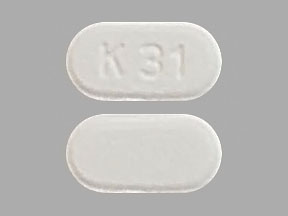
Ezetimibe (Monograph)
Brand name: Zetia
Drug class: Cholesterol Absorption Inhibitors
VA class: CV350
Chemical name: [3R-[3α(S*),4β]]-1-(4-fluorophenyl)-3-[3-(4-fluorophenyl)-3-hydroxypropyl]-4-(4-hydroxyphenyl)-2-azetidinone
Molecular formula: C24H21F2NO3
CAS number: 163222-33-1
Introduction
Antilipemic agent; cholesterol absorption inhibitor.
Uses for Ezetimibe
Dyslipidemias
Used alone or in combination with a hydroxymethylglutaryl-coenzyme A (HMG-CoA) reductase inhibitor (statin) as an adjunct to dietary therapy to decrease elevated serum total cholesterol, LDL-cholesterol, apolipoprotein B (apo B), and non-HDL-cholesterol concentrations in the treatment of primary (heterozygous familial and nonfamilial) hyperlipidemia.
Effects on cardiovascular morbidity and mortality not established.
Efficacy in patients with Fredrickson type I, III, IV, or V dyslipidemias not established.
Fixed-combination preparation containing ezetimibe and simvastatin (e.g., Vytorin) is used as an adjunct to dietary therapy to decrease elevated serum total cholesterol, LDL-cholesterol, apo B, triglyceride, and non-HDL-cholesterol concentrations, and to increase HDL-cholesterol concentrations in the treatment of primary hyperlipidemia or mixed dyslipidemia. In the IMPROVE-IT study, addition of ezetimibe to simvastatin therapy further reduced LDL cholesterol and improved cardiovascular outcomes in post-acute coronary syndrome (ACS) patients. In the SHARP study, fixed-combination preparation of simvastatin and ezetimibe reduced risk of major vascular and atherosclerotic events in patients with chronic kidney disease.
May be used in combination with fenofibrate for incremental effects on serum total cholesterol, LDL-cholesterol, apo B, and non-HDL-cholesterol concentrations in patients with mixed dyslipidemia. Use with a fibric acid derivative other than fenofibrate not studied and currently not recommended. (See Specific Drugs under Interactions.)
Produces negligible increases in HDL-cholesterol concentrations.
Fixed-combination preparation containing bempedoic acid and ezetimibe (Nexlizet) used as an adjunct to diet and maximally tolerated statin therapy in patients with heterozygous familial hypercholesterolemia or established atherosclerotic cardiovascular disease (ASCVD) who require additional reduction in LDL-cholesterol concentrations; effects of the fixed-combination preparation on cardiovascular morbidity and mortality not established.
AHA/ACC cholesterol management guidelines state that lifestyle modification is the foundation of ASCVD risk reduction. If pharmacologic therapy is needed, statins are first-line drugs of choice because of their demonstrated benefits in reducing risk of ASCVD. The addition of a nonstatin drug (e.g., ezetimibe, PCSK9 inhibitor) to statin therapy may be considered in certain high-risk patients who require further reduction in LDL-cholesterol concentrations.
Homozygous Familial Hypercholesterolemia
Use in combination with atorvastatin or simvastatin to decrease elevated serum total and LDL-cholesterol concentrations in patients with homozygous familial hypercholesterolemia as an adjunct to other lipid-lowering therapies (e.g., plasma LDL apheresis) or when such therapies are not available.
Effects in patients currently undergoing LDL apheresis compared with those in patients not undergoing the procedure not established. Effects on clinical outcome and modification of other disease parameters (e.g., xanthoma formation, regression of atherosclerosis) not established.
Homozygous Familial Sitosterolemia (Phytosterolemia)
Adjunct to dietary therapy to decrease elevated serum sitosterol and campesterol concentrations in patients with homozygous familial sitosterolemia.
Reductions in sitosterol and campesterol concentrations were consistent between patients receiving ezetimibe with or without bile acid sequestrants.
Effect of reducing plasma concentrations of sitosterol and campesterol on cardiovascular morbidity and mortality not established.
Ezetimibe Dosage and Administration
General
-
Patients should be placed on a standard cholesterol-lowering diet before initiation of ezetimibe therapy and should remain on this diet during treatment with the drug.
-
Periodically reinforce adherence to lifestyle modifications. Antilipemic therapy is an adjunct to, not a substitute for, lifestyle modifications that reduce the risk of ASCVD.
Administration
Oral Administration
Administer orally without regard to meals.
Combination therapy with a statin or fenofibrate: May administer ezetimibe at same time as the statin or fenofibrate, in accordance with recommended dosing schedule for these drugs.
Combination therapy with a bile acid sequestrant: Administer ≥2 hours before or ≥4 hours after bile acid sequestrant.
Ezetimibe/simvastatin fixed-combination preparation: Administer orally in the evening without regard to meals.
Bempedoic acid/ezetimibe fixed-combination preparation: Administer once daily without regard to meals.
Dosage
Pediatric Patients
Dyslipidemias
Primary Hyperlipidemia and Mixed Dyslipidemia
OralChildren ≥10 years of age: 10 mg once daily.
Homozygous Familial Hypercholesterolemia
OralChildren ≥10 years of age: 10 mg once daily.
Homozygous Familial Sitosterolemia
OralChildren ≥10 years of age: 10 mg once daily.
Adults
Dyslipidemias
Primary Hyperlipidemia and Mixed Dyslipidemia
Oral10 mg once daily.
Ezetimibe/simvastatin fixed combination (e.g., Vytorin): Initially, ezetimibe 10 mg/simvastatin 10 mg or ezetimibe 10 mg/simvastatin 20 mg once daily in the evening. In patients requiring LDL-cholesterol reductions ≥55%, may initiate therapy with ezetimibe 10 mg/simvastatin 40 mg once daily in the absence of moderate to severe renal impairment (eGFR <60 mL/minute per 1.73 m2). Determine serum cholesterol concentrations ≥2 weeks after initiation or titration of therapy and adjust dosage as needed. Usual maintenance dosage range is ezetimibe 10 mg and simvastatin 10–40 mg once daily. If LDL-cholesterol target goal cannot be achieved with ezetimibe 10 mg/simvastatin 40 mg once daily, do not increase dosage; instead, switch to alternative antilipemic agent(s) that provides greater LDL-cholesterol reduction. Restrict use of ezetimibe 10 mg/simvastatin 80 mg dosage. (See Prescribing Limits under Dosage and Administration.)
Bempedoic acid/ezetimibe fixed combination (Nexlizet): Bempedoic acid 180 mg/ezetimibe 10 mg once daily. Monitor lipoprotein concentrations within 8–12 weeks after initiation of therapy.
Homozygous Familial Hypercholesterolemia
Oral10 mg once daily.
Ezetimibe/simvastatin fixed combination (Vytorin): Ezetimibe 10 mg/simvastatin 40 mg once daily in the evening. Use as adjunct to other lipid-lowering treatments (e.g., LDL apheresis) or if such treatments are unavailable.
Homozygous Familial Sitosterolemia
Oral10 mg once daily.
Prescribing Limits
Adults
Oral
Restrict use of ezetimibe 10 mg/simvastatin 80 mg dosage to patients who have been receiving long-term therapy (e.g., ≥12 months) at this dosage without evidence of adverse muscular effects. In patients currently tolerating the ezetimibe 10 mg/simvastatin 80 mg daily dosage who require therapy with an interacting drug (i.e., a drug with which concomitant use is contraindicated or is associated with a dose limit for simvastatin), switch to alternative statin or statin-based regimen with less drug interaction potential.
Special Populations
Hepatic Impairment
Ezetimibe
Mild hepatic impairment: No dosage adjustment needed.
Moderate or severe hepatic impairment: Do not use.
Renal Impairment
Ezetimibe
No dosage adjustment needed in patients with renal impairment.
Ezetimibe/Simvastatin Fixed Combination
Mild renal impairment (eGFR ≥60 mL/minute per 1.73 m2): No dosage adjustment needed.
Chronic kidney disease and eGFR <60 mL/minute per 1.73 m2: Ezetimibe 10 mg/simvastatin 20 mg once daily; use higher dosages with caution and close monitoring. (See Renal Impairment under Cautions.)
Bempedoic Acid/Ezetimibe Fixed Combination
Mild or moderate renal impairment: No dosage adjustment needed.
Severe renal impairment (eGFR <30 mL/minute per 1.73 m2) or end-stage renal disease requiring dialysis: Limited to no experience.
Geriatric Patients
No dosage adjustment needed.
Cautions for Ezetimibe
Contraindications
-
Known hypersensitivity to ezetimibe or any ingredient in the formulation.
-
Fixed combination of ezetimibe and simvastatin: Contraindicated in patients with active liver disease or unexplained, persistent increases in serum aminotransferase (transaminase) concentrations; in pregnant or nursing women; or in patients receiving concomitant therapy with potent inhibitors of CYP3A4, cyclosporine, danazol, or gemfibrozil.
Warnings/Precautions
Sensitivity Reactions
Hypersensitivity Reactions
Anaphylaxis, angioedema, rash, and urticaria reported.
Major Toxicities
Hepatic Effects
Transient elevations in serum aminotransferase (AST, ALT) concentrations >3 times the ULN reported. Elevations reported more frequently with ezetimibe-statin combination than with statin monotherapy. Hepatitis reported; however, causal relationship not established.
When used with a statins, perform liver function tests at initiation of therapy and in accordance with the recommended monitoring schedule for the specific statin and as clinically indicated. If ALT or AST concentrations increase to ≥3 times the ULN and are persistent, consider discontinuing ezetimibe and/or the statin.
Musculoskeletal Effects
Marked (>10 times ULN) elevations of CK (CPK) reported. Elevations in CK concentrations reported more frequently with ezetimibe-statin combination than with statin monotherapy.
Myalgia, myopathy (i.e., unexplained muscle pain, tenderness, or weakness and CK concentration >10 times ULN), and/or rhabdomyolysis reported. Most cases of rhabdomyolysis occurred in patients receiving statin therapy prior to initiating ezetimibe; however, rhabdomyolysis also reported following ezetimibe monotherapy or following addition of ezetimibe to therapy with agents known to be associated with increased risk of rhabdomyolysis (e.g., fibric acid derivatives).
Predisposing factors for the development of myopathy and/or rhabdomyolysis include increased dosages of statins, age >65 years, uncontrolled hypothyroidism, renal impairment, and potential statin-drug interactions. Immediately discontinue ezetimibe and any concomitant statin or fibric acid derivative (e.g., gemfibrozil, fenofibrate) if myopathy is diagnosed or suspected.
General Precautions
Combination Therapy
When used in combination with other drugs (e.g., statins, fenofibrate, bempedoic acid), consider the usual cautions, precautions, and contraindications associated with the other drug.
Risk of Cancer
Findings from the SEAS study suggested a possible increased risk of cancer with use of the fixed combination of simvastatin and ezetimibe. The results of 2 large-scale randomized trials (SHARP and IMPROVE-IT) found no such association. FDA concluded that ezetimibe and the fixed-combination preparation of ezetimibe and simvastatin is not likely to increase the risk of cancer or cancer-related deaths.
Specific Populations
Pregnancy
Category C.
Fixed combination of ezetimibe and simvastatin: Category X (due to simvastatin component).
Lactation
Distributed into milk in rats; not known whether distributed into human milk. Use with caution in nursing women; not recommended unless potential benefits justify possible risks to infant.
Pediatric Use
Safety and efficacy not established in children <10 years of age; use not recommended in these children.
Safety and efficacy of ezetimibe alone or in fixed combination with simvastatin not established in prepubertal girls or in children ≤10 years of age.
Safety and efficacy of ezetimibe in fixed combination with bempedoic acid not established in pediatric patients.
Geriatric Use
No substantial differences in safety and efficacy relative to younger adults, but increased sensitivity cannot be ruled out.
Use fixed combination of ezetimibe and simvastatin with caution, since age ≥65 years is a risk factor for myopathy, including rhabdomyolysis.
Hepatic Impairment
Safety of increased exposure to ezetimibe in patients with moderate or severe hepatic impairment currently not known; use not recommended in such patients.
Renal Impairment
In patients with moderate to severe renal impairment receiving ezetimibe 10 mg/simvastatin 20 mg in fixed combination, incidence of certain adverse effects (serious effects; those resulting in drug discontinuance; musculoskeletal effects, liver enzyme abnormalities, or incident cancer) was similar to that with placebo. Use higher dosages with caution and close monitoring in such patients, since renal impairment increases risk for myopathy. (See Renal Impairment under Dosage and Administration.)
Common Adverse Effects
Ezetimibe monotherapy: Upper respiratory tract infection, diarrhea, arthralgia, sinusitis, pain in extremity, fatigue, influenza.
Ezetimibe in fixed combination with simvastatin: Headache, increased ALT, myalgia, upper respiratory tract infection, diarrhea.
Ezetimibe in fixed combination with bempedoic acid: Upper respiratory tract infection, muscle spasms, hyperuricemia, back pain, abdominal pain or discomfort, bronchitis, extremity pain, anemia, increased hepatic enzymes, diarrhea, arthralgia, sinusitis, fatigue, influenza.
Drug Interactions
Does not inhibit or induce CYP1A2, 2D6, 2C8, 2C9, or 3A4. Pharmacokinetic interactions with drugs metabolized by these isoenzymes (e.g., caffeine, dextromethorphan, tolbutamide, IV midazolam) unlikely.
When used in fixed combination with simvastatin or bempedoic acid, consider drug interactions associated with simvastatin or bempedoic acid. (See Specific Drugs under Interactions.)
Specific Drugs
|
Drug |
Interaction |
Comments |
|---|---|---|
|
Antacids, aluminum and magnesium hydroxides-containing |
Decreased ezetimibe peak plasma concentrations but no effect on AUC |
|
|
Bile acid sequestrants (cholestyramine) |
Decreased ezetimibe AUC but no effect on peak plasma concentration; may result in reduced LDL-lowering effect |
Administer ezetimibe ≥2 hours before or ≥4 hours after bile acid sequestrant |
|
Caffeine |
Pharmacokinetic interaction unlikely |
|
|
Cimetidine |
Increased ezetimibe peak plasma concentration but no effect on AUC |
|
|
Cyclosporine |
Increased ezetimibe and cyclosporine concentrations; possible greater ezetimibe exposure in patients with severe renal impairment |
Use concomitantly with caution; monitor cyclosporine concentrations with concomitant use |
|
Dextromethorphan |
Pharmacokinetic interaction unlikely |
|
|
Digoxin |
No substantial effect on peak plasma concentrations and AUC of digoxin |
|
|
Fat-soluble vitamins |
Pharmacokinetic interaction with vitamins A, D, and E unlikely |
|
|
Fibric acid derivatives (fenofibrate, gemfibrozil) |
Fenofibrate, gemfibrozil: Increased AUC and peak plasma concentrations of ezetimibe; no effect on exposure to the fibric acid derivative Ezetimibe associated with increased cholesterol excretion in gall bladder bile; fibric acid derivatives may increase cholesterol excretion in bile, leading to cholelithiasis Cholecystectomy reported Very rare postmarketing reports of myopathy/rhabdomyolysis with concomitant use |
Fenofibrate: If cholelithiasis is suspected, perform gallbladder studies and consider alternative antilipemic therapy Concomitant use with a fibric acid derivative other than fenofibrate currently not recommended (see Musculoskeletal Effects under Cautions) |
|
Glipizide |
No effect on ezetimibe or glipizide exposure |
|
|
HMG-CoA reductase inhibitors (statins) (atorvastatin, fluvastatin, lovastatin, pravastatin, rosuvastatin, simvastatin) |
Pharmacokinetic interaction unlikely Rare postmarketing reports of myopathy/rhabdomyolysis with concomitant use |
Monitor liver function according to recommendations for statin with concomitant use Discontinue ezetimibe and any concomitant statin if myopathy diagnosed or suspected (see Musculoskeletal Effects under Cautions) |
|
Midazolam (IV) |
Pharmacokinetic interaction unlikely |
|
|
Mipomersen |
No clinically relevant pharmacokinetic interactions observed |
No dosage adjustment of ezetimibe or mipomersen required |
|
Niacin (antilipemic dosages [≥1 g daily]) |
Fixed combination of ezetimibe and simvastatin: Cases of myopathy and rhabdomyolysis reported with concomitant use of simvastatin and niacin dosages ≥1 g daily; risk is greater in Chinese patients |
Fixed combination of ezetimibe and simvastatin: Concomitant use of simvastatin and niacin dosages ≥1 g daily not recommended in Chinese patients |
|
Oral contraceptives, ethinyl estradiol- and levonorgestrel-containing |
No effect on ethinyl estradiol or levonorgestrel exposure |
|
|
Tolbutamide |
Pharmacokinetic interaction unlikely |
|
|
Warfarin |
Pharmacokinetic and pharmacologic interaction unlikely based on one study; no effect on R- or S-warfarin exposure Increased INR with combined ezetimibe-warfarin therapy reported during postmarketing experience; most patients also on other drugs |
Monitor INR appropriately if ezetimibe is initiated in a patient receiving warfarin |
Ezetimibe Pharmacokinetics
Absorption
Bioavailability
Approximately 93% of dose is absorbed systemically following oral administration.
Absolute bioavailability cannot be determined because ezetimibe is virtually insoluble in aqueous media suitable for injection. Ezetimibe/simvastatin fixed-combination preparation is bioequivalent to corresponding dosages of the individual components.
Peak plasma concentrations attained within 4–12 hours following oral administration.
Onset
Maximal or near-maximal reductions in serum lipoprotein and apolipoprotein concentrations achieved within 2 weeks.
Duration
Reductions in serum lipoprotein and apolipoprotein concentrations maintained during continued therapy.
Food
Food (high-fat or nonfat meals) does not affect extent of absorption. High-fat meals associated with increased peak plasma concentrations.
Special Populations
Increased plasma concentrations in geriatric individuals (≥65 years of age), in patients with hepatic impairment, and in patients with severe renal impairment. (See Special Populations under Dosage and Administration.)
No differences in pharmacokinetic parameters between blacks and Caucasians. Studies in Asian individuals indicated similar pharmacokinetics as observed in Caucasian individuals.
Distribution
Plasma Protein Binding
>90%.
Elimination
Metabolism
Rapidly metabolized principally in small intestine and liver to ezetimibe glucuronide (active). Ezetimibe and ezetimibe glucuronide constitute approximately 10–20% and 80–90%, respectively, of total drug in plasma.
Possible enterohepatic recycling.
Elimination Route
Excreted in feces (78%) and urine (11%) within 10 days after dosing. Major component in feces is ezetimibe (69% of administered dose); major component in urine is ezetimibe glucuronide (9% of administered dose).
Half-life
Approximately 22 hours for both ezetimibe and ezetimibe glucuronide.
Stability
Storage
Oral
Tablets
25°C (may be exposed to 15–30°C). Protect from moisture.
Ezetimibe/simvastatin fixed-combination preparation: Well-closed containers at 20–25°C. When subdividing contents of a large-quantity container, repackage into tightly closed, light-resistant containers; entire contents must be repackaged immediately upon opening.
Bempedoic acid/ezetimibe fixed-combination preparation: 20–25ºC (may be exposed to 15–30ºC). Store and dispense in original container. Protect from extreme heat and humidity. Do not discard desiccant.
Actions
-
Localizes at brush border of small intestine and inhibits absorption of cholesterol, resulting in decreased delivery of intestinal cholesterol to liver. Intestinal absorption of cholesterol reduced by approximately 54% in a limited number of patients with hypercholesterolemia.
-
Has been shown to reduce concentrations of noncholesterol sterols, including sitosterol and campesterol.
-
Does not appear to inhibit hepatic cholesterol synthesis or increase bile acid excretion. Does not appear to inhibit absorption of triglycerides, fatty acids, bile acids, progesterone, or ethyl estradiol. No clinically relevant effects on plasma concentrations of fat-soluble vitamins A, D, and E; does not appear to impair adrenocortical steroid production.
-
Cholesterol-lowering effects of ezetimibe and statins or of ezetimibe and fenofibrate are additive.
Advice to Patients
-
Importance of adherence to prescribed directions for use, particularly when used concomitantly with other antilipemic agents.
-
Importance of adherence to a standard cholesterol-lowering diet.
-
Risk of myopathy and/or rhabdomyolysis; risk increased when used concomitantly with certain other drugs or grapefruit juice. Importance of promptly informing clinicians of unexplained muscle pain, weakness, or tenderness, particularly if accompanied by malaise or fever or if such manifestations persist after discontinuance of therapy.
-
Risk of adverse hepatic effects. Importance of monitoring liver function tests at initiation of ezetimibe if used in combination with a statin and thereafter in accordance with the recommendation of the statin. Importance of promptly reporting any symptoms suggestive of liver injury (e.g., fatigue, anorexia, right upper abdominal discomfort, dark urine, jaundice) when ezetimibe is used in combination with simvastatin.
-
Importance of women informing their clinician if they are or plan to become pregnant. Importance of advising women and adolescent girls to avoid pregnancy (i.e., using effective and appropriate contraceptive methods) and informing pregnant women of risk to fetus when using ezetimibe in combination with statin therapy.
-
Importance of avoiding breast-feeding when using ezetimibe in combination with statin therapy. If the patient has a lipid disorder and is breast-feeding, importance of contacting a clinician to discuss other antilipemic treatment options.
-
Importance of informing clinicians of existing or contemplated concomitant therapy, including prescription and OTC drugs and dietary or herbal supplements, as well as any concomitant illnesses.
-
Importance of informing patients of other important precautionary information. (See Cautions.)
Preparations
Excipients in commercially available drug preparations may have clinically important effects in some individuals; consult specific product labeling for details.
Please refer to the ASHP Drug Shortages Resource Center for information on shortages of one or more of these preparations.
* available from one or more manufacturer, distributor, and/or repackager by generic (nonproprietary) name
|
Routes |
Dosage Forms |
Strengths |
Brand Names |
Manufacturer |
|---|---|---|---|---|
|
Oral |
Tablets |
10 mg* |
Ezetimibe Tablets |
|
|
Zetia |
Merck |
* available from one or more manufacturer, distributor, and/or repackager by generic (nonproprietary) name
|
Routes |
Dosage Forms |
Strengths |
Brand Names |
Manufacturer |
|---|---|---|---|---|
|
Oral |
Tablets |
10 mg with Simvastatin 10 mg* |
Ezetimibe and Simvastatin Tablets |
|
|
Vytorin |
Merck |
|||
|
10 mg with Simvastatin 20 mg* |
Ezetimibe and Simvastatin Tablets |
|||
|
Vytorin |
Merck |
|||
|
10 mg with Simvastatin 40 mg* |
Ezetimibe and Simvastatin Tablets |
|||
|
Vytorin |
Merck |
|||
|
10 mg with Simvastatin 80 mg* |
Ezetimibe and Simvastatin Tablets |
|||
|
Vytorin |
Merck |
|||
|
Tablets, film-coated |
10 mg with Bempedoic Acid 180 mg |
Nexlizet |
Esperion |
AHFS DI Essentials™. © Copyright 2024, Selected Revisions May 10, 2021. American Society of Health-System Pharmacists, Inc., 4500 East-West Highway, Suite 900, Bethesda, Maryland 20814.
Reload page with references included
Frequently asked questions
- Does Zetia (ezetimibe) cause memory loss?
- Can Zetia (ezetimibe) cause liver damage?
- How does it work to lower cholesterol?
- Can it cause weight gain or loss?
- What happens if you stop taking it?
- When should you take it?
- Is it a statin drug?
- Does it lower triglycerides?
- When is the best time to take it?
More about ezetimibe
- Check interactions
- Compare alternatives
- Pricing & coupons
- Reviews (169)
- Drug images
- Side effects
- Dosage information
- Patient tips
- During pregnancy
- Support group
- Drug class: cholesterol absorption inhibitors
- Breastfeeding
- En español