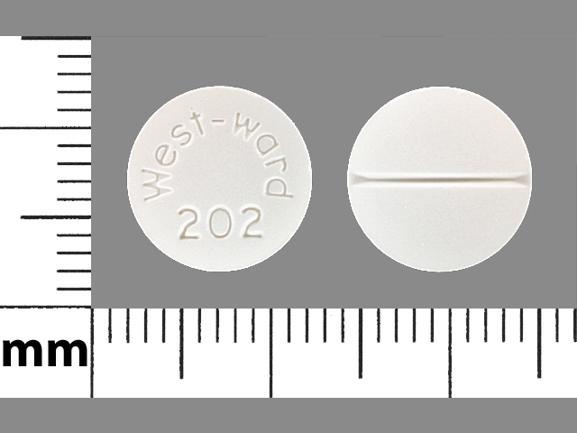
Cortisone Acetate (Monograph)
Drug class: Adrenals
ATC class: H02AB10
VA class: HS051
CAS number: 50-04-4
Introduction
Glucocorticoid secreted by the adrenal cortex; also exhibits mineralocorticoid activity.
Uses for Cortisone Acetate
Treatment of a wide variety of diseases and conditions; principally used for glucocorticoid effects as an anti-inflammatory and immunosuppressant agent, and for its effects on blood and lymphatic systems in the palliative treatment of various diseases.
When used for anti-inflammatory and immunosuppressant properties, synthetic glucocorticoids that have minimal mineralocorticoid activity are preferred.
Glucocorticoid therapy is not curative; rarely indicated as the primary method of treatment. Supportive therapy used adjunctively with other indicated therapies.
Adrenocortical Insufficiency
Corticosteroids are administered in physiologic dosages to replace deficient endogenous hormones in patients with adrenocortical insufficiency.
Cortisone or hydrocortisone is the corticosteroid of choice for replacement therapy in patients with adrenocortical insufficiency because these drugs have both glucocorticoid and mineralocorticoid properties. In infants, mineralocorticoid supplementation is particularly important.
Adrenogenital Syndrome
Lifelong glucocorticoid treatment of congenital adrenogenital syndrome (also known as congenital adrenal hyperplasia).
In salt-losing forms, cortisone or hydrocortisone is preferred in conjunction with liberal salt intake; an additional mineralocorticoid may be necessary through ≥5–7 years of age. After early childhood, a glucocorticoid alone is used for long-term therapy throughout life.
In hypertensive forms, a “short-acting” glucocorticoid with minimal mineralocorticoid activity (e.g., prednisone) is preferred; avoid long-acting glucocorticoids (e.g., dexamethasone) because of tendency toward overdosage and growth retardation.
Hypercalcemia
Treatment of hypercalcemia associated with malignancy.
Usually ameliorates hypercalcemia associated with bone involvement in multiple myeloma.
Treatment of hypercalcemia associated with sarcoidosis† [off-label].
Treatment of hypercalcemia associated with vitamin D intoxication† [off-label].
Not effective for hypercalcemia caused by hyperparathyroidism† [off-label].
Thyroiditis
Treatment of granulomatous (subacute, nonsuppurative) thyroiditis.
Anti-inflammatory action relieves fever, acute thyroid pain, and swelling.
May reduce orbital edema in endocrine exophthalmos (thyroid ophthalmopathy).
Usually reserved for palliative therapy in severely ill patients unresponsive to salicylates and thyroid hormones.
Rheumatic Disorders and Collagen Diseases
Short-term adjunctive treatment of acute episodes or exacerbations and systemic complications of rheumatic disorders (e.g., psoriatic arthritis, rheumatoid arthritis, juvenile rheumatoid arthritis, ankylosing spondylitis, posttraumatic osteoarthritis, acute and subacute bursitis, synovitis of osteoarthritis, acute nonspecific tenosynovitis, epicondylitis, acute gouty arthritis) and collagen diseases (e.g., systemic lupus erythematosus, acute rheumatic carditis, systemic dermatomyositis [polymyositis]) refractory to more conservative therapy.
Relieves inflammation and suppresses symptoms, but does not affect disease progression.
Maintenance therapy (e.g., rheumatoid arthritis, acute gouty arthritis, or systemic lupus erythematosus) as part of a total treatment program in selected patients when more conservative therapies have proven ineffective; however, rarely indicated as maintenance therapy.
Glucocorticoid withdrawal is extremely difficult if used for maintenance; relapses and recurrence usually occur with drug discontinuance.
Controls acute manifestations of rheumatic carditis more rapidly than salicylates and may be life-saving in certain conditions; however, cannot prevent valvular damage. No better than salicylates for long-term treatment.
Used adjunctively for severe systemic complications of Wegener’s granulomatosis; however, cytotoxic therapy is the treatment of choice.
Primary treatment to control symptoms and prevent severe, often life-threatening complications in patients with dermatomyositis and polymyositis, polyarteritis nodosa† [off-label], relapsing polychondritis† [off-label], polymyalgia rheumatica†, and giant-cell (temporal) arteritis†, or mixed connective tissue disease syndrome†. May require high dosage for acute situations; after obtaining a response, continue drug at a low dosage for long periods.
Polymyositis associated with malignancy and childhood dermatomyositis may not respond well to glucocorticoids.
Rarely indicated in psoriatic arthritis, diffuse scleroderma (progressive systemic sclerosis)†, acute and subacute bursitis, or osteoarthritis; the risks of use outweigh the benefits.
Dermatologic Diseases
Treatment of acute exacerbations of pemphigus and pemphigoid†, bullous dermatitis herpetiformis, severe erythema multiforme (Stevens-Johnson syndrome), exfoliative dermatitis, uncontrollable eczema†, cutaneous sarcoidosis†, mycosis fungoides, lichen planus†, severe psoriasis, and severe seborrheic dermatitis that are unresponsive to conservative therapy.
Early initiation of systemic glucocorticoid therapy may be life-saving in pemphigus vulgaris and pemphigoid†; may require high or massive doses.
Chronic skin disorders are seldom an indication for systemic glucocorticoids.
Used for severe psoriasis but rarely indicated systemically; if used, exacerbation may occur when the drug is withdrawn or dosage is decreased.
Rarely indicated for alopecia† (areata, totalis, or universalis); may stimulate hair growth, but hair loss recurs when the drug is discontinued.
Allergic Conditions
Control of severe or incapacitating allergic conditions intractable to adequate trials of conventional treatment; for control of acute manifestations, including angioedema†, bronchial asthma, contact or atopic dermatitis, serum sickness, allergic symptoms of trichinosis†, urticarial transfusion reactions†, drug hypersensitivity reactions, and severe seasonal or perennial rhinitis.
Reserve systemic therapy for acute conditions and severe exacerbations.
In acute conditions, usually used in high dosage and with other therapies (e.g., antihistamines, sympathomimetics).
Reserve prolonged treatment for patients with chronic, disabling allergic conditions unresponsive to more conservative therapy and for those in whom risks of long-term glucocorticoid therapy are justified.
Ocular Disorders
Used to suppress a variety of allergic and nonpyogenic ocular inflammations and to reduce scarring in ocular injuries†.
Treatment of severe acute and chronic allergic and inflammatory processes involving the eye and adnexa (e.g., allergic corneal marginal ulcers, herpes zoster ophthalmicus, anterior segment inflammation, diffuse posterior uveitis and choroiditis, sympathetic ophthalmia, allergic conjunctivitis, keratitis, chorioretinitis, iritis, iridocyclitis, and optic neuritis).
Acute optic neuritis optimally treated with initial high-dose IV therapy followed by chronic oral therapy. Can slow progression to clinically definite multiple sclerosis.
Less severe allergic and inflammatory allergic conditions of the eye are treated with topical (to the eye) corticosteroids; treat systemically in difficult cases of anterior segment eye disease and when deeper ocular structures are involved.
Asthma
Corticosteroids are used as adjunctive treatment of acute asthma exacerbations† and for maintenance treatment of persistent asthma†.
Systemic glucocorticoids (usually prednisone, prednisolone, and dexamethasone) are used for treatment of moderate to severe acute exacerbations of asthma; speeds resolution of airflow obstruction and reduces rate of relapse.
The Global Initiative for Asthma (GINA) guidelines state that systemic corticosteroids should be used in all but the mildest exacerbations; administration within 1 hour of presentation is recommended, if possible.
COPD
The Global Initiative for Chronic Obstructive Lung Disease (GOLD) guideline states that oral glucocorticoids play a role in the acute management of COPD exacerbations, but have no role in the chronic daily treatment of COPD because of the lack of benefit and high rate of systemic complications.
Sarcoidosis
Management of symptomatic sarcoidosis.
Systemic glucocorticoids are indicated for hypercalcemia; ocular, CNS, glandular, myocardial, or severe pulmonary involvement; or severe skin lesions unresponsive to intralesional or sublesional injections of glucocorticoids.
Tuberculosis
Adjunctive therapy with antimycobacterial agents in patients with fulminating or disseminated pulmonary tuberculosis.
Lipid Pneumonitis
Promotes the breakdown or dissolution of pulmonary lesions and eliminates sputum lipids in lipid pneumonitis†.
Pneumocystis jiroveci Pneumonia
Corticosteroids are used adjunctively in the treatment of Pneumocystis jiroveci (Pneumocystis carinii) pneumonia .
Löffler’s Syndrome
Symptomatic relief of acute manifestations of symptomatic Löffler’s syndrome not manageable by other means.
Berylliosis
Symptomatic relief of acute manifestations of berylliosis.
Aspiration Pneumonitis
Symptomatic relief of acute manifestations of aspiration pneumonitis.
Hematologic Disorders
Management of acquired (autoimmune) hemolytic anemia, idiopathic thrombocytopenic purpura (ITP), secondary thrombocytopenia, erythroblastopenia (RBC anemia), congenital (erythroid) hypoplastic anemia (Diamond-Blackfan syndrome), and pure red cell aplasia†.
High or even massive dosages decrease bleeding tendencies and normalize blood counts; does not affect the course or duration of hematologic disorders.
May not affect or prevent renal complications in Henoch-Schoenlein purpura†.
Insufficient evidence of effectiveness in aplastic anemia† in children, but widely used.
GI Diseases
Short-term palliative therapy for acute exacerbations and systemic complications of ulcerative colitis, regional enteritis, and celiac disease†.
Do not use if a probability of impending perforation, abscess, or other pyogenic infection.
Rarely indicated for maintenance therapy in chronic GI diseases (e.g., ulcerative colitis, celiac disease); does not prevent relapses and may produce severe adverse reactions with long-term administration.
Low dosages of glucocorticoids, in conjunction with other supportive therapy, may occasionally be useful for patients unresponsive to usual therapy for chronic conditions.
Crohn’s Disease
Oral corticosteroids may be used for short-term treatment of moderate to severely active Crohn’s disease†.
Neoplastic Diseases
Alone or as a component of various chemotherapeutic regimens in the palliative treatment of neoplastic diseases of the lymphatic system (e.g., leukemias and lymphomas in adults, acute leukemias in children).
Treatment of breast cancer†. Glucocorticoids alone not as effective as other agents (e.g., cytotoxic agents, hormones, antiestrogens); reserve for unresponsive disease.
Nephrotic Syndrome
Used to induce diuresis or remission of proteinuria in nephrotic syndrome.
Trichinosis
Treatment of trichinosis with neurologic or myocardial involvement.
Related/similar drugs
Benlysta, Otezla, Stelara, Tremfya, Cimzia, aspirin, prednisone
Cortisone Acetate Dosage and Administration
General
Alternate-day Therapy
-
If used for prolonged therapy, consider an alternate-day dosage regimen.
-
Alternate-day therapy in which a single dose is administered every other morning is the dosage regimen of choice for long-term oral glucocorticoid treatment of most conditions. This regimen provides relief of symptoms while minimizing adrenal suppression, protein catabolism, and other adverse effects.
-
If alternate-day therapy is preferred, only use a “short-acting” glucocorticoid that suppresses the HPA axis <1.5 days after a single oral dose (e.g., cortisone, hydrocortisone, prednisone, methylprednisolone).
-
Some conditions (e.g., rheumatoid arthritis, ulcerative colitis) require daily glucocorticoid therapy because symptoms of the underlying disease cannot be controlled by alternate-day therapy.
Discontinuance of Therapy
-
Following long-term therapy with pharmacologic dosages, very gradually withdraw systemic glucocorticoids until recovery of HPA-axis function occurs. (See Adrenocortical Insufficiency under Cautions.)
-
Drug-induced secondary adrenocortical insufficiency may result from too rapid withdrawal of corticosteroids and may be minimized by gradual reduction of dosage.
-
In one suggested regimen, decrease by 12.5–25 mg every 3–7 days until the physiologic dose (25 mg) is reached.
-
Other recommendations state that decrements usually should not exceed 12.5 mg every 1–2 weeks; in alternate-day therapy, decrements should not exceed 25 mg every 1–2 weeks.
-
When physiologic dosage (25 mg) is reached, substitute single 20-mg oral morning doses of hydrocortisone. After 2–4 weeks, may decrease hydrocortisone dosage by 2.5 mg every week until a single morning dosage of 10 mg daily is reached.
-
If disease flares during withdrawal, increase dosage and withdraw more gradually.
-
If used for only brief periods (a few days) in emergency situations, may reduce and discontinue dosage quite rapidly.
-
For certain acute allergic conditions (e.g., contact dermatitis such as poison ivy), glucocorticoids may be administered short term (e.g., for 6 days). Administer a high dose on the first day of therapy, then withdraw therapy by tapering the dosage over several days.
-
Exercise caution when transferring from systemic glucocorticoid to oral or nasal inhalation corticosteroid therapy.
Administration
Oral Administration
Administer orally as tablets.
To decrease gastric irritation, take immediately before, during, or after meals, or with food or milk. When large doses are given, some experts advise that corticosteroids be taken with meals and antacids taken between meals to help to prevent peptic ulcer.
Dosage
Available as cortisone acetate; dosage expressed in terms of the salt.
Individualize dosage carefully according to the diagnosis, severity, prognosis, probable duration of the disease, and patient response and tolerance.
After a satisfactory response is obtained, decrease dosage in small decrements to the lowest level that maintains an adequate clinical response, and discontinue the drug as soon as possible.
Long-term therapy should not be initiated without due consideration of its risks. If necessary, administer in the smallest dosage possible. Continual monitoring is recommended for signs that indicate dosage adjustment is necessary (e.g., remission or exacerbations of the disease, stress [surgery, infection, trauma]).
High or massive dosages may be required in the treatment of pemphigus, pemphigoid†, exfoliative dermatitis, bullous dermatitis herpetiformis, severe erythema multiforme, or mycosis fungoides. Early initiation of systemic glucocorticoid therapy may be life-saving in pemphigus vulgaris and pemphigoid†. Reduce dosage gradually to the lowest effective level, but discontinuance may not be possible.
Pediatric Patients
Base pediatric dosage on severity of the disease and patient response rather than on strict adherence to dosage indicated by age, body weight, or body surface area.
Usual Dosage
Oral
0.7–10 mg/kg daily or 20–300 mg/m2 daily in 4 divided doses.
Adults
Usual Dosage
Oral
Initially, 25–300 mg daily.
Special Populations
Hepatic Impairment
No specific dosage recommendations at this time.
Renal Impairment
No specific dosage recommendations at this time.
Geriatric Patients
No specific dosage recommendations at this time.
Thyroid Conditions
Changes in thyroid status may necessitate adjustment of glucocorticoid dosage.
Cautions for Cortisone Acetate
Contraindications
-
Known hypersensitivity to cortisone or any ingredient in the formulation.
-
Systemic fungal infections.
Warnings/Precautions
Warnings
Adrenocortical Insufficiency
When given in supraphysiologic doses for prolonged periods, glucocorticoids may cause decreased secretion of endogenous corticosteroids by suppressing pituitary release of corticotropin (secondary adrenocortical insufficiency).
The degree and duration of adrenocortical insufficiency are highly variable among patients and depend on the dose, frequency and time of administration and duration of glucocorticoid therapy.
Acute adrenal insufficiency (even death) may occur if the drugs are withdrawn abruptly or if patients are transferred from systemic glucocorticoid therapy to local (e.g., inhalation) therapy.
Withdraw cortisone very gradually following long-term therapy with pharmacologic dosages.
Adrenal suppression may persist up to 12 months in patients who receive large dosages for prolonged periods.
Until recovery occurs, signs and symptoms of adrenal insufficiency may develop if subjected to stress (e.g., surgery, trauma, infection), and replacement therapy may be required.
If the disease flares up during withdrawal, dosage may need to be increased and followed by a more gradual withdrawal.
Immunosuppression
Increased susceptibility to infections secondary to glucocorticoid-induced immunosuppression.
Administration of live virus vaccines, including smallpox, is contraindicated in patients receiving immunosuppressive dosages of glucocorticoids. If inactivated viral or bacterial vaccines are administered to such patients, may not obtain the expected serum antibody response. The USPHS Advisory Committee on Immunization Practices (ACIP) and American Academy of Family Physicians (AAFP) state that administration of live virus vaccines usually is not contraindicated in patients receiving corticosteroid therapy under the following circumstances:
-
short-term (<2 weeks) therapy
-
low to moderate dosage
-
long-term alternate-day treatment with short-acting preparations
-
maintenance physiologic dosages (replacement therapy)
-
topical, ophthalmic, intra-articular, bursal, or intratendon administration.
Increased Susceptibility to Infection
Corticosteroids increase susceptibility to and mask symptoms of infection.
Infections with any pathogen, including viral, bacterial, fungal, protozoan, or helminthic infections in any organ system, may be associated with corticosteroids alone or in combination with other immunosuppressive agents; reactivation of latent infections also may occur.
Infections may be mild, but they can be severe or fatal, and localized infections may disseminate.
Some infections (e.g., varicella [chickenpox], measles) can have a more serious or even fatal outcome, particularly in children. Children and adults who are not likely to have been exposed to varicella or measles should avoid exposure to these infections while receiving glucocorticoids.
If exposure to varicella or measles occurs in susceptible patients, treat appropriately (e.g., VZIG).
Use with great care in patients with known or suspected Strongyloides (threadworm) infection. Immunosuppression may lead to Strongyloides hyperinfection and dissemination with widespread larval migration, often accompanied by severe enterocolitis and potentially fatal gram-negative septicemia.
Use of corticosteroids in patients with cerebral malaria can have detrimental effects (prolongation of coma, higher incidence of pneumonia, and GI bleeding).
Can reactivate tuberculosis. Restrict use in active tuberculosis to those with fulminating or disseminated tuberculosis in which corticosteroids are used in conjunction with an appropriate antituberculosis regimen.
Can reactivate latent amebiasis. Exclude possible amebiasis in any patient who has been in the tropics or who has unexplained diarrhea prior to initiating therapy.
Musculoskeletal Effects
Muscle wasting, muscle pain or weakness, delayed wound healing, and atrophy of the protein matrix of the bone resulting in osteoporosis, vertebral compression fractures, aseptic necrosis of femoral or humeral heads, or pathologic fractures of long bones are manifestations of protein catabolism that may occur during prolonged therapy with glucocorticoids. These adverse effects may be especially serious in geriatric or debilitated patients. A high-protein diet may help to prevent adverse effects associated with protein catabolism.
An acute, generalized myopathy can occur with the use of high doses of glucocorticoids, particularly in patients with disorders of neuromuscular transmission (e.g., myasthenia gravis) or in patients receiving concomitant therapy with neuromuscular blocking agents (e.g., pancuronium).
Osteoporosis and related fractures are one of the most serious adverse effects of long-term glucocorticoid therapy. The American College of Rheumatology (ACR) has published guidelines on prevention and treatment of glucocorticoid-induced osteoporosis. Recommendations are made according to a patient's risk of fracture.
Fluid and Electrolyte Disturbances
Sodium retention with resultant edema, potassium loss, and hypertension may occur with average or large doses of cortisone. Edema, hypokalemic alkalosis, and CHF (in susceptible patients) may occur.
Dietary salt restriction is advisable, and potassium supplementation may be necessary.
Causes increased calcium excretion and possible hypocalcemia.
Ocular Effects
Prolonged use may result in posterior subcapsular and nuclear cataracts (particularly in children), exophthalmos, and/or increased IOP, which may result in glaucoma or may occasionally damage the optic nerve.
May enhance the establishment of secondary fungal and viral infections of the eye.
Use with caution in ocular herpes simplex; risk of corneal perforation.
Endocrine and Metabolic Effects
Administration over a prolonged period may produce various endocrine disorders including hypercorticism (cushingoid state) and amenorrhea or other menstrual difficulties.
May increase or decrease motility and number of sperm in some men.
May decrease glucose tolerance, produce hyperglycemia, and aggravate or precipitate diabetes mellitus, especially in patients predisposed to diabetes mellitus. If glucocorticoid therapy is required in patients with diabetes mellitus, changes in insulin or oral antidiabetic agent dosage or diet may be necessary.
Hypothyroidism may produce an exaggerated response to glucocorticoids.
Cardiovascular Effects
Use with extreme caution in recent MI; suggested association between use of glucocorticoids and left ventricular free-wall rupture.
May increase blood coagulability and precipitate intravascular thrombosis, thromboembolism, and thrombophlebitis. Use with caution in patients with thromboembolic disorders.
General Precautions
Monitoring
Prior to initiation of long-term glucocorticoid therapy, perform baseline ECGs, BPs, chest and spinal radiographs, glucose tolerance tests, and evaluations of HPA-axis function in all patients.
Perform upper GI radiographs in patients predisposed to GI disorders, including those with known or suspected peptic ulcer disease.
Nervous System Effects
May cause psychiatric effects ranging from euphoria, insomnia, mood swings, depression, and personality changes to frank psychoses. Use may aggravate existing emotional instability or psychotic tendencies.
Use with caution in patients with myasthenia gravis.
GI Effects
Use with caution in patients with diverticulitis, nonspecific ulcerative colitis (if there is a probability of impending perforation, abscess, or other pyogenic infection), or those with recent intestinal anastomoses.
Use with caution in active or latent peptic ulcer. Manifestations of peritoneal irritation following GI perforation may be minimal or absent in patients receiving corticosteroids. Consider antiulcer therapy in patients at increased risk of peptic ulcer formation.
Dermatologic Effects
Various dermatologic effects (i.e., impaired wound healing, skin atrophy and thinning, acne, increased sweating, hirsutism, facial erythema, striae, petechiae, ecchymoses, easy bruising) are associated with systemic glucocorticoids.
May suppress skin test reactions.
Specific Populations
Pregnancy
Adequate human reproduction studies not conducted with corticosteroids; when used in pregnancy or in women of childbearing potential, weigh benefits against possible risk to the mother and embryo or fetus.
Infants born to mothers who have received substantial doses of corticosteroids during pregnancy should be carefully observed for signs of hypoadrenalism.
Lactation
Distributed into milk. Discontinue nursing if taking pharmacologic doses.
May suppress growth, interfere with endogenous glucocorticoid production, or cause other adverse effects in nursing infants.
Pediatric Use
Perform periodic evaluations of height, weight, ocular pressure, and BP in pediatric patients receiving glucocorticoid therapy. Evaluate for the presence of infection, psychosocial disturbances, thromboembolism, peptic ulcers, cataracts, and osteoporosis.
Long-term use may delay growth and maturation in infants and children; monitor carefully. Titrate dosage to the lowest effective level. Alternate-day therapy with glucocorticoids that cause shorter HPA-axis suppression than does dexamethasone (e.g., prednisone, cortisone, methylprednisolone) may minimize growth suppression; institute if growth suppression occurs.
Geriatric Use
With prolonged therapy, muscle wasting, muscle pain or weakness, delayed wound healing, atrophy of the protein matrix of the bone resulting in osteoporosis, vertebral compression fractures, aseptic necrosis of femoral or humeral heads, or pathologic fractures of long bones may occur; especially serious in geriatric or debilitated patients.
Postmenopausal women are especially prone to osteoporosis; use with caution.
Hepatic Impairment
Exaggerated glucocorticoid response in patients with cirrhosis.
Renal Impairment
Use with caution in patients with renal insufficiency.
Common Adverse Effects
Associated with long-term therapy: bone loss, cataracts, indigestion, muscle weakness, back pain, bruising, oral candidiasis.
Drug Interactions
Metabolized by CYP3A4.
Drugs Affecting Hepatic Microsomal Enzymes
Inhibitors of CYP3A4: Potential pharmacokinetic interaction (decreased cortisone clearance).
Inducers of CYP3A4: Potential pharmacokinetic interaction (increased cortisone clearance).
Specific Drugs and Laboratory Tests
|
Drug or Test |
Interaction |
Comments |
|---|---|---|
|
Amphotericin B |
May enhance the potassium-wasting effect of glucocorticoids |
Monitor for development of hypokalemia |
|
Anticoagulants, oral |
Conflicting reports of diminished as well as enhanced response to anticoagulants |
Monitor coagulation indices frequently |
|
Anticholinesterase agents |
Severe weakness with concomitant use of anticholinesterase agents and corticosteroids in patients with myasthenia gravis |
If possible, withdraw anticholinesterase therapy ≥24 hours before initiating corticosteroid therapy |
|
Barbiturates |
Possible increased metabolism of cortisone |
May require increases in the dosage of cortisone |
|
Cyclosporine |
Possible increased activity of cyclosporine and corticosteroids Seizures reported with concomitant use |
Consider possibility of exacerbated toxicity (seizures), as well as need for dosage adjustment with concomitant use |
|
Diuretics, potassium-depleting (e.g., thiazides, furosemide, ethacrynic acid) |
May enhance the potassium-wasting effects of glucocorticoids |
Monitor for development of hypokalemia |
|
Ephedrine |
Possible increased metabolism of cortisone |
May require increases in the dosage of cortisone |
|
Estrogens |
May potentiate effects of glucocorticoids |
May be necessary to decrease corticosteroid dosage when estrogen is initiated or increase corticosteroid dosage when estrogen is discontinued |
|
Ketoconazole |
Possible decreased metabolism of corticosteroids |
May require decreases in the dosage of cortisone |
|
NSAIAs |
Increases the risk of GI ulceration Decreased serum salicylate concentrations; when corticosteroids are discontinued, serum salicylate concentration may increase possibly resulting in salicylate intoxication |
Use concurrently with caution Observe closely for adverse effects of either drug May be necessary to increase salicylate dosage when corticosteroids are administered concurrently or decrease salicylate dosage when corticosteroids are discontinued |
|
Phenytoin |
Possible increased metabolism of cortisone |
May require increases in the dosage of cortisone |
|
Rifampin |
Possible increased metabolism of cortisone |
May require increases in the dosage of cortisone |
|
Tests for nitroblue tetrazolium |
May produce false-negative results in the nitroblue tetrazolium test for systemic bacterial infection |
|
|
Tests for thyroid function |
May decrease iodine 131 uptake and protein-bound iodine concentrations, making it difficult to monitor the therapeutic response of patients receiving the drugs for thyroiditis |
|
|
Tests involving skin antigens |
Depresses skin reactivity to antigen-antibody interactions |
|
|
Vaccines and toxoids |
May cause a diminished response to toxoids and live or inactivated vaccines May potentiate replication of some organisms contained in live, attenuated vaccines Can aggravate neurologic reactions to some vaccines (supraphysiologic dosages) |
Live virus vaccines contraindicated in individuals receiving immunosuppressive cortisone doses Defer routine administration of vaccines or toxoids until corticosteroid therapy is discontinued May need serologic testing to ensure adequate antibody response for immunization; additional doses of the vaccine or toxoid may be necessary May undertake immunization procedures in patients receiving nonimmunosuppressive doses of glucocorticoids or in patients receiving glucocorticoids as replacement therapy (e.g., Addison’s disease) |
Cortisone Acetate Pharmacokinetics
Absorption
Bioavailability
Readily absorbed after oral administration.
Duration
The duration of anti-inflammatory activity approximately equals the duration of HPA-axis suppression, about 1.25–1.5 days for a single 250-mg oral dose.
Distribution
Extent
Most corticosteroids are rapidly removed from blood and distributed to muscles, liver, skin, intestines, and kidneys in animals.
Cortisone crosses the placenta and is distributed into milk.
Elimination
Metabolism
Principally in liver to hydrocortisone, the active metabolite. Further metabolized in most tissues (principally in the liver) to inactive compounds.
Elimination Route
Excreted principally by the kidneys, mainly as metabolites.
Special Populations
Metabolic clearance may be decreased in patients with hypothyroidism and increased in those with hyperthyroidism.
Stability
Storage
Oral
Tablets
20–25°C; protect from light and moisture.
Actions
-
Principally an anti-inflammatory or immunosuppressant agent; exhibits potent anti-inflammatory activity and some mineralocorticoid properties.
-
In physiologic doses, replaces deficient endogenous hormones.
-
In pharmacologic doses, decreases inflammation and suppresses the immune response.
-
Stabilizes leukocyte lysosomal membranes, preventing release of destructive acid hydrolases from leukocytes; reduces leukocyte adhesion to capillary endothelium; inhibits macrophage accumulation in inflamed areas, and reduces capillary wall permeability and edema formation.
-
Antagonizes histamine activity and release of kinin from substrates; reduces fibroblast proliferation, collagen deposition, and subsequent scar tissue formation.
-
Stimulates erythroid cells of bone marrow, prolongs survival time of erythrocytes and platelets, and produces neutrophilia and eosinopenia.
-
Promotes gluconeogenesis, redistribution of fat from peripheral to central areas of the body, and protein catabolism, resulting in negative nitrogen balance.
-
Reduces intestinal absorption and increases renal excretion of calcium.
-
Suppresses release of corticotropin (adrenocorticotropic hormone, ACTH) from the pituitary; resulting in cessation of endogenous corticosteroid secretion (secondary adrenocortical insufficiency).
-
Suppresses the immune response by reducing activity and volume of the lymphatic system, producing lymphocytopenia.
-
Promotes sodium reabsorption, and potassium and hydrogen excretion, along with subsequent water retention through a mineralocorticoid action on the part of the renal distal tubule that facilitates sodium transport.
Advice to Patients
-
In patients receiving long-term therapy, importance of reducing dose gradually and not discontinuing the drug abruptly.
-
Importance of informing patients that corticosteroids may decrease bone mineral density.
-
Importance of patients on long-term glucocorticoid therapy taking adequate calcium and vitamin D, either through diet or supplementation.
-
Importance of notifying a clinician of any infections, signs of infections (e.g., fever, sore throat, pain during urination, muscle aches), or injuries that develop during therapy or within 12 months after therapy is discontinued.
-
When surgery is required, importance of informing the attending physician, dentist, or anesthesiologist of recent (within 12 months) glucocorticoid therapy.
-
Importance of carrying identification cards listing the diseases being treated, the glucocorticoid regimen, and the name and telephone number of the clinician.
-
In immunosuppressed patients, importance of avoiding exposure to certain infections (e.g., chickenpox, measles) and of the importance of obtaining medical advice if such exposure occurs.
-
Importance of informing clinicians of existing or contemplated concomitant therapy, including prescription and OTC drugs, as well as any concomitant illnesses.
-
Importance of regular follow-up visits and of promptly notifying clinician of dizziness, severe or continuing headaches, swelling of feet or lower legs, or unusual weight gain.
-
Importance of taking only as prescribed; do not increase dosage or duration of therapy unless otherwise instructed by a clinician.
-
Importance of women informing clinicians if they are or plan to become pregnant or plan to breast-feed.
-
Importance of informing patients of other precautionary information. (See Cautions.)
Preparations
Excipients in commercially available drug preparations may have clinically important effects in some individuals; consult specific product labeling for details.
Please refer to the ASHP Drug Shortages Resource Center for information on shortages of one or more of these preparations.
* available from one or more manufacturer, distributor, and/or repackager by generic (nonproprietary) name
|
Routes |
Dosage Forms |
Strengths |
Brand Names |
Manufacturer |
|---|---|---|---|---|
|
Bulk |
Powder |
|||
|
Oral |
Tablets |
25 mg* |
Cortisone Acetate Tablets (scored) |
AHFS DI Essentials™. © Copyright 2024, Selected Revisions February 28, 2023. American Society of Health-System Pharmacists, Inc., 4500 East-West Highway, Suite 900, Bethesda, Maryland 20814.
† Off-label: Use is not currently included in the labeling approved by the US Food and Drug Administration.
Reload page with references included
Frequently asked questions
- What are the side effects of steroids?
- What is the difference between hydrocortisone and cortisone?
- How long do the effects of a cortisone injection shot last?
More about cortisone
- Check interactions
- Compare alternatives
- Pricing & coupons
- Reviews (7)
- Drug images
- Side effects
- Dosage information
- During pregnancy
- Support group
- Drug class: glucocorticoids
- Breastfeeding
- En español