Amantadine Hydrochloride (Antiviral) (Monograph)
Drug class: Adamantanes
Introduction
Adamantane derivative; synthetic antiviral agent that is active against influenza A virus.
Uses for Amantadine Hydrochloride (Antiviral)
Treatment of Seasonal Influenza A Virus Infections
Has been used for treatment of uncomplicated respiratory tract illness caused by various strains of influenza A virus in adults, adolescents, and children ≥1 year of age.
Amantadine is not a substitute for vaccination as recommended by CDC.
Neuraminidase inhibitors (e.g., oseltamivir, zanamivir, peramavir) are currently recommended if antiviral treatment is needed in patients with suspected or confirmed influenza; adamantanes (amantadine, rimantadine) are no longer recommended for such use because of high levels of resistance among circulating influenza A viruses.
Consider viral surveillance data from local and state health departments and CDC when selecting an antiviral for treatment of seasonal influenza. Strains of circulating influenza viruses and the antiviral susceptibility of these strains constantly evolve.
CDC issues recommendations concerning the use of antiviral agents for the treatment of influenza, and these recommendations are updated as needed during each influenza season. Information regarding influenza surveillance and updated recommendations for treatment of seasonal influenza are available from CDC at [Web]
Prevention of Seasonal Influenza A Virus Infections
Has been used for prophylaxis against influenza infection caused by susceptible influenza A viruses in adults, adolescents, and children ≥1 year of age.
Annual vaccination with seasonal influenza virus vaccine, as recommended by CDC, is the primary means of preventing seasonal influenza and severe complications; amantadine is not a substitute for early vaccination.
The Infectious Diseases Society of America (IDSA) states that antiviral drugs should not be used for routine or widespread chemoprophylaxis outside of institutional outbreaks, but may be considered in certain situations (e.g., patients at high risk of developing complications from influenza). If antiviral chemoprophylaxis is needed, neuraminidase inhibitors are recommended; adamantanes (amantadine, rimantadine) should not be used for chemoprophylaxis because of high levels of resistance among circulating influenza A viruses.
Consider viral surveillance data available from local and state health departments and the CDC when selecting an antiviral for prophylaxis of influenza. The most appropriate antiviral for prevention of influenza is selected based on information regarding the likelihood of the influenza strain being susceptible and the known adverse effects of the drug.
CDC issues recommendations concerning the use of antiviral agents for prophylaxis of influenza, and these recommendations are updated as needed during each influenza season. Information regarding influenza surveillance and updated recommendations for prevention of seasonal influenza are available from CDC at [Web]
Related/similar drugs
Ingrezza, diphenhydramine, Benadryl, ropinirole, benztropine, pramipexole, amantadine
Amantadine Hydrochloride (Antiviral) Dosage and Administration
General
Patient Monitoring
-
Patients with a history of seizures should be observed closely for possible increased seizure activity.
-
Monitor patients for impulse control/compulsive behaviors such as intense urges to gamble, increased sexual urges, uncontrolled spending, or other urges.
-
Monitor patients for depression, including suicidal ideation or behavior.
-
Monitor patients frequently and regularly for melanoma; periodic skin examinations should be performed by appropriately qualified individuals (e.g., dermatologists).
-
Monitor patients for dizziness and orthostatic hypotension, especially after starting therapy or increasing the dosage.
Administration
Administer orally. Adverse effects (e.g., CNS effects) may be minimized if the daily dosage is given in 2 equally divided doses.
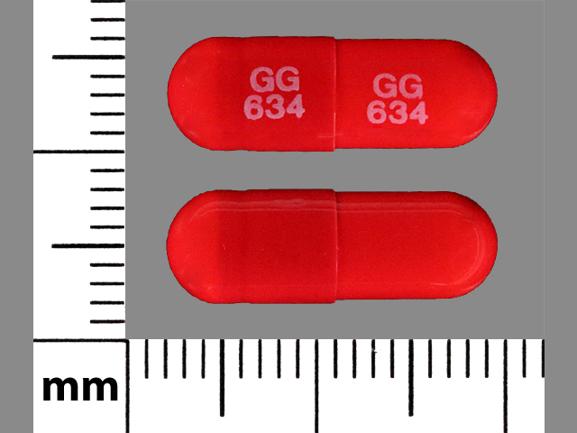
Commercially available as tablets or liquid-filled capsules containing 100 mg of amantadine hydrochloride and as an oral solution containing 50 mg/5 mL of the drug.
Dosage
Pediatric Patients
Treatment of Seasonal Influenza A Virus Infections
Oral
Children 1–9 years of age: Manufacturers recommend 4.4–8.8 mg/kg (up to 150 mg) daily. AAP recommends 5 mg/kg (up to 150 mg) daily in 2 divided doses.
Children 9–12 years of age: Manufacturers recommend 100 mg twice daily.
Children ≥10 years of age: AAP recommends 5 mg/kg daily in 2 divided doses in those weighing <40 kg or 100 mg twice daily in those weighing ≥40 kg.
Initiate as soon as possible, preferably within 24–48 hours after onset of symptoms, and continue for 24–48 hours after symptoms disappear.
Prevention of Seasonal Influenza A Virus Infections
Oral
Children 1–9 years of age: Manufacturer recommends 4.4–8.8 mg/kg (up to 150 mg) daily. AAP recommends 5 mg/kg (up to 150 mg) daily in 2 divided doses.
Children 9–12 years of age: Manufacturer recommends 100 mg twice daily.
Children ≥10 years of age: AAP recommends 5 mg/kg daily in 2 divided doses in those weighing <40 kg or 100 mg twice daily in those weighing ≥40 kg.
While the manufacturers state that a dosage of 100 mg once daily has not been evaluated in children, AAP suggests that a dosage of 100 mg daily is an acceptable alternative dosage for prophylaxis of influenza A illness in children weighing >20 kg.
Continue prophylaxis for at least 10 days following a known exposure. If used as adjunct to influenza vaccination, continue for 2–4 weeks after vaccine is given to provide prophylaxis until protective antibody response develops.
Adults
Treatment of Seasonal Influenza A Virus Infections
Oral
200 mg once daily or 100 mg twice daily.
Dosage may be decreased to 100 mg daily in those who experience CNS or other toxicities with 200 mg daily; relative efficacy of lower dosage not elucidated.
Initiate as soon as possible, preferably within 24–48 hours after onset of symptoms, and continue for 24–48 hours after symptoms disappear.
Prevention of Seasonal Influenza A Virus Infections
Oral
200 mg once daily or 100 mg twice daily.
Dosage may be decreased to 100 mg daily in those who experience CNS or other toxicities with 200 mg daily; relative efficacy of lower dosage not elucidated.
Continue prophylaxis for at least 10 days following a known exposure. If used as adjunct to influenza vaccination, continue for 2–4 weeks after vaccine is given to provide prophylaxis until protective antibody response develops.
Special Populations
Hepatic Impairment
Manufacturers make no dosage adjustment recommendations for patients with hepatic impairment.
Renal Impairment
Patients with Clcr 30–50 mL/minute per 1.73 m2 should receive 200 mg the first day, followed by 100 mg once daily thereafter.
Patients with Clcr15–29 mL/minute per 1.73 m2 should receive 200 mg the first day, followed by 100 mg on alternate days thereafter.
Patients with Clcr <15 mL/minute per 1.73 m2 and hemodialysis patients should receive 200 mg every 7 days.
Geriatric Patients
Usual dosage in adults ≥65 years of age without recognized renal disease is 100 mg once daily.
Some clinicians state that 100 mg daily should be the maximum dosage for adults ≥65 years of age, and that dosage may need to be further reduced in some geriatric patients.
Cautions for Amantadine Hydrochloride (Antiviral)
Contraindications
-
Patients with known hypersensitivity to amantadine hydrochloride or any ingredients in the formulations.
Warnings/Precautions
Deaths from Overdosage
Deaths from overdosage have occurred. Acute toxicity may be attributed to the anticholinergic effects of the drug.
Overdosage also reported in patients with renal impairment who were prescribed higher than recommended doses.
Suicidality and Depression
Suicide attempts (sometimes resulting in death) and suicidal ideation reported; in many cases, patients received short courses of the drug for influenza prophylaxis or treatment.
Monitor patients for depression, including suicidal ideation and behavior.
Weigh risks versus benefits of treatment in patients with a history of suicidality or depression.
Hallucinations and Psychotic Behavior
Hallucinations and other psychiatric symptoms (e.g., confusion, psychosis, personality changes, agitation, aggressive behavior, paranoia) reported.
Monitor patients for these effects, particularly after initiation of therapy and when dosage is increased or decreased.
Use of amantadine generally not advised in patients with major psychotic disorders because of risk of exacerbating psychosis.
CNS Effects
Possible increased seizure frequency in patients with active seizure disorders. Seizures also reported in patients with renal impairment and in geriatric individuals.
Observe patients with a history of seizures closely for possible increased seizure activity.
May impair ability to perform hazardous activities requiring mental alertness or physical coordination such as operating machinery or driving a motor vehicle.
Dizziness and Orthostatic Hypotension
Dizziness and orthostatic hypotension reported.
Monitor patients for signs and symptoms of orthostatic hypotension, particularly after initiation of therapy and when dosage is increased.
Neuroleptic Malignant Syndrome
A symptom complex resembling possible neuroleptic malignant syndrome (NMS; characterized by fever, muscular rigidity, altered consciousness, autonomic instability) reported with drugs that increase central dopaminergic tone; observed with rapid dosage reduction or withdrawal of drug.
Observe patients carefully when dosage is reduced abruptly or treatment is discontinued.
Impulse Control and Compulsive Behaviors
Intense urges (e.g., urge to gamble, increased sexual urges, binge eating, uncontrolled spending, other intense urges) and inability to control these urges reported with medications that increase central dopaminergic tone.
Consider reducing dosage or discontinuing therapy if a patient develops such urges.
Melanoma
Melanoma observed more frequently in patients with parkinson disease than in the general population.
Monitor for melanoma on a frequent and regular basis. Periodic dermatologic screening is recommended by some manufacturers.
Specific Populations
Pregnancy
No adequate data in pregnant women; in animal studies, adverse developmental effects (e.g., embryolethality, malformations, reduced fetal body weight) observed.
Lactation
Do not use in nursing women; distributed into human milk.
Pediatric Use
Safety and efficacy for the prevention or treatment of infections caused by influenza A viruses not established in neonates or children <1 year of age.
Geriatric Use
Substantially eliminated by the kidneys. Consider age-related decreases in renal function and the potential for concomitant disease when selecting dosage.
Hepatic Impairment
Use with caution in patients with liver disease; increased concentrations of liver enzymes reported.
Renal Impairment
Mainly excreted in the urine; drug accumulation may occur when renal function declines. Reduced dosages recommended in patients with renal impairment.
Common Adverse Effects
Most common adverse effects (5–10%): nausea, dizziness, insomnia.
Drug Interactions
Specific Drugs
|
Drug |
Interaction |
Comments |
|---|---|---|
|
Alcohol |
Potential for increased risk of CNS effects |
Concomitant use not recommended |
|
Anticholinergic agents |
Potential for increased adverse anticholinergic and CNS effects |
Dosage adjustment of both drugs may be needed |
|
CNS stimulants |
Possible additive CNS stimulant effects |
Administer amantadine with caution in patients receiving other CNS stimulant drugs |
|
Co-trimoxazole |
Toxic delirium has occurred following initiation of co-trimoxazole in at least one patient who had been stabilized on amantadine |
|
|
Influenza virus vaccine |
Influenza virus vaccine inactivated: Amantadine does not interfere with the antibody response to the vaccine Influenza vaccine live intranasal: Potential interference with antibody response to the live vaccine; no specific studies |
Influenza virus vaccine inactivated: May be administered concomitantly with or at any interval before or after amantadine Influenza vaccine live intranasal: Do not administer the live vaccine until ≥48 hours after amantadine is discontinued; do not administer amantadine until ≥2 weeks after administration of the vaccine, unless medically indicated; if amantadine given within 2 weeks after the vaccine, repeat vaccine dose ≥48 hours after last antiviral dose; alternatively, if amantadine given 2 days before to 14 days after the vaccine, revaccinate using the parenteral inactivated vaccine or parenteral recombinant vaccine |
|
Quinidine or quinine |
May reduce the renal clearance of amantadine |
|
|
Triamterene and hydrochlorothiazide |
Increased plasma concentrations of amantadine reported; however, not known which component of the combination preparation may have been responsible for the interaction |
Amantadine Hydrochloride (Antiviral) Pharmacokinetics
Absorption
Bioavailability
Well absorbed from the GI tract.
Elimination
Elimination Route
Principally excreted unchanged in urine by glomerular filtration and tubular secretion; at least 8 metabolites have been identified in urine.
Not appreciably removed by dialysis.
Half-life
9–37 hours, with an average of 24 hours or less.
Stability
Storage
Oral
Capsules, Tablets, and Oral Solution
20–25°C (excursions permitted between 15–30°C; dispense in tight, light-resistant container.
Actions
-
Adamantane-derivative (a symmetric tricyclic amine) that is structurally related to rimantadine.
-
The exact mechanism of antiviral activity not fully elucidated.
-
Inhibits viral replication by interfering with the influenza A virus M2 protein, an integral membrane protein that functions as an ion channel.
-
Has little or no activity against influenza B.
-
Beginning in the 2005–2006 influenza season, most influenza A (H3N2) strains circulating in the US were resistant to amantadine and rimantadine. Resistance to amantadine and rimantadine among seasonal influenza A (H3N2) circulating during recent influenza seasons has remained high.
Advice to Patients
-
Advise the patient to read the FDA-approved patient labeling (Patient Information).
-
Advise patients that blurry vision and/or impaired mental acuity may occur.
-
Inform patients and caregivers that hallucinations and paranoia can occur while taking amantadine. Advise patients to report unreal visions, sounds, or sensations or other psychotic behavior to their healthcare provider promptly should they develop.
-
Inform patients of the potential for experiencing intense urges to gamble, increased sexual urges, intense urges to spend money, binge eating, and other intense urges and the inability to control these urges while taking one or more medications that increase central dopaminergic tone.
-
Advise patients to contact their healthcare provider before stopping amantadine. Advise patients to inform their healthcare provider if they develop withdrawal symptoms such as fever, confusion, or severe muscle stiffness.
-
Advise patients to avoid excessive alcohol usage, since it may increase the potential for CNS effects such as dizziness, confusion, lightheadedness, and orthostatic hypotension.
-
Advise patients to avoid getting up suddenly from a sitting or lying position. If dizziness or lightheadedness occurs, notify a physician.
-
Instruct patients, family members, and caregivers to notify their healthcare provider if depressed mood, depression, changes in behavior or thinking, and suicidal ideation or behavior develop during treatment.
-
Advise patients to inform their clinician of existing or contemplated concomitant therapy, including prescription and OTC drugs and dietary or herbal supplements, as well as any concomitant illnesses.
-
Advise women to inform their clinician if they are or plan to become pregnant or plan to breast-feed.
-
Inform patients of other important precautionary information.
Additional Information
The American Society of Health-System Pharmacists, Inc. represents that the information provided in the accompanying monograph was formulated with a reasonable standard of care, and in conformity with professional standards in the field. Readers are advised that decisions regarding use of drugs are complex medical decisions requiring the independent, informed decision of an appropriate health care professional, and that the information contained in the monograph is provided for informational purposes only. The manufacturer’s labeling should be consulted for more detailed information. The American Society of Health-System Pharmacists, Inc. does not endorse or recommend the use of any drug. The information contained in the monograph is not a substitute for medical care.
Preparations
Excipients in commercially available drug preparations may have clinically important effects in some individuals; consult specific product labeling for details.
Please refer to the ASHP Drug Shortages Resource Center for information on shortages of one or more of these preparations.
* available from one or more manufacturer, distributor, and/or repackager by generic (nonproprietary) name
|
Routes |
Dosage Forms |
Strengths |
Brand Names |
Manufacturer |
|---|---|---|---|---|
|
Oral |
Capsules |
100 mg* |
Amantadine Hydrochloride Capsules |
|
|
Solution |
50 mg/5 mL* |
Amantadine Hydrochloride Solution |
||
|
Tablets |
100 mg* |
Amantadine Hydrochloride Tablets |
AHFS DI Essentials™. © Copyright 2024, Selected Revisions September 10, 2024. American Society of Health-System Pharmacists, Inc., 4500 East-West Highway, Suite 900, Bethesda, Maryland 20814.
Reload page with references included
Frequently asked questions
- What is the difference between Osmolex ER and Gocovri?
- What is Gocovri used to treat?
- Why should you not discontinue amantadine?
- How long does it take for amantadine to start working?
- Why was amantadine discontinued for flu?
- What symptoms does amantadine treat?
- What is Gocovri (amantadine) and how does it work?
More about amantadine
- Check interactions
- Compare alternatives
- Pricing & coupons
- Reviews (52)
- Drug images
- Side effects
- Dosage information
- Patient tips
- During pregnancy
- Support group
- Drug class: adamantane antivirals
- Breastfeeding
- En español
Patient resources
- Amantadine drug information
- Amantadine Extended-Release Tablets
- Amantadine Extended-Release Capsules
Professional resources
- Amantadine prescribing information
- Amantadine Oral Solution USP (FDA)
- Amantadine Syrup (FDA)
- Amantadine Tablets (FDA)