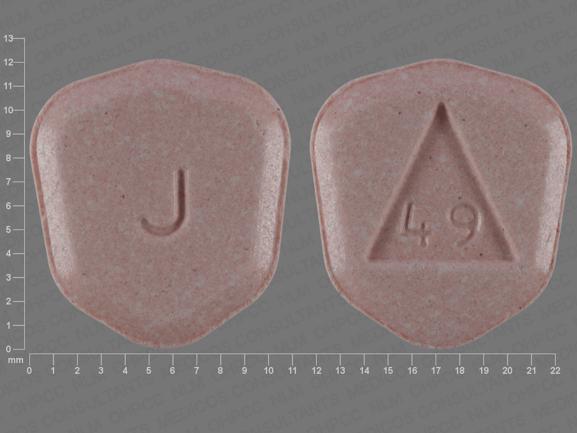
Acyclovir (Monograph)
Brand name: Zovirax
Drug class: Nucleosides and Nucleotides
Introduction
Antiviral; purine nucleoside analog derived from guanine.
Uses for Acyclovir
Mucocutaneous, Ocular, and Systemic Herpes Simplex Virus (HSV) Infections
Treatment of initial and recurrent mucocutaneous HSV-1 and HSV-2 infections (e.g., orofacial, esophageal, genital, nasal, labial) in immunocompromised adults, adolescents, and children, including HIV-infected individuals. Drug of choice.
Chronic suppressive or maintenance therapy (secondary prophylaxis) of recurrent HSV infections† [off-label] in immunocompromised adults, adolescents, and children, including HIV-infected individuals who have frequent or severe recurrences.
Treatment of orolabial HSV infections (including gingivostomatitis) in immunocompetent† [off-label] adults and children; generally ineffective or minimally effective for prevention of recurrence of herpes labialis† [off-label] in immunocompetent individuals.
Treatment of eczema herpeticum† [off-label] in patients with a history of atopic dermatitis.
Treatment of HSV keratitis† [off-label] in HIV-infected patients.
Prophylaxis against recurrence of ocular HSV disease† in immunocompetent adults and children ≥12 years of age who had ocular HSV disease (blepharitis, conjunctivitis, epithelial keratitis, stromal keratitis, iritis) in one or both eyes within the preceding 12 months. Has been used for prophylaxis after penetrating keratoplasty for herpetic keratitis.
Drug of choice for treatment of HSV encephalitis.
Drug of choice for treatment of neonatal HSV infections, including mucocutaneous infections, infections involving skin, eyes, and mouth, and disseminated or CNS infections.
Drug of choice for prevention of HSV recurrence† in hematopoietic stem cell transplant (HSCT) recipients seropositive for HSV; such prophylaxis not indicated in those seronegative for HSV.
Genital Herpes
Treatment of initial episodes of genital herpes in adults and adolescents, including HIV-infected individuals.
Treatment of first episodes of herpes proctitis†.
Episodic treatment of recurrent episodes of genital herpes in adults and adolescents, including HIV-infected individuals.
Chronic suppressive therapy of recurrent episodes of genital herpes in adults and adolescents, including HIV-infected individuals.
CDC and others recommend oral acyclovir, oral famciclovir, or oral valacyclovir as drugs of choice for treatment of initial episodes of genital herpes and for episodic treatment or chronic suppressive therapy of recurrent genital herpes.
Varicella-Zoster Infections
Treatment of varicella (chickenpox) in immunocompromised adults, adolescents, and children, including HIV-infected individuals. Drug of choice.
Treatment of varicella (chickenpox) in immunocompetent adults, adolescents, and children. Varicella usually is a self-limited disease in otherwise healthy individuals and the role of acyclovir for treatment in these individuals is controversial; routine use not recommended by AAP and other clinicians.
Treatment of herpes zoster (shingles, zoster) in immunocompetent or immunocompromised adults, adolescents, and children, including HIV-infected individuals. Drug of choice for serious or disseminated herpes zoster in immunocompromised patients.
Treatment of herpes zoster ophthalmicus† in HIV-infected patients.
Treatment of dermatomal herpes zoster in immunocompromised patients† including transplant recipients and HIV-infected patients.
Alternative to varicella-zoster immune globulin (VZIG) for postexposure prophylaxis of VZV infection† in HSCT recipients. Although long-term prophylaxis not routinely recommended for prevention of recurrent VZV infections in HSCT recipients, such prophylaxis may be considered in those with severe, long-term immunodeficiency.
Prevention of Cytomegalovirus (CMV) Disease in Transplant Recipients
Has been used for prevention of CMV disease† in solid organ transplant recipients and bone marrow transplant (BMT) recipients at risk for the disease; data regarding efficacy are conflicting.
Has been used for prevention of CMV disease† in HSCT recipients; generally ineffective after autologous HSCT. Ganciclovir is drug of choice for prevention of CMV following autologous or allogeneic HSCT in adults, adolescents, and children.
Not effective for prevention of CMV disease in HIV-infected individuals.
Epstein-Barr Virus Infections and Disorders
Treatment of uncomplicated or complicated infectious mononucleosis, chronic infectious mononucleosis, and various disorders (e.g., oral hairy leukoplakia) associated with Epstein-Barr virus infections†; efficacy appears to be variable.
Related/similar drugs
prednisone, valacyclovir, Valtrex, Zovirax, Deltasone, tetracaine topical, lysine
Acyclovir Dosage and Administration
Administration
Administer orally or by IV infusion.
Parenteral preparation should not be administered orally or by IM or sub-Q injection and should not be applied topically or to the eye.
Oral Administration
Administer without regard to meals.
IV Infusion
For solution and drug compatibility information, see Compatibility under Stability.
Reconstitution
Reconstitute vial containing 500 mg or 1 g of acyclovir powder with 10 or 20 mL of sterile water for injection, respectively, to provide a solution containing 50 mg/mL.
Shake well to ensure complete dissolution. Must be diluted further before IV administration.
Dilution
For IV infusion, dilute concentrate containing acyclovir 25 or 50 mg/mL with a compatible IV solution (see Solution Compatibility under Stability) to a concentration of ≤7 mg/mL.
Alternatively, dilute solutions reconstituted from powder prior to IV infusion with 50–125 mL of a compatible IV infusion solution. (See Solution Compatibility under Stability.) For fluid-restricted patients, dilute reconstituted solution in a ratio of approximately 1 part reconstituted solution to 9 parts infusion solution to a concentration of ≤7 mg/mL.
Rate of Administration
Administer by IV infusion at a constant rate over at least 1 hour. Do not administer by rapid IV infusion (over <10 minutes) or rapid IV injection. (See Renal Effects under Cautions.)
Ensure adequate hydration.
Dosage
Available as acyclovir and acyclovir sodium; dosage expressed in terms of acyclovir.
Pediatric Patients
Mucocutaneous, Ocular, and Systemic Herpes Simplex Virus (HSV) Infections
Treatment of Mucocutaneous HSV Infections
Oral†Immunocompromised children: 1 g daily given in 3–5 divided doses for 7–14 days.
IVImmunocompromised children <12 years of age: 10 mg/kg every 8 hours for 7–14 days.
HIV-infected or immunocompromised adolescents and children ≥12 years of age: 5 mg/kg every 8 hours for 7–14 days. Alternatively, after lesions begin to regress, consider switching to oral acyclovir in a dosage of 400 mg 3 times daily and continue until lesions are completely healed.
HSV Gingivostomatitis
Oral†HIV-infected children with mild, symptomatic gingivostomatitis: CDC and others recommend 20 mg/kg (up to 400 mg) 3 times daily for 7–14 days.
Immunocompetent children: 15 mg/kg (up to 200 mg) 5 times daily for 7 days has been used in a few children 1–6 years of age.
IVHIV-infected children with moderate to severe gingivostomatitis: CDC and others recommend 5–10 mg/kg 3 times daily for 7–14 days. Consider chronic oral suppressive or maintenance therapy (secondary prophylaxis) in those with frequent or severe recurrences of gingivostomatitis.
Chronic Suppressive or Maintenance Therapy (Secondary Prophylaxis) of HSV Infections†
OralHIV-infected infants and children: 80 mg/kg daily (up to 1 g daily) in 3 or 4 divided doses.
HIV-infected adolescents: 200 mg 3 times daily or 400 mg twice daily.
Prophylaxis Against Recurrent Ocular HSV Disease†
OralChildren ≥12 years of age: 400 mg twice daily. AAP recommends 80 mg/kg daily (up to 1 g daily) given in 3 divided doses.
Optimum duration of prophylaxis unclear; has been continued for 12–18 months in clinical studies.
Treatment of HSV Encephalitis or Disseminated Disease
IVImmunocompromised children: 20 mg/kg every 8 hours in those 3 months to 12 years of age and 10–15 mg/kg every 8 hours in those ≥12 years of age. Manufacturer recommends a treatment duration of 10 days, but AAP and others recommend 14–21 days for disseminated or CNS infections.
HIV-infected children: CDC and others recommend 10 mg/kg or 500 mg/m2 3 times daily for 21 days.
HIV-infected adolescents: CDC and others recommend 10 mg/kg 3 times daily for 14–21 days.
Treatment of Neonatal HSV Infections
IVNeonates and children ≤3 months of age: Manufacturer recommends 10 mg/kg every 8 hours for 10 days.
Neonates and children ≤3 months of age: AAP recommends 20 mg/kg every 8 hours given for 14 days for infections of skin, eyes, or mouth or 21 days for disseminated or CNS infections.
HIV-infected or -exposed neonates: CDC and others recommend 20 mg/kg 3 times daily given for 14 days for infections of skin, eyes, or mouth or 21 days for disseminated or CNS infections.
Prevention of HSV Recurrence in Hematopoietic Stem Cell Transplant (HSCT) Recipients†
OralHSV-seropositive children: 0.6–1 g daily given in 3–5 divided doses.
HSV-seropositive adolescents: 200 mg 3 times daily.
Initiate prophylaxis at beginning of conditioning therapy and continue until engraftment or until mucositis resolves (approximately 30 days after allogeneic HSCT). Routine prophylaxis for >30 days after HSCT not recommended.
IVHSV-seropositive children: 250 mg/m2 every 8 hours or 125 mg/m2 every 6 hours.
HSV-seropositive adolescents: 250 mg/m2 every 12 hours.
Initiate prophylaxis at beginning of conditioning therapy and continue until engraftment or until mucositis resolves (approximately 30 days after allogeneic HSCT). Routine prophylaxis for >30 days after HSCT not recommended.
Genital Herpes
Treatment of First Episodes
OralChildren: AAP recommends 40–80 mg/kg daily (maximum 1 g daily) given in 3 or 4 divided doses for 5–10 days.
Adolescents: CDC recommends 400 mg 3 times daily or 200 mg 5 times daily for 7–10 days; duration may be extended if healing is incomplete after 10 days.
HIV-infected adolescents: CDC and others recommend 20 mg/kg (up to 400 mg) or 400 mg 3 times daily for 7–14 days.
IVAdolescents and children ≥12 years of age with severe initial episodes: 5–10 mg/kg every 8 hours.
Manufacturer and some clinicians recommend 5–7 days of IV acyclovir; CDC states IV acyclovir should be given for 2–7 days or until clinical improvement occurs, followed by an oral antiviral to complete at least 10 days of treatment.
Episodic Treatment of Recurrent Episodes
OralAdolescents: CDC recommends 400 mg 3 times daily for 5 days, 800 mg twice daily for 5 days, or 800 mg 3 times daily for 2 days.
HIV-infected adolescents: CDC recommends 400 mg 3 times daily for 5–10 days. Alternatively, acyclovir can be given for 7–14 days.
Initiate episodic therapy at the earliest prodromal sign or symptom of recurrence or within 1 day of the onset of lesions.
Chronic Suppression of Recurrent Episodes
OralAdolescents: CDC recommends 400 mg twice daily.
HIV-infected adolescents: CDC recommends 400–800 mg 2 or 3 times daily.
Discontinue periodically (e.g., after 12 months or once yearly) to reassess need for continued therapy.
Varicella-Zoster Infections
Treatment of Varicella (Chickenpox)
OralImmunocompetent children ≥2 years of age: Manufacturer recommends 20 mg/kg 4 times daily (maximum 80 mg/kg daily) for 5 days in those weighing ≤40 kg and 800 mg 4 times daily for 5 days in those weighing >40 kg. Alternatively, some clinicians recommend 20 mg/kg (up to 800 mg) 4 times daily for 5 days.
HIV-infected children with mild immunosuppression and mild varicella: CDC and others recommend 20 mg/kg (up to 800 mg) 4 times daily for 7 days or until no new lesions have appeared for 48 hours.
Initiate therapy at the earliest sign or symptom of infection (within 24 hours of onset of rash).
IVImmunocompromised children: AAP recommends 10 mg/kg 3 times daily for 7–10 days for those <1 year of age and 500 mg/m2 3 times daily for 7–10 days in those ≥1 year of age.
Immunocompromised adolescents and children: Some clinicians recommend 20 mg/kg every 8 hours for 7–10 days in those ≤12 years of age and 10 mg/kg every 8 hours for 7 days in those >12 years of age.
HIV-infected children with moderate or severe immunosuppression and varicella associated with high fever or necrotic lesions: CDC and others recommend 10 mg/kg 3 times daily for 7 days or until no new lesions have appeared for 48 hours. Alternatively, a dosage of 500 mg/m2 every 8 hours has been suggested for those ≥1 year of age.
HIV-infected adolescents: CDC and others recommend 10 mg/kg every 8 hours for 7–10 days. After defervescence and if there is no evidence of visceral involvement, switch to oral acyclovir in a dosage of 800 mg 4 times daily.
Treatment of Herpes Zoster (Shingles, Zoster)
OralImmunocompetent children ≥12 years of age: 800 mg every 4 hours 5 times daily (4 g daily) for 5–10 days.
HIV-infected children with mild immunosuppression and mild varicella: CDC and others recommend 20 mg/kg (up to 800 mg) 4 times daily for 7–10 days.
Initiate therapy preferably within 48 hours of onset of rash.
IVImmunocompetent children: AAP recommends 10 mg/kg 3 times daily for 7–10 days for those <1 year of age and 500 mg/m2 3 times daily for 7–10 days in those ≥1 year of age.
Immunocompromised children: 20 mg/kg every 8 hours for 7–10 days in those <12 years of age and 10 mg/kg every 8 hours for 7 days in those ≥12 years of age.
HIV-infected children with severe immunosuppression and extensive multidermatomal zoster or zoster with trigeminal nerve involvement: CDC and others recommend 10 mg/kg 3 times daily for 7–10 days.
HIV-infected adolescents: CDC and others recommend 10 mg/kg every 8 hours until cutaneous and visceral disease resolves.
Adults
Mucocutaneous, Ocular, and Systemic Herpes Simplex Virus (HSV) Infections
Treatment of Mucocutaneous HSV Infections
Oral†Immunocompromised or HIV-infected adults: 400 mg every 4 hours while awake (5 times daily) for 7–14 days.
IVImmunocompromised or HIV-infected adults: CDC and others recommend 5 mg/kg every 8 hours for 7–14 days. Alternatively, after lesions begin to regress, consider switching to oral acyclovir in a dosage of 400 mg 3 times daily and continue until lesions are completely healed.
Chronic Suppressive or Maintenance Therapy (Secondary Prophylaxis) of HSV Infections†
OralHIV-infected adults: 200 mg 3 times daily or 400 mg twice daily.
Treatment of Orolabial HSV Infections
Oral400 mg 5 times daily for 5 days.
HIV-infected adults: CDC and others recommend 400 mg 3 times daily for 7–14 days.
Treatment of HSV Keratitis†
OralHIV-infected adults: 400 mg 5 times daily. Long-term therapy may be required to prevent recurrence.
Prophylaxis Against Recurrent Ocular HSV Disease†
OralImmunocompetent adults: 400 mg twice daily. Optimum duration of prophylaxis unclear; has been continued for 12–18 months in clinical studies.
Treatment of HSV Encephalitis or Disseminated Disease
IV10–15 mg/kg every 8 hours. Manufacturer recommends a treatment duration of 10 days, but CDC and others recommend 14–21 days for disseminated or CNS infections.
HIV-infected adults: CDC and others recommend 10 mg/kg 3 times daily for 14–21 days.
Prevention of HSV Recurrence in Hematopoietic Stem Cell Transplant (HSCT) Recipients†
OralHSV-seropositive adults: 200 mg 3 times daily initiated at beginning of conditioning therapy and continued until engraftment or until mucositis resolves (i.e., approximately 30 days after allogeneic HSCT). Routine prophylaxis for >30 days after HSCT not recommended.
IVHSV-seropositive adults: 250 mg/m2 every 12 hours initiated at beginning of conditioning therapy and continued until engraftment or until mucositis resolves (i.e., approximately 30 days after allogeneic HSCT). Routine prophylaxis for >30 days after HSCT not recommended.
Genital Herpes
Treatment of First Episodes
OralManufacturer recommends 200 mg every 4 hours while awake (5 times daily) for 10 days.
CDC and others recommend 400 mg 3 times daily or 200 mg 5 times daily for 7–10 days; duration may be extended if healing is incomplete after 10 days.
HIV-infected adults: CDC and others recommend 400 mg 3 times daily for 7–14 days.
IVAdults with severe initial episodes: 5–10 mg/kg every 8 hours.
Manufacturer and some clinicians recommend 5–7 days of IV acyclovir; CDC states IV acyclovir should be given for 2–7 days or until clinical improvement occurs, followed by an oral antiviral to complete at least 10 days of therapy.
Treatment of First Episode of Herpes Proctitis†
Oral400 mg 5 times daily for 10 days or until clinical resolution occurs.
Episodic Treatment of Recurrent Episodes of Genital Herpes
OralManufacturer recommends 200 mg every 4 hours while awake (5 times daily) for 5 days.
CDC recommends 400 mg 3 times daily for 5 days, 800 mg twice daily for 5 days, or 800 mg 3 times daily for 2 days.
HIV-infected adults: CDC recommends 400 mg 3 times daily for 5–10 days. Alternatively, acyclovir can be given for 7–14 days.
Initiate episodic therapy at the earliest prodromal sign or symptom of recurrence or within 1 day of the onset of lesions.
Chronic Suppression of Recurrent Episodes of Genital Herpes
Oral400 mg twice daily; alternatively, 200 mg 3–5 times daily.
HIV-infected adults: 400–800 mg 2 or 3 times daily.
Discontinue periodically (e.g., after 12 months or once yearly) to reassess need for continued therapy.
Varicella-Zoster Infections
Treatment of Varicella (Chickenpox)
Oral20 mg/kg (up to 800 mg) 4 times daily for 5 days.
Initiate therapy at the earliest sign or symptom of infection (within 24 hours of onset of rash).
IV, then OralHIV-infected or immunocompromised adults: CDC and others recommend 10 mg/kg every 8 hours for 7–10 days. After defervescence and if there is no evidence of visceral involvement, switch to oral acyclovir in a dosage of 800 mg 4 times daily.
Treatment of Herpes Zoster (Shingles, Zoster)
Oral800 mg every 4 hours (5 times daily) for 7–10 days.
Initiate therapy preferably within 48 hours of onset of rash.
IVHIV-infected or immunocompromised adults: CDC and others recommend 10 mg/kg every 8 hours for 7 days or until cutaneous and visceral disease resolves.
Treatment of Herpes Zoster Ophthalmicus†
OralImmunocompetent adults: 600 mg every 4 hours 5 times daily (3 g daily) for 10 days.
Initiate therapy within 72 hours (but no later than 7 days) after rash onset.
IV, then OralHIV-infected adults: 10 mg/kg IV 3 times daily for 7 days followed by 800 mg orally 3–5 times daily has been used.
Treatment of Dermatomal Herpes Zoster†
OralImmunocompromised adults: 800 mg 5 times daily for 10 days has been used, but CDC and others recommend oral famciclovir or valacyclovir for localized dermal infections in HIV-infected individuals.
Prescribing Limits
Pediatric Patients
Oral
Maximum 20 mg/kg 4 times daily (1 g daily) in children ≥2 years of age weighing ≤40 kg.
IV
Maximum 20 mg/kg every 8 hours.
Adults
Oral
800 mg per dose.
IV
Maximum 20 mg/kg every 8 hours.
Special Populations
Renal Impairment
Adjustment of Usual Oral Dosage
|
Usual Dosage Regimen |
Clcr (mL/min per 1.73 m2) |
Adjusted Dosage Regimen |
|---|---|---|
|
200 mg every 4 h 5 times daily |
>10 |
No adjustment necessary |
|
0–10 |
200 mg every 12 h |
|
|
400 mg every 12 h |
>10 |
No adjustment necessary |
|
0–10 |
200 mg every 12 h |
|
|
800 mg every 4 h 5 times daily |
>25 |
No adjustment necessary |
|
10–25 |
800 mg every 8 h |
|
|
0–10 |
800 mg every 12 h |
Hemodialysis
Give supplemental oral dose immediately after each dialysis period.
Peritoneal Dialysis
Supplemental doses do not appear necessary.
Adjustment of Usual IV Dosage
|
Clcr (mL/min per 1.73 m2) |
Percent of Recommended Dose |
Dosing Interval (hours) |
|---|---|---|
|
>50 |
100% |
8 |
|
25–50 |
100% |
12 |
|
10–25 |
100% |
24 |
|
0–10 |
50% |
24 |
Hemodialysis
Adjust dosing schedule so that a supplemental IV dose is administered immediately after each dialysis period.
CAPD
Supplemental doses do not appear necessary.
Alternative IV Dosage Regimens for End-Stage Renal Disease
93–185 mg/m2 as a loading dose, followed by a maintenance dosage of 35–70 mg/m2 every 8 hours, and 56–185 mg/m2 immediately after dialysis.
250–500 mg/m2 as a loading dose, followed by a maintenance dosage of 250–500 mg/m2 every 48 hours, and 150–500 mg/m2 immediately after dialysis.
2.5 mg/kg every 24 hours and 2.5 mg/kg after each dialysis period.
HIV-infected Patients with Impaired Renal Function (Oral Administration)
|
Clcr (mL/min per 1.73 m2) |
Adjusted Dosage Regimen |
|---|---|
|
>80 |
No adjustment necessary |
|
50–80 |
200–800 mg every 6–8 h |
|
25–50 |
200–800 mg every 8–12 h |
|
10–25 |
200–800 mg every 12–24 h |
|
<10 |
200–400 mg every 24 h |
Hemodialysis
Give supplemental usual oral dose after each dialysis period.
HIV-infected Patients with Impaired Renal Function (IV Administration)
|
Clcr (mL/min per 1.73 m2) |
Adjusted Dosage Regimen |
|---|---|
|
>80 |
No adjustment necessary |
|
50–80 |
No adjustment necessary |
|
25–50 |
5 mg/kg every 12–24 hours |
|
10–25 |
5 mg/kg every 12–24 hours |
|
<10 |
2.5 mg/kg every 24 hours |
Hemodialysis
Adjust dosing schedule so that daily IV dose is given after hemodialysis on dialysis days.
Geriatric Patients
Cautious dosage selection; reduced dosage may be needed because of age-related decreases in renal function. (See Geriatric Use under Cautions.)
Obese Patients
Use ideal body weight to determine IV dosage.
Cautions for Acyclovir
Contraindications
-
Known hypersensitivity to acyclovir or valacyclovir.
Warnings/Precautions
Warnings
Renal Effects
Increased BUN and/or Scr, anuria, and hematuria have been reported. Transient increases in BUN and/or Scr and decreases in Clcr reported in patients receiving IV acyclovir, particularly following rapid (over <10 minutes) IV infusion.
Abnormal urinalysis (increase in formed elements in urine sediment) and pain or pressure on urination reported rarely with IV acyclovir.
Renal failure, resulting in death, has occurred.
Possible precipitation of acyclovir in renal tubules, resulting in renal tubular damage and acute renal failure, when the solubility of free acyclovir in the collecting duct is exceeded or following rapid IV administration.
Risk of adverse renal effects during IV therapy depends on degree of hydration, urine output, concomitant therapy (i.e., nephrotoxic drugs), preexisting renal disease, and rate of administration (see Rate of Administration under Dosage and Administration).
Alterations in renal function during IV acyclovir therapy can progress to acute renal failure but generally are transient and resolve spontaneously or following improved hydration and electrolyte balance, dosage adjustment, or discontinuance of the drug.
Hematologic Effects
Potentially fatal thrombotic thrombocytopenic purpura/hemolytic uremic syndrome reported in immunocompromised patients receiving acyclovir.
General Precautions
Nervous System Effects
Possible encephalopathic effects (e.g., lethargy, obtundation, tremors, confusion, hallucinations, agitation, seizures, coma) in patients receiving IV acyclovir.
Use with caution in patients with underlying neurologic abnormalities and in those with serious renal, hepatic, or electrolyte abnormalities or substantial hypoxia.
Local Effects
Severe local inflammatory reactions, including tissue necrosis, have occurred following infusion of acyclovir into extravascular tissues.
Sodium Content
Sodium salt of acyclovir contains 4.2 mEq of sodium per gram of acyclovir.
Specific Populations
Pregnancy
Category B.
CDC, AAP, and others state that oral acyclovir may be used during pregnancy to treat first episodes or severe recurrent episodes of genital herpes and IV acyclovir may be used during pregnancy to treat severe HSV infection (especially life-threatening disseminated infections). CDC and others also recommend acyclovir for treatment of varicella during pregnancy, particularly during the second and third trimesters.
Lactation
Distributed into milk following oral or IV administration. Use with caution.
Women with active herpetic lesions near or on the breast should refrain from breast-feeding.
Pediatric Use
Safety and efficacy of oral acyclovir not established in children <2 years of age.
Geriatric Use
For treatment of herpes zoster (shingles, zoster), no substantial differences in efficacy of oral acyclovir relative to younger adults, but duration of pain after healing may be longer in geriatric patients.
Insufficient experience in patients ≥65 years of age to determine whether geriatric patients respond differently to IV acyclovir than younger adults.
Select dosage with caution because of age-related decreases in renal function and potential for concomitant disease and drug therapy. Consider monitoring renal function.
Possible increased incidence of adverse CNS effects (coma, confusion, hallucinations, somnolence), GI effects (nausea, vomiting), or dizziness during oral acyclovir therapy compared with younger adults.
Hepatic Impairment
Use with caution.
Renal Impairment
Decreased acyclovir clearance. Increased risk of adverse renal and encephalopathic effects.
Adjust dosage to prevent drug accumulation, decrease risk of toxicity, and maintain adequate plasma drug concentrations. (See Renal Impairment under Dosage and Administration.)
Common Adverse Effects
With oral therapy, nausea and/or vomiting and diarrhea. With IV therapy, local reactions at the injection site (inflammation, phlebitis).
Drug Interactions
Nephrotoxic Agents
Potential pharmacodynamic interaction (increased risk of renal dysfunction and/or reversible CNS manifestations); use concomitantly with caution.
Specific Drugs
|
Drug |
Interaction |
Comments |
|---|---|---|
|
Interferon |
Additive or synergistic antiviral effect against HSV-1 in vitro |
Clinical importance unknown; use with caution |
|
Methotrexate |
Manufacturer states that IV acyclovir should be used with caution in patients receiving intrathecal methotrexate |
|
|
Probenecid |
Decreased renal clearance of acyclovir |
|
|
Zidovudine |
Neurotoxicity (profound drowsiness, lethargy) reported in at least 1 patient |
Monitor patients closely during concomitant therapy |
Acyclovir Pharmacokinetics
Absorption
Bioavailability
Absorption from GI tract is variable and incomplete; 10–30% of an oral dose may be absorbed. Peak plasma concentrations usually are attained within 1.5–2.5 hours after oral administration.
Commercially available capsules and oral suspension are bioequivalent.
Food
Food does not appear to affect GI absorption.
Distribution
Extent
Widely distributed into body tissues and fluids including the brain, kidney, saliva, lung, liver, muscle, spleen, uterus, vaginal mucosa, CSF, herpetic vesicular fluid, and semen.
Following IV administration in patients with uninflamed meninges, CSF concentrations of the drug are about 50% of concurrent serum concentrations.
Crosses placenta following oral or IV administration; cord blood concentrations may be higher than maternal plasma concentrations.
Distributed into milk following oral or IV administration; milk concentrations may be higher than concurrent maternal plasma concentrations.
Plasma Protein Binding
9–33%.
Elimination
Metabolism
Metabolized partially to 9-carboxymethoxymethylguanine; also converted intracellularly in cells infected with herpesviruses to acyclovir triphosphate, the pharmacologically active form of the drug.
Elimination Route
Excreted principally in urine as unchanged drug.
Half-life
Adults with normal renal function: initial serum half-life averages 0.34 hour and terminal half-life averages 2.1–3.5 hours.
Children >1 year of age: elimination half-life similar to that in adults.
Neonates: half-life depends principally on maturity of renal mechanisms for clearance.
Special Populations
Renal impairment may reduce clearance.
Stability
Storage
Oral
Capsules and Tablets
Tight, light-resistant containers at 15–25°C.
Suspension
15–25°C.
Parenteral
Powder for IV Infusion
15–25°C. Use reconstituted solution within 12 hours. Refrigeration of this solution may cause a precipitate, which will redissolve at room temperature. Following dilution with infusion solution, use drug within 24 hours.
Compatibility
Parenteral
Solution Compatibility
Bacteriostatic water for injection containing parabens should not be used to reconstitute acyclovir sodium powder; precipitation may occur.
When diluted with >10% dextrose, a yellow discoloration may appear but does not affect potency.
|
Compatible |
|---|
|
Dextrose 5% and sodium chloride 0.2, 0.45, or 0.9% |
|
Dextrose 5% |
|
Lactated Ringer’s |
|
Sodium chloride 0.9% |
Drug Compatibility
|
Compatible |
|---|
|
Fluconazole |
|
Incompatible |
|
Dobutamine HCl |
|
Dopamine HCl |
|
Variable |
|
Meropenem |
|
Compatible |
|---|
|
Allopurinol sodium |
|
Amikacin sulfate |
|
Amphotericin B cholesteryl sulfate complex |
|
Ampicillin sodium |
|
Cefamandole nafate |
|
Cefazolin sodium |
|
Cefoperazone sodium |
|
Cefotaxime sodium |
|
Cefoxitin sodium |
|
Ceftazidime |
|
Ceftizoxime sodium |
|
Ceftriaxone sodium |
|
Cefuroxime sodium |
|
Chloramphenicol sodium succinate |
|
Cimetidine HCl |
|
Clindamycin phosphate |
|
Dexamethasone sodium phosphate |
|
Dimenhydrinate |
|
Diphenhydramine HCl |
|
Docetaxel |
|
Doxorubicin HCl liposome injection |
|
Doxycycline hyclate |
|
Erythromycin lactobionate |
|
Etoposide phosphate |
|
Famotidine |
|
Filgrastim |
|
Fluconazole |
|
Gatifloxacin |
|
Gentamicin sulfate |
|
Granisetron HCl |
|
Heparin sodium |
|
Hydrocortisone sodium succinate |
|
Hydromorphone HCl |
|
Imipenem–cilastatin sodium |
|
Linezolid |
|
Lorazepam |
|
Magnesium sulfate |
|
Melphalan HCl |
|
Methylprednisolone sodium succinate |
|
Metoclopramide HCl |
|
Metronidazole |
|
Milrinone lactate |
|
Multivitamins |
|
Nafcillin sodium |
|
Oxacillin sodium |
|
Paclitaxel |
|
Penicillin G potassium |
|
Pentobarbital sodium |
|
Perphenazine |
|
Piperacillin sodium |
|
Potassium chloride |
|
Propofol |
|
Ranitidine HCl |
|
Remifentanil HCl |
|
Sodium bicarbonate |
|
Tacrolimus |
|
Teniposide |
|
Theophylline |
|
Thiotepa |
|
Ticarcillin disodium |
|
Tobramycin sulfate |
|
Trimethoprim–sulfamethoxazole |
|
Vancomycin HCl |
|
Zidovudine |
|
Incompatible |
|
Amifostine |
|
Amsacrine |
|
Aztreonam |
|
Cefepime HCl |
|
Dobutamine HCl |
|
Dopamine HCl |
|
Fludarabine phosphate |
|
Foscarnet sodium |
|
Gemcitabine HCl |
|
Idarubicin HCl |
|
Levofloxacin |
|
Ondansetron HCl |
|
Piperacillin sodium–tazobactam sodium |
|
Sargramostim |
|
Tacrolimus |
|
Vinorelbine tartrate |
|
Variable |
|
Cisatracurium besylate |
|
Diltiazem HCl |
|
Meperidine HCl |
|
Meropenem |
|
Morphine sulfate |
Actions and Spectrum
-
Active against various Herpesviridae including herpes simplex virus types 1 and 2 (HSV-1 and HSV-2), varicella-zoster virus (VZV), Epstein-Barr virus, herpes virus simiae (B virus), and cytomegalovirus (CMV). Less active against CMV than many other Herpesviridae.
-
In cells infected with herpes virus, is converted to acyclovir triphosphate, which inhibits viral DNA synthesis and viral replication by incorporating into viral DNA and by competing with deoxyguanosine triphosphate for viral DNA polymerase.
-
Acyclovir resistance may result from qualitative or quantitative changes in thymidine kinase and/or DNA polymerase (e.g., absence or low concentrations of enzyme, alterations in substrate specificity).
-
Resistance to acyclovir reported in HSV and VZV.
-
Acyclovir-resistant HSV or VZV usually resistant to famciclovir and valacyclovir, but may be susceptible to foscarnet.
Advice to Patients
-
Advise patients that acyclovir is not a cure for genital herpes and there are no data evaluating whether acyclovir prevents transmission of genital herpes to others.
-
Importance of avoiding sexual contact with uninfected partners when genital lesions or prodromal symptoms are present, since there is a risk of infecting sexual partners. Genital herpes can be transmitted in the absence of symptoms.
-
Importance of initiating treatment as soon as possible following onset of signs and symptoms.
-
Advise patients receiving chronic suppressive therapy of the need for periodic reassessment of the continued need for acyclovir therapy.
-
Importance of not exceeding the recommended dosage and duration of therapy.
-
Importance of maintaining adequate hydration during treatment.
-
Importance of contacting clinician if severe or troublesome adverse effects occur.
-
Importance of informing clinician of existing or contemplated concomitant therapy, including prescription and OTC drugs.
-
Importance of women informing clinicians if they are or plan to become pregnant or plan to breast-feed.
-
Importance of advising patients of other important precautionary information. (See Cautions.)
Preparations
Excipients in commercially available drug preparations may have clinically important effects in some individuals; consult specific product labeling for details.
Please refer to the ASHP Drug Shortages Resource Center for information on shortages of one or more of these preparations.
* available from one or more manufacturer, distributor, and/or repackager by generic (nonproprietary) name
|
Routes |
Dosage Forms |
Strengths |
Brand Names |
Manufacturer |
|---|---|---|---|---|
|
Oral |
Capsules |
200 mg* |
Acyclovir Capsules |
Actavis |
|
Zovirax (with parabens) |
GlaxoSmithKline |
|||
|
Suspension |
200 mg/5 mL* |
Acyclovir Suspension (with parabens) |
Actavis |
|
|
Zovirax (with glycerin, parabens, and sorbitol) |
GlaxoSmithKline |
|||
|
Tablets |
400 mg* |
Acyclovir Tablets |
Actavis |
|
|
Zovirax (with povidone) |
GlaxoSmithKline |
|||
|
800 mg* |
Acyclovir Tablets |
Actavis |
||
|
Zovirax (with povidone) |
GlaxoSmithKline |
|
Routes |
Dosage Forms |
Strengths |
Brand Names |
Manufacturer |
|---|---|---|---|---|
|
Parenteral |
For injection, concentrate, for IV infusion only |
50 mg (of acyclovir) per mL (500 mg, 1 g) |
Acyclovir Sodium Injection |
Abraxis |
|
For injection, for IV infusion only |
500 mg (of acyclovir) |
Acyclovir Sodium for Injection |
Abraxis |
|
|
Zovirax |
GlaxoSmithKline |
|||
|
1 g (of acyclovir) |
Acyclovir Sodium for Injection |
Abraxis |
||
|
Zovirax |
GlaxoSmithKline |
|
Routes |
Dosage Forms |
Strengths |
Brand Names |
Manufacturer |
|---|---|---|---|---|
|
Parenteral |
Injection, for IV infusion only |
5 mg (of acyclovir) per mL [500 mg, 1 g] in 0.9% Sodium Chloride |
Acyclovir Sodium Injection in 0.9% Sodium Chloride Injection Redi-Infusion |
ESI Lederle |
AHFS DI Essentials™. © Copyright 2024, Selected Revisions April 10, 2024. American Society of Health-System Pharmacists, Inc., 4500 East-West Highway, Suite 900, Bethesda, Maryland 20814.
† Off-label: Use is not currently included in the labeling approved by the US Food and Drug Administration.
Reload page with references included
Frequently asked questions
- Can you drink alcohol while taking acyclovir?
- What would be the benefits of taking valacyclovir vs acyclovir?
More about acyclovir
- Check interactions
- Compare alternatives
- Pricing & coupons
- Reviews (188)
- Drug images
- Latest FDA alerts (3)
- Side effects
- Dosage information
- Patient tips
- During pregnancy
- Support group
- Drug class: purine nucleosides
- Breastfeeding
Patient resources
Professional resources
- Acyclovir Capsules prescribing information
- Acyclovir IV Infusion (FDA)
- Acyclovir Injection (FDA)
- Acyclovir Oral Suspension (FDA)
- Acyclovir Tablets (FDA)