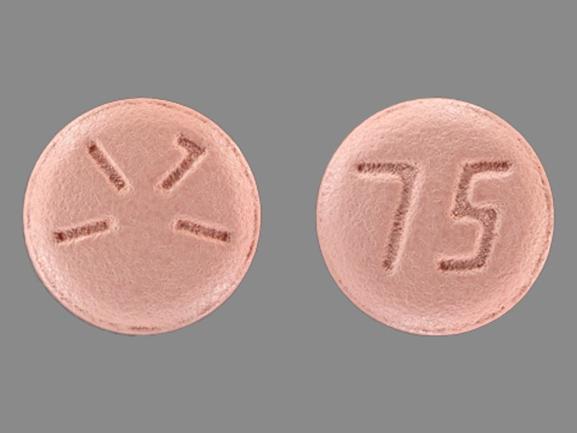
Plavix
Generic name: clopidogrel [ kloe-PID-oh-grel ]
Drug class: Platelet aggregation inhibitors
What is Plavix?
Plavix prevents platelets in your blood from sticking together to form an unwanted blood clot that could block an artery.
Plavix is used to lower your risk of having a stroke, blood clot, or serious heart problem after you've had a heart attack, severe chest pain (angina), or circulation problems.
Plavix may also be used for purposes not listed in this medication guide.
Warnings
Plavix keeps your blood from coagulating (clotting) to prevent unwanted blood clots that can occur with certain heart or blood vessel conditions. Because of this drug action, Plavix can make it easier for you to bleed, even from a minor injury.
You should not use this medicine if you have any active bleeding such as a stomach ulcer or bleeding in the brain.
Plavix increases your risk of bleeding, which can be severe or life-threatening. Call your doctor or seek emergency medical attention if you have bleeding that will not stop, if you have blood in your urine, black or bloody stools, or if you cough up blood or vomit that looks like coffee grounds.
Do not stop taking this medicine without first talking to your doctor, even if you have signs of bleeding. Stopping clopidogrel may increase your risk of a heart attack or stroke.
If you need surgery or dental work, tell the surgeon or dentist ahead of time that you take Plavix.
Before taking this medicine
You should not use Plavix if you are allergic to clopidogrel, or if you have:
-
any active bleeding; or
-
a stomach ulcer or bleeding in the brain (such as from a head injury).
Tell your doctor if you have ever had:
-
an ulcer in your stomach or intestines; or
-
a bleeding disorder or blood clotting disorder.
Plavix may not work as well if you have certain genetic factors that affect the breakdown of this medicine in your body. Your doctor may perform a blood test to make sure Plavix is right for you.
This medicine is not expected to harm an unborn baby. Tell your doctor if you are pregnant.
You should not breastfeed while using this medicine.
How should I take Plavix?
Take Plavix exactly as prescribed by your doctor. Follow all directions on your prescription label and read all medication guides or instruction sheets. Use these medicines exactly as directed.
Plavix can be taken with or without food.
Plavix is sometimes taken together with aspirin. Take aspirin only if your doctor tells you to.
Plavix keeps your blood from coagulating (clotting) and can make it easier for you to bleed, even from a minor injury. Contact your doctor or seek emergency medical attention if you have any bleeding that will not stop.
You may need to stop using this medicine for a short time before a surgery, medical procedure, or dental work. Any healthcare provider who treats you should know that you are taking this medicine.
Do not stop taking Plavix without first talking to your doctor, even if you have signs of bleeding. Stopping the medicine could increase your risk of a heart attack or stroke.
Store at room temperature away from moisture and heat.
Dosing information
Usual Adult Dose for Acute Coronary Syndrome:
Unstable Angina (UA)/Non-ST-Elevation Myocardial Infarction (NSTEMI):
-Loading dose: 300 mg orally once
-Maintenance dose: 75 mg orally once a day
-Duration of therapy: Optimal duration unknown.
ST-Elevation Myocardial Infarction (STEMI):
-Loading dose: 300 mg orally once (OPTIONAL)
-Maintenance dose: 75 mg orally once a day, with or without thrombolytics
-Duration of therapy: Optimal duration unknown.
Comments:
-Administer this drug in combination with aspirin 75 mg to 325 mg orally once a day.
-The benefit of this drug for patients who undergo primary percutaneous coronary intervention is unknown.
Uses: Prevention of atherothrombotic events in patients with non-ST-segment elevation acute coronary syndrome (UA, NSTEMI, those who are to be managed medically, those who are to be managed with coronary revascularization) and STEMI.
Usual Adult Dose for Ischemic Stroke:
75 mg orally once a day
Uses: Prevention of atherothrombotic events in patients with a history of recent myocardial infarction, recent stroke, or established peripheral arterial disease.
Usual Adult Dose for Myocardial Infarction:
75 mg orally once a day
Uses: Prevention of atherothrombotic events in patients with a history of recent myocardial infarction, recent stroke, or established peripheral arterial disease.
Usual Adult Dose for Peripheral Arterial Disease:
75 mg orally once a day
Uses: Prevention of atherothrombotic events in patients with a history of recent myocardial infarction, recent stroke, or established peripheral arterial disease.
What happens if I miss a dose?
Take the medicine as soon as you can, but skip the missed dose if it is almost time for your next dose. Do not take two doses at one time.
What happens if I overdose?
Seek emergency medical attention or call the Poison Help line at 1-800-222-1222. Overdose can cause excessive bleeding.
What to avoid
Avoid alcohol. It can increase your risk of stomach bleeding.
Avoid activities that may increase your risk of bleeding or injury. Use extra care to prevent bleeding while shaving or brushing your teeth.
If you also take aspirin: Ask a doctor or pharmacist before using medicines for pain, fever, swelling, or cold/flu symptoms. They may contain ingredients similar to aspirin (such as salicylates, ibuprofen, ketoprofen, or naproxen). Taking these products together can increase your risk of bleeding.
Plavix side effects
Get emergency medical help if you have signs of an allergic reaction to Plavix: hives; difficult breathing; swelling of your face, lips, tongue, or throat.
Plavix increases your risk of bleeding, which can be severe or life-threatening. Call your doctor or seek emergency medical attention if you have bleeding that will not stop, if you have blood in your urine, black or bloody stools, or if you cough up blood or vomit that looks like coffee grounds.
Also call your doctor at once if you have:
-
nosebleeds, pale skin, easy bruising, purple spots under your skin or in your mouth;
-
jaundice (yellowing of your skin or eyes);
-
fast heartbeats, shortness of breath;
-
headache, fever, weakness, feeling tired;
-
little or no urination;
-
a seizure;
-
low blood sugar - headache, hunger, sweating, irritability, dizziness, fast heart rate, and feeling anxious or shaky; or
-
signs of a blood clot - sudden numbness or weakness, confusion, problems with vision or speech.
Common Plavix side effects may include:
-
bleeding.
This is not a complete list of side effects and others may occur. Call your doctor for medical advice about side effects. You may report side effects to FDA at 1-800-FDA-1088.
Related/similar drugs
What other drugs will affect Plavix?
Sometimes it is not safe to use certain medications at the same time. Some drugs can affect your blood levels of other drugs you take, which may increase side effects or make the medications less effective.
Tell your doctor about all your other medicines, especially:
-
a stomach acid reducer such as omeprazole, Nexium, or Prilosec;
-
an antidepressant such as citalopram, fluoxetine, sertraline, Cymbalta, Effexor, Lexapro, Pristiq, or Prozac;
-
rifampin;
-
NSAIDs (nonsteroidal anti-inflammatory drugs) - aspirin, ibuprofen (Advil, Motrin), naproxen (Aleve), celecoxib, diclofenac, indomethacin, meloxicam, and others.
This list is not complete. Other drugs may interact with clopidogrel, including prescription and over-the-counter medicines, vitamins, and herbal products. Not all possible drug interactions are listed here.
Frequently asked questions
- Brilinta vs Plavix: what's the difference?
- How long does Plavix stay in the body once I stop taking it. How much Plavix is too much?
- Is ticagrelor better than clopidogrel?
More about Plavix (clopidogrel)
- Check interactions
- Compare alternatives
- Pricing & coupons
- Reviews (73)
- Drug images
- Latest FDA alerts (7)
- Side effects
- Dosage information
- Patient tips
- During pregnancy
- Generic availability
- Support group
- Drug class: platelet aggregation inhibitors
- Breastfeeding
- En español
Professional resources
Related treatment guides
Further information
Remember, keep this and all other medicines out of the reach of children, never share your medicines with others, and use Plavix only for the indication prescribed.
Always consult your healthcare provider to ensure the information displayed on this page applies to your personal circumstances.
Copyright 1996-2025 Cerner Multum, Inc. Version: 18.01.