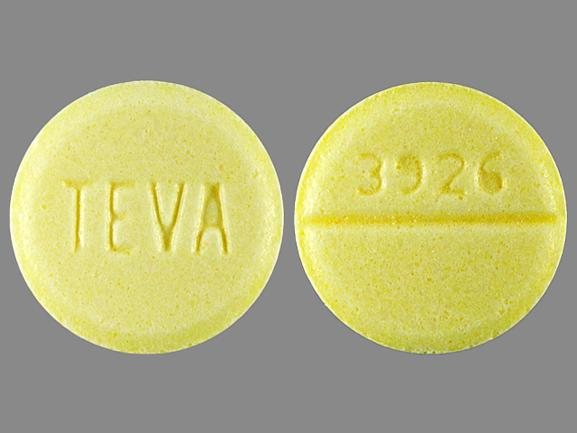
Diazepam
Generic name: diazepam (oral) [ dye-AZ-e-pam ]
Brand name: Valium
Dosage forms: oral concentrate (5 mg/mL), oral solution (5 mg/5 mL), oral tablet (10 mg; 2 mg; 5 mg)
Drug classes: Benzodiazepine anticonvulsants, Benzodiazepines
What is diazepam?
Diazepam is a benzodiazepine (ben-zoe-dye-AZE-eh-peen)). It is thought that benzodiazepines work by enhancing the activity of certain neurotransmitters in the brain.
Diazepam is used to treat anxiety disorders, or alcohol withdrawal symptoms.
Diazepam is sometimes used with other medications to treat muscle spasms and stiffness, or seizures.
Warnings
Diazepam can slow or stop your breathing, especially if you have recently used an opioid medication, alcohol, or other drugs that can slow your breathing.
MISUSE OF DIAZEPAM CAN CAUSE ADDICTION, OVERDOSE, OR DEATH, especially in a child or other person using the medicine without a prescription. Keep the medication in a place where others cannot get to it.
Fatal side effects can occur if you use this medicine with opioid medicine, alcohol, or other drugs that cause drowsiness or slow your breathing.
You should not use this medicine if you are allergic to diazepam or similar medicines (Klonopin>, Xanax, and others), or if you have myasthenia gravis, severe liver disease, narrow-angle glaucoma, a severe breathing problem, or sleep apnea.
Do not stop using this medicine without asking your doctor. You may have life-threatening withdrawal symptoms if you stop using the medicine suddenly after long-term use. Some withdrawal symptoms may last up to 12 months or longer.
Get medical help right away if you stop using diazepam and have symptoms such as: unusual muscle movements, being more active or talkative, sudden and severe changes in mood or behavior, confusion, hallucinations, seizures, or thoughts about suicide.
Related/similar drugs
Briviact, gabapentin, acetaminophen, tramadol, duloxetine, escitalopram, cyclobenzaprine
Before taking this medicine
You should not use diazepam if you are allergic to it, or if you have:
-
myasthenia gravis (a muscle weakness disorder);
-
a severe breathing problem;
-
sleep apnea (breathing stops during sleep);
-
narrow-angle glaucoma;
-
untreated or uncontrolled open-angle glaucoma; or
-
severe liver disease.
Diazepam should not be given to a child younger than 6 months old. Do not give this medicine to a child without a doctor's advice.
To make sure this medicine is safe for you, tell your doctor if you have ever had:
-
breathing problems;
-
glaucoma;
-
kidney or liver disease;
-
seizures (unless you are taking diazepam to treat a seizure disorder);
-
a drug or alcohol addiction; or
-
depression, a mood disorder, or suicidal thoughts or behavior.
Some people have thoughts about suicide while taking diazepam. Stay alert to changes in your mood or symptoms. Your family or caregivers should also watch for sudden changes in your behavior.
May harm an unborn baby. Do not use if you are pregnant or may become pregnant. If you use diazepam during pregnancy, your baby could be born with life-threatening withdrawal symptoms, and may need medical treatment for several weeks.
Do not start or stop seizure medication during pregnancy without your doctor's advice. Diazepam may harm an unborn baby, but having a seizure during pregnancy could harm both mother and baby. Preventing seizures may outweigh these risks. Tell your doctor right away if you become pregnant.
There may be other seizure medications that are safer to use during pregnancy.
You should not breastfeed.
How should I take diazepam?
Take diazepam exactly as prescribed by your doctor. Follow the directions on your prescription label and read all medication guides or instruction sheets. Never use diazepam in larger amounts, or for longer than prescribed. Tell your doctor if you feel an increased urge to use more of this medicine.
Never share this medicine with another person, especially someone with a history of drug addiction. MISUSE CAN CAUSE ADDICTION, OVERDOSE, OR DEATH. Keep the medicine where others cannot get to it. Selling or giving away this medicine is against the law.
Measure liquid medicine with the supplied measuring device (not a kitchen spoon).
Diazepam should be used for only a short time. Do not take this medicine for longer than 4 months without your doctor's advice.
Do not stop using diazepam without asking your doctor. You may have increased seizures or life-threatening withdrawal symptoms if you stop using the medicine suddenly after long-term use.
You will need frequent medical tests.
Store at room temperature away from moisture, heat, and light. Keep your medicine in a place where no one can use it improperly.
What happens if I miss a dose?
Take the medicine as soon as you can, but skip the missed dose if it is almost time for your next dose. Do not take two doses at one time.
What happens if I overdose?
Seek emergency medical attention or call the Poison Help line at 1-800-222-1222. An overdose of diazepam can be fatal if you take it with alcohol, opioid medicine, or other drugs that cause drowsiness or slow your breathing.
Overdose symptoms may include extreme drowsiness, loss of balance or coordination, limp or weak muscles, slow breathing, or coma.
What should I avoid while taking diazepam?
Avoid drinking alcohol. Dangerous side effects or death could occur.
Grapefruit may interact with diazepam and lead to unwanted side effects. Avoid the use of grapefruit products.
Avoid driving or hazardous activity until you know how this medicine will affect you. Dizziness or drowsiness can cause falls, accidents, or severe injuries.
Diazepam side effects
Get emergency medical help if you have signs of an allergic reaction to diazepam: hives; difficult breathing; swelling of your face, lips, tongue, or throat.
Diazepam can slow or stop your breathing, especially if you have recently used an opioid medication or alcohol. A person caring for you should seek emergency medical attention if you have slow breathing with long pauses, blue colored lips, or if you are hard to wake up.
Tell your doctor right away if you have new or sudden changes in mood or behavior, including new or worse depression or anxiety, panic attacks, trouble sleeping, or if you feel impulsive, irritable, agitated, hostile, aggressive, restless, more active or talkative, or have thoughts about suicide or hurting yourself.
Call your doctor at once if you have:
-
severe drowsiness or dizziness;
-
trouble breathing;
-
confusion, paranoia; or
-
new or worsening seizures.
Drowsiness or dizziness may last longer in older adults. Use caution to avoid falling or accidental injury.
Common diazepam side effects may include:
-
drowsiness;
-
feeling tired;
-
muscle weakness; or
-
problems with balance or muscle movement.
After you stop using diazepam, get medical help right away if you have symptoms such as: unusual muscle movements, being more active or talkative, sudden and severe changes in mood or behavior, confusion, hallucinations, seizures, suicidal thoughts or actions.
Some withdrawal symptoms may last up to 12 months or longer after stopping this medicine suddenly. Tell your doctor if you have ongoing anxiety, depression, problems with memory or thinking, trouble sleeping, ringing in your ears, a burning or prickly feeling, or a crawling sensation under your skin.
This is not a complete list of side effects and others may occur. Call your doctor for medical advice about side effects. You may report side effects to FDA at 1-800-FDA-1088.
What other drugs will affect diazepam?
Taking diazepam with other drugs that make you sleepy or slow your breathing can cause dangerous side effects or death. Ask your doctor before using opioid medication, a sleeping pill, a muscle relaxer, or medicine for anxiety or seizures.
Other drugs may interact with diazepam, including prescription and over-the-counter medicines, vitamins, and herbal products. Tell your doctor about all other medicines you use.
More about diazepam
- Check interactions
- Compare alternatives
- Pricing & coupons
- Reviews (860)
- Drug images
- Latest FDA alerts (2)
- Side effects
- Dosage information
- Patient tips
- During pregnancy
- Support group
- Drug class: benzodiazepine anticonvulsants
- Breastfeeding
Patient resources
- Diazepam Nasal Spray patient information
- Diazepam Oral Concentrate
- Diazepam Oral Solution
- Diazepam Tablets
- Diazepam Rectal Gel
Other brands
Valium, Valtoco, Diastat, Diazepam Intensol, ... +3 more
Professional resources
- Diazepam monograph
- Diazepam (FDA)
- Diazepam Autoinjector (FDA)
- Diazepam Injection (FDA)
- Diazepam Oral Solution Concentrate (FDA)
Other brands
Valium, Valtoco, Diastat, Libervant
Related treatment guides
Further information
Remember, keep this and all other medicines out of the reach of children, never share your medicines with others, and use this medicine only for the indication prescribed.
Always consult your healthcare provider to ensure the information displayed on this page applies to your personal circumstances.
Copyright 1996-2024 Cerner Multum, Inc. Version: 15.01.