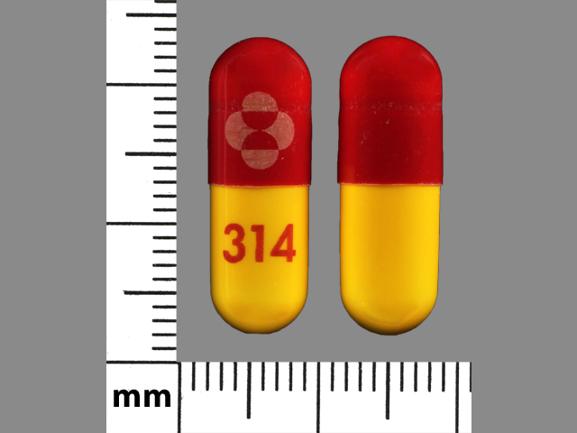
Victrelis

Generic Name: Boceprevir
Class: HCV Protease Inhibitors
VA Class: AM800
Chemical Name: (1R,2S,5S) - N - [3 - Amino - 1 - (cyclobutylmethyl) - 2,3 - dioxopropyl] - 3 - [(2S) - 2 - [[[(1,1 - dimethylethyl)amino]carbonyl]amino] - 3,3 - dimethyl - 1 - oxobutyl] - 6,6 - dimethyl - 3 - azabicyclo[3.1.0]hexane - 2 - carboxamide
Molecular Formula: C27H45N5O5
CAS Number: 394730-60-0

Introduction

Antiviral; HCV NS3/4A protease inhibitor.1 3 4 5

Uses for Victrelis

Chronic Hepatitis C Virus (HCV) Infection

Treatment of chronic HCV genotype 1 infection in adults with compensated liver disease (including cirrhosis) who are treatment naive (previously untreated) or have failed prior treatment with interferon and ribavirin.1 3 4

Used in conjunction with peginterferon alfa (alfa-2a, alfa-2b) and ribavirin;1 do not use alone.1

American Association for the Study of Liver Diseases (AASLD) and others recommend an NS3/4A protease inhibitor (i.e., boceprevir, telaprevir) in conjunction with peginterferon alfa and ribavirin as the standard of care for initial treatment of chronic HCV genotype 1 infection in treatment-naive adults.119 121 Also recommended for retreatment in adults with virologic relapse or partial response after treatment with other regimens (interferon alfa or peginterferon alfa with or without ribavirin).119 121

Slideshow: Hitting the Beach? Soak Up These Top Sun Safety Tips

Has not been studied in patients who were null responders (i.e., <2 log10 decline in plasma HCV RNA levels by treatment week 12) to prior treatment with peginterferon alfa and ribavirin.1

Among patients receiving boceprevir in clinical trials, those with poor response to lead-in therapy with peginterferon alfa and ribavirin (i.e., <0.5 log10 decline in plasma HCV RNA levels at treatment week 4) were less likely to achieve a sustained virologic response (SVR) and more likely to have resistance-associated mutations detected on treatment failure compared with patients who had a greater response to lead-in therapy.1

Efficacy not established in patients who previously failed therapy with a regimen containing boceprevir or other HCV NS3/4A protease inhibitor.1

Safety and efficacy not established in patients with HCV and HBV or HIV coinfection or in recipients of liver or other organ transplantations.1

Treatment of chronic HCV infection is complex and rapidly evolving; consult a specialist to obtain the most up-to-date information.96 119 121

Victrelis Dosage and Administration

General

  • Must be used in conjunction with peginterferon alfa and ribavirin; do not use as monotherapy.1

  • After an initial 4-week regimen (lead-in) of peginterferon alfa and ribavirin, add boceprevir to the regimen for total treatment duration that depends on presence of cirrhosis, prior treatment experience, and current treatment response (response-guided therapy).1 After completion of 3-drug regimen that includes boceprevir, some patients require additional weeks of therapy with peginterferon alfa and ribavirin (without boceprevir).1

  • Assess plasma HCV RNA levels at baseline and at total treatment duration of 4, 8, 12, and 24 weeks.1 Also assess at completion of therapy, during follow-up, and when clinically indicated.1 (See Laboratory Monitoring under Cautions.)

Administration

Oral Administration

Administer orally 3 times daily (every 7–9 hours) with food.1

If a missed dose is remembered ≥2 hours before next scheduled time, take the dose (with food) as soon as possible and resume regular dosing schedule.1 If a missed dose is remembered <2 hours before the next dose is due, skip the dose and resume regular dosing schedule.1

Dosage

Do not reduce boceprevir dosage for any reason.1 If serious adverse reactions potentially related to peginterferon alfa and/or ribavirin occur, adjust dosage or discontinue peginterferon alfa and ribavirin according to the respective manufacturer’s prescribing information.1 If peginterferon alfa or ribavirin is discontinued for any reason, boceprevir also must be discontinued.1

Adults

Treatment of Chronic HCV Infection
Oral

800 mg 3 times daily (every 7–9 hours) in conjunction with peginterferon alfa and ribavirin for a total treatment duration that depends on response (response-guided therapy).1 (See Table 1.)

Give all patients 4 weeks of lead-in therapy with peginterferon alfa and ribavirin prior to adding boceprevir to the regimen.1

Table 1. Recommended Response-guided Therapy Regimen and Total Treatment Duration.1

Patient Type and Initial Response (HCV RNA Levels at Week 8/Week 24)

Response-guided Therapy Regimen

Total Treatment Duration

Treatment-naive (undetectable/undetectable)

Weeks 1–4: Peginterferon alfa and ribavirin; Weeks 5–28: Boceprevir, peginterferon alfa, and ribavirin

28 weeks

Treatment-naive (detectable/undetectable)

Weeks 1–4: Peginterferon alfa and ribavirin; Weeks 5–36: Boceprevir, peginterferon alfa, and ribavirin; Weeks 37–48: Peginterferon alfa and ribavirin

48 weeks

Prior partial response or relapse (undetectable/undetectable)

Weeks 1–4:Peginterferon alfa and ribavirin; Weeks 5–36: Boceprevir, peginterferon alfa, and ribavirin

36 weeks

Prior partial response or relapse (detectable/undetectable)

Weeks 1–4: Peginterferon alfa and ribavirin; Weeks 5–36: Boceprevir, peginterferon alfa, and ribavirin; Weeks 37–48: Peginterferon alfa and ribavirin

48 weeks

Cirrhosis (any/undetectable)

Weeks 1–4: Peginterferon alfa and ribavirin; Weeks 5–48: Boceprevir, peginterferon alfa, and ribavirin

48 weeks

Treatment-naive patients with a poor response to lead-in treatment with peginterferon alfa and ribavirin (<0.5 log10 decline in plasma HCV RNA levels at treatment week 4): Consider regimen of boceprevir in conjunction with peginterferon alfa and ribavirin for 44 weeks (i.e., total treatment duration of 48 weeks).1

Previously-treated patients who had <2 log10 decline in plasma HCV RNA levels at treatment week 12 of prior peginterferon and ribavirin therapy: Consider 4-week lead-in regimen of peginterferon alfa and ribavirin followed by 44 weeks of boceprevir in conjunction with peginterferon alfa and ribavirin (i.e., total treatment duration of 48 weeks).1

Discontinue all 3 drugs (boceprevir, peginterferon alfa, ribavirin) in patients experiencing treatment futility (i.e., plasma HCV RNA levels ≥100 IU/mL at treatment week 12 or confirmed detectable plasma HCV RNA levels after total treatment duration of 24 weeks).1

Special Populations

Hepatic Impairment

Dosage adjustments not required in patients with mild, moderate, or severe hepatic impairment;1 safety and efficacy not studied in patients with decompensated cirrhosis.1

Renal Impairment

Dosage adjustments not required in patients with mild, moderate, or severe renal impairment.1

Cautions for Victrelis

Contraindications

  • Because boceprevir must be used in conjunction with peginterferon alfa and ribavirin, it is contraindicated in women who are or may become pregnant and in male partners of pregnant women.1 Consider contraindications, warnings, and precautions for all 3 drugs.1 (See Fetal/Neonatal Morbidity and Mortality under Cautions.)

  • Concomitant use with drugs highly dependent on CYP3A4/5 for metabolism and for which elevated plasma concentrations are associated with serious and/or life-threatening events (e.g., alfuzosin, cisapride, drosperinone, ergot alkaloids, lovastatin or simvastatin, oral midazolam or triazolam, pimozide, sildenafil or tadalafil used for treatment of pulmonary arterial hypertension [PAH]).1 (See Specific Drugs under Interactions.)

  • Concomitant use with potent inducers of CYP3A4/5, where substantially reduced plasma boceprevir concentrations may be associated with reduced efficacy (e.g., carbamazepine, phenobarbital, phenytoin, rifampin, St. John’s wort [Hypericum perforatum]).1 (See Specific Drugs under Interactions.)

Warnings/Precautions

Fetal/Neonatal Morbidity and Mortality

Boceprevir must be used in conjunction with peginterferon alfa and ribavirin.1 Ribavirin may cause birth defects and/or fetal death;1 interferons may have abortifacient effects in humans.1

Pregnancy must be avoided in female patients and female partners of male patients receiving ribavirin with or without boceprevir and peginterferon.1 Obtain a report of a negative pregnancy test for female patients of childbearing potential immediately prior to initiating ribavirin and perform pregnancy tests monthly during and for 6 months after ribavirin treatment is completed.1

Women of childbearing potential (and their male partners) and male patients (and their female partners) must use at least 2 forms of effective contraception during and for 6 months after ribavirin treatment is completed.1 Because of pharmacokinetic interactions, systemic hormonal contraceptives may have reduced efficacy in women taking boceprevir (see Specific Drugs under Interactions).1 Women should use 2 alternative methods (e.g., intrauterine devices, barrier methods) during boceprevir therapy.1

Hematologic Effects

Risk of anemia.1 Concomitant use of boceprevir, peginterferon alfa, and ribavirin has been associated with greater decreases in hemoglobin concentrations than use of peginterferon and ribavirin without boceprevir.1 Increased incidence of adverse reactions consistent with symptoms of anemia (e.g., dizziness, dyspnea, syncope) reported when boceprevir added to peginterferon and ribavirin regimen.1 In clinical trials, dosage modification of peginterferon alfa and/or ribavirin, erythropoiesis stimulating agents, and transfusions used more frequently in patients receiving boceprevir with peginterferon alfa and ribavirin than in those receiving peginterferon alfa and ribavirin without boceprevir.1

Risk of severe or life-threatening neutropenia, including life-threatening infections associated with neutropenia.1 In clinical trials, more patients receiving boceprevir, peginterferon alfa, and ribavirin experienced neutrophil counts <500/mm3 than those receiving peginterferon alfa and ribavirin.1

Thromboembolic events reported during boceprevir clinical trials; causality and risk/benefit assessments cannot be made.1

Decreased neutrophil counts may require dosage reduction or discontinuance of peginterferon alfa and ribavirin.1

Ribavirin dosage reduction or interruption recommended if hemoglobin concentrations <10 g/dL;1 discontinuance of ribavirin recommended if hemoglobin concentrations <8.5 g/dL.1

If ribavirin or peginterferon alfa is discontinued because of adverse effects, boceprevir also must be discontinued.1

Drug Interactions

Concomitant use with certain drugs is contraindicated or requires particular caution.1 (See Specific Drugs under Interactions.)

Laboratory Monitoring

Monitor plasma HCV RNA levels using a sensitive real-time reverse-transcriptase polymerase chain reaction (PCR) assay at baseline, at total treatment duration of 4, 8, 12, and 24 weeks, at end of treatment, during treatment follow-up, and as clinically indicated.1 Use an assay with a lower limit of HCV RNA quantification of ≤25 IU/mL and a limit of HCV RNA detection of approximately 10–15 IU/mL.1 When assessing HCV RNA levels for the purposes of response-guided therapy, a result of confirmed “detectable but below limit of quantification” is not considered equivalent to “undetectable” HCV RNA.1 (See Dosage.)

Obtain CBC (with WBC differential) at baseline, at total treatment duration of 4, 8, and 12 weeks, and as clinically indicated.1 (See Hematologic Effects under Warnings/Precautions.)

Specific Populations

Pregnancy

Category B (boceprevir; not indicated for monotherapy).1

Category X (boceprevir used in conjunction with ribavirin and peginterferon alfa).1 (See Fetal/Neonatal Morbidity and Mortality and see Contraindications under Cautions.)

Pregnancy registry at 800-593-2214 to monitor pregnancy outcomes of female patients and female partners of male patients exposed to ribavirin.1

Lactation

Distributed into milk in rats; not known whether distributed into human milk.1 Discontinue nursing or the drug.1

Pediatric Use

Safety and efficacy not established in children <18 years of age.1 2

Geriatric Use

Insufficient experience in patients ≥65 years of age to determine whether geriatric patients respond differently than younger adults; use with caution due to greater frequency of decreased hepatic function and of concomitant disease and drug therapy observed in the elderly.1

Hepatic Impairment

Safety and efficacy not studied in patients with decompensated cirrhosis.1

Renal Impairment

Only minimally eliminated in urine; dosage adjustments not needed.1

Common Adverse Effects

Fatigue, anemia, nausea, headache, dysgeusia.1

Interactions for Victrelis

Metabolized primarily by aldo-keto reductase (AKR); clinically important drug interactions not reported to date with AKR inhibitors.1

Partially metabolized by and is a strong inhibitor of CYP3A4/5.1 Does not inhibit CYP1A2, 2A6, 2B6, 2C8, 2C9, 2C19, 2D6, or 2E1 and does not induce CYP1A2, 2B6, 2C8, 2C9, 2C19, or 3A4/5 in vitro.1

Substrate for and potential inhibitor of P-glycoprotein; drug interactions with P-glycoprotein substrates not evaluated.1

Drugs Affecting or Metabolized by Hepatic Microsomal Enzymes

Potential pharmacokinetic interaction with drugs that are substrates of CYP3A4/5 with possible increased exposure to concomitant drug and subsequent increased or prolonged adverse or therapeutic effects.1

Potential pharmacokinetic interaction with drugs that are inducers or inhibitors of CYP3A4/5 with possible alteration in boceprevir metabolism and concentrations.1

Specific Drugs

Drug

Interaction

Comments

Alfuzosin

Possible increased alfuzosin concentrations; may result in hypotension1

Concomitant use contraindicated1

Antiarrhythmic agents (amiodarone, flecainide, propafenone, quinidine)

Possible increased concentrations of antiarrhythmic agent; potential for serious and/or life-threatening effects1

Use with caution; monitor antiarrhythmic agent concentrations1

Anticoagulants, oral (e.g., warfarin)

Possible altered warfarin concentrations1

Monitor INR closely1

Anticonvulsants (carbamazepine, phenobarbital, phenytoin)

Carbamazepine, phenobarbital, phenytoin: Possible decreased boceprevir concentrations and loss of virologic response1

Concomitant use contraindicated1

Antifungals, azoles

Ketoconazole: Increased boceprevir concentrations and AUC; possible increased ketoconazole concentrations1

Itraconazole, posaconazole, voriconazole: Possible increased concentrations of antifungal agent1

Ketoconazole, itraconazole: If concomitant use required, do not exceed antifungal dosage of 200 mg daily1

Antimycobacterials (rifabutin, rifampin)

Rifabutin: Possible increased exposure to rifabutin and decreased exposure to boceprevir1

Rifampin: Possible decreased boceprevir concentrations; possible loss of virologic response1

Rifabutin: Appropriate dosages for concomitant use not established; concomitant use not recommended1

Rifampin: Concomitant use contraindicated1

Atazanavir

Ritonavir-boosted atazanavir: Decreased concentrations and AUC of boceprevir, atazanavir, and ritonavir;1 200 possible reduced efficacy of HCV and antiretroviral treatment regimens17 18

Ritonavir-boosted atazanavir: Concomitant use not recommended1 200

If boceprevir was initiated for treatment of chronic HCV in a patient coinfected with HIV receiving a suppressive antiretroviral regimen containing ritonavir-boosted atazanavir, inform patient of possible drug interactions and closely monitor for HCV treatment response and potential HCV and HIV virologic rebound17 18

Benzodiazepines (alprazolam, midazolam, triazolam)

Midazolam: Increased midazolam concentrations and AUC; potential for serious and/or life-threatening effects (e.g., prolonged or increased sedation or respiratory depression)1

Alprazolam or triazolam: Possible increased benzodiazepine concentrations1

Oral midazolam, triazolam: Concomitant use contraindicated1

Alprazolam, IV midazolam: Consider lower benzodiazepine dosage; monitor closely for respiratory depression and/or prolonged sedation1

Bosentan

Possible increased bosentan concentrations1

Use with caution; monitor closely1

Buprenorphine

Possible altered buprenorphine concentrations1

Monitor clinically; buprenorphine dosage may need to be altered1

Calcium-channel blockers, dihydropyridine (felodipine, nifedipine, nicardipine)

Possible increased calcium-channel blocker concentrations1

Use with caution; monitor clinically1

Cisapride

Possible increased cisapride concentrations; potential for serious and/or life-threatening effects (e.g., cardiac arrhythmias)1

Concomitant use contraindicated1

Colchicine

Substantially increased colchicine concentrations expected; fatal colchicine toxicity reported with other strong inhibitors of CYP3A41

Patients with renal or hepatic impairment: Avoid concomitant use1

Colchicine for treatment of gout flares: In those receiving boceprevir, use initial colchicine dose of 0.6 mg followed by 0.3 mg 1 hour later and repeat dose no earlier than 3 days later1

Colchicine for prophylaxis of gout flares: In those receiving boceprevir, decrease colchicine dosage to 0.3 mg once daily in those originally receiving 0.6 mg twice daily or decrease dosage to 0.3 mg once every other day in those originally receiving 0.6 mg once daily1

Colchicine for treatment of familial Mediterranean fever (FMF): In those receiving boceprevir, use maximum colchicine dosage of 0.6 mg daily (may be given as 0.3 mg twice daily)1

Corticosteroids

Budesonide or fluticasone (nasal spray/oral inhalation): Possible increased corticosteroid concentrations; possible reduced serum cortisol concentrations1

Dexamethasone: Possible decreased boceprevir concentrations; possible loss of virologic efficacy1

Budesonide or fluticasone (nasal spray/oral inhalation): If possible, avoid concomitant use (particularly for extended duration)1

Dexamethasone: Avoid concomitant use when possible; use with caution if concomitant use necessary1

Darunavir

Ritonavir-boosted darunavir: Decreased concentrations and AUC of boceprevir, darunavir, and ritonavir;1 200 possible reduced efficacy of HCV and HIV treatment regimens17 18

Ritonavir-boosted darunavir: Concomitant use not recommended1 200

If boceprevir was initiated for treatment of chronic HCV in a patient coinfected with HIV receiving a suppressive antiretroviral regimen containing ritonavir-boosted darunavir, inform patient of possible drug interactions and closely monitor for HCV treatment response and potential HCV and HIV virologic rebound17 18

Desipramine

Possible increased desipramine concentrations may result in dizziness, hypotension, and syncope1

Use with caution; consider lower desipramine dosage1

Digoxin

Possible increased digoxin concentrations1

Use lowest initial digoxin dosage and titrate carefully; monitor digoxin concentrations1

Efavirenz

Decreased boceprevir concentrations and AUC and possible loss of therapeutic boceprevir effects;1 200 slightly increased efavirenz concentrations and AUC1 200

Avoid concomitant use1 200

Ergot alkaloids (dihydroergotamine, ergonovine, ergotamine, methylergonovine)

Possible increased concentrations of ergot alkaloids and potential for serious and/or life-threatening effects such as ergot toxicity (peripheral vasospasm, ischemia of the extremities and other tissues)1

Concomitant use contraindicated1

Estrogens/Progestins

Drosperinone: Increased drosperinone concentrations; potential hyperkalemia1

Other progestins: Possible increased progestin exposure1

Ethinyl estradiol: Decreased ethinyl estradiol AUC1

Drosperinone: Concomitant use contraindicated1

Systemic hormonal contraceptives: May not be effective in women receiving boceprevir; use 2 alternative methods of contraception (e.g., intrauterine devices, barrier methods) while receiving boceprevir and ribavirin (see Fetal/Neonatal Morbidity and Mortality under Cautions)1

Fosamprenavir

Ritonavir-boosted fosamprenavir: Possible pharmacokinetic interactions16

Concomitant use with ritonavir-boosted HIV PIs not recommended12

HMG-CoA reductase inhibitors (statins)

Atorvastatin, lovastatin, simvastatin: Possible increased concentrations of the antilipemic agents; increased risk of statin-associated adverse effects, including myopathy and rhabdomyolysis1 186

Atorvastatin: Titrate atorvastatin dosage carefully; do not exceed atorvastatin 20 mg daily1

Lovastatin: Concomitant use contraindicated1 186

Simvastatin: Concomitant use contraindicated1 186

Immunosuppressants (cyclosporine, sirolimus, tacrolimus)

Cyclosporine, tacrolimus: Increased immunosuppressant concentrations and AUCs; no clinically important effect on boceprevir pharmacokinetics8

Sirolimus: Possible increased immunosuppressant concentrations 1

Closely monitor immunosuppressant concentrations and renal function;1 8 immunosuppressant dosage may need to be reduced8

Lopinavir/ritonavir

Decreased concentrations and AUC of boceprevir, lopinavir, and ritonavir;1 200 possible reduced efficacy of HCV and antiretroviral treatment regimens17 18

Concomitant use not recommended1 200

If boceprevir was initiated for treatment of chronic HCV in a patient coinfected with HIV receiving a suppressive antiretroviral regimen containing lopinavir/ritonavir, inform patient of possible drug interactions and closely monitor for HCV treatment response and potential HCV and HIV virologic rebound17 18

Macrolides (clarithromycin)

Possible increased clarithromycin concentrations1

Dosage modification not needed in patients with normal renal function1

Methadone

Possible altered methadone concentrations1

Monitor clinically; methadone dosage may need to be altered1

Nonsteroidal anti-inflammatory agents (NSAIAs) (diflunisal, ibuprofen)

Clinically important interaction not observed1

May use concomitantly1

Peginterferon alfa

Clinically important alterations in boceprevir or peginterferon alfa-2b concentrations not observed1

No in vitro evidence of antagonistic anti-HCV effects with interferon alfa-2b1

Boceprevir must be administered concomitantly with peginterferon alfa and ribavirin1

Pimozide

Possible increased pimozide concentrations; potential for serious and/or life-threatening adverse effects (e.g., cardiac arrhythmias)1

Concomitant use contraindicated1

Raltegravir

Pharmacokinetic interactions not expected200

Dosage adjustments not needed200

Ritonavir

Low-dose ritonavir (100 mg daily): Decreased boceprevir concentrations and AUC1

Concomitant use with ritonavir-boosted HIV PIs not recommended12

St. John’s wort (Hypericum perforatum)

Possible decreased boceprevir concentrations; possible loss of virologic response1

Concomitant use contraindicated1

Salmeterol

Possible increased salmeterol concentrations and increased risk of salmeterol-associated adverse cardiovascular events1

Concomitant use not recommended1

Saquinavir

Ritonavir-boosted saquinavir: Possible pharmacokinetic interactions16

Concomitant use with ritonavir-boosted HIV PIs not recommended12

Sildenafil

Possible increased sildenafil concentrations and increased risk of sildenafil-associated adverse effects (hypotension, syncope, visual changes, priapism)

Sildenafil (Revatio) for treatment of PAH: Concomitant use with boceprevir contraindicated1

Sildenafil for treatment of erectile dysfunction: Use with caution and with reduced sildenafil dosage (do not exceed 25 mg every 48 hours);1 increase monitoring for adverse effects1

Tadalafil

Possible increased tadalafil concentrations and increased risk of tadalafil-associated adverse effects (hypotension, syncope, visual changes, priapism)1

Tadalafil (Adcirca) for treatment of PAH: Concomitant use with boceprevir contraindicated1

Tadalafil for treatment of erectile dysfunction: Use with caution and with reduced tadalafil dosage (do not exceed 10 mg every 72 hours);1 increase monitoring for adverse effects1

Tenofovir

No clinically important pharmacokinetic interactions1

Dosage adjustments not needed200

Tipranavir

Ritonavir-boosted tipranavir: Possible pharmacokinetic interactions16

Concomitant use with ritonavir-boosted HIV PIs not recommended12

Trazodone

Possible increased trazodone concentrations may result in dizziness, hypotension, and syncope1

Use caution;1 consider lower trazodone dosage1

Vardenafil

Possible increased vardenafil concentrations and increased risk of tadalafil-associated adverse effects (hypotension, syncope, visual changes, priapism)1

Use with caution and with reduced vardenafil dosage (do not exceed 2.5 mg every 24 hours);1 increase monitoring for adverse effects1

Victrelis Pharmacokinetics

Absorption

Bioavailability

Administered as a 1:1 mixture of 2 diastereomers that rapidly interconvert in plasma to a ratio of 2:1 favoring the active diastereomer (SCH534128) over the inactive diastereomer (SCH534129).1 Plasma concentrations reported in pharmacokinetic studies generally consist of both diastereomers.1

Following oral administration, peak plasma concentrations attained approximately 2 hours after a dose.1

Based on studies using 800-mg and 1200-mg doses, peak plasma concentrations and AUC increase in a less-than-dose-proportional manner; diminished absorption may occur at higher doses.1

Food

Food increases boceprevir exposure by up to 65% relative to fasting state.1 Effects are similar regardless of meal type (low-fat or high-fat) or whether the drug is taken 5 minutes prior to, during, or following meal.1

Plasma Concentrations

Steady state is achieved after 1 day of 3-times daily dosing; accumulation is minimal (0.8- to 1.5-fold).1

Special Populations

Mean exposure to the active boceprevir diastereomer (SCH534128) was 32 or 45% higher in non-HCV-infected adults with moderate (Child-Pugh score 7–9) or severe (Child-Pugh score 10–12) hepatic impairment, respectively, relative to adults with normal hepatic function.1 Mean peak plasma concentrations were 28 and 62% higher, respectively.1 Exposure was similar between adults with mild (Child-Pugh score 5–6) hepatic impairment and those with normal hepatic function.1

Mean exposure to boceprevir was 10% lower in non-HCV-infected individuals with end-stage renal disease receiving hemodialysis compared with individuals with normal renal function.1

Population pharmacokinetic analysis indicates age (range 19–65 years), gender, and race do not effect exposure.1

Distribution

Plasma Protein Binding

Approximately 75%.1

Elimination

Metabolism

Primarily metabolized to inactive ketone-reduced metabolites via the AKR-mediated pathway.1 6

To a lesser extent, undergoes oxidative metabolism via CYP3A4/5.1 6

Elimination Route

Eliminated primarily by liver; excreted in feces (79%) and urine (9%) primarily as metabolites.1

Half-life

Approximately 3.4 hours.1

Special Populations

Hemodialysis removes <1% of dose.1

Stability

Storage

Oral

Capsules

Prior to dispensing, store at 2–8°C.1

After dispensing, store at 2–8°C until expiration date; alternatively, store at room temperature (up to 25°C) for 3 months.1

Avoid exposure to excessive heat; keep container tightly closed.1

Actions and Spectrum

  • Direct-acting antiviral (DAA) agent active against HCV.1

  • The α-ketoamide functional group of boceprevir selectively, covalently, and reversibly binds the active serine site of HCV NS3 protease, thereby blocking proteolytic cleavage of NS4A, NS4B, NS5A, and NS5B from the HCV-encoded polyprotein and inhibiting HCV replication in host cells.1 5

  • Has in vitro activity against HCV genotypes 1a and 1b, but is less active against HCV genotypes 2, 2a, and 3a.1

  • Certain amino acid substitutions (mutations) in HCV NS3 protease domain (V36A/I/M, Q41R, F43C/S, T54A/S, T54C, V55A/I, R155K/M/Q, R155G/I/T, A156S/T/V, V158I, V170A/T, M175L) associated with reduced in vitro susceptibility to boceprevir;1 9 10 15 boceprevir activity further reduced with multiple resistance mutations.1 Q80K substitution did not result in decreased susceptibility to boceprevir in vitro.1

  • Majority of patients receiving boceprevir in phase 3 clinical trials who did not experience SVR had treatment-emergent resistance mutations.1 After 2.5 years of follow-up, treatment-emergent mutations observed during phase 2 clinical trials remained detectable in 25% of patients.1 Long-term clinical effects of treatment-emergent or persistent mutations associated with boceprevir resistance are unknown.1 7 Clinical impact of prior exposure to HCV NS3/4A protease inhibitors (including boceprevir) not evaluated.1

  • HCV isolates with treatment-emergent boceprevir resistance mutations with decreased in vitro susceptibility or cross-resistance to other HCV NS3/4A protease inhibitors (e.g., telaprevir) reported.1 7 15 Cross-resistance not expected between boceprevir and interferons or ribavirin.1

Advice to Patients

  • Importance of using boceprevir in conjunction with ribavirin and peginterferon; not for monotherapy.1

  • Possibility of adverse hematologic effects (anemia, neutropenia); necessity of laboratory monitoring.1

  • Importance of proper storage; refrigerate until expiration date or store at room temperature for up to 3 months.1 Advise patient that each bottle contains capsules for one full day of treatment.1

  • If a missed dose is remembered ≥2 hours before the next dose is due, advise patient to take the missed dose with food and then resume normal dosing schedule.1 If a missed dose is remembered <2 hours before the next dose is due, advise patient to skip the missed dose.1

  • Effect of HCV treatment on transmission of HCV unknown; appropriate precautions to prevent transmission should be used.1

  • Importance of informing clinicians of existing or contemplated concomitant therapy, including prescription and OTC drugs and dietary or herbal supplements, as well as any concomitant illnesses.1

  • Importance of women informing clinicians if they are or plan to become pregnant or plan to breast-feed.1 Advise men and women of importance of using effective contraception during and for 6 months after ribavirin therapy.1 (See Fetal/Neonatal Morbidity and Mortality under Cautions.)

  • Importance of informing patients of other important precautionary information.1 (See Cautions.)

Preparations

Excipients in commercially available drug preparations may have clinically important effects in some individuals; consult specific product labeling for details.

Boceprevir

Routes

Dosage Forms

Strengths

Brand Names

Manufacturer

Oral

Capsules

200 mg

Victrelis

Schering

Comparative Pricing

This pricing information is subject to change at the sole discretion of DS Pharmacy. This pricing information was updated 02/2013. Actual costs to patients will vary depending on the use of specific retail or mail-order locations and health insurance copays.

Victrelis 200MG Capsules (SCHERING): 12/$183.99 or 36/$521.98

Disclaimer

This report on medications is for your information only, and is not considered individual patient advice. Because of the changing nature of drug information, please consult your physician or pharmacist about specific clinical use.

The American Society of Health-System Pharmacists, Inc. and Drugs.com represent that the information provided hereunder was formulated with a reasonable standard of care, and in conformity with professional standards in the field. The American Society of Health-System Pharmacists, Inc. and Drugs.com make no representations or warranties, express or implied, including, but not limited to, any implied warranty of merchantability and/or fitness for a particular purpose, with respect to such information and specifically disclaims all such warranties. Users are advised that decisions regarding drug therapy are complex medical decisions requiring the independent, informed decision of an appropriate health care professional, and the information is provided for informational purposes only. The entire monograph for a drug should be reviewed for a thorough understanding of the drug's actions, uses and side effects. The American Society of Health-System Pharmacists, Inc. and Drugs.com do not endorse or recommend the use of any drug. The information is not a substitute for medical care.

AHFS Drug Information. © Copyright, 1959-2013, Selected Revisions October 11, 2012. American Society of Health-System Pharmacists, Inc., 7272 Wisconsin Avenue, Bethesda, Maryland 20814.

References

1. Schering Corporation. Victrelis (boceprevir) capsules prescribing information. Whitehouse Station, NJ; 2012 Apr.

2. Schering Corporation. Victrelis (boceprevir) medication guide. Whitehouse Station, NJ; 2011 May.

3. Poordad F, McCone J, Bacon BR et al. Boceprevir for untreated chronic HCV genotype 1 infection. N Engl J Med. 2011; 364:1195-206. [PubMed 21449783]

4. Bacon BR, Gordon SC, Lawitz E et al. Boceprevir for previously treated chronic HCV genotype 1 infection. N Engl J Med. 2011; 364:1207-17. [PubMed 21449784]

5. Chen KX, Njoroge FG. The Journey to the Discovery of Boceprevir: an NS3-NS4 HCV protease inhibitor for the treatment of chronic hepatitis C. Prog Med Chem. 2010; 49:1-36. [PubMed 20855037]

6. Ghosal A, Yuan Y, Tong W et al. Characterization of human liver enzymes involved in the biotransformation of boceprevir, a hepatitis C virus protease inhibitor. Drug Metab Dispos. 2011; 39:510-21. [PubMed 21123164]

7. Susser S, Welsch C, Wang Y et al. Characterization of resistance to the protease inhibitor boceprevir in hepatitis C virus-infected patients. Hepatology. 2009; 50:1709-18. [PubMed 19787809]

8. Hulskotte E, Gupta S, Xuan F et al. Pharmacokinetic interaction between the hcv protease inhibitor boceprevir and cyclosporine and tacrolimus in healthy volunteers. Hepatology. 2012; :. [PubMed 22576324]

9. Vicenti I, Rosi A, Saladini F et al. Naturally occurring hepatitis C virus (HCV) NS3/4A protease inhibitor resistance-related mutations in HCV genotype 1-infected subjects in Italy. J Antimicrob Chemother. 2012; 67:984-7. [PubMed 22258932]

10. Vermehren J, Susser S, Lange CM et al. Mutations selected in the hepatitis C virus NS3 protease domain during sequential treatment with boceprevir with and without pegylated interferon alfa-2b. J Viral Hepat. 2012; 19:120-7. [PubMed 22239501]

12. Reddy SS. Dear healthcare professional letter. Results of pharmacokinetic study in healthy volunteers given victrelis (boceprevir) and ritonavir-boosted HIV protease inhibitors may indicate clinically significant drug interactions for patients coinfected with chronic hepatitis C and HIV. West Point, PA: Merck; 2012 Feb 6.

15. Sarrazin C, Zeuzem S. Resistance to direct antiviral agents in patients with hepatitis C virus infection. Gastroenterology. 2010; 138:447-62. [PubMed 20006612]

16. Seden K, Back D, Khoo S. New directly acting antivirals for hepatitis C: potential for interaction with antiretrovirals. J Antimicrob Chemother. 2010; 65:1079-85. [PubMed 20335191]

17. Food and Drug Administration. FDA drug safety communication: Important drug interactions between Victrelis (boceprevir) and ritonavir-boosted human immunodeficiency virus (HIV) protease inhibitor drugs. 2012 Feb 8. From FDA website. Accessed 2012 Apr 23.

18. Food and Drug Administration. FDA drug safety communication: Updated information on drug interactions between Victrelis (boceprevir) and certain boosted HIV protease inhibitor drugs. 2012 Apr 26. From FDA website. Accessed 2012 Jul 9.

96. Ghany MG, Strader DB, Thomas DL et al. Diagnosis, management, and treatment of hepatitis C: an update. AASLD Practice Guidelines. Hepatology. 2009; 49:1335-74. [PubMed 19330875]

119. Ghany MG, Nelson DR, Strader DB et al. An update on treatment of genotype 1 chronic hepatitis C virus infection: 2011 practice guideline by the American Association for the Study of Liver Diseases. Hepatology. 2011; 54:1433-44. [PubMed 21898493]

121. Yee HS, Chang MF, Pocha C et al. Update on the management and treatment of hepatitis C virus infection: recommendations from the Department of Veterans Affairs Hepatitis C Resource Center Program and the National Hepatitis C Program Office. Am J Gastroenterol. 2012; 107:669-89; quiz 690. [PubMed 22525303]

186. Food and Drug Administration. FDA drug safety communication: Interactions between certain HIV or hepatitis C drugs and cholesterol-lowering statin drugs can increase the risk of muscle injury. 2012 Mar 1. From FDA website. Accessed 2012 Apr 23.

200. Panel on Antiretroviral Guidelines for Adults and Adolescents, US Department of Health and Human Services (HHS). Guidelines for the use of antiretroviral agents in HIV-1-infected adults and adolescents (April 18, 2012). Updates may be available at HHS AIDS Information (AIDSinfo) website.

Compare Victrelis with other medications

Advertisement
Close

Recommended

(web4)