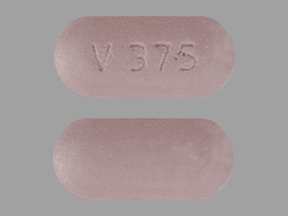
Telaprevir
Class: HCV Protease Inhibitors
VA Class: AM800
Chemical Name: (1S,3aR,6aS) - (2S) - 2 - Cyclohexyl - N - (pyrazinylcarbonyl)glycyl - 3 - methyl - L - valyl - N - [(1S) - 1 - [(cyclopropylamino)oxoacetyl]butyl]octahydro - cyclopenta[c]pyrrole - 1 - carboxamide
Molecular Formula: C36H53N7O6
CAS Number: 402957-28-2
Brands: Incivek
Warning(s)
Special Alerts:
[Posted 12/19/2012] ISSUE: FDA received reports of serious skin reactions, some fatal, in patients taking the hepatitis C drug telaprevir (Incivek) in combination with the drugs peginterferon alfa and ribavirin (Incivek combination treatment). Some patients died when they continued to receive telaprevir combination treatment after developing a worsening, or progressive rash and systemic symptoms (symptoms affecting the entire body).
See the FDA Drug Safety Communication Data Summary section for additional information at:
FDA is adding a boxed warning to the telaprevir drug label stating that Incivek combination treatment must be immediately stopped in patients experiencing a rash with systemic symptoms or a progressive severe rash.
BACKGROUND: Telaprevir is a hepatic C virus NS3/4A protease inhibitor indicated in combination with peginterferon alfa and ribavirin for the treatment of genotype 1 chronic hepatitis C in adult patients with compensated liver disease, including patients who have cirrhosis, are treatment-naïve, or who have been previously received interferon-based treatment.
RECOMMENDATIONS: Make sure your patients know that rash may occur with telaprevir combination treatment, and explain the signs and symptoms of severe skin reaction and when to seek care.
If serious skin reactions occur, all three components of telaprevir combination treatment, including peginterferon alfa and ribavirin, must be immediately discontinued, and the patient should receive urgent medical care. Consideration should also be given to stopping any other medications that may be associated with serious skin reactions. For more information visit the FDA website at: and .
Introduction
Antiviral; HCV NS3/4A protease inhibitor.1 5 11
Uses for Telaprevir
Pending revision, the material in this section should be considered in light of more recently available information in the MedWatch notification at the beginning of this monograph.
Chronic Hepatitis C Virus (HCV) Infection
Treatment of chronic HCV genotype 1 infection in adults with compensated liver disease (including cirrhosis) who are treatment naive (previously untreated) or were previously treated with interferon-based therapy (including patients with prior null response, partial response, or relapse).1 2 3
Used in conjunction with peginterferon alfa (alfa-2a, alfa-2b) and ribavirin;1 do not use alone.1
American Association for the Study of Liver Diseases (AASLD) and others recommend an NS3/4A protease inhibitor (i.e., boceprevir, telaprevir) in conjunction with peginterferon alfa and ribavirin as the standard of care for initial treatment of chronic HCV genotype 1 infection in treatment-naive adults.119 121 Also recommended for retreatment in adults with virologic relapse or partial response after treatment with other regimens (interferon alfa or peginterferon alfa with or without ribavirin).119 121
Consider that a high proportion of prior null responders (particularly those with cirrhosis) failed to achieve sustained virologic response (SVR) and had treatment-emergent telaprevir resistance-associated mutations during treatment with telaprevir, peginterferon alfa, and ribavirin.1
Efficacy not established in patients who previously failed therapy with a regimen containing telaprevir or other HCV NS3/4A protease inhibitor.1
Safety and efficacy not established in patients with chronic HCV and HBV or HIV coinfection or in recipients of liver or other organ transplantations.1
Treatment of chronic HCV infection is complex and rapidly evolving; consult a specialist to obtain the most up-to-date information.96 119 121
Telaprevir Dosage and Administration
General
-
Must be used in conjunction with peginterferon alfa and ribavirin; do not use as monotherapy.1
-
A 12-week regimen of telaprevir, peginterferon alfa, and ribavirin is used initially, followed by a regimen of peginterferon alfa and ribavirin (without telaprevir).1
-
Assess plasma HCV RNA levels at 4 and 12 weeks to determine the appropriate total treatment duration (response-guided therapy) or need to discontinue treatment (treatment futility).1 (See Laboratory Monitoring under Cautions.)
Administration
Oral Administration
Administer orally 3 times daily (every 7-9) hours within 30 minutes after a meal or snack containing approximately 20 g of fat.1
If a missed dose is remembered within 4 hours of originally scheduled time, take the dose (with food containing approximately 20 g of fat) as soon as possible and resume regular dosing schedule.1 If a missed dose is not remembered within 4 hours, skip the dose and resume regular dosing schedule.1
Dosage
Pending revision, the material in this section should be considered in light of more recently available information in the MedWatch notification at the beginning of this monograph.
Do not reduce telaprevir dosage for any reason.1 If discontinued because of serious adverse effects (see Dermatologic Effects under Cautions), do not restart.1 If serious adverse reactions potentially related to peginterferon alfa and/or ribavirin occur, adjust dosage or discontinue peginterferon alfa and ribavirin according to the respective manufacturer’s prescribing information.1 If peginterferon alfa or ribavirin is discontinued for any reason, telaprevir also must be discontinued.1
Adults
Treatment of Chronic HCV Infection
Oral
750 mg 3 times daily for 12 weeks in conjunction with peginterferon alfa and ribavirin.1 After completion of 12 weeks of this 3-drug regimen, all patients who are responding require additional weeks of therapy with peginterferon alfa and ribavirin for a total treatment duration that depends on response (response-guided therapy).1 (See Table 1.)
To be eligible for response-guided therapy at 4 and 12 weeks, a report of “undetectable” HCV RNA (target not detected) is required; do not consider a result of confirmed “detectable but below the limit of quantification” equivalent to a result of “undetectable” HCV RNA (reported as “target not detected” or “HCV RNA not detected”).1
Discontinue all 3 drugs (telaprevir, peginterferon alfa, ribavirin) in all patients experiencing treatment futility (i.e., plasma HCV RNA levels >1000 IU/mL at week 4 or 12 or confirmed detectable plasma HCV RNA levels after total treatment duration of 24 weeks).1
|
Patient Type |
HCV RNA Levels at Treatment Weeks 4 and 12 |
Duration of Additional Continued Peginterferon alfa and Ribavirin Therapy following Initial 12 weeks of Concomitant Telaprevir |
Total Treatment Duration |
|---|---|---|---|
|
Treatment-naive or prior relapse |
Undetectable (target not detected) at week 4 and 12 |
12 weeks |
24 weeks |
|
Treatment-naive or prior relapse |
Detectable at week 4 and/or 12 |
36 weeks |
48 weeks |
|
Prior partial or null response |
All patients |
36 weeks |
48 weeks |
In treatment-naive patients with cirrhosis, consider total treatment duration of 48 weeks (i.e., 12 weeks of telaprevir, peginterferon alfa, and ribavirin, followed by additional 36 weeks of peginterferon alfa and ribavirin) despite undetectable HCV RNA levels (target not detected) at treatment week 4 and 12.1
Special Populations
Hepatic Impairment
Dosage adjustment not required in patients with mild hepatic impairment (Child-Pugh class A).1
Not recommended in patients with moderate or severe hepatic impairment (Child-Pugh class B or C); appropriate dosages not established.1
Renal Impairment
Dosage adjustment not required.1 Not studied in HCV-infected patients with Clcr ≤50 mL/minute, including patients with end-stage renal disease or receiving hemodialysis.1
Cautions for Telaprevir
Contraindications
-
Because telaprevir must be used in conjunction with peginterferon alfa and ribavirin, it is contraindicated in women who are or may become pregnant and male partners of pregnant women.1 Consider contraindications, warnings, and precautions for all 3 drugs.1 (See Fetal/Neonatal Morbidity and Mortality under Cautions.)
-
Concomitant use with drugs highly dependent on CYP3A for metabolism and for which elevated plasma concentrations are associated with serious and/or life-threatening events (e.g., alfuzosin, cisapride, ergot alkaloids, lovastatin or simvastatin, oral midazolam or triazolam, pimozide, sildenafil or tadalafil used for treatment of pulmonary arterial hypertension [PAH]).1 (See Specific Drugs under Interactions.)
-
Concomitant use with potent CYP3A inducers that may substantially reduce telaprevir concentrations and efficacy (e.g., rifampin, St. John’s wort [Hypericum perforatum]).1 (See Specific Drugs under Interactions.)
Warnings/Precautions
Fetal/Neonatal Morbidity and Mortality
Telaprevir must be used in conjunction with peginterferon alfa and ribavirin.1 Ribavirin may cause birth defects and/or fetal death;1 peginterferon may have abortifacient effects in humans.1 1
Pregnancy must be avoided in female patients and female partners of male patients receiving ribavirin with or without telaprevir and peginterferon alfa.1 Obtain a report of a negative pregnancy test for female patients of childbearing potential immediately prior to initiating therapy with telaprevir, peginterferon, and ribavirin and perform monthly pregnancy tests during and for 6 months after ribavirin treatment is completed.1
Women of childbearing potential (and their male partners) and male patients (and their female partners) must use at least 2 forms of effective contraception during and for 6 months after ribavirin treatment is completed.1 Because of pharmacokinetic interactions, systemic hormonal contraceptives may have reduced efficacy in women taking telaprevir (see Specific Drugs under Interactions).1 Although women may continue to take hormonal contraceptives during telaprevir therapy, they must use 2 additional nonhormonal methods (e.g., intrauterine devices, barrier methods) during and for 2 weeks after telaprevir therapy.1 Systemic hormonal contraceptives (used according to the manufacturer’s labeling) may be considered 1 of the 2 required effective contraceptive methods beginning 2 weeks after discontinuance of telaprevir.1
Dermatologic Effects
Pending revision, the material in this section should be considered in light of more recently available information in the MedWatch notification at the beginning of this monograph.
Risk of serious skin reactions, including drug rash with eosinophilia and systemic symptoms (DRESS) or Stevens-Johnson syndrome (SJS).1 4 DRESS may present as rash, fever, facial edema, and evidence of internal organ involvement (e.g., hepatitis, nephritis) and may or may not include eosinophilia.1 SJS may present with fever, target lesions, and mucosal erosions or ulcerations (e.g., conjunctivae, lips).1 Severe rash may have a prominent eczematous component.1
Rash generally appears during first 4 weeks of telaprevir treatment and improves when telaprevir treatment is completed or discontinued;1 complete resolution may take weeks.1
If serious skin reaction occurs, immediately discontinue telaprevir, peginterferon alfa, and ribavirin and promptly refer patient for urgent medical care.1
If mild to moderate rash occurs, monitor patient for progression of rash or development of systemic symptoms.1 Discontinue telaprevir if rash becomes severe or if systemic symptoms develop; peginterferon alfa and ribavirin may be continued.1
Do not reduce telaprevir dosage and do not restart telaprevir if it was discontinued because of rash.1 If improvement is not observed within 7 days of discontinuing telaprevir, consider sequential or simultaneous interruption or discontinuation of peginterferon alfa and/or ribavirin.1 If medically indicated, consider earlier interruption or discontinuance of peginterferon alfa and ribavirin.1
Monitor patient until rash resolves.1 Use of oral antihistamines and/or topical corticosteroids may provide symptomatic relief of telaprevir-associated rash, but effectiveness of these measures not established.1 Use of systemic corticosteroids not recommended (see Interactions).1
Hematologic Effects
Risk of anemia.1 Concomitant use of telaprevir, peginterferon alfa, and ribavirin is associated with greater decrease in hemoglobin concentrations and higher incidence of anemia than use of peginterferon and ribavirin without telaprevir.1
Decreased hemoglobin concentrations generally occur during first 4 weeks of treatment with telaprevir, peginterferon alfa, and ribavirin; nadir usually observed at completion of 12-week telaprevir regimen.1 After telaprevir discontinued, hemoglobin concentrations gradually return to levels generally observed during peginterferon alfa and ribavirin therapy.1
Assess hemoglobin concentration prior to, at weeks 2, 4, 8, and 12 during telaprevir therapy, and as clinically indicated.1
If anemia occurs, modify ribavirin dosage according to manufacturer’s labeling.1 If ribavirin dosage reduction is inadequate, consider discontinuing telaprevir.1 If ribavirin or peginterferon alfa is discontinued for any reason, telaprevir also must be discontinued; do not reduce telaprevir dosage and do not restart telaprevir if discontinued.1 Ribavirin may be restarted (without telaprevir) according to manufacturer’s labeling.1
Drug Interactions
Concomitant use with certain drugs is contraindicated or requires particular caution.1 (See Specific Drugs under Interactions.)
Laboratory Monitoring
Monitor plasma HCV RNA levels using a sensitive real-time reverse-transcriptase polymerase chain reaction (PCR) assay at 4 and 12 weeks of therapy, and when clinically indicated.1 Use an assay with a lower limit of HCV RNA quantification of ≤25 IU/mL and a limit of HCV RNA detection of approximately 10–15 IU/mL.1 When assessing HCV RNA levels for the purposes of response-guided therapy, a result of confirmed “detectable but below limit of quantification” is not considered equivalent to a result of “undetectable” HCV RNA (reported as “target not detected” or “HCV RNA not detected”).1 (See Dosage.)
Monitor hematology tests (including WBC differential count) and chemistry assessments (i.e., electrolytes, serum creatinine, uric acid, hepatic enzymes, bilirubin, thyroid-stimulating hormone [TSH]) prior to, at weeks 2, 4, 8, and 12 during telaprevir therapy, and when clinically indicated.1 (See Hematologic Effects under Cautions.)
Specific Populations
Pregnancy
Category B (telaprevir; not indicated for monotherapy).1
Category X (telaprevir used in conjunction with peginterferon alfa and ribavirin).1 (See Fetal/Neonatal Morbidity and Mortality and see Contraindications under Cautions.)
Pregnancy registry at 800-593-2214 to monitor pregnancy outcomes of female patients and female partners of male patients exposed to ribavirin.1
Lactation
Distributed into milk in rats; not known whether distributed into human milk.1 Discontinue nursing prior to initiating treatment.1
Pediatric Use
Safety and efficacy not established in children <18 years of age.1
Geriatric Use
Insufficient experience in patients ≥65 years of age to determine whether geriatric patients respond differently than younger adults; use with caution due to greater frequency of decreased hepatic function and of concomitant disease and drug therapy observed in the elderly.1
Hepatic Impairment
Not recommended in patients with moderate or severe hepatic impairment (Child-Pugh B or C, score 7 or higher) or in patients with decompensated cirrhosis.1
Renal Impairment
Not studied in HCV-infected patients with Clcr <50 mL/minute, including patients with end-stage renal disease or receiving hemodialysis.1
Common Adverse Effects
Rash, pruritus, anemia, nausea, diarrhea, hemorrhoids, anorectal discomfort, dysgeusia, fatigue, vomiting, anal pruritus.1
Interactions for Telaprevir
Metabolized by and inhibits CYP3A.1 Does not inhibit CYP1A2, 2A6, 2B6, 2C8, 2C9, 2C19, 2D6, or 2E1 and does not induce CYP1A, 3A, 2B6, or 2C in vitro.1
Substrate for and potential inhibitor of P-glycoprotein transport system.1
Drugs Affecting or Metabolized by Hepatic Microsomal Enzymes
Potential pharmacokinetic interaction with drugs that are primarily metabolized by CYP3A with possible increased exposure to concomitant drug and subsequent increased or prolonged adverse or therapeutic effects.1
Potential pharmacokinetic interaction with drugs that are inducers or inhibitors of CYP3A4/5 with possible alteration in telaprevir metabolism and concentrations.1
Drugs Affecting the P-glycoprotein Transport System
Potential pharmacokinetic interaction with drugs that are substrates for P-glycoprotein transport with possible increased exposure to concomitant drug and subsequent increased or prolonged adverse or therapeutic effects.1
Potential pharmacokinetic interaction with drugs that are inducers or inhibitors of P-glycoprotein with possible alteration in telaprevir concentrations.1
Specific Drugs
|
Drug |
Interaction |
Comments |
|---|---|---|
|
Alfuzosin |
Possible increased alfuzosin concentrations; potential for serious and/or life-threatening effects (e.g., hypotension, cardiac arrhythmia)1 |
Concomitant use contraindicated1 |
|
Antiarrhythmic agents (amiodarone, flecainide, systemic lidocaine, propafenone, quinidine) |
Possible increased antiarrhythmic agent concentrations; potential for serious and/or life-threatening effects1 |
Use with caution and clinical monitoring1 |
|
Anticoagulants, oral (e.g., warfarin) |
Possible altered warfarin concentrations1 |
Monitor INR1 |
|
Anticonvulsants (carbamazepine, phenobarbital, phenytoin) |
Possible decreased telaprevir concentrations and decreased telaprevir efficacy; possible altered anticonvulsant concentrations1 |
Use with caution; use clinical or laboratory monitoring and titrate anticonvulsant dosage to desired clinical response1 |
|
Antifungals, azoles |
Ketoconazole: Increased telaprevir concentrations and AUC; increased ketoconazole concentrations1 Itraconazole: Possible increased itraconazole concentrations; possible increased telaprevir concentrations1 Posaconazole: Possible increased posaconazole concentrations; possible increased telaprevir concentrations1 Voriconazole: Possible altered voriconazole concentrations; possible increased telaprevir concentrations1 |
Consider that QT interval prolongation has been reported with ketoconazole, posaconazole, and voriconazole and that torsades de pointes has been reported with posaconazole and voriconazole1 Ketoconazole: If concomitant use required, do not exceed antifungal dosage of 200 mg daily1 Itraconazole: Use with caution and clinical monitoring; if concomitant use required, do not exceed itraconazole dosage of 200 mg daily1 Posaconazole: Use with caution and clinical monitoring1 Voriconazole: Use with caution and clinical monitoring; only use if benefits justify risks1 |
|
Antimycobacterials (rifabutin, rifampin) |
Rifabutin: Possible increased rifabutin concentrations; possible decreased telaprevir concentrations and decreased telaprevir efficacy1 Rifampin: Substantially decreased telaprevir concentrations and AUC; possible loss of virologic response1 |
Rifabutin: Concomitant use not recommended1 Rifampin: Concomitant use contraindicated1 |
|
Atazanavir |
Ritonavir-boosted atazanavir: Decreased telaprevir concentrations and AUC; increased atazanavir trough concentrations and AUC1 200 |
Ritonavir-boosted atazanavir: Some experts state dosage adjustments not needed200 |
|
Benzodiazepines (alprazolam, midazolam, triazolam) |
Midazolam: Increased midazolam concentrations and AUC; potential for serious and/or life-threatening effects (e.g., prolonged or increased sedation or respiratory depression)1 Triazolam: Possible increased triazolam concentrations; potential for serious and/or life-threatening effects (e.g., prolonged or increased sedation or respiratory depression)1 Alprazolam: Increased alprazolam AUC1 |
Oral midazolam, triazolam: Concomitant use contraindicated1 IV midazolam: Use with caution; administer IV midazolam in a monitored setting where respiratory depression and/or prolonged sedation can be managed; consider using reduced midazolam dosage, particularly if more than a single dose is given1 Alprazolam: Clinically monitor patient during concomitant use1 |
|
Bosentan |
Possible increased bosentan concentrations1 |
Use with caution and clinical monitoring1 |
|
Buprenorphine |
No clinically important effects on buprenorphine concentrations or AUC1 |
Dosage adjustments not needed1 |
|
Calcium-channel blockers, dihydropyridines (amlodipine, diltiazem, felodipine, nicardipine, nifedipine, nisoldipine, verapamil) |
Amlodipine: Increased amlodipine concentrations and AUC1 Other calcium-channel blockers: Possible increased concentration of calcium channel blocker1 |
Amlodipine: Use with caution and clinical monitoring; consider reduced amlodipine dosage1 Other calcium-channel blockers: Use with caution and clinical monitoring1 |
|
Cisapride |
Possible increased cisapride concentrations; potential for serious and/or life-threatening effects (e.g., cardiac arrhythmias)1 |
Concomitant use contraindicated1 |
|
Colchicine |
Possible increased colchicine concentrations and increased risk of colchicine toxicity1 |
Patients with renal or hepatic impairment: Avoid concomitant use1 Patients without renal or hepatic impairment: Interruption of colchicine treatment or reduction in colchicine dosage recommended1 Colchicine for treatment of gout flares: In those receiving telaprevir, use initial colchicine dose of 0.6 mg followed by 0.3 mg 1 hour later and repeat dose no earlier than 3 days later1 Colchicine for prophylaxis of gout flares: In those receiving telaprevir, decrease colchicine dosage to 0.3 mg once daily in those originally receiving 0.6 mg twice daily or decrease dosage to 0.3 mg once every other day in those originally receiving 0.6 mg once daily1 Colchicine for treatment of familial Mediterranean fever (FMF): In those receiving telaprevir, use maximum colchicine dosage of 0.6 mg daily (may be given as 0.3 mg twice daily)1 |
|
Corticosteroids |
Budesonide or fluticasone (nasal spray/oral inhalation): Possible increased concentrations of inhaled corticosteroid; possible reduced serum cortisol concentrations1 Dexamethasone: Possible decreased telaprevir concentrations; possible loss of virologic efficacy1 Methylprednisolone or prednisone: Possible increased corticosteroid concentrations1 |
Budesonide or fluticasone (nasal spray/oral inhalation): Concomitant use not recommended unless potential benefits outweigh risk of systemic corticosteroid adverse effects1 Dexamethasone: Consider alternatives when possible; use concomitantly with caution1 Methylprednisolone or prednisone: Concomitant use not recommended1 |
|
Darunavir |
Ritonavir-boosted darunavir: Decreased telaprevir and darunavir concentrations and AUCs1 200 |
|
|
Digoxin |
Increased digoxin concentrations and AUC1 |
Use lowest initial dosage of digoxin; monitor serum digoxin concentrations and use to guide careful dosage titration1 |
|
Efavirenz |
Decreased telaprevir concentrations and AUC; no clinically important effect on efavirenz concentrations and AUC1 200 |
Some experts recommend increasing telaprevir dosage to 1125 mg every 7–9 hours in patients receiving efavirenz and 2 nucleoside reverse transcriptase inhibitors (NRTIs)200 |
|
Ergot alkaloids (dihydroergotamine, ergonovine, ergotamine, methylergonovine) |
Possible increased concentrations of ergot alkaloids; potential for serious and/or life-threatening effects such as ergot toxicity (peripheral vasospasm, ischemia)1 |
Concomitant use contraindicated1 |
|
Escitalopram |
Decreased escitalopram concentrations and AUC1 |
Dosage adjustment of escitalopram may be necessary during concomitant use1 |
|
Esomeprazole |
Pharmacokinetic interaction not observed1 |
Dosage adjustments not necessary1 |
|
Estrogens/Progestins |
Ethinyl estradiol and norethindrone: Decreased ethinyl estradiol concentrations and AUC; no clinically important effect on norethindrone concentrations1 |
Systemic hormonal contraceptives: Advise women to use 2 alternative methods of contraception (e.g., intrauterine devices, barrier methods) while receiving telaprevir and for 2 weeks after telaprevir (see Fetal/Neonatal Morbidity and Mortality under Cautions)1 Monitor women using estrogens as hormone replacement therapy for signs of estrogen deficiency1 |
|
Fosamprenavir |
Ritonavir-boosted fosamprenavir: Decreased concentrations and AUCs of telaprevir and amprenavir (active metabolite of fosamprenavir)1 200 |
|
|
HMG-CoA reductase inhibitors (statins) |
Atorvastatin: Increased atorvastatin concentrations and AUC;1 increased risk of statin-associated adverse effects, including myopathy and rhabdomyolysis1 186 Lovastatin or simvastatin: Possible increased statin concentrations and increased risk of statin-associated adverse effects, including myopathy and rhabdomyolysis1 186 |
Atorvastatin: Avoid concomitant use1 186 |
|
Immunosuppressants (cyclosporine, sirolimus, tacrolimus) |
Cyclosporine: Increased peak plasma cyclosporine concentrations (approximately 4.6-fold), and cyclosporine AUC (approximately 1.4-fold), and prolonged cyclosporine half-life (approximately fourfold);1 7 clinically important effects on telaprevir pharmacokinetics unlikely7 Sirolimus: Possible increased sirolimus concentrations1 7 Tacrolimus: Increased peak plasma tacrolimus concentrations (approximately 9.3-fold), and tacrolimus AUC (approximately 70-fold), and prolonged tacrolimus half-life (approximately fivefold); clinically important effects on telaprevir pharmacokinetics unlikely1 7 |
Anticipate need for substantial dosage reduction and prolongation of dosing interval for immunosuppressant agent;1 closely monitor plasma immunosuppressant concentrations and renal function;1 frequently assess for immunosuppressant-associated adverse effects1 Telaprevir not studied in organ transplantation recipients1 |
|
Lopinavir/ritonavir |
Decreased telaprevir concentrations and AUC; no clinically important effect on lopinavir concentrations and AUC1 200 |
|
|
Macrolides (clarithromycin, erythromycin, telithromycin) |
Increased concentrations of the macrolide and telaprevir1 |
Use with caution and clinical monitoring1 QT interval prolongation reported with clarithromycin, erythromycin, and telithromycin; torsades de pointes reported with clarithromycin and erythromycin1 |
|
Methadone |
Decreased methadone concentrations and AUC1 |
Initial dosage adjustment not necessary; monitor clinically; methadone dosage adjustment may be needed in some patients1 |
|
Peginterferon alfa |
Increased telaprevir exposure when administered concomitantly with peginterferon alfa and ribavirin1 No in vitro evidence of antagonistic anti-HCV effects1 |
Telaprevir must be administered concomitantly with peginterferon alfa and ribavirin1 |
|
Pimozide |
Possible increased pimozide concentrations; potential for serious and/or life-threatening adverse effects (e.g., cardiac arrhythmias)1 |
Concomitant use contraindicated1 |
|
Raltegravir |
Increased raltegravir concentrations and AUC; no clinically important effect on telaprevir concentrations or AUC1 200 |
|
|
Ribavirin |
Increased telaprevir exposure when administered concomitantly with peginterferon alfa and ribavirin1 No in vitro evidence of antagonistic anti-HCV effects1 |
Telaprevir must be administered concomitantly with peginterferon alfa and ribavirin1 |
|
Ritonavir |
Low-dose ritonavir (100 mg every 12 hours): Decreased telaprevir concentrations and AUC1 |
With the exception of ritonavir-boosted atazanavir,200 concomitant use with ritonavir-boosted HIV PIs not recommended1 200 |
|
St. John’s wort (Hypericum perforatum) |
Possible decreased telaprevir concentrations; possible loss of virologic response1 |
Concomitant use contraindicated1 |
|
Salmeterol |
Possible increased salmeterol concentrations and increased risk of salmeterol-associated adverse cardiovascular events (e.g., QT interval prolongation, palpitations, sinus tachycardia)1 |
Concomitant use not recommended1 |
|
Saquinavir |
Ritonavir-boosted saquinavir: Possible pharmacokinetic interactions16 |
Concomitant use not recommended pending further accumulation of data200 |
|
Sildenafil |
Possible increased sildenafil concentrations and increased risk of sildenafil-associated adverse effects (hypotension, syncope, visual changes, priapism)1 |
Sildenafil (Revatio) for treatment of PAH: Concomitant use contraindicated1 Sildenafil for treatment of erectile dysfunction: Use reduced sildenafil dosage (do not exceed 25 mg every 48 hours);1 monitor for adverse effects1 |
|
Tadalafil |
Possible increased tadalafil concentrations and increased risk of tadalafil-associated adverse effects (hypotension, syncope, visual changes, priapism)1 |
Tadalafil (Adcirca) for treatment of PAH: Concomitant use contraindicated1 Tadalafil for treatment of erectile dysfunction: Use reduced tadalafil dosage (do not exceed 10 mg every 72 hours);1 monitor for adverse effects1 |
|
Tenofovir |
Increased tenofovir concentrations and AUC; no clinically important effect on telaprevir concentrations and AUC1 200 |
Increased clinical and laboratory monitoring warranted;1 200 discontinue tenofovir if tenofovir-associated toxicities occur1 |
|
Tipranavir |
Ritonavir-boosted tipranavir: Possible pharmacokinetic interactions16 |
Concomitant use not recommended pending further accumulation of data200 |
|
Trazodone |
Possible increased trazodone concentrations may result in nausea, dizziness, hypotension, and syncope1 |
|
|
Vardenafil |
Possible increased vardenafil concentrations 1 |
Use reduced vardenafil dosage (do not exceed 2.5 mg every 72 hours)1 QT interval prolongation reported with vardenafil; use with caution and monitor clinically 1 |
|
Zolpidem |
Decreased zolpidem concentrations and AUC1 |
Monitor clinically and titrate zolpidem dosage to achieve desired clinical response1 |
Telaprevir Pharmacokinetics
Absorption
Bioavailability
Peak plasma concentrations attained approximately 4–5 hours after an oral dose.1
P-glycoprotein substrate.1
Most likely absorbed in small intestine; no evidence of absorption in colon.1
Food
Food increases telaprevir exposure by 117, 237, and 330% when given with a low-fat (249 kcal, 3.6 g fat), standard-fat (533 kcal, 21 g fat), or high-fat meal (928 kcal, 56 g fat), respectively.1
Special Populations
Steady-state exposure to telaprevir was 15% lower in HCV-negative individuals with mild (Child-Pugh class A) hepatic impairment compared with individuals with normal hepatic function.1 Steady-state exposure to telaprevir was 46% lower in non-HCV-infected individuals with moderate (Child-Pugh class B) hepatic impairment compared with individuals with normal hepatic function.1
In previously-treated patients, pharmacokinetic profile similar in those with and without cirrhosis.1
After a single 750-mg telaprevir dose, the least square mean peak plasma concentration and AUC were 3% and 21% higher in HCV-negative individuals with severe renal impairment (Clcr <30 mL/minute) compared with healthy individuals.1
Population pharmacokinetic analysis indicates age (range 19–70 years), gender, and race do not effect exposure.1
Distribution
Extent
Preclinical data indicate that first-pass hepatic uptake results in higher telaprevir concentrations in the liver than in plasma.11
Plasma Protein Binding
Approximately 59–76%; primarily α-1-acid glycoprotein and albumin. 1
Plasma protein binding decreases with increasing telaprevir concentrations.1
Elimination
Metabolism
Telaprevir interconverts to the R-diastereomer (VRT-127394) which is approximately 30-fold less active than telaprevir.1
Extensively metabolized in the liver by hydrolysis, oxidation, and reduction; primary metabolites in plasma are the R-diastereomer, pyrazinoic acid, and the product of α-ketoamide reduction (inactive).1
CYP3A4 is the major CYP isoenzyme responsible for telaprevir metabolism; non-CYP metabolism likely also involved after multiple doses.1
Elimination Route
Eliminated primarily by liver.1 Excreted in feces (82%) and exhaled (9%) primarily as metabolites; only 1% eliminated in urine.1
Half-life
Approximately 9–11 hours at steady state; 4–4.7 hours after single dose.1
Stability
Storage
Oral
Capsules
25°C (may be exposed to 15–30°C).1
Keep bottle tightly closed; use within 28 days of opening bottle.1
Actions and Spectrum
-
Direct-acting antiviral (DAA) agent active against HCV.1
-
The α-ketoamide functional group of telaprevir reversibly binds the active serine site of HCV NS3 protease, thereby blocking proteolytic cleavage of NS4A, NS4B, NS5A, and NS5B from the HCV-encoded polyprotein and inhibiting HCV replication in host cells.1 6 11
-
Causes biphasic viral decline; rapid first-phase occurs during first few days of treatment, followed by second phase of prolonged viral decline.10 12
-
Has in vitro activity against HCV genotypes 1a, 1b, and 2, but is less active against genotypes 3a and 4a.1 5
-
Certain amino acid substitutions (mutations) in the HCV NS3 protease domain (V36A/M, T54A/S, R155K/T, A156S/V/T, R155T with D168N, V36A with T54A, B36M/A with R155K/T, T54S/A with A156S/T) have been associated with reduced in vitro susceptibility to telaprevir.1 15
-
Majority of HCV isolates from patients in phase 3 clinical studies who did not achieve sustained virologic response (SVR) had treatment-emergent resistance mutations.1 Clinical impact of prior exposure to HCV protease inhibitors (including telaprevir) is not known.1
-
HCV isolates with treatment-emergent telaprevir resistance mutations with decreased in vitro susceptibility or cross-resistance to other HCV NS3/4A protease inhibitors (e.g., boceprevir) reported.1 15 Cross-resistance not expected between telaprevir and interferon, or ribavirin.1
Advice to Patients
Pending revision, the material in this section should be considered in light of more recently available information in the MedWatch notification at the beginning of this monograph.
-
Importance of using telaprevir in conjunction with peginterferon and ribavirin; not for monotherapy.1
-
Importance of taking each dose within 30 minutes after eating food that contains approximately 20 grams of fat (e.g., bagel with cream cheese, half-cup nuts, 3 tablespoons peanut butter, 1 cup ice cream, 2 ounces American or cheddar cheese, 2 ounces potato chips, half-cup trail mix).1
-
If a missed dose is remembered within 4 hours of the scheduled time, advise patient to take the missed dose with food and then resume normal dosing schedule.1 If a missed dose is remembered more than 4 hours after the originally scheduled time, advise patient to skip the missed dose.1
-
Possibility of serious skin reactions.1 Patients should report any skin changes or symptoms (e.g., rash with or without itching, blisters or skin lesions, mouth sores or ulcers, red or inflamed eyes, facial swelling, fever) to their healthcare provider who will decide whether telaprevir should be discontinued.1
-
Effect of HCV treatment on transmission of HCV unknown; patients should take appropriate precautions to prevent transmission.1
-
Importance of informing clinicians of existing or contemplated concomitant therapy, including prescription and OTC drugs and dietary or herbal supplements, as well as any concomitant illnesses.1
-
Importance of women informing clinicians if they are or plan to become pregnant or plan to breast-feed.1 Advise men and women of importance of using effective contraception during and for 6 months after ribavirin therapy.1 (See Fetal/Neonatal Morbidity and Mortality under Cautions.)
-
Importance of informing patients of other important precautionary information. (See Cautions.)
Preparations
Excipients in commercially available drug preparations may have clinically important effects in some individuals; consult specific product labeling for details.
|
Routes |
Dosage Forms |
Strengths |
Brand Names |
Manufacturer |
|---|---|---|---|---|
|
Oral |
Tablets, film-coated |
375 mg |
Incivek |
Vertex |
Disclaimer
This report on medications is for your information only, and is not considered individual patient advice. Because of the changing nature of drug information, please consult your physician or pharmacist about specific clinical use.
The American Society of Health-System Pharmacists, Inc. and Drugs.com represent that the information provided hereunder was formulated with a reasonable standard of care, and in conformity with professional standards in the field. The American Society of Health-System Pharmacists, Inc. and Drugs.com make no representations or warranties, express or implied, including, but not limited to, any implied warranty of merchantability and/or fitness for a particular purpose, with respect to such information and specifically disclaims all such warranties. Users are advised that decisions regarding drug therapy are complex medical decisions requiring the independent, informed decision of an appropriate health care professional, and the information is provided for informational purposes only. The entire monograph for a drug should be reviewed for a thorough understanding of the drug's actions, uses and side effects. The American Society of Health-System Pharmacists, Inc. and Drugs.com do not endorse or recommend the use of any drug. The information is not a substitute for medical care.
AHFS Drug Information. © Copyright, 1959-2013, Selected Revisions February 13, 2013. American Society of Health-System Pharmacists, Inc., 7272 Wisconsin Avenue, Bethesda, Maryland 20814.
References
1. Vertex Pharmaceuticals Incorporated. Incivek (telaprevir) film-coated tablets prescribing information. Cambridge, MA; 2012 Jun.
2. Jacobson IM, McHutchison JG, Dusheiko G et al. Telaprevir for previously untreated chronic hepatitis C virus infection. N Engl J Med. 2011; 364:2405-16. [PubMed 21696307]
3. Zeuzem S, Andreone P, Pol S et al. Telaprevir for retreatment of HCV infection. N Engl J Med. 2011; 364:2417-28. [PubMed 21696308]
4. Montaudié H, Passeron T, Cardot-Leccia N et al. Drug rash with eosinophilia and systemic symptoms due to telaprevir. Dermatology. 2010; 221:303-5. [PubMed 20798484]
5. Smith LS, Nelson M, Naik S et al. Telaprevir: An NS3/4A Protease Inhibitor for the Treatment of Chronic Hepatitis C. Ann Pharmacother. 2011; 45:639-48. [PubMed 21558488]
6. Gentile I, Carleo MA, Borgia F et al. The efficacy and safety of telaprevir - a new protease inhibitor against hepatitis C virus. Expert Opin Investig Drugs. 2010; 19:151-9. [PubMed 20001560]
7. Garg V, van Heeswijk R, Eun Lee J et al. Effect of telaprevir on the pharmacokinetics of cyclosporine and tacrolimus. Hepatology. 2011; 54:20-7. [PubMed 21618566]
8. Sarrazin C, Kieffer TL, Bartels D et al. Dynamic hepatitis C virus genotypic and phenotypic changes in patients treated with the protease inhibitor telaprevir. Gastroenterology. 2007; 132:1767-77. [PubMed 17484874]
9. Vicenti I, Rosi A, Saladini F et al. Naturally occurring hepatitis C virus (HCV) NS3/4A protease inhibitor resistance-related mutations in HCV genotype 1-infected subjects in Italy. J Antimicrob Chemother. 2012; 67:984-7. [PubMed 22258932]
10. Guedj J, Perelson AS. Second-phase hepatitis C virus RNA decline during telaprevir-based therapy increases with drug effectiveness: Implications for treatment duration. Hepatology. 2011; 53:1801-8. [PubMed 21384401]
11. Perni RB, Almquist SJ, Byrn RA et al. Preclinical profile of VX-950, a potent, selective, and orally bioavailable inhibitor of hepatitis C virus NS3-4A serine protease. Antimicrob Agents Chemother. 2006; 50:899-909. [PubMed 16495249]
12. Forestier N, Reesink HW, Weegink CJ et al. Antiviral activity of telaprevir (VX-950) and peginterferon alfa-2a in patients with hepatitis C. Hepatology. 2007; 46:640-8. [PubMed 17879366]
13. De Francesco R, Carfí A. Advances in the development of new therapeutic agents targeting the NS3-4A serine protease or the NS5B RNA-dependent RNA polymerase of the hepatitis C virus. Adv Drug Deliv Rev. 2007; 59:1242-62. [PubMed 17869377]
15. Sarrazin C, Zeuzem S. Resistance to direct antiviral agents in patients with hepatitis C virus infection. Gastroenterology. 2010; 138:447-62. [PubMed 20006612]
16. Seden K, Back D, Khoo S. New directly acting antivirals for hepatitis C: potential for interaction with antiretrovirals. J Antimicrob Chemother. 2010; 65:1079-85. [PubMed 20335191]
96. Ghany MG, Strader DB, Thomas DL et al. Diagnosis, management, and treatment of hepatitis C: an update. AASLD Practice Guidelines. Hepatology. 2009; 49:1335-74. [PubMed 19330875]
119. Ghany MG, Nelson DR, Strader DB et al. An update on treatment of genotype 1 chronic hepatitis C virus infection: 2011 practice guideline by the American Association for the Study of Liver Diseases. Hepatology. 2011; 54:1433-44. [PubMed 21898493]
121. Yee HS, Chang MF, Pocha C et al. Update on the management and treatment of hepatitis C virus infection: recommendations from the Department of Veterans Affairs Hepatitis C Resource Center Program and the National Hepatitis C Program Office. Am J Gastroenterol. 2012; 107:669-89; quiz 690. [PubMed 22525303]
186. Food and Drug Administration. FDA drug safety communication: Interactions between certain HIV or hepatitis C drugs and cholesterol-lowering statin drugs can increase the risk of muscle injury. 2012 Mar 1. From FDA website. Accessed 2012 Apr 23.
200. Panel on Antiretroviral Guidelines for Adults and Adolescents, US Department of Health and Human Services (HHS). Guidelines for the use of antiretroviral agents in HIV-1-infected adults and adolescents (April 18, 2012). Updates may be available at HHS AIDS Information (AIDSinfo) website.
More Telaprevir resources
- Telaprevir Professional Patient Advice (Wolters Kluwer)
- telaprevir Advanced Consumer (Micromedex) - Includes Dosage Information
- telaprevir MedFacts Consumer Leaflet (Wolters Kluwer)
- Incivek Prescribing Information (FDA)
- Incivek Consumer Overview