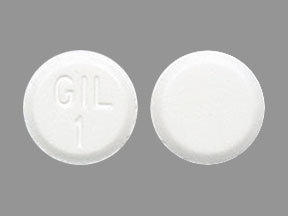
Azilect and Alcohol/Food Interactions
There are 4 alcohol/food/lifestyle interactions with Azilect (rasagiline).
Caffeine Rasagiline
Moderate Drug Interaction
Caffeine may increase the blood levels of rasagiline in some patients. This may increase side effects such as drowsiness, dizziness, lightheadedness, blood pressure changes, nausea, vomiting, hallucinations, and compulsive behaviors. Talk to your doctor if you have any questions or concerns. Your doctor may be able to prescribe alternatives that do not interact, or you may need a dose adjustment or more frequent monitoring to safely use both medications. It is important to tell your doctor about all other medications you use, including vitamins and herbs. Do not stop using any medications without first talking to your doctor.
Alcohol (Ethanol) Rasagiline
Moderate Drug Interaction
Using rasagiline together with ethanol may increase side effects such as dizziness, drowsiness, confusion, and difficulty concentrating. Some people may also experience impairment in thinking, judgment, and motor coordination. You should avoid or limit the use of alcohol while being treated with rasagiline. Do not use more than the recommended dose of rasagiline, and avoid driving, operating machinery, or engaging in potentially hazardous activities requiring mental alertness and motor coordination until you know how the medication affects you. Talk to your doctor if you have any questions or concerns. It is important to tell your doctor about all other medications you use, including vitamins and herbs. Do not stop using any medications without first talking to your doctor.
Rasagiline Food
Moderate Food Interaction
Rasagiline may be taken with or without food. There is no need to avoid most foods and beverages during treatment with rasagiline, as long as you are not receiving more than 1 mg per day of the medication. However, certain foods such as some of the aged cheeses (for example, Boursault, Liederkrantz, Mycella, and Stilton) may contain very high amounts of tyramine and should generally be avoided if possible. Consumption of very high levels of tyramine (greater than 150 mg) while on rasagiline treatment may lead to dangerous increases in your blood pressure, a condition known as hypertensive crisis. Talk to your doctor or pharmacist if you are uncertain about what foods, if any, to avoid. You should seek immediate medical attention if you experience sudden and severe headache, blurred vision, confusion, seizures, chest pain, nausea or vomiting, sudden numbness or weakness (especially on one side of the body), speech difficulties, fever, sweating, lightheadedness, and/or fainting during treatment with rasagiline, as these may be signs and symptoms of a hypertensive crisis. It is important to tell your doctor about all other medications you use, including vitamins and herbs, since some medications may increase the blood levels of rasagiline and possibly lead to interactions with tyramine-rich foods. Do not stop using any medications without first talking to your doctor.
Rasagiline High Blood Pressure (Hypertension)
Moderate Potential Hazard, Moderate plausibility
rasagiline - hypertension
Exacerbation of hypertension may occur during treatment with rasagiline. Dosage adjustment may be necessary if the elevation is sustained. Patients should be monitored for new onset hypertension or hypertension that is not well controlled after starting treatment.
References
- (2006) "Product Information. Azilect (rasagiline)." Teva Pharmaceuticals USA
Azilect drug interactions
There are 510 drug interactions with Azilect (rasagiline).
Azilect disease interactions
There are 5 disease interactions with Azilect (rasagiline) which include:
Report options

More about Azilect (rasagiline)
- Azilect consumer information
- Check interactions
- Compare alternatives
- Pricing & coupons
- Reviews (10)
- Drug images
- Side effects
- Dosage information
- During pregnancy
- Generic availability
- FDA approval history
- Drug class: dopaminergic antiparkinsonism agents
- Breastfeeding
- En español
Related treatment guides
Drug Interaction Classification
| Highly clinically significant. Avoid combinations; the risk of the interaction outweighs the benefit. | |
| Moderately clinically significant. Usually avoid combinations; use it only under special circumstances. | |
| Minimally clinically significant. Minimize risk; assess risk and consider an alternative drug, take steps to circumvent the interaction risk and/or institute a monitoring plan. | |
| No interaction information available. |
Further information
Always consult your healthcare provider to ensure the information displayed on this page applies to your personal circumstances.