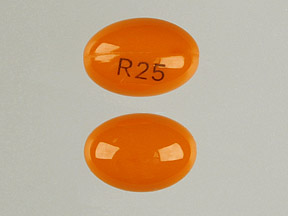
Rocaltrol (calcitriol) and Alcohol / Food Interactions
There is 1 alcohol/food/lifestyle interaction with Rocaltrol (calcitriol):
Rocaltrol and multivitamins with minerals
Major Drug Interaction
MANAGEMENT: Vitamin D analogs should not be used in combination with each other or with pharmacologic doses of vitamin D. Serum calcium and phosphorus levels must be closely monitored during therapy with a vitamin D analog, especially early in treatment during dosage adjustment. The serum calcium X phosphorus product should be maintained at less than 55 in patients with chronic kidney disease and should not be allowed to exceed 70 in any patient. An estimate of daily dietary calcium intake should be made and the intake adjusted when indicated. Patients should be advised to avoid an abrupt increase in dietary calcium intake, as it may trigger hypercalcemia, and to contact their physician if they experience early symptoms of vitamin D intoxication associated with hypercalcemia such as weakness, fatigue, headache, somnolence, vertigo, tinnitus, anorexia, nausea, vomiting, constipation, dry mouth, metallic taste, muscle pain, bone pain, ataxia, and hypotonia. Late symptoms may include polyuria, polydipsia, weight loss, nocturia, conjunctivitis, photophobia, rhinorrhea, pruritus, hyperthermia, decreased libido, and cardiac arrhythmias. Radiographic evaluation of suspect anatomical regions may be useful in the early detection of hypercalcemia. If hypercalcemia develops, treatment with vitamin D and any calcium product should be stopped immediately.
You should also know about...
Rocaltrol (calcitriol) drug Interactions
There are 158 drug interactions with Rocaltrol (calcitriol)
See also...
Drug Interaction Classification
The classifications below are a general guideline only. It is difficult to determine the relevance of a particular drug interaction to any individual given the large number of variables.
| Major | Highly clinically significant. Avoid combinations; the risk of the interaction outweighs the benefit. |
| Moderate | Moderately clinically significant. Usually avoid combinations; use it only under special circumstances. |
| Minor | Minimally clinically significant. Minimize risk; assess risk and consider an alternative drug, take steps to circumvent the interaction risk and/or institute a monitoring plan. |
Do not stop taking any medications without consulting your healthcare provider.
Disclaimer: Every effort has been made to ensure that the information provided by Multum is accurate, up-to-date, and complete, but no guarantee is made to that effect. In addition, the drug information contained herein may be time sensitive and should not be utilized as a reference resource beyond the date hereof. Multum's drug information does not endorse drugs, diagnose patients, or recommend therapy. Multum's drug information is a reference resource designed as supplement to, and not a substitute for, the expertise, skill , knowledge, and judgement of healthcare practitioners in patient care. The absence of a warning for a given drug or drug combination in no way should be construed to indicate that the drug of drug combination is safe, effective, or appropriate for any given patient. Multum Information Services, Inc. does not assume any responsibility for any aspect of healthcare administered with the aid of information Multum provides. Copyright 2000-2012 Multum Information Services, Inc. The information in contained herein is not intended to cover all possible uses, directions, precautions, warnings, drug interactions, allergic reactions, or adverse effects. If you have questions about the drugs you are taking, check with your doctor, nurse, or pharmacist.