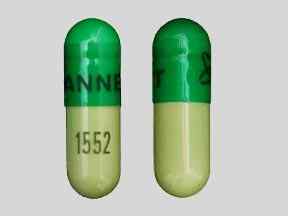
Aspirin/butalbital/caffeine and Alcohol/Food Interactions
There are 9 alcohol/food/lifestyle interactions with aspirin / butalbital / caffeine.
butalbital Alcohol (Ethanol)
Major Drug Interaction
Ask your doctor before using butalbital together with ethanol, this can add to dizziness, drowsiness and other side effects of butalbital. Be careful if you drive or do activities that require you to be awake and alert. Talk with your doctor before using any medications together, or drinking alcohol with butalbital. It is important to tell your doctor about all other medications you use, including vitamins and herbs. Do not stop using any medications without first talking to your doctor.
aspirin Alcohol (Ethanol)
Moderate Drug Interaction
Ask your doctor before using aspirin together with ethanol. Do not drink alcohol while taking aspirin. Alcohol can increase your risk of stomach bleeding caused by aspirin. Call your doctor at once if you have symptoms of bleeding in your stomach or intestines. This includes black, bloody, or tarry stools, or coughing up blood or vomit that looks like coffee grounds. It is important to tell your doctor about all other medications you use, including vitamins and herbs. Do not stop using any medications without first talking to your doctor.
aspirin Alcohol (Ethanol)
Minor Drug Interaction
Information for this minor interaction is available on the professional version.
aspirin Nicotine
Minor Drug Interaction
Information for this minor interaction is available on the professional version.
Nicotine caffeine
Minor Drug Interaction
Information for this minor interaction is available on the professional version.
caffeine food
Minor Food Interaction
Information for this minor interaction is available on the professional version.
High Blood Pressure (Hypertension)
Major Potential Hazard, Moderate plausibility
CNS stimulants - cardiac disease
Many CNS stimulants are contraindicated in patients with significant cardiovascular impairment such as uncompensated heart failure, severe coronary disease, severe hypertension (including that associated with hyperthyroidism or pheochromocytoma), cardiac structural abnormalities, serious arrhythmias, etc. Sudden death has been reported in patients with structural cardiac abnormalities or other serious cardiac disease who are treated with CNS stimulants at the recommended dosages for attention deficit hyperactivity disorder; use of these agents should be avoided in patients with known structural cardiac abnormalities, cardiomyopathy, serious cardiac arrhythmia, coronary artery disease, or other serious cardiac disease. Additionally, stroke, myocardial infarction, chest pain, syncope, arrhythmias, and other symptoms have been reported in adults under treatment. A careful assessment of the cardiovascular status should be done in patients being considered for treatment. This includes family history, physical exam, and further cardiac evaluation (EKG and echocardiogram). Patients who develop symptoms should have a detailed cardiac evaluation and if needed, treatment should be suspended.
References
- "Product Information. Provigil (modafinil)." Cephalon, Inc PROD (2001):
- "Product Information. Dopram (doxapram)." West Ward Pharmaceutical Corporation PROD (2001):
- "Product Information. Dexedrine (dextroamphetamine)." SmithKline Beecham PROD (2001):
- "Product Information. Didrex (benzphetamine)." Pharmacia and Upjohn PROD (2001):
- "Product Information. Tenuate (diethylpropion)." Aventis Pharmaceuticals PROD (2001):
- "Product Information. Focalin (dexmethylphenidate)." Mikart Inc (2001):
- "Product Information. Concerta (methylphenidate)." Alza (2002):
- "Product Information. Strattera (atomoxetine)." Lilly, Eli and Company (2002):
- "Product Information. Vyvanse (lisdexamfetamine)." Shire US Inc (2007):
- "Product Information. Nuvigil (armodafinil)." Cephalon Inc (2007):
- "Product Information. Phendimetrazine Tartrate SR (phendimetrazine)." Sandoz Inc (2012):
- "Product Information. Phentermine Hydrochloride (phentermine)." Tagi Pharma Inc (2019):
- "Product Information. Desoxyn (methamphetamine)." Recordati Rare Diseases Inc SUPPL-38 (2023):
High Blood Pressure (Hypertension)
Major Potential Hazard, Moderate plausibility
CNS stimulants - hypertension
CNS stimulants increase blood pressure and heart rate; the use of some agents may be contraindicated in patients with severe/uncontrolled hypertension. Caution should be used when administering to patients with preexisting high blood pressure (even mild hypertension) and other cardiovascular conditions. All patients under treatment should be regularly monitored for potential tachycardia and hypertension.
References
- "Product Information. Provigil (modafinil)." Cephalon, Inc PROD (2001):
- "Product Information. Dopram (doxapram)." West Ward Pharmaceutical Corporation PROD (2001):
- "Product Information. Dexedrine (dextroamphetamine)." SmithKline Beecham PROD (2001):
- "Product Information. Didrex (benzphetamine)." Pharmacia and Upjohn PROD (2001):
- "Product Information. Tenuate (diethylpropion)." Aventis Pharmaceuticals PROD (2001):
- "Product Information. Focalin (dexmethylphenidate)." Mikart Inc (2001):
- "Product Information. Concerta (methylphenidate)." Alza (2002):
- "Product Information. Strattera (atomoxetine)." Lilly, Eli and Company (2002):
- "Product Information. Vyvanse (lisdexamfetamine)." Shire US Inc (2007):
- "Product Information. Nuvigil (armodafinil)." Cephalon Inc (2007):
- "Product Information. Phendimetrazine Tartrate SR (phendimetrazine)." Sandoz Inc (2012):
- "Product Information. Phentermine Hydrochloride (phentermine)." Tagi Pharma Inc (2019):
- "Product Information. Desoxyn (methamphetamine)." Recordati Rare Diseases Inc SUPPL-38 (2023):
High Blood Pressure (Hypertension)
Moderate Potential Hazard, Moderate plausibility
caffeine - cardiotoxicity
Like other methylxanthines, caffeine at high dosages may be associated with positive inotropic and chronotropic effects on the heart. Caffeine may also produce an increase in systemic vascular resistance, resulting in elevation of blood pressure. Therapy with products containing caffeine should be administered cautiously in patients with severe cardiac disease, hypertension, hyperthyroidism, or acute myocardial injury. Some clinicians recommend avoiding caffeine in patients with symptomatic cardiac arrhythmias and/or palpitations and during the first several days to weeks after an acute myocardial infarction.
References
- "Multum Information Services, Inc. Expert Review Panel"
Aspirin/butalbital/caffeine drug interactions
There are 853 drug interactions with aspirin / butalbital / caffeine.
Aspirin/butalbital/caffeine disease interactions
There are 29 disease interactions with aspirin / butalbital / caffeine which include:
- coagulation
- acute alcohol intoxication
- drug dependence
- liver disease
- porphyria
- rash
- respiratory depression
- cardiac disease
- hypertension
- psychiatric disorders
- PUD
- asthma
- GI toxicity
- renal dysfunction
- Reye's syndrome
- adrenal insufficiency
- depression
- hematologic toxicity
- osteomalacia
- paradoxical reactions
- cardiotoxicity
- liver disease
- renal dysfunction
- seizure disorders
- GERD
- anemia
- dialysis
- G-6-PD deficiency
- hepatotoxicity
Report options

More about aspirin / butalbital / caffeine
- aspirin/butalbital/caffeine consumer information
- Check interactions
- Compare alternatives
- Pricing & coupons
- Reviews (121)
- Drug images
- Side effects
- Dosage information
- During pregnancy
- Drug class: analgesic combinations
- En español
Related treatment guides
Drug Interaction Classification
| Highly clinically significant. Avoid combinations; the risk of the interaction outweighs the benefit. | |
| Moderately clinically significant. Usually avoid combinations; use it only under special circumstances. | |
| Minimally clinically significant. Minimize risk; assess risk and consider an alternative drug, take steps to circumvent the interaction risk and/or institute a monitoring plan. | |
| No interaction information available. |
Further information
Always consult your healthcare provider to ensure the information displayed on this page applies to your personal circumstances.