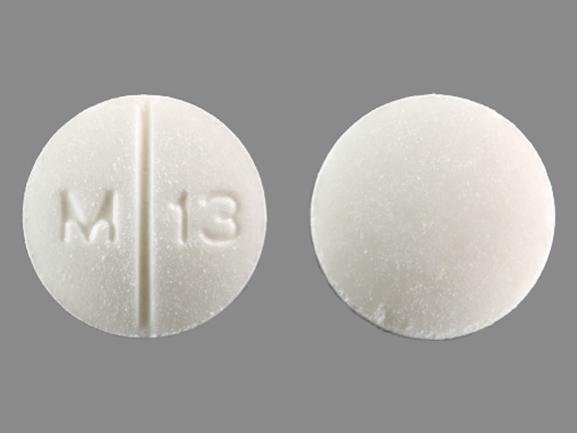
Tolbutamide Dosage
Applies to the following strengths: 500 mg; 1 g
Usual Adult Dose for:
Additional dosage information:
Usual Adult Dose for Diabetes Type 2
Initial dose: 1 to 2 g orally once a day or in divided doses through the day
- Adjust dose based on blood glucose response
Maximum dose: 3 g per day
Comments: Transferring patients from other oral antidiabetic regimens should be done conservatively:
- When transferring from chlorpropamide, particular care should be exercised during the first 2 weeks due to the potential for overlapping hypoglycemic effects.
- When transferring from insulin therapy, concurrent insulin therapy should be maintained in patients requiring 20 units of insulin/day or more:
- Patients requiring 20 to 40 units of insulin/day should have insulin reduced by 30% to 50% for the first few days, and then adjust therapy based on response.
- Patients requiring more than 40 units of insulin/day should have insulin reduced by 20% the first day, and then adjust therapy based on response.
Use: As an adjunct to diet to lower blood glucose in patients with type 2 diabetes whose hyperglycemia cannot be controlled by diet alone.
Renal Dose Adjustments
Use with caution; initial and maintenance dosing should be conservative to avoid hypoglycemic reactions.
Liver Dose Adjustments
Use with caution; initial and maintenance dosing should be conservative to avoid hypoglycemic reactions.
Dose Adjustments
Elderly, debilitated, or malnourished patient: Initial and maintenance dosing should be conservative to avoid hypoglycemic reactions.
Precautions
Safety and efficacy have not been established in patients younger than 18 years.
Consult WARNINGS section for additional precautions.
Dialysis
Data not available
Other Comments
Administration advice:
Take orally once a day in the morning or in divided doses through the day
Storage requirements:
- Protect from light
General:
- Hypoglycemia may occur, especially in the elderly, debilitated, or malnourished patient, in patients receiving combination therapy, and/or those with renal, hepatic or adrenal insufficiency; dose reduction of this drug may be necessary.
- This drug should not be used in patients with type 1 diabetes mellitus or diabetic ketoacidosis.
- Hemolytic anemia may occur in glucose 6-phosphate dehydrogenase (G6PD) deficient patients; consider a non-sulfonylurea alternative.
- When a patient stabilized on any diabetic regimen is exposed to stress such as fever, trauma infection, or surgery, it may be necessary to stop this drug and administer insulin.
Monitoring:
Regular clinical and laboratory evaluations are necessary to determine minimum effective dose and detect primary or secondary failure.
- Clinical status should be checked within the first 4 to 8 weeks and regularly, thereafter
- Laboratory monitoring including periodic fasting blood glucose, self-monitoring of blood glucose, and urine testing (i.e., glucose and ketones) should be done more frequently during drug initiation and with changing doses; glycosylated hemoglobin levels (HbA1c) should be done as clinically warranted.
Patient advice:
- Patients should understand the importance of exercise and dietary control in the management of their disease.
- Patients should understand that alcohol ingestion, intense or prolonged exercise, skipping meals, illness, or lifestyle changes may increase their risks for hypoglycemia; they should know how to recognize the symptoms of hypoglycemia and be prepared to treat it.
- Patients should be careful about driving and use of machinery, especially when at risk for hypoglycemia.
- Patients should speak with their health care provider during periods of stress such as fever, trauma, or illness, as their diabetes management may need to be changed.
- Advise patient to speak to physician or health care professional if pregnant, intend to become pregnant, or are breastfeeding.
More about tolbutamide
- Check interactions
- Compare alternatives
- Drug images
- Side effects
- During pregnancy
- Drug class: sulfonylureas
- Breastfeeding
Patient resources
Other brands
Professional resources
Related treatment guides
Further information
Always consult your healthcare provider to ensure the information displayed on this page applies to your personal circumstances.