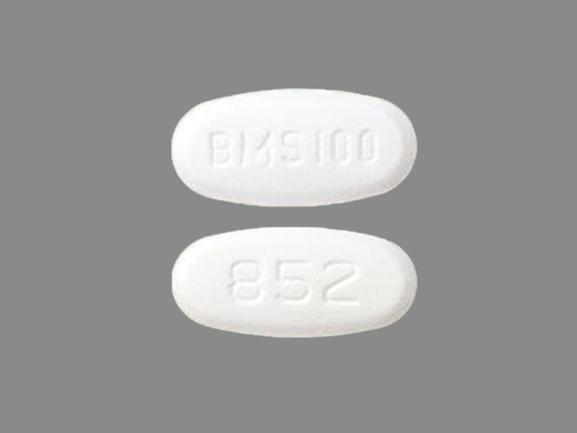
Dasatinib Dosage
Medically reviewed by Drugs.com. Last updated on Feb 16, 2023.
Applies to the following strengths: 70 mg; 20 mg; 50 mg; 100 mg; 80 mg; 140 mg
Usual Adult Dose for:
Usual Pediatric Dose for:
Additional dosage information:
Usual Adult Dose for Leukemia
Chronic Phase CML: 100 mg orally once a day
Accelerated Phase CML, Myeloid or Lymphoid Blast Phase CML, Ph+ ALL: 140 mg orally once a day
Comments:
- Treatment should be continued until disease progression or unacceptable toxicity.
- The effect of discontinuing therapy after complete cytogenetic response is achieved has not been investigated.
Uses:
- For the treatment of adults with newly diagnosed Philadelphia chromosome-positive (Ph+) chronic myeloid leukemia (CML) in chronic phase
- For the treatment of adults with chronic, accelerated, or myeloid or lymphoid blast phase Ph+ CML with resistance or intolerance to prior therapy including imatinib
- For the treatment of adults with Philadelphia chromosome-positive acute lymphoblastic leukemia (Ph+ ALL) with resistance or intolerance to prior therapy
Usual Pediatric Dose for Leukemia
Body weight of 10 kg to less than 20 kg: 40 mg orally once a day
Body weight of 20 kg to less than 30 kg: 60 mg orally once a day
Body weight of 30 kg to less than 45 kg: 70 mg orally once a day
Body weight of at least 45 kg: 100 mg orally once a day
Comments:
- The recommended starting dosage is based on body weight.
- The dose should be recalculated every 3 months or more often based on body weight changes.
- Patients with Ph+ ALL, start therapy on or before day 15 of induction chemotherapy, when diagnosis is confirmed and continue for 2 years.
- Tablet dosing is not recommended for patients weighing less than 10 kg.
Uses:
- For the treatment of Ph+ CML in chronic phase
- For the treatment of newly diagnosed Ph+ ALL in combination with chemotherapy
Renal Dose Adjustments
Data are not available
Liver Dose Adjustments
No adjustment recommended.
Dose Adjustments
Dose Adjustments for Neutropenia or Thrombocytopenia in adults:
Chronic Phase CML:
1) Stop therapy until the ANC is greater than or equal to 1.0 x 10(9)/L and platelets are greater than or equal to 50 x 10(9)/L.
2) Resume treatment at the original starting dose if recovery occurs in less than or equal to 7 days.
3) If platelets are less than 25 x 10(9)/L or recurrence of ANC less than 0.5 x 10(9)/L for greater than 7 days, repeat Step 1 and resume drug at a reduced dose of 80 mg once a day (second episode) or for a third episode, further reduce dose to 50 mg once a day (for newly diagnosed patients) or discontinue this drug (for patients resistant or intolerant to prior therapy including imatinib).
Accelerated Phase CML, Blast Phase CML and Ph+ ALL:
1) Check if cytopenia is related to leukemia (marrow aspirate or biopsy).
2) If cytopenia is unrelated to leukemia, stop this drug until the ANC is greater than or equal to 1.0 x 10(9)/L and platelets are greater than or equal to 20 x 10(9)/L and resume at the original starting dose.
3) If recurrence of cytopenia, repeat Step 1 and resume this drug at a reduced dose of 100 mg once a day (second episode) or 80 mg once a day (third episode).
4) If cytopenia is related to leukemia, consider dose escalation to 180 mg once a day.
Dose Adjustments for Neutropenia or Thrombocytopenia in pediatrics:
Ph+ CML: (The manufacturer product information should be consulted for dose reduction table)
1) If cytopenia persist for more than 3 weeks, check if cytopenia is related to leukemia (marrow aspirate or biopsy).
2) If cytopenia is unrelated to leukemia, stop this drug until ANC is greater than or equal to 1.0 x 10(9)/L and platelets are greater than or equal to 75 x 10(9)/L and resume at the original starting dose or at a reduced dose.
3) If cytopenia recurs, repeat marrow aspirate/biopsy and resume this drug at a reduced dose.
Chronic phase CML:
1) If Grade 3 or greater neutropenia or thrombocytopenia recurs during complete hematologic response (CHR), interrupt this drug and resume at a reduced dose.
2) Implement temporary dose reductions for intermediate degrees of cytopenia and disease response as needed.
Ph+ ALL:
1) If neutropenia and/or thrombocytopenia result in a delay of the next block of treatment by more than 14 days, interrupt this drug and resume at the same dose level once the next block of treatment is started.
2) If neutropenia and/or thrombocytopenia persist and the next block of treatment is delayed another 7 days, perform a bone marrow assessment to assess cellularity and percentage of blasts.
3) If marrow cellularity is less than 10%, interrupt treatment with this drug until ANC is greater than 500/mcL (0.5 x 10(9)/L), at which time treatment may be resumed at full dose.
4) If marrow cellularity is greater than 10%, resumption of treatment with this drug may be considered.
Dose Adjustment with Non-hematological Adverse Reactions:
For adults with Ph+ CML and ALL, and pediatric patients with Ph+ CML:
If a severe non-hematological adverse reaction develops, treatment must be withheld until the event has resolved or improved. Thereafter, treatment can be resumed as appropriate at a reduced dose depending on the initial severity of the event.
For pediatrics with Ph+ ALL:
1) Interrupt treatment for cases of Grade greater than 3 non-hematologic adverse reactions with the exception of liver function test abnormalities, and resume at a reduced dose when resolved to Grade less than 1.
2) For elevated direct bilirubin over 5 times the institutional upper limit of normal (ULN), interrupt treatment until improvement to baseline or Grade less than 1.
3) For elevated AST/ALT over 15 times the institutional ULN, interrupt treatment until improvement to baseline or Grade less 1.
4) For recurrent liver function test abnormalities as above, reduce the dose if this adverse reaction recurs after reinitiating this drug.
Dose for Non-hematologic Toxicities in Pediatric Patients: (The manufacturer product information should be consulted for dose reduction table)
1) If a non-hematologic toxicity Grade 2 occurs, consider interrupting this drug if no recovery despite symptomatic therapy; once recovered to Grade less than or equal to 1, resume at the original starting dose. Resume this drug at a reduced dose for recurrent events.
2) If a non-hematologic toxicity Grade 3 occurs, stop this drug until recovery to Grade less than or equal to 1 and then resume at a reduced dose.
3) If direct bilirubin is greater than 5 ULN or AST/ALT greater than 15 ULN, interrupt this drug until recovery to Grade less than or equal to 1 and then resume this drug at the original starting dose. Resume this drug at a reduced dose for recurrent events.
Dose Escalation:
CML and Ph+ ALL who did not achieve a hematologic or cytogenetic response at the recommended dosage:
Adult patients:
Chronic phase CML: 140 mg once a day
Advanced phase CML and Ph+ ALL: 180 mg once daily
Pediatric patients:
CML: up to 120 mg once a day (The manufacturer product information should be consulted for dose escalation table)
Ph+ ALL: Dose escalation is not recommended when this drug is administered in combination with chemotherapy.
Dose Adjustment with concomitant Strong CYP450 3A4 Inducers:
The use of strong CYP450 3A4 inducers and St. John's wort should be avoided. If this drug is used with an inducer, the dose of this drug should be increased followed by careful monitoring for adverse reactions.
Dose Adjustment with concomitant Strong CYP450 3A4 Inhibitors:
The use of strong CYP450 3A4 inhibitors and grapefruit juice should be avoided. If this drug is used with an inhibitor, a dose decrease should be considered. Patients taking 70 mg or 100 mg orally once a day should have dose decreased to 20 mg once a day and patients taking 140 mg orally once a day should have dose decreased to 40 mg once a day. For patients taking 40 mg or 60 mg once a day, consider interrupting this drug until the inhibitor is discontinued. Following dose reduction, if this drug is not tolerated, either the strong CYP450 3A4 inhibitor should be discontinued or this drug should be discontinued until treatment with the inhibitor is discontinued. After the strong inhibitor is discontinued, a washout period of approximately 1 week should be allowed to transpire prior to reinitiating or increasing the dose of this drug.
Precautions
CONTRAINDICATIONS:
- None
Safety and efficacy have not been established in patients younger than 1 year.
Consult WARNINGS section for additional precautions.
Dialysis
Data not available
Other Comments
Administration Advice:
- Swallow tablets whole. Do not crush, break, or cut tablets.
- Take with or without food.
- Take consistently either in the morning or evening.
Storage Requirements:
- Store at 20C to 25C (68F to 77F); excursions permitted to 15C to 30C (59F to 86F).
Monitoring:
- Effects on growth and development: Monitor bone growth and development in pediatric patients.
- Patients 65 years and older: Monitor closely for adverse reactions.
- Tumor Lysis Syndrome: Monitor electrolyte levels, particularly in patients with advanced stage disease and/or high tumor burden.
- Cardiovascular: Monitor for signs and symptoms of cardiac dysfunction.
- Hematologic: Monitor blood counts weekly for the first 2 months and then monthly thereafter, or as clinically indicated.
- Hepatic: Monitor for signs of increased drug exposure or toxicity when administering with CYP450 3A4 inhibitors.
Patient Advice:
- Personnel who are pregnant should avoid exposure to crushed and/or broken tablets.
- To minimize the risk of dermal exposure, use of latex or nitrile gloves for appropriate disposal when handling tablets that are inadvertently crushed or broken.
Frequently asked questions
More about dasatinib
- Check interactions
- Compare alternatives
- Reviews (28)
- Side effects
- During pregnancy
- Drug class: BCR-ABL tyrosine kinase inhibitors
- Breastfeeding
- En español
Patient resources
Other brands
Professional resources
Other brands
Related treatment guides
Further information
Always consult your healthcare provider to ensure the information displayed on this page applies to your personal circumstances.