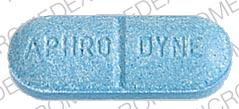
Aphrodyne Disease Interactions
There are 5 disease interactions with Aphrodyne (yohimbine).
Yohimbine (applies to Aphrodyne) cardiovascular disease
Major Potential Hazard, High plausibility. Applicable conditions: Hypertension, Heart Disease
Yohimbine can cause hypertension and tachycardia at recommended dosages. Large doses may cause hypotension and cardiac conduction disturbances. Therapy with yohimbine is generally not recommended in patients with hypertension, angina pectoris, or heart disease.
References
- Limbird LE eds., Gilman AG, Hardman JG (1995) "Goodman and Gilman's the Pharmacological Basis of Therapeutics." New York, NY: McGraw-Hill
- (2001) "Product Information. Yocon (yohimbine)." Glenwood Inc
- Grossman E, Rosenthal T, Peleg E, Holmes C, Goldstein DS (1993) "Oral yohimbine increases blood pressure and sympathetic nervous outflow in hypertensive patients." J Cardiovasc Pharmacol, 22, p. 22-6
- Mansoor GA (2001) "Herbs and alternative therapies in the hypertension clinic." Am J Hypertens, 14(9 Pt 1), p. 971-5
Yohimbine (applies to Aphrodyne) peptic ulcer disease
Major Potential Hazard, High plausibility. Applicable conditions: History - Peptic Ulcer
Yohimbine may increase gastric acid secretion and gastrointestinal motility secondary to its cholinergic activity. Therapy with yohimbine is generally not recommended in patients with a history of peptic ulcer disease.
References
- (2001) "Product Information. Yocon (yohimbine)." Glenwood Inc
Yohimbine (applies to Aphrodyne) renal dysfunction
Major Potential Hazard, High plausibility.
The use of yohimbine is contraindicated in patients with renal impairment. Yohimbine has mild antidiuretic effects, probably via stimulation of hypothalamic centers and release of posterior pituitary hormone. Agents that reduce or suppress diuresis may aggravate renal diseases.
References
- (2001) "Product Information. Yocon (yohimbine)." Glenwood Inc
Yohimbine (applies to Aphrodyne) depression/psychoses
Moderate Potential Hazard, Moderate plausibility. Applicable conditions: Psychosis, Anxiety/Stress, History - Psychiatric Disorder
Yohimbine readily penetrates the blood-brain barrier and may cause anxiety, excitation, and other adverse nervous system effects. Precipitation or exacerbation of psychotic symptoms has been reported. Therapy with yohimbine should be administered cautiously in patients with anxiety, depression, or a history of psychiatric disorders.
References
- (2001) "Product Information. Yocon (yohimbine)." Glenwood Inc
Yohimbine (applies to Aphrodyne) liver disease
Moderate Potential Hazard, Moderate plausibility.
Data are limited concerning the use of yohimbine in patients with liver disease. Yohimbine is thought to undergo metabolism in the liver. Therapy with yohimbine should be administered cautiously in patients with significantly impaired hepatic function.
References
- (2001) "Product Information. Yocon (yohimbine)." Glenwood Inc
Aphrodyne drug interactions
There are 32 drug interactions with Aphrodyne (yohimbine).
Aphrodyne alcohol/food interactions
There is 1 alcohol/food interaction with Aphrodyne (yohimbine).
Report options

More about Aphrodyne (yohimbine)
- Check interactions
- Compare alternatives
- Drug images
- Side effects
- Dosage information
- During pregnancy
- Drug class: impotence agents
Related treatment guides
Drug Interaction Classification
| Highly clinically significant. Avoid combinations; the risk of the interaction outweighs the benefit. | |
| Moderately clinically significant. Usually avoid combinations; use it only under special circumstances. | |
| Minimally clinically significant. Minimize risk; assess risk and consider an alternative drug, take steps to circumvent the interaction risk and/or institute a monitoring plan. | |
| No interaction information available. |
Further information
Always consult your healthcare provider to ensure the information displayed on this page applies to your personal circumstances.