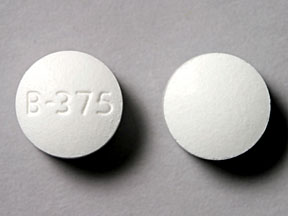
Dyphylline/guaifenesin Disease Interactions
There are 4 disease interactions with dyphylline / guaifenesin.
Dyphylline (applies to dyphylline/guaifenesin) renal dysfunction
Major Potential Hazard, High plausibility.
Dyphylline is eliminated almost entirely by the kidney. Drug accumulation may occur in patients with impaired renal function. Like other methylxanthines, high plasma levels of the drug may be associated with severe cardio- and neurotoxicity, sometimes without any previous warning. Therapy with dyphylline should be administered cautiously in patients with renal impairment. Dosage adjustments may be necessary. The relationship between plasma dyphylline levels and therapeutic as well as toxic effects has not been determined.
References
- "Multum Information Services, Inc. Expert Review Panel"
- "Product Information. Lufyllin (dyphylline)." Wallace Laboratories PROD (2001):
Methylxanthines (applies to dyphylline/guaifenesin) PUD
Major Potential Hazard, High plausibility. Applicable conditions: Peptic Ulcer
Methylxanthines are known to stimulate peptic acid secretion. Therapy with products containing methylxanthines should be administered with extreme caution in patients with active peptic ulcer disease. Some manufacturers consider their use to be contraindicated under such circumstance.
References
- Stoller JL "Oesophageal ulceration and theophylline." Lancet 2 (1985): 328-9
- "Product Information. Theo-Dur (theophylline)." Schering Corporation PROD (2001):
- Alterman P, Spiegel D, Feldman J, Yaretzky A "Histamine h2-receptor antagonists and chronic theophylline toxicity." Am Fam Physician 54 (1996): 1473
- "Product Information. Lufyllin (dyphylline)." Wallace Laboratories PROD (2001):
Dyphylline (applies to dyphylline/guaifenesin) cardiotoxicity
Moderate Potential Hazard, Moderate plausibility. Applicable conditions: Tachyarrhythmia, Angina Pectoris, Myocardial Infarction, Post MI Syndrome, Hyperthyroidism, Hypertension
Like other methylxanthines, dyphylline at high dosages may be associated with positive inotropic and chronotropic effects on the heart. Therapy with dyphylline and products containing dyphylline should be administered cautiously in patients with severe cardiac disease, hypertension, hyperthyroidism, or recent myocardial infarction. The relationship between plasma dyphylline levels and therapeutic as well as toxic effects has not been determined.
References
- "Multum Information Services, Inc. Expert Review Panel"
- "Product Information. Lufyllin (dyphylline)." Wallace Laboratories PROD (2001):
Methylxanthines (applies to dyphylline/guaifenesin) GERD
Moderate Potential Hazard, High plausibility. Applicable conditions: Gastroesophageal Reflux Disease
Methylxanthines increase gastric acidity and may also relax lower esophageal sphincter, which can lead to gastric reflux into the esophagus. Therapy with products containing methylxanthines should be administered cautiously in patients with significant gastroesophageal reflux.
References
- Stoller JL "Oesophageal ulceration and theophylline." Lancet 2 (1985): 328-9
- American Medical Association, Division of Drugs and Toxicology "Drug evaluations annual 1994." Chicago, IL: American Medical Association; (1994):
- Alterman P, Spiegel D, Feldman J, Yaretzky A "Histamine h2-receptor antagonists and chronic theophylline toxicity." Am Fam Physician 54 (1996): 1473
- "Product Information. Lufyllin (dyphylline)." Wallace Laboratories PROD (2001):
Dyphylline/guaifenesin drug interactions
There are 88 drug interactions with dyphylline / guaifenesin.
Dyphylline/guaifenesin alcohol/food interactions
There is 1 alcohol/food interaction with dyphylline / guaifenesin.
Report options

More about dyphylline / guaifenesin
- dyphylline/guaifenesin consumer information
- Check interactions
- Compare alternatives
- Drug images
- Side effects
- Dosage information
- During pregnancy
- Drug class: antiasthmatic combinations
- En español
Related treatment guides
Drug Interaction Classification
| Highly clinically significant. Avoid combinations; the risk of the interaction outweighs the benefit. | |
| Moderately clinically significant. Usually avoid combinations; use it only under special circumstances. | |
| Minimally clinically significant. Minimize risk; assess risk and consider an alternative drug, take steps to circumvent the interaction risk and/or institute a monitoring plan. | |
| No interaction information available. |
Further information
Always consult your healthcare provider to ensure the information displayed on this page applies to your personal circumstances.