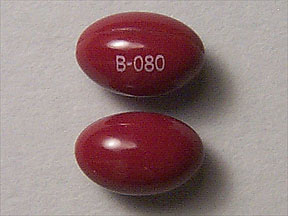
Chloral hydrate Disease Interactions
There are 9 disease interactions with chloral hydrate.
- Alcohol intox
- Depression
- Drug dependence
- Renal/liver disease
- Glaucoma
- Liver disease
- Resp depression
- Cardiac disease
- Gastrointestinal irritation
Anxiolytics/sedatives/hypnotics (applies to chloral hydrate) alcohol intox
Major Potential Hazard, High plausibility. Applicable conditions: Acute Alcohol Intoxication
Anxiolytic, sedative, and hypnotic agents should generally not be given to patients with acute alcohol intoxication exhibiting depressed vital signs. The central nervous system depressant effects of these agents may be additive with those of alcohol. Severe respiratory depression and death may occur. Therapy with such agents should be administered cautiously in patients who might be prone to acute alcohol intake.
Anxiolytics/sedatives/hypnotics (applies to chloral hydrate) depression
Major Potential Hazard, Moderate plausibility.
A variety of abnormal thinking and behavior changes have been reported to occur in association with the use of most anxiolytics, sedatives and hypnotics. Some of these changes include decreased inhibition, aggressiveness, agitation, and hallucinations. These drugs can cause or exacerbate mental depression and cause suicidal behavior and ideation. Therapy with these drugs should be administered cautiously in patients with a history of depression or other psychiatric disorders. Patients should be monitored for any changes in mood or behavior. It may be prudent to refrain from dispensing large quantities of medication to these patients.
Anxiolytics/sedatives/hypnotics (applies to chloral hydrate) drug dependence
Major Potential Hazard, High plausibility. Applicable conditions: Alcoholism, Drug Abuse/Dependence
Anxiolytic, sedative, and hypnotic agents have the potential to cause dependence and abuse. Tolerance as well as physical and psychological dependence can develop, particularly after prolonged use of excessive dosages, and abrupt cessation and/or a reduction in dosage may precipitate withdrawal symptoms. In patients who have developed tolerance, overdosage can still produce respiratory depression and death. Therapy with anxiolytic, sedative, and hypnotic agents should be administered cautiously and for as brief a period as possible. Addiction-prone individuals, such as those with a history of alcohol or substance abuse, should be under careful surveillance or medical supervision when treated with these agents. In addition, it may be prudent to refrain from dispensing large quantities of medication to such patients. After prolonged use or if dependency is suspected, withdrawal of medication should be undertaken gradually using a dosage-tapering schedule.
Chloral hydrate (applies to chloral hydrate) renal/liver disease
Major Potential Hazard, High plausibility. Applicable conditions: Renal Dysfunction
The use of chloral hydrate is contraindicated in patients with marked renal and/or hepatic impairment due to the potential for significant drug and metabolite accumulation. Chloral hydrate is metabolized by the liver and erythrocytes to the pharmacologically active compound, trichloroethanol (TCE), which has a plasma half-life of 8 to 12 hours. TCE is then metabolized further by both the liver and kidney to inactive substances that are slowly excreted in the urine. High plasma levels of chloral hydrate and TCE may produce respiratory depression and adverse cardiovascular effects such as peripheral vasodilation, hypotension, arrhythmias, and myocardial depression.
Anxiolytics/sedatives/hypnotics (applies to chloral hydrate) glaucoma
Moderate Potential Hazard, Moderate plausibility. Applicable conditions: Glaucoma/Intraocular Hypertension, Urinary Retention
Some hypnotic drugs can have an anticholinergic effect and should be used with caution in patients with glaucoma, and trouble urinating due to retention or enlarged prostate.
Anxiolytics/sedatives/hypnotics (applies to chloral hydrate) liver disease
Moderate Potential Hazard, Moderate plausibility.
In general, anxiolytics, sedatives and hypnotics are extensively metabolized by the liver. Their plasma clearance may be decreased and their half-life prolonged in patients with impaired hepatic function. Therapy with these drugs should be administered cautiously in patients with liver disease (some are not recommended in severe liver impairment), and the dosage should be adjusted accordingly. Laboratory testing is recommended prior and during treatment.
Anxiolytics/sedatives/hypnotics (applies to chloral hydrate) resp depression
Moderate Potential Hazard, Moderate plausibility. Applicable conditions: Asphyxia, Pulmonary Impairment, Respiratory Arrest
Oral anxiolytic, sedative, and hypnotic agents may cause respiratory depression and apnea when given in high dosages or following acute overdose. However, some patients may be susceptible at commonly used dosages, including the elderly, debilitated or severely ill patients, those receiving other CNS depressants, and those with limited ventilatory reserve, chronic pulmonary insufficiency or other respiratory disorders. Therapy with anxiolytic, sedative, and hypnotic agents should be administered cautiously in these patients. Appropriate monitoring and individualization of dosage are recommended.
Chloral hydrate (applies to chloral hydrate) cardiac disease
Moderate Potential Hazard, Moderate plausibility. Applicable conditions: Heart Disease
Although continued use of chloral hydrate at therapeutic dosages has not been associated with deleterious effects on the heart, large doses may produce peripheral vasodilation, hypotension, arrhythmias, and myocardial depression. High dosages of chloral hydrate should be avoided in patients with severe cardiac disease.
Chloral hydrate (applies to chloral hydrate) gastrointestinal irritation
Moderate Potential Hazard, High plausibility. Applicable conditions: Peptic Ulcer, Duodenitis/Gastritis, Esophagitis, Esophageal Ulceration
Chloral hydrate may cause esophageal and gastric irritation. Oral use of chloral hydrate should be avoided in patients with esophagitis, gastritis, duodenitis, or peptic ulcer disease.
Chloral hydrate drug interactions
There are 357 drug interactions with chloral hydrate.
Chloral hydrate alcohol/food interactions
There is 1 alcohol/food interaction with chloral hydrate.
Report options

More about chloral hydrate
- chloral hydrate consumer information
- Check interactions
- Compare alternatives
- Reviews (20)
- Side effects
- Dosage information
- During pregnancy
- Drug class: miscellaneous anxiolytics, sedatives and hypnotics
- Breastfeeding
Related treatment guides
Drug Interaction Classification
| Highly clinically significant. Avoid combinations; the risk of the interaction outweighs the benefit. | |
| Moderately clinically significant. Usually avoid combinations; use it only under special circumstances. | |
| Minimally clinically significant. Minimize risk; assess risk and consider an alternative drug, take steps to circumvent the interaction risk and/or institute a monitoring plan. | |
| No interaction information available. |
Further information
Always consult your healthcare provider to ensure the information displayed on this page applies to your personal circumstances.