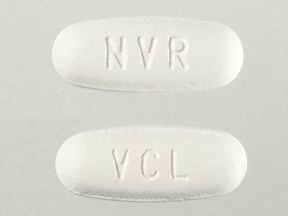
Exforge HCT Disease Interactions
There are 23 disease interactions with Exforge HCT (amlodipine / hydrochlorothiazide / valsartan).
- Diabetes
- Angioedema
- Hypotension
- Cardiogenic shock/hypotension
- Coronary artery disease
- Liver disease
- Anuria
- Electrolyte losses
- Liver disease
- Lupus erythematosus
- Renal function disorders
- CHF
- Hyperkalemia
- Renal artery stenosis
- Renal impairment
- CHF/AMI
- Asthma
- Diabetes
- Hyperlipidemia
- Hyperparathyroidism
- Hyperuricemia
- Thyroid function tests
- Renal/liver disease
AR antagonist (applies to Exforge HCT) diabetes
Major Potential Hazard, Moderate plausibility. Applicable conditions: Diabetes Mellitus
The coadministration of some angiotensin II receptor blocker agents with aliskiren is contraindicated in patients with diabetes.
References
- (2001) "Product Information. Cozaar (losartan)." Merck & Co., Inc
- (2001) "Product Information. Diovan (valsartan)." Novartis Pharmaceuticals
- (2001) "Product Information. Avapro (irbesartan)." Bristol-Myers Squibb
- (2001) "Product Information. Teveten (eprosartan)." SmithKline Beecham
- (2001) "Product Information. Atacand (candesartan)." Astra-Zeneca Pharmaceuticals
- (2001) "Product Information. Micardis (telmisartan)." Boehringer-Ingelheim
- (2011) "Product Information. Edarbi (azilsartan)." Takeda Pharmaceuticals America
AR antagonists (applies to Exforge HCT) angioedema
Major Potential Hazard, Moderate plausibility.
The use of these agents is contraindicated in patients with a history of angioedema related to previous angiotensin-converting enzyme (ACE) inhibitor or angiotensin II receptor blocker (ARB) therapy or in patients with hereditary angioedema. Patients with a history of angioedema unrelated to these agents may be at increased risk of angioedema while receiving angiotensin II receptor (AR) antagonists. Patients should be advised to immediately report any signs or symptoms suggestive of angioedema (swelling of face, extremities, eyes, lips, or tongue, or difficulty swallowing or breathing) and to stop taking the medication until otherwise directed by their physician. Emergency therapy and/or measures to prevent airway obstruction are required for angioedema involving the tongue, glottis, or larynx. Treatment with angiotensin II receptor (AR) antagonists should be discontinued permanently if angioedema develops in association with therapy.
References
- (2001) "Product Information. Cozaar (losartan)." Merck & Co., Inc
- (2001) "Product Information. Diovan (valsartan)." Novartis Pharmaceuticals
- (2001) "Product Information. Avapro (irbesartan)." Bristol-Myers Squibb
- (2001) "Product Information. Teveten (eprosartan)." SmithKline Beecham
- (2001) "Product Information. Atacand (candesartan)." Astra-Zeneca Pharmaceuticals
- (2001) "Product Information. Micardis (telmisartan)." Boehringer-Ingelheim
- (2002) "Product Information. Benicar (olmesartan)." Sankyo Pharma
- (2011) "Product Information. Edarbi (azilsartan)." Takeda Pharmaceuticals America
AR antagonists (applies to Exforge HCT) hypotension
Major Potential Hazard, High plausibility. Applicable conditions: Dehydration, hemodialysis, Hyponatremia
Angiotensin II receptor (AR) antagonists can cause symptomatic hypotension in patients with an activated renin-angiotensin system, such as volume- and/or sodium-depleted patients. Therapy with AR antagonists should be administered cautiously in such patients and in those predisposed to hypovolemic or hyponatremic states (e.g., patients on diuretic therapy, especially if high doses were used or if recently instituted; those on dietary salt restriction; renal dialysis patients). Volume and/or sodium depletion should be corrected prior to initiating therapy with AR antagonists, and the patient should be hemodynamically stable. Ideally, patients at risk for excessive hypotension should initiate AR antagonist therapy under close medical supervision, preferably with a lower dose, and followed closely for the first 2 weeks of treatment and whenever the dosage of AR antagonist or diuretic is increased.
References
- Goldberg MR, Bradstreet TE, McWilliams EJ, Tanaka WK, Lipert S, Bjornsson TD, Waldman SA, Osborne B, Pivadori L, Lewis G, et al. (1995) "Biochemical effects of losartan, a nonpeptide angiotensin II receptor antagonist, on the renin-angiotensin-aldosterone system in hypertensive patients." Hypertension, 25, p. 37-46
- Doig JK, MacFadyen RJ, Sweet CS, Lees KR, Reid JL (1993) "Dose-ranging study of the angiotensin type I receptor antagonist losartan (DuP753/MK954), in salt-deplete normal man." J Cardiovasc Pharmacol, 21, p. 732-8
- Goldberg AI, Dunlay MC, Sweet CS (1995) "Safety and tolerability of losartan potassium, and angiotensin II receptor antagonist, compared with hydrochlorothiazide, atenolol, felodipine ER, and angiotensin-converting enzyme inhibitors for the treatment of systemic hypertension." Am J Cardiol, 75, p. 793-5
- (2001) "Product Information. Cozaar (losartan)." Merck & Co., Inc
- Weber MA, Bryyny RL, Pratt JH, et al. (1995) "Blood pressure effects of the angiotensin II receptor blocker, losartan." Arch Intern Med, 155, p. 405-11
- Mcintyre M, Macfadyen RJ, Meredith PA, Menard J, Brunner HR, Insuasty J, Reid JL (1995) "Comparison of the oral angiotensin II receptor antagonist UP 269-6 or enalapril 20 mg on blood pressure and neurohormonal effects in salt-deplete man." J Cardiovasc Pharmacol, 25, p. 994-1000
- Goldberg AI, Dunlay MC, Sweet CS (1995) "Safety and tolerability of losartan compared with atenolol, felodipine and angiotensin converting enzyme inhibitors." J Hypertens, 13 Suppl, s77-80
- Tikkanen I, Omvik P, Jensen HA (1995) "Comparison of the angiotensin II antagonist losartan with the angiotensin converting enzyme inhibitor enalapril in patients with essential hypertension." J Hypertens, 13, p. 1343-51
- Schaefer KL, Porter JA (1996) "Angiotensin II receptor antagonists: the prototype losartan." Ann Pharmacother, 30, p. 625-36
- Weir MR, Elkins M, Liss C, Vrecenak AJ, Barr E, Edelman JM (1996) "Efficacy, tolerability, and quality of life of losartan, alone or with hydrochlorothiazide, versus nifedipine GITS in patients with essential hypertension." Clin Ther, 18, p. 411-28
- Waeber B, Brunner HR (1996) "Angiotensin II antagonists: a new class of antihypertensive agent." Br J Clin Pract, 50, p. 265-8
- Gibbs CR, Ferner RE, Beevers DG (1996) "Angiotensin receptor antagonists - a new class of antihypertensive drug." J Clin Pharm Ther, 21, p. 127-30
- Ellis ML, Patterson H (1996) "A new class of antihypertensive therapy: angiotensin II receptor antagonists." Pharmacotherapy, 16, p. 849-60
- Holwerda NJ, Fogari R, Angeli P, et al. (1996) "Valsartan, a new angiotensin II antagonist for the treatment of essential hypertension: efficacy and safety compared with placebo and enalapril." J Hypertens, 14, p. 1147-115
- Oparil S, Barr E, Elkins M, Liss C, Vrecenak A, Edelman J (1996) "Efficacy, tolerability, and effects on quality of life of losartan, alone or with hydrochlorothiazide, versus amlodipine, alone or with hydrochlorothiazide, in patients with essential hypertension." Clin Ther, 18, p. 608-25
- Waeber B, Burnier M, Nussberger J, Brunner HR (1996) "Experience with angiotensin II antagonists in hypertensive patients." Clin Exp Pharmacol Physiol, 23 ( Suppl, s142-6
- (2001) "Product Information. Diovan (valsartan)." Novartis Pharmaceuticals
- van den Meiracker AH, Admiraal PJ, Janssen JA, Kroodsma JM, de Ronde WA, Boomsma F, Sissmann J, Blankestijn PJ, Mulder PG, Man In 't Veld AJ (1995) "Hemodynamic and biochemical effects of the AT1 receptor antagonist irbesartan in hypertension." Hypertension, 25, p. 22-9
- McIntyre M, MacFadyen RJ, Meredith PA, Brouard R, Reid JL (1996) "Dose-ranging study of the angiotensin II receptor antagonist irbesartan (SR 47436/BMS-186295) on blood pressure and neurohormona effects in salt-deplete men." J Cardiovasc Pharmacol, 28, p. 101-6
- (2001) "Product Information. Avapro (irbesartan)." Bristol-Myers Squibb
- (2001) "Product Information. Teveten (eprosartan)." SmithKline Beecham
- (2001) "Product Information. Atacand (candesartan)." Astra-Zeneca Pharmaceuticals
- (2001) "Product Information. Micardis (telmisartan)." Boehringer-Ingelheim
- Karlberg BE, Lins LE, Hermansson K (1999) "Efficacy and safety of telmisartan, a selective AT(1) receptor antagonist, compared with enalapril in elderly patients with primary hypertension." J Hypertens, 17, p. 293-302
- McClellan KJ, Markham A (1998) "Telmisartan." Drugs, 56, p. 1039-44
- (2002) "Product Information. Benicar (olmesartan)." Sankyo Pharma
- (2011) "Product Information. Edarbi (azilsartan)." Takeda Pharmaceuticals America
CCBs (applies to Exforge HCT) cardiogenic shock/hypotension
Major Potential Hazard, High plausibility. Applicable conditions: Aortic Stenosis
In general, calcium channel blockers (CCBs) should not be used in patients with hypotension (systolic pressure < 90 mm Hg) or cardiogenic shock. Due to potential negative inotropic and peripheral vasodilating effects, the use of CCBs may further depress cardiac output and blood pressure, which can be detrimental in these patients. The use of verapamil and diltiazem is specifically contraindicated under these circumstances.
References
- Stehle G, Buss J, Eibach J, et al. (1990) "Cardiogenic shock associated with verapamil in a patient with liver cirrhosis." Lancet, 336, p. 1079
- (2002) "Product Information. Vascor (bepridil)." McNeil Pharmaceutical
- (2002) "Product Information. Cardizem (diltiazem)." Hoechst Marion Roussel
- (2001) "Product Information. Calan (verapamil)." Searle
- Kubota K, Pearce GL, Inman WHW (1995) "Vasodilation-related adverse events in diltiazem and dihydropyridine calcium antagonists studied by prescription-event monitoring." Eur J Clin Pharmacol, 48, p. 1-7
- Pahor M, Manto A, Pedone C, Carosella L, Guralnik JM, Carbonin P (1996) "Age and severe adverse drug reactions caused by nifedipine and verapamil." J Clin Epidemiol, 49, p. 921-8
CCBs (applies to Exforge HCT) coronary artery disease
Major Potential Hazard, Low plausibility. Applicable conditions: Ischemic Heart Disease
Increased frequency, duration, and/or severity of angina, as well as acute myocardial infarction, have rarely developed during initiation or dosage increase of calcium channel blockers (CCBs), particularly in patients with severe obstructive coronary artery disease and those treated with immediate-release formulations. The mechanism of this effect is not established. Therapy with CCBs should be administered cautiously in patients with significant coronary artery disease.
References
- Schanzenbacher P, Deeg P, Liebau G, Kochsiek K (1984) "Paradoxical angina after nifedipine: angiographic documentation." Am J Cardiol, 53, p. 345-6
- Manga P, Vythilingum (1984) "Unstable angina precipitated by nifedipine." S Afr Med J, 66, p. 144
- Sia STB, MacDonald PS, Triester B, et al. (1985) "Aggravation of myocardial ischaemia by nifedipine." Med J Aust, 142, p. 48-50
- Myrhed M, Wiholm B-E (1986) "Nifedipine: a survey of adverse effects." Acta Pharmacol Toxicol (Copenh), 58, p. 133-6
- Lambert CR, Hill JA, Feldman RL, Pepine CJ (1985) "Myocardial ischemia during intravenous nicardipine administration." Am J Cardiol, 55, p. 844-5
- Thomassen AR, Bagger JP, Nielsen TT (1988) "Hemodynamic and cardiac metabolic changes during nicardipine-induced myocardial ischemia." Cathet Cardiovasc Diagn, 14, p. 41-3
- (2002) "Product Information. Norvasc (amlodipine)." Pfizer U.S. Pharmaceuticals
- (2002) "Product Information. Cardene (nicardipine)." Syntex Laboratories Inc
- (2002) "Product Information. Procardia (nifedipine)." Pfizer U.S. Pharmaceuticals
- Furberg CD, Psaty BM, Meyer JV (1995) "Nifedipine: dose-related increase in mortality in patients with coronary heart disease." Circulation, 92, p. 1326-31
- Kloner RA (1995) "Nifedipine in ischemic heart disease." Circulation, 92, p. 1074-8
- Yusuf S (1995) "Calcium antagonists in coronary artery disease and hypertension: time for reevaluation?" Circulation, 92, p. 1079-82
- (2001) "Product Information. Sular (nisoldipine)." Astra-Zeneca Pharmaceuticals
- Oei SG, Oei SK, Brolmann HAM (1999) "Myocardial infarction during nifedipine therapy for preterm labor." N Engl J Med, 340, p. 154
- Abernathy DR, Schwrtz JB (1999) "Calcium-antagonist drugs." N Engl J Med, 341, p. 1447-57
CCBs (applies to Exforge HCT) liver disease
Major Potential Hazard, High plausibility.
Calcium channel blockers (CCBs) are extensively metabolized by the liver. The half-lives of CCBs may be prolonged substantially in patients with severe hepatic impairment, with the potential for significant drug accumulation. In addition, the use of some CCBs has been associated with elevations in serum transaminases, both with and without concomitant elevations in alkaline phosphatase and bilirubin. While these effects may be transient and reversible, some patients have developed cholestasis or hepatocellular injury. Therapy with CCBs should be administered cautiously and often at reduced dosages in patients with significantly impaired hepatic function. Periodic monitoring of liver function is advised.
References
- Echizen H, Eichelbaum M (1986) "Clinical pharmacokinetics of verapamil, nifedipine and diltiazem." Clin Pharmacokinet, 11, p. 425-49
- Saracheck NS, London RL, Matulewicz TJ, et al. (1985) "Diltiazem and granulomatous hepatitis." Gastroenterology, 88, p. 1260-2
- Shallcross H, Padley SP, Glynn MJ, Gibbs DD (1987) "Fatal renal and hepatic toxicity after treatment with diltiazem." Br Med J, 295, p. 1256-7
- Colombo G, Zucchella G, Planca E, Grieco A (1987) "Intravenous diltiazem in the treatment of unstable angina: a study of efficacy and tolerance." Clin Ther, 9, p. 536-47
- Toft E, Vyberg M, Therkelsen K (1991) "Diltiazem-induced granulomatous hepatitis." Histopathology, 18, p. 474-5
- Abramson M, Littlejohn GO (1985) "Hepatic reactions to nifedipine." Med J Aust, 142, p. 47-8
- Toner M, White A, Moriarty J, Clancy L (1988) "Allergic urticarial eruption, leukocytosis and abnormal liver function tests following nifedipine administration." Chest, 93, p. 1320-1
- Babany G, Uzzan F, Larrey D, et al. (1989) "Alcoholic-like liver lesions induced by nifedipine." J Hepatol, 9, p. 252-5
- Brodsky SJ, Cutler SS, Weiner DA, Klein MD (1981) "Hepatotoxicity due to treatment with verapamil." Ann Intern Med, 94, p. 490-1
- Somogyi A, Albrecht M, Kliems G, et al. (1981) "Pharmacokinetics, bioavailability and ECG response of verapamil in patients with liver cirrhosis." Br J Clin Pharmacol, 12, p. 51-60
- Woodcock BG, Rietbrock I, Vohringer HF, Rietbrock N (1981) "Verapamil disposition in liver disease and intensive-care patients: kinetics, clearance, and apparent blood flow relationships." Clin Pharmacol Ther, 29, p. 27-34
- Woodcock BG, Rietbrock N (1982) "Verapamil bioavailability and dosage in liver disease." Br J Clin Pharmacol, 13, p. 240-1
- Stern EH, Pitchon R, King BD, Wiener I (1982) "Possible hepatitis from verapamil." N Engl J Med, 306, p. 612-3
- Stehle G, Buss J, Eibach J, et al. (1990) "Cardiogenic shock associated with verapamil in a patient with liver cirrhosis." Lancet, 336, p. 1079
- Hare DL, Horowitz JD (1986) "Verapamil hepatotoxicity: a hypersensitivity reaction." Am Heart J, 111, p. 610-11
- Guarascio P, D'Amato C, Sette P, et al. (1984) "Liver damage from verapamil." Br Med J, 288, p. 362-3
- Dow RJ, Graham DJM (1986) "A reveiw of the human metabolism and pharmacokinetics of nicardipine hydrochloride." Br J Clin Pharmacol, 22, s195-202
- McAllister RG Jr, Hamann SR, Blouin RA (1985) "Pharmacokinetics of calcium-entry blockers." Am J Cardiol, 55, b30-40
- Kates RE (1983) "Calcium antagonists: pharmacokinetic properties." Drugs, 25, p. 113-24
- Finucci GF, Padrini R, Piovan D, et al. (1988) "Verapamil pharmacokinetics and liver function in patients with cirrhosis." Int J Clin Pharmacol Res, 8, p. 123-6
- Giacomini KM, Massoud N, Wong FM, Giacomini JC (1984) "Decreased binding of verapamil to plasma proteins in patients with liver disease." J Cardiovasc Pharmacol, 6, p. 924-8
- Razak TA, McNeil JJ, Sewell RB, Drummer OH, Smallwood RA, Conway EL, Louis WJ (1990) "The effect of hepatic cirrhosis on the pharmacokinetics and blood pressure response to nicardipine." Clin Pharmacol Ther, 47, p. 463-9
- Rush WR, Alexander O, Hall DJ, Cairncross L, Dow RJ, Graham DJ (1986) "The metabolism of nicardipine hydrochloride in healthy male volunteers." Xenobiotica, 16, p. 341-9
- Benet LZ (1985) "Pharmacokinetics and metabolism of bepridil." Am J Cardiol, 55, c8-13
- Kurosawa S, Kurosawa N, Owada E, et al. (1990) "Pharmacokinetics of diltiazem in patients with liver cirrhosis." Int J Clin Pharmacol Res, 10, p. 311-8
- Elliott HL, Meredith PA (1991) "The clinical consequences of the absorption, distribution, metabolism and excretion of amlodipine." Postgrad Med J, 67, s20-3
- Stopher DA, Beresford AP, Macrae PV, Humphrey MJ (1988) "The metabolism and pharmacokinetics of amlodipine in humans and animals." J Cardiovasc Pharmacol, 12, s55-9
- Kleinbloesem CH, van Harten J, Wilson JP, et al. (1986) "Nifedipine: kinetics and hemodynamic effects in patients with liver cirrhosis after intravenous and oral administration." Clin Pharmacol Ther, 40, p. 21-8
- Raemsch KD, Sommer J (1983) "Pharmacokinetics and metabolism of nifedipine." Hypertension, 5, p. 18-24
- Ramsch KD, Graefe KH, Scherling D, et al. (1986) "Pharmacokinetics and metabolism of calcium-blocking agents nifedipine, nitrendipine, and nimodipine." Am J Nephrol, 6, p. 73-80
- Challenor VF, Waller DG, Renwick AG, et al. (1987) "The trans-hepatic extraction of nifedipine." Br J Clin Pharmacol, 24, p. 473-7
- Dunselman PH, Edgar B (1991) "Felodipine clinical pharmacokinetics." Clin Pharmacokinet, 21, p. 418-30
- Regardh CG, Edgar B, Olsson R, Kendall M, Collste P, Shansky C (1989) "Pharmacokinetics of felodipine in patients with liver disease." Eur J Clin Pharmacol, 36, p. 473-9
- Cotting J, Reichen J, Kutz K, Laplanche R, Nuesch E (1990) "Pharmacokinetics of isradipine in patients with chronic liver disease." Eur J Clin Pharmacol, 38, p. 599-603
- Tse FL, Jaffe JM (1987) "Pharmacokinetics of PN 200-110 (isradipine), a new calcium antagonist, after oral administration in man." Eur J Clin Pharmacol, 32, p. 361-5
- Graham D, Dow R, Hall D, Alexander O, Mroszczak E, Freedman A (1985) "The metabolism and pharmacokinetics of nicardipine hydrochloride in man." Br J Clin Pharmacol, 20, s23-8
- Gengo FM, Fagan SC, Krol G, Bernhard H (1987) "Nimodipine disposition and haemodynamic effects in patients with cirrhosis and age-matched controls." Br J Clin Pharmacol, 23, p. 47-53
- Meredith P, Elliott H (1992) "Clinical pharmacokinetics of amlodipine." Clin Pharmacokinet, 22, p. 22-31
- (2002) "Product Information. Norvasc (amlodipine)." Pfizer U.S. Pharmaceuticals
- (2002) "Product Information. Vascor (bepridil)." McNeil Pharmaceutical
- (2002) "Product Information. Cardizem (diltiazem)." Hoechst Marion Roussel
- (2002) "Product Information. Plendil (felodipine)." Merck & Co., Inc
- (2002) "Product Information. Cardene (nicardipine)." Syntex Laboratories Inc
- (2002) "Product Information. Procardia (nifedipine)." Pfizer U.S. Pharmaceuticals
- (2002) "Product Information. Nimotop (nimodipine)." Bayer
- (2001) "Product Information. Calan (verapamil)." Searle
- Johnson KE, Balderston SM, Pieper JA, Mann DE, Reiter MJ (1991) "Electrophysiologic effects of verapamil metabolites in the isolated heart." J Cardiovasc Pharmacol, 17, p. 830-7
- "Product Information. Dynacirc (isradipine)." Sandoz Pharmaceuticals Corporation
- Kumar KL, Colley CA (1994) "Verapamil-induced hepatotoxicity." West J Med, 160, p. 485-6
- Traverse JH, Swenson LJ, Mcbride JW (1994) "Acute hepatic injury after treatment with diltiazem." Am Heart J, 127, p. 1636-9
- Scherling D, Karl W, Ahr G, Ahr HJ, Wehinger E (1988) "Pharmacokinetics of nisoldipine. III. Biotransformation of nisoldipine in rat, dog, monkey, and man." Arzneimittelforschung, 38, p. 1105-10
- (2001) "Product Information. Sular (nisoldipine)." Astra-Zeneca Pharmaceuticals
- Abernathy DR, Schwrtz JB (1999) "Calcium-antagonist drugs." N Engl J Med, 341, p. 1447-57
- (2020) "Product Information. Conjupri (levamlodipine)." CSPC Ouyi Pharmaceutical Co, Ltd
Thiazides (applies to Exforge HCT) anuria
Major Potential Hazard, High plausibility.
The use of thiazide diuretics is contraindicated in patients with anuria.
References
- (2002) "Product Information. HydroDIURIL (hydrochlorothiazide)." Merck & Co., Inc
- (2002) "Product Information. Lozol (indapamide)." Rhone Poulenc Rorer
- (2001) "Product Information. Zaroxolyn (metolazone)." Rhone Poulenc Rorer
- (2001) "Product Information. Thalitone (chlorthalidone)." Monarch Pharmaceuticals Inc
- (2001) "Product Information. Diuril (chlorothiazide)." Merck & Co., Inc
- (2001) "Product Information. Enduron (methyclothiazide)." Abbott Pharmaceutical
- (2001) "Product Information. Metahydrin (trichlormethiazide)." Hoechst Marion Roussel
- (2001) "Product Information. Diucardin (hydroflumethiazide)." Wyeth-Ayerst Laboratories
- "Product Information. Renese-R (reserpine-polythiazide)." Pfizer US Pharmaceuticals, New York, NY.
Thiazides (applies to Exforge HCT) electrolyte losses
Major Potential Hazard, High plausibility. Applicable conditions: Hypokalemia, Diarrhea, Electrolyte Abnormalities, Hyperaldosteronism, Hyponatremia, Magnesium Imbalance, Malnourished, Vomiting, Ventricular Arrhythmia, Dehydration
The use of thiazide diuretics is commonly associated with loss of electrolytes, most significantly potassium but also sodium, chloride, bicarbonate, and magnesium. The loss of other electrolytes such as phosphate, bromide and iodide is usually slight. Potassium and magnesium depletion may lead to cardiac arrhythmias and cardiac arrest. Other electrolyte-related complications include metabolic alkalosis and hyponatremia, which are rarely life-threatening. Therapy with thiazide diuretics should be administered cautiously in patients with or predisposed to fluid and electrolyte depletion, including patients with primary or secondary aldosteronism (may have low potassium levels); those with severe or prolonged diarrhea or vomiting; and those with poor nutritional status. Fluid and electrolyte abnormalities should be corrected prior to initiating therapy, and blood pressure as well as serum electrolyte concentrations monitored periodically and maintained at normal ranges during therapy. Patients should be advised to immediately report signs and symptoms of fluid or electrolyte imbalance, including dry mouth, thirst, weakness, lethargy, drowsiness, restlessness, muscle pains or cramps, muscular fatigue, hypotension, oliguria, tachycardia, arrhythmia, or gastrointestinal disturbances such as nausea and vomiting. Digitalized patients and patients with a history of ventricular arrhythmias should be monitored carefully, since development of hypokalemia may be particularly dangerous in these patients. The risk of hypokalemia may be minimized by slow diuresis, a lower thiazide dosage, potassium supplementation, or combined use with a potassium-sparing diuretic.
References
- Lindy S, Tarssanen L (1973) "Serum calcium and phosphorus in patients treated with thiazides and furosemide." Acta Med Scand, 194, p. 319-22
- Leigh H (1974) "Letter: Factitious hypokalemia." Ann Intern Med, 80, p. 111-2
- Moore TD, Bechtel TP (1979) "Hyponatremia secondary to tolbutamide and chlorothiazide." Am J Hosp Pharm, 36, p. 1107-10
- Falch DK, Schreiner AM (1981) "Changes in urinary electrolytes versus serum electrolytes during treatment of primary hypertension with chlorthalidone alone and in combination with spironolactone." Acta Med Scand, 209, p. 111-4
- Papademetriou V, Fletcher R, Khatri IM, Freis ED (1983) "Diuretic-induced hypokalemia in uncomplicated systemic hypertension: effect of plasma potassium correction on cardiac arrhythmias." Am J Cardiol, 52, p. 1017-22
- Kuller L, Farrier N, Caggiula A, Borhani N, Dunkle S (1985) "Relationship of diuretic therapy and serum magnesium levels among participants in the Multiple Risk Factor Intervention Trial." Am J Epidemiol, 122, p. 1045-59
- Remenchik AP, Johnston LC (1966) "Potassium depletion produced by administration of chlorthalidone to nonedematous patients with arterial hypertensin." Am J Med Sci, 252, p. 171-6
- Katz FH, Eckert RC, Gebott MD (1972) "Hypokalemia caused by surreptitious self-administration of diuretics." Ann Intern Med, 76, p. 85-90
- Fichman MP, Vorherr H, Kleeman CR, Telfer N (1971) "Diuretic-induced hyponatremia." Ann Intern Med, 75, p. 853-63
- Stewart DE, Ikram H, Espiner EA, Nicholls MG (1985) "Arrhythmogenic potential of diuretic induced hypokalaemia in patients with mild hypertension and ischaemic heart disease." Br Heart J, 54, p. 290-7
- Kuller LH, Hulley SB, Cohen JD, Neaton J (1986) "Unexpected effects of treating hypertension in men with electrocardiographic abnormalities: a critical analysis." Circulation, 73, p. 114-23
- Landmann-Suter R, Struyvenberg A (1978) "Initial potassium loss and hypokalaemia during chlorthalidone administration in patients with essential hypertension: the influence of dietary sodium restriction." Eur J Clin Invest, 8, p. 155-64
- Navarro RP, O'Brien DK, Nuffort P, Spencer DL (1982) "Diuretic induced hypokalemia in the elderly." J Fam Pract, 14, p. 685-9
- Oh SJ, Douglas JE, Brown RA (1971) "Hypokalemic vacuolar myopathy associated with chlorthalidone treatment." JAMA, 216, p. 1858-9
- Mozes B, Pines A, Werner D, Olchovsky D, Lieberman P, Frankl O (1986) "Thiazide-induced hyponatremia: an unusual neurologic course." South Med J, 79, p. 629-31
- Jensen OB, Mosdal C, Reske-Nielsen E (1977) "Hypokalemic myopathy during treatment with diuretics." Acta Neurol Scand, 55, p. 465-82
- Cembrowski GS, Huntington RW, 3d (1981) "Probable fatal cardiac dysrhythmia secondary to diuretic-induced hypokalemia." Am J Forensic Med Pathol, 2, p. 243-8
- Sumiye L, Vivian AS, Frisof KB, Podany EC (1981) "Potassium loss associated with hydrochlorothiazide versus chlorthalidone." Clin Ther, 4, p. 308-20
- Berg KJ, Gisholt K, Wideroe TE (1974) "Potassium deficiency in hypertensives treated with diuretics. Analysis of three alternative treatments by an oral test for potassium deficiency." Eur J Clin Pharmacol, 7, p. 401-5
- Chowdhury FR, Bleicher SJ (1970) "Chlorthalidone--induced hypokalemia and abnormal carbohydrate metabolism." Horm Metab Res, 2, p. 13-6
- Carney SL, Morgan TO (1986) "Diuretic-induced hypokalemia and altered renal function." Int J Clin Pharmacol Ther Toxicol, 24, p. 665-7
- Ragnarsson J, Hardarson T, Snorrason SP (1987) "Ventricular dysrhythmias in middle-aged hypertensive men treated either with a diuretic agent or a beta-blocker." Acta Med Scand, 221, p. 143-8
- Hollifield JW, Slaton PE (1981) "Thiazide diuretics, hypokalemia and cardiac arrhythmias." Acta Med Scand Suppl, 647, p. 67-73
- Papademetriou V, Price M, Notargiacomo A, Gottdiener J, Fletcher RD, Freis ED (1985) "Effect of diuretic therapy on ventricular arrhythmias in hypertensive patients with or without left ventricular hypertrophy." Am Heart J, 110, p. 595-9
- Krishna GG, Narins RG (1988) "Hemodynamic consequences of diuretic-induced hypokalemia." Am J Kidney Dis, 12, p. 329-31
- Polanska AI, Baron DN (1978) "Hyponatraemia associated with hydrochlorothiazide treatment ." Br Med J, 1, p. 175-6
- Pinnock CA (1978) "Hyponatraemia associated with hydrochlorothiazide treatment ." Br Med J, 1, p. 48
- Itescu S, Haskell LP, Tannenberg AM (1987) "Thiazide-induced clinically significant hypophosphatemia ." Clin Nephrol, 27, p. 161-2
- Byatt CM, Millard PH, Levin GE (1990) "Diuretics and electrolyte disturbances in 1000 consecutive geriatric admissions." J R Soc Med, 83, p. 704-8
- Bain PG, Egner W, Walker PR (1986) "Thiazide-induced dilutional hyponatraemia masquerading as subarachnoid haemorrhage ." Lancet, 2, p. 634
- Benfield GF, Haffner C, Harris P, Stableforth DE (1986) "Dilutional hyponatraemia masquerading as subarachnoid haemorrhage in patient on hydrochlorothiazide/amiloride/timolol combined drug ." Lancet, 2, p. 341
- Gould L, Reddy CV, Zen B, Singh BK (1980) "Life-threatening reaction to thiazides." N Y State J Med, 80, p. 1975-6
- Seelig CB (1990) "Magnesium deficiency in two hypertensive patient groups." South Med J, 83, p. 739-42
- Peters RW, Hamilton J, Hamilton BP (1989) "Incidence of cardiac arrhythmias associated with mild hypokalemia induced by low-dose diuretic therapy for hypertension." South Med J, 82, 966-9,
- Kone B, Gimenez L, Watson AJ (1986) "Thiazide-induced hyponatremia." South Med J, 79, p. 1456-7
- Holland OB, Kuhnert L, Pollard J, Padia M, Anderson RJ, Blomqvist G (1988) "Ventricular ectopic activity with diuretic therapy." Am J Hypertens, 1, p. 380-5
- Mouallem M, Friedman E, Shemesh Y, Mayan H, Pauzner R, Farfel Z (1991) "Cardiac conduction defects associated with hyponatremia." Clin Cardiol, 14, p. 165-8
- Kaur J, Wahi PL (1967) "Polythiazide as a diuretic. A clinical trial." J Indian Med Assoc, 48, p. 13-7
- Mroczek WJ (1983) "Indapamide: clinical pharmacology, therapeutic efficacy in hypertension, and adverse effects." Pharmacotherapy, 3, p. 61-7
- Beling S, Vukovich RA, Neiss ES, Zisblatt M, Webb E, Losi M (1983) "Long-term experience with indapamide." Am Heart J, 106, p. 258-62
- Slotkoff L (1983) "Clinical efficacy and safety of indapamide in the treatment of edema." Am Heart J, 106, p. 233-7
- (2002) "Product Information. HydroDIURIL (hydrochlorothiazide)." Merck & Co., Inc
- (2002) "Product Information. Lozol (indapamide)." Rhone Poulenc Rorer
- (2001) "Product Information. Zaroxolyn (metolazone)." Rhone Poulenc Rorer
- Stern A (1976) "Metolazone, a diuretic agent." Am Heart J, 91, p. 262-3
- Black W, Shiner P, Roman J (1978) "Severe electrolyte disturbances associated with metolazone and furosemide." South Med J, 71, p. 381
- (2001) "Product Information. Thalitone (chlorthalidone)." Monarch Pharmaceuticals Inc
- (2001) "Product Information. Diuril (chlorothiazide)." Merck & Co., Inc
- Ghose RR (1975) "Letter: Hyponatraemia and diuretics." Lancet, 1, p. 578-9
- Brors O, Enger E, Jacobsen S, Aakvaag A, Foss OP (1981) "Effects of hydroflumethiazide in congestive heart failure: renal electrolyte excretion related to urinary thiazide excretion and aldosterone." Acta Pharmacol Toxicol (Copenh), 49, p. 399-406
- Brors O, Jacobsen S, Foss OP, Aakvaag A (1981) "Effect of repeated doses of hydroflumethiazide on renal excretion of electrolytes and uric acid in healthy subjects." Acta Pharmacol Toxicol (Copenh), 48, p. 145-50
- el-Meheiry MM, Nabih AE, Soliman MD (1966) "A clinical study of a new diuretic, Trichlormethiazide." J Trop Med Hyg, 69, p. 209-14
- (2001) "Product Information. Enduron (methyclothiazide)." Abbott Pharmaceutical
- (2001) "Product Information. Metahydrin (trichlormethiazide)." Hoechst Marion Roussel
- (2001) "Product Information. Diucardin (hydroflumethiazide)." Wyeth-Ayerst Laboratories
- Husby S, Marthedal NJ (1981) "Hyponatraemia due to a thiazide diuretic. A case report." Acta Med Scand, 210, p. 523-4
- Berglund G, Andersson O, Larsson O, Wilhelmsen L (1976) "Antihypertensive effect and side-effects of bendroflumethiazide and propranolol." Acta Med Scand, 199, p. 499-506
- Gudbrandsson T, Hansson L (1979) "Combination therapy with saluretics and atenolol in essential hypertension. Effects on blood pressure, electrolytes and uric acid." Acta Med Scand Suppl, 625, p. 86-91
- Elmfeldt D, Berglund G, Wedel H, Wilhelmsen L (1983) "Incidence and importance of metabolic side-effects during antihypertensive therapy." Acta Med Scand Suppl, 672, p. 79-83
- Condon JR, Nassim R (1970) "Hypophosphataemia and hypokalaemia." Br Med J, 1, p. 110
- Winchester JF, Kellett RJ, Boddy K, Boyle P, Dargie HJ, Mahaffey ME, Ward DM, Kennedy AC (1980) "Metolazone and bendroflumethiazide in hypertension: physiologic and metabolic observations." Clin Pharmacol Ther, 28, p. 611-8
- Lee MR, Morgan DB (1980) "Familial hyperkalaemia responsive to benzothiadiazine diuretic." Lancet, 1, p. 879
- Hesp R, Wilkinson PR (1976) "Potassium supplementation of thiazide therapy." Lancet, 2, p. 1144
- Struthers AD, Whitesmith R, Reid JL (1983) "Prior thiazide diuretic treatment increases adrenaline-induced hypokalaemia." Lancet, 1, p. 1358-61
- Petri M, Cumber P, Grimes L, Treby D, Bryant R, Rawlins D, Ising H (1986) "The metabolic effects of thiazide therapy in the elderly: a population study." Age Ageing, 15, p. 151-5
- Starr JM, Whalley LJ (1993) "Hypertensive Old People in Edinburgh (HOPE) Study: electrocardiographic changes after captopril or bendrofluazide treatment." Age Ageing, 22, p. 343-8
- Toner JM, Ramsay LE (1984) "Thiazide-induced hypokalaemia; prevalence higher in women." Br J Clin Pharmacol, 18, p. 449-52
- Jorgensen FS, Brunner S (1974) "The long-term effect of bendroflumethiazide on renal calcium and magnesium excretion and stone formation in patients with recurring renal stones." Scand J Urol Nephrol, 8, p. 128-31
- Ljunghall S, Backman U, Danielson BG, Fellstrom B, Johansson G, Wikstrom B (1981) "Calcium and magnesium metabolism during long-term treatment with thiazides." Scand J Urol Nephrol, 15, p. 257-62
- Medical Research Council Working Party on Mild to Moderate Hypertension. (1983) "Ventricular extrasystoles during thiazide treatment: substudy of MRC mild hypertension trial." Br Med J (Clin Res Ed), 287, p. 1249-53
- "Product Information. Renese-R (reserpine-polythiazide)." Pfizer US Pharmaceuticals, New York, NY.
- Freis ED (1995) "The efficacy and safety of diuretics in treating hypertension." Ann Intern Med, 122, p. 223-6
- Read SJ, Trenerry HM, Whiting GF (1994) "Hyponatraemia and raised creatine kinase level associated with indapamide." Med J Aust, 161, p. 607-8
- Chan TY (1995) "Indapamide-induced severe hyponatremia and hypokalemia." Ann Pharmacother, 29, p. 1124-8
- Simunic M, Rumboldt Z, Ljutic D, Sardelic S (1995) "Ramipril decreases chlorthalidone-induced loss of magnesium and potassium in hypertensive patients." J Clin Pharmacol, 35, p. 1150-5
- Brater DC (1998) "Drug therapy: Diuretic therapy." N Engl J Med, 339, p. 387-95
- Palmer BF, Gates JR, Lader M (2003) "Causes and management of hyponatremia." Ann Pharmacother, 37, p. 1694-702
Thiazides (applies to Exforge HCT) liver disease
Major Potential Hazard, High plausibility.
Patients with severe liver disease or cirrhosis are very susceptible to thiazide-induced hypokalemic hypochloremic alkalosis. Blood ammonia concentrations may be further increased in patients with previously elevated concentrations. Hepatic encephalopathy and death have occurred secondary to the electrolyte alterations accompanying diuretic use. Therapy with thiazide diuretics should be administered cautiously in patients with impaired hepatic function or progressive liver disease, and discontinued promptly if signs of impending hepatic coma appear (e.g., tremors, confusion, and increased jaundice).
References
- Aneckstein AG, Weingold AB (1966) "Chlorothiazide-induced hepatic coma in pregnancy." Am J Obstet Gynecol, 95, p. 136-7
- Sherlock S, Senewiratne B, Scott A, Walker JG (1966) "Complications of diuretic therapy in hepatic cirrhosis." Lancet, 1, p. 1049-52
- Sherlock S, Walker JG, Senewiratne B, Scott A (1966) "The complications of diuretic therapy in patients with cirrhosis." Ann N Y Acad Sci, 139, p. 497-505
- (2002) "Product Information. HydroDIURIL (hydrochlorothiazide)." Merck & Co., Inc
- (2002) "Product Information. Lozol (indapamide)." Rhone Poulenc Rorer
- (2001) "Product Information. Zaroxolyn (metolazone)." Rhone Poulenc Rorer
- (2001) "Product Information. Thalitone (chlorthalidone)." Monarch Pharmaceuticals Inc
- (2001) "Product Information. Diuril (chlorothiazide)." Merck & Co., Inc
- (2001) "Product Information. Enduron (methyclothiazide)." Abbott Pharmaceutical
- (2001) "Product Information. Metahydrin (trichlormethiazide)." Hoechst Marion Roussel
- (2001) "Product Information. Diucardin (hydroflumethiazide)." Wyeth-Ayerst Laboratories
- "Product Information. Renese-R (reserpine-polythiazide)." Pfizer US Pharmaceuticals, New York, NY.
Thiazides (applies to Exforge HCT) lupus erythematosus
Major Potential Hazard, Moderate plausibility.
The use of thiazide diuretics has been reported to possibly exacerbate or activate systemic lupus erythematosus. Reported cases have generally been associated with chlorothiazide and hydrochlorothiazide. Therapy with thiazide diuretics should be administered cautiously in patients with a history or risk of SLE.
References
- Reed BR, Huff JC, Jones SK, Orton PW, Lee LA, Norris DA (1985) "Subacute cutaneous lupus erythematosus associated with hydrochlorothiazide therapy." Ann Intern Med, 103, p. 49-51
- Parodi A, Romagnoli M, Rebora A (1989) "Subacute cutaneous lupus erythematosus-like eruption caused by hydrochlorothiazide." Photodermatol, 6, p. 100-2
- (2002) "Product Information. HydroDIURIL (hydrochlorothiazide)." Merck & Co., Inc
- (2002) "Product Information. Lozol (indapamide)." Rhone Poulenc Rorer
- Goodrich AL, Kohn SR (1993) "Hydrochlorothiazide-induced lupus erythematosus: a new variant?" J Am Acad Dermatol, 28, p. 1001-2
- (2001) "Product Information. Zaroxolyn (metolazone)." Rhone Poulenc Rorer
- (2001) "Product Information. Thalitone (chlorthalidone)." Monarch Pharmaceuticals Inc
- (2001) "Product Information. Diuril (chlorothiazide)." Merck & Co., Inc
- (2001) "Product Information. Enduron (methyclothiazide)." Abbott Pharmaceutical
- (2001) "Product Information. Metahydrin (trichlormethiazide)." Hoechst Marion Roussel
- (2001) "Product Information. Diucardin (hydroflumethiazide)." Wyeth-Ayerst Laboratories
- "Product Information. Renese-R (reserpine-polythiazide)." Pfizer US Pharmaceuticals, New York, NY.
- Rich MW, Eckman JM (1995) "Can hydrochlorothiazide cause lupus?" J Rheumatol, 22, p. 1001
- Brown CW, Deng JS (1995) "Thiazide diuretics induce cutaneous lupus-like adverse reaction." J Toxicol Clin Toxicol, 33, p. 729-33
Thiazides (applies to Exforge HCT) renal function disorders
Major Potential Hazard, High plausibility. Applicable conditions: Renal Dysfunction
Thiazide diuretics may be ineffective when the glomerular filtration rate is low (GFR < 25 mL/min) because they are not expected to be filtered into the renal tubule, their site of action. In addition, thiazide diuretics decrease the GFR and may precipitate azotemia in renal disease. Cumulative effects may also develop because most of these drugs are excreted unchanged in the urine by glomerular filtration and active tubular secretion. Therapy with thiazide diuretics should be administered cautiously at reduced dosages in patients with renal impairment. If renal function becomes progressively worse, as indicated by rising BUN or serum creatinine levels, an interruption or discontinuation of thiazide therapy should be considered.
References
- Fleuren HLJ, Verwey-van Wissen C, van Rossum JM (1979) "Dose-dependent urinary excretion of chlorthalidone." Clin Pharmacol Ther, 25, p. 806-12
- Beermann B, Groschinsky-Grind M, Rosen A (1975) "Absorption, metabolism, and excretion of hydrochlorothiazide." Clin Pharmacol Ther, 19, p. 531-7
- Niemeyer C, Hasenfub G, Wais U, et al. (1983) "Pharmacokinetics of hydrochlorothiazide in relation to renal function." Eur J Clin Pharmacol, 24, p. 661-5
- Gehr TW, Sica DA, Brater DC, et al. (1991) "Metolazone pharmacokinetics and pharmacodynamics in renal transplantation." Int J Clin Pharmacol Ther Toxicol, 29, p. 116-23
- Jones B, Nanra RS (1979) "Double-blind trial of antihypertensive effect of chlorothiazide in severe renal failure." Lancet, 2, p. 1258-60
- Carney SL, Morgan TO (1986) "Diuretic-induced hypokalemia and altered renal function." Int J Clin Pharmacol Ther Toxicol, 24, p. 665-7
- Magil AB, Ballon HS, Cameron EC, Rae A (1980) "Acute interstitial nephritis associated with thiazide diuretics. Clinical and pathologic observations in three cases." Am J Med, 69, p. 939-43
- Magil AB (1983) "Drug-induced acute interstitial nephritis with granulomas." Hum Pathol, 14, p. 36-41
- Delevett AF, Recalde M (1973) "Diuretic-induced renal colic." JAMA, 225, p. 992
- Riess W, Dubach UC, Burckhardt D, Theobald W, Vuillard P, Zimmerli M (1977) "Pharmacokinetic studies with chlorthalidone (Hygroton) in man." Eur J Clin Pharmacol, 12, p. 375-82
- Tilstone WJ, Dargie H, Dargie EN, Morgan HG, Kennedy AC (1974) "Pharmacokinetics of metolazone in normal subjects and in patients with cardiac or renal failure." Clin Pharmacol Ther, 16, p. 322-9
- Bennett WM, Porter GA (1973) "Efficacy and safety of metolazone in renal failure and the nephrotic syndrome." J Clin Pharmacol, 13, p. 357-64
- Craswell PW, Ezzat E, Kopstein J, Varghese Z, Moorhead JF (1974) "Use of metolazone, a new diuretic, in patients with renal disease." Nephron, 12, p. 63-73
- Acchiardo SR, Skoutakis VA (1983) "Clinical efficacy, safety, and pharmacokinetics of indapamide in renal impairment." Am Heart J, 106, p. 237-44
- Brennan L, Wu MJ, Laquer UJ (1982) "A multicenter study of indapamide in hypertensive patients with impaired renal function." Clin Ther, 5, p. 121-8
- Klunk LJ, Ringel S, Neiss ES (1983) "The disposition of 14C-indapamide in man." J Clin Pharmacol, 23, p. 377-84
- Newstead CG, Moore RH, Barnes AJ (1990) "Interstitial nephritis associated with indapamide." BMJ, 300, p. 1344
- (2002) "Product Information. HydroDIURIL (hydrochlorothiazide)." Merck & Co., Inc
- (2002) "Product Information. Lozol (indapamide)." Rhone Poulenc Rorer
- (2001) "Product Information. Zaroxolyn (metolazone)." Rhone Poulenc Rorer
- Gilman AG, eds., Nies AS, Rall TW, Taylor P (1990) "Goodman and Gilman's the Pharmacological Basis of Therapeutics." New York, NY: Pergamon Press Inc.
- Seyffart, G (1991) "Drug Dosage in Renal Insufficiency." Dordrecht, The Netherlands: Kluwer Academic Publishers, 1, p. 227-8
- (2001) "Product Information. Thalitone (chlorthalidone)." Monarch Pharmaceuticals Inc
- (2001) "Product Information. Diuril (chlorothiazide)." Merck & Co., Inc
- Hobbs DC, Twomey TM (1978) "Kinetics of polythiazide." Clin Pharmacol Ther, 23, p. 241-6
- Lant AF, Baba WI, Wilson GM (1967) "Localization of the site of action of oral diuretics in the human kidney." Clin Sci, 33, p. 11-27
- Brors O, Jacobsen S (1979) "Distribution of elimination of hydroflumethiazide in man." Eur J Clin Pharmacol, 16, p. 125-31
- Brors O, Haffner JF, Jacobsen S (1979) "Excretion of hydroflumethiazide in bile and urine of man." Eur J Clin Pharmacol, 15, p. 287-9
- Yakatan GJ, Smith RB, Frome EL, Doluisio JT (1977) "Pharmacokinetics of orally administered hydroflumethiazide in man." J Clin Pharmacol, 17, p. 37-47
- el-Meheiry MM, Nabih AE, Soliman MD (1966) "A clinical study of a new diuretic, Trichlormethiazide." J Trop Med Hyg, 69, p. 209-14
- Sketris IS, Skoutakis VA, Acchiardo SR, Meyer MC (1981) "The pharmacokinetics of trichlormethiazide in hypertensive patients with normal and compromised renal function." Eur J Clin Pharmacol, 20, p. 453-7
- (2001) "Product Information. Enduron (methyclothiazide)." Abbott Pharmaceutical
- (2001) "Product Information. Metahydrin (trichlormethiazide)." Hoechst Marion Roussel
- (2001) "Product Information. Diucardin (hydroflumethiazide)." Wyeth-Ayerst Laboratories
- Larsson GB, Langer L, Nassberger L (1993) "Thiazide-induced kidney damage with circulating antibodies against myeloperoxidase and cardiolipin." J Intern Med, 233, p. 493-4
- Beermann B, Groschinsky-Grind M, Lindstrom B (1977) "Pharmacokinetics of bendroflumethiazide." Clin Pharmacol Ther, 22, p. 385-8
- Beermann B, Groschinsky-Grind M, Lindstrom B, Wikland B (1978) "Pharmacokinetics of bendroflumenthiazide in hypertensive patients." Eur J Clin Pharmacol, 13, p. 119-24
- "Product Information. Renese-R (reserpine-polythiazide)." Pfizer US Pharmaceuticals, New York, NY.
- Read SJ, Trenerry HM, Whiting GF (1994) "Hyponatraemia and raised creatine kinase level associated with indapamide." Med J Aust, 161, p. 607-8
- Madkour H, Gadallah M, Plante GE, Massry SG (1995) "Comparison between the effects of indapamide and hydrochlorothiazide on creatinine clearance in patients with impaired renal function and hypertension." Am J Nephrol, 15, p. 251-5
- Brater DC (1998) "Drug therapy: Diuretic therapy." N Engl J Med, 339, p. 387-95
AR antagonists (applies to Exforge HCT) CHF
Moderate Potential Hazard, Moderate plausibility. Applicable conditions: Congestive Heart Failure
Angiotensin II receptor (AR) antagonists can cause renal impairment in patients whose renal function depends on the activity of the renin-angiotensin-aldosterone system. In addition, symptomatic hypotension can occur in susceptible individuals, which may compromise renal and myocardial perfusion. In patients with severe congestive heart failure (CHF), treatment with AR antagonists has been associated with oliguria and/or progressive azotemia and, rarely, renal failure, myocardial ischemia, and death. Therapy with AR antagonists should be initiated cautiously in patients with severe CHF, especially when accompanied by volume and/or sodium depletion. In patients who experience a decline in renal function, discontinuation of AR antagonist therapy is usually not required provided there is symptomatic improvement of the heart failure and renal deterioration is well-tolerated. Transient hypotension is also not a contraindication to further treatment with AR antagonists, since therapy can usually be reinstated without difficulty after blood pressure stabilizes.
References
- Weber MA, Byyny RL, Pratt JH, Faison EP, Snavely DB, Goldberg AI, Nelson EB (1995) "Blood pressure effects of the angiotensin II receptor blocker, losartan." Arch Intern Med, 155, p. 405-11
- Crozier I, Ikram H, Awan N, Cleland J, Stephen N, Dickstein K, Frey M, Young J, Klinger G, Makris L, et al. (1995) "Losartan in heart failure. Hemodynamic effects and tolerability. Losartan Hemodynamic Study Group." Circulation, 91, p. 691-7
- Gottlieb SS, Dickstein K, Fleck E, Kostis J, Levine TB, LeJemtel T, DeKock M (1993) "Hemodynamic and neurohormonal effects of the angiotensin II antagonist losartan in patients with congestive heart failure." Circulation, 88, p. 1602-9
- Goldberg MR, Bradstreet TE, McWilliams EJ, Tanaka WK, Lipert S, Bjornsson TD, Waldman SA, Osborne B, Pivadori L, Lewis G, et al. (1995) "Biochemical effects of losartan, a nonpeptide angiotensin II receptor antagonist, on the renin-angiotensin-aldosterone system in hypertensive patients." Hypertension, 25, p. 37-46
- Goldberg MR, Tanaka W, Barchowsky A, Bradstreet TE, McCrea J, Lo MW, McWilliams EJ Jr, Bjornsson TD (1993) "Effects of losartan on blood pressure, plasma renin activity, and angiotensin II in volunteers." Hypertension, 21, p. 704-13
- Doig JK, MacFadyen RJ, Sweet CS, Lees KR, Reid JL (1993) "Dose-ranging study of the angiotensin type I receptor antagonist losartan (DuP753/MK954), in salt-deplete normal man." J Cardiovasc Pharmacol, 21, p. 732-8
- Dickstein K, Gottlieb S, Fleck E, Kostis J, Levine B, DeKock M, LeJemtel T (1994) "Hemodynamic and neurohumoral effects of the angiotensin II antagonist losartan in patients with heart failure." J Hypertens Suppl, 12, s31-5
- Abdelrahman AM, Burrell LM, Johnston CI (1993) "Blockade of the renin-angiotensin system at different sites: effect on renin, angiotensin and aldosterone." J Hypertens, 11 Suppl 3, s23-6
- Rush JE, Rajfer SI (1993) "Theoretical basis for the use of angiotensin II antagonists in the treatment of heart failure." J Hypertens, 11 Suppl 3, s69-71
- (2001) "Product Information. Cozaar (losartan)." Merck & Co., Inc
- Crozier I, Ikram H (1995) "The acute and chronic effects of losartan in heart failure." J Hypertens, 13 Suppl, s59-61
- Saine DR, Ahrens ER (1996) "Renal impairment associated with losartan." Ann Intern Med, 124, p. 775
- Schaefer KL, Porter JA (1996) "Angiotensin II receptor antagonists: the prototype losartan." Ann Pharmacother, 30, p. 625-36
- Waeber B, Brunner HR (1996) "Angiotensin II antagonists: a new class of antihypertensive agent." Br J Clin Pract, 50, p. 265-8
- Gibbs CR, Ferner RE, Beevers DG (1996) "Angiotensin receptor antagonists - a new class of antihypertensive drug." J Clin Pharm Ther, 21, p. 127-30
- Ellis ML, Patterson H (1996) "A new class of antihypertensive therapy: angiotensin II receptor antagonists." Pharmacotherapy, 16, p. 849-60
- Holwerda NJ, Fogari R, Angeli P, et al. (1996) "Valsartan, a new angiotensin II antagonist for the treatment of essential hypertension: efficacy and safety compared with placebo and enalapril." J Hypertens, 14, p. 1147-115
- Waeber B, Burnier M, Nussberger J, Brunner HR (1996) "Experience with angiotensin II antagonists in hypertensive patients." Clin Exp Pharmacol Physiol, 23 ( Suppl, s142-6
- (2001) "Product Information. Diovan (valsartan)." Novartis Pharmaceuticals
- Pitt B, Segal R, Martinez FA, et al. (1997) "Randomised trial of losartan versus captopril in patients over 65 with heart failure (Evaluation of Losartan in the Elderly Study, ELITE)." Lancet, 349, p. 747-52
- van den Meiracker AH, Admiraal PJ, Janssen JA, Kroodsma JM, de Ronde WA, Boomsma F, Sissmann J, Blankestijn PJ, Mulder PG, Man In 't Veld AJ (1995) "Hemodynamic and biochemical effects of the AT1 receptor antagonist irbesartan in hypertension." Hypertension, 25, p. 22-9
- McIntyre M, MacFadyen RJ, Meredith PA, Brouard R, Reid JL (1996) "Dose-ranging study of the angiotensin II receptor antagonist irbesartan (SR 47436/BMS-186295) on blood pressure and neurohormona effects in salt-deplete men." J Cardiovasc Pharmacol, 28, p. 101-6
- (2001) "Product Information. Avapro (irbesartan)." Bristol-Myers Squibb
- (2001) "Product Information. Teveten (eprosartan)." SmithKline Beecham
- (2001) "Product Information. Atacand (candesartan)." Astra-Zeneca Pharmaceuticals
- (2001) "Product Information. Micardis (telmisartan)." Boehringer-Ingelheim
- (2002) "Product Information. Benicar (olmesartan)." Sankyo Pharma
- (2011) "Product Information. Edarbi (azilsartan)." Takeda Pharmaceuticals America
AR antagonists (applies to Exforge HCT) hyperkalemia
Moderate Potential Hazard, Moderate plausibility.
Drugs that inhibit the renin-angiotensin, such as angiotensin II receptor antagonist system can cause hyperkalemia. Concomitant use of these agents with drugs that increase potassium levels may increase the risk of hyperkalemia. Use caution when using these agents together and monitor serum potassium periodically.
References
- (2001) "Product Information. Cozaar (losartan)." Merck & Co., Inc
- (2001) "Product Information. Diovan (valsartan)." Novartis Pharmaceuticals
- (2001) "Product Information. Avapro (irbesartan)." Bristol-Myers Squibb
- (2001) "Product Information. Teveten (eprosartan)." SmithKline Beecham
- (2001) "Product Information. Atacand (candesartan)." Astra-Zeneca Pharmaceuticals
- (2001) "Product Information. Micardis (telmisartan)." Boehringer-Ingelheim
- (2002) "Product Information. Benicar (olmesartan)." Sankyo Pharma
- (2011) "Product Information. Edarbi (azilsartan)." Takeda Pharmaceuticals America
AR antagonists (applies to Exforge HCT) renal artery stenosis
Moderate Potential Hazard, Moderate plausibility. Applicable conditions: Renal Artery Atherosclerosis
In patients with bilateral renal artery stenosis or renal artery stenosis in a solitary kidney, angiotensin II receptor (AR) antagonists may reduce renal perfusion to a critically low level. Increases in serum creatinine or blood urea nitrogen have been reported with ACE inhibitors, a class of drugs that also block the renin-angiotensin-aldosterone system. Although there are no long-term data on the use of AR antagonists in patients with renal artery stenosis, a similar effect should be anticipated. Renal function should be monitored closely for the first few weeks of therapy.
References
- (2001) "Product Information. Cozaar (losartan)." Merck & Co., Inc
- (2001) "Product Information. Diovan (valsartan)." Novartis Pharmaceuticals
- (2001) "Product Information. Avapro (irbesartan)." Bristol-Myers Squibb
- (2001) "Product Information. Teveten (eprosartan)." SmithKline Beecham
- (2001) "Product Information. Atacand (candesartan)." Astra-Zeneca Pharmaceuticals
- (2001) "Product Information. Micardis (telmisartan)." Boehringer-Ingelheim
- (2002) "Product Information. Benicar (olmesartan)." Sankyo Pharma
- (2011) "Product Information. Edarbi (azilsartan)." Takeda Pharmaceuticals America
AR antagonists (applies to Exforge HCT) renal impairment
Moderate Potential Hazard, Moderate plausibility. Applicable conditions: Renal Dysfunction
Changes in renal function including acute renal failure can be caused by drugs that inhibit the renin-angiotensin system and by diuretics. Patients whose renal function may depend in part on the activity of the renin-angiotensin system (e.g., patients with renal artery stenosis, chronic kidney disease, severe congestive heart failure, or volume depletion) may be at particular risk of developing acute renal failure with these agents. Monitor renal function periodically in these patients. Consider withholding or discontinuing therapy in patients who develop a clinically significant decrease in renal function with these agents.
References
- (2001) "Product Information. Cozaar (losartan)." Merck & Co., Inc
- (2001) "Product Information. Diovan (valsartan)." Novartis Pharmaceuticals
- (2001) "Product Information. Avapro (irbesartan)." Bristol-Myers Squibb
- (2001) "Product Information. Teveten (eprosartan)." SmithKline Beecham
- (2001) "Product Information. Atacand (candesartan)." Astra-Zeneca Pharmaceuticals
- (2001) "Product Information. Micardis (telmisartan)." Boehringer-Ingelheim
- (2002) "Product Information. Benicar (olmesartan)." Sankyo Pharma
- (2011) "Product Information. Edarbi (azilsartan)." Takeda Pharmaceuticals America
CCBs (applies to Exforge HCT) CHF/AMI
Moderate Potential Hazard, Moderate plausibility. Applicable conditions: Congestive Heart Failure, Myocardial Infarction
Calcium channel blockers (CCBs) may have varying degrees of negative inotropic effect. Congestive heart failure (CHF), worsening of CHF, and pulmonary edema have occurred in some patients treated with a CCB, primarily verapamil. Some CCBs have also caused mild to moderate peripheral edema due to localized vasodilation of dependent arterioles and small blood vessels, which can be confused with the effects of increasing left ventricular dysfunction. Although some CCBs have been used in the treatment of CHF, therapy with CCBs should be administered cautiously in patients with severe left ventricular dysfunction (e.g., ejection fraction < 30%) or moderate to severe symptoms of cardiac failure and in patients with any degree of ventricular dysfunction if they are receiving a beta-adrenergic blocker. Likewise, caution is advised in patients with acute myocardial infarction and pulmonary congestion documented by X-ray on admission, since associated heart failure may be acutely worsened by administration of a CCB.
References
- Gillmer DJ, Kark P (1980) "Pulmonary oedema precipitated by nifedipine." Br Med J, 280, p. 1420-1
- Batra AK, Segall PH, Ahmed T (1985) "Pulmonary edema with nifedipine in primary pulmonary hypertension." Respiration, 47, p. 161-3
- Myrhed M, Wiholm B-E (1986) "Nifedipine: a survey of adverse effects." Acta Pharmacol Toxicol (Copenh), 58, p. 133-6
- Prigogine T, Waterlot Y, Gottignies P, et al. (1991) "Acute nonhemodynamic pulmonary edema with nifedipine in primary pulmonary hypertension." Chest, 100, p. 563-4
- Batlouni M, Armaganijan D, Ghorayeb N, Magliano MF (1992) "Clinical efficacy and tolerability of isradipine in the treatment of mild-to-moderate hypertension in young and elderly patients." J Cardiovasc Pharmacol, 19, s53-7
- Walton T, Symes LR (1993) "Felodipine and isradipine: new calcium-channel-blocking agents for the treatment of hypertension." Clin Pharm, 12, p. 261-75
- Scheidt S, LeWinter MM, Hermanovich J, Venkataraman K, Freedman D (1986) "Efficacy and safety of nicardipine for chronic, stable angina pectoris: a multicenter randomized trial." Am J Cardiol, 58, p. 715-21
- Taylor SH, Frais MA, Lee P, Verma SP, Jackson N, Reynolds G, Silke B (1985) "A study of the long-term efficacy and tolerability of oral nicardipine in hypertensive patients." Br J Clin Pharmacol, 20, s139-42
- Dubois C, Blanchard D (1989) "Efficacy and safety of nicardipine in 29,104 patients with hypertension." Clin Ther, 11, p. 452-60
- Yedinak KC, Lopez LM (1991) "Felodipine: a new dihydropyridine calcium-channel antagonist." DICP, 25, p. 1193-206
- Lorimer AR, Pringle SD (1990) "The safety of felodipine." J Cardiovasc Pharmacol, 15, s85-9
- Sundstedt CD, Ruegg PC, Keller A, Waite R (1989) "A multicenter evaluation of the safety, tolerability, and efficacy of isradipine in the treatment of essential hypertension." Am J Med, 86, p. 98-102
- Ruegg PC, Nelson DJ (1989) "Safety and efficacy of isradipine, alone and in combination, in the treatment of angina pectoris." Am J Med, 86, p. 70-4
- (2002) "Product Information. Norvasc (amlodipine)." Pfizer U.S. Pharmaceuticals
- (2002) "Product Information. Plendil (felodipine)." Merck & Co., Inc
- (2002) "Product Information. Cardene (nicardipine)." Syntex Laboratories Inc
- (2002) "Product Information. Procardia (nifedipine)." Pfizer U.S. Pharmaceuticals
- (2002) "Product Information. Nimotop (nimodipine)." Bayer
- "Product Information. Dynacirc (isradipine)." Sandoz Pharmaceuticals Corporation
- Fagan TC, Haggert BE, Liss C (1994) "Efficacy and tolerability of extended-release felodipine and extended-release nifedipine in patients with mild-to-moderate essential hypertension." Clin Ther, 16, p. 634-46
- Blecker D (1994) "Antihypertensive therapy with isradipine in patients with special safety concerns." Angiology, 45, p. 997-1008
- Brogden RN, Sorkin EM (1995) "Isradipine: an update of its pharmacodynamic and pharmacokinetic properties and therapeutic efficacy in the treatment of mild to moderate hypertension." Drugs, 49, p. 618-49
- Kubota K, Pearce GL, Inman WHW (1995) "Vasodilation-related adverse events in diltiazem and dihydropyridine calcium antagonists studied by prescription-event monitoring." Eur J Clin Pharmacol, 48, p. 1-7
- Johnson BF, Eisner GM, Mcmahon FG, Jain AK, Rudd P, Sowers JR (1995) "A multicenter comparison of adverse reaction profiles of isradipine and enalapril at equipotent doses in patients with essential hypertension." J Clin Pharmacol, 35, p. 484-92
- (2001) "Product Information. Sular (nisoldipine)." Astra-Zeneca Pharmaceuticals
- Sleight P (1996) "Calcium antagonists during and after myocardial infarction." Drugs, 51, p. 216-25
- Elkayam U (1998) "Calcium channel blockers in heart failure." Cardiology, 89, p. 38-46
- Schaefer RM, Aldons PM, Burgess ED, Tilvis R, Singh GP, Rehn L, Morgan TO (1998) "Improved tolerability of felodipine compared with amlodipine in elderly hypertensives: A randomised, double-blind study in 535 patients, focusing on vasodilatory adverse events." Int J Clin Pract, 52, p. 381
- Abernathy DR, Schwrtz JB (1999) "Calcium-antagonist drugs." N Engl J Med, 341, p. 1447-57
Thiazides (applies to Exforge HCT) asthma
Moderate Potential Hazard, Moderate plausibility.
Thiazide diuretics should be used with caution in patients with history of bronchial asthma as sensitivity reactions may occur.
References
- (2002) "Product Information. HydroDIURIL (hydrochlorothiazide)." Merck & Co., Inc
- (2002) "Product Information. Lozol (indapamide)." Rhone Poulenc Rorer
- (2001) "Product Information. Zaroxolyn (metolazone)." Rhone Poulenc Rorer
- (2001) "Product Information. Thalitone (chlorthalidone)." Monarch Pharmaceuticals Inc
- (2001) "Product Information. Diuril (chlorothiazide)." Merck & Co., Inc
- (2001) "Product Information. Enduron (methyclothiazide)." Abbott Pharmaceutical
- (2001) "Product Information. Metahydrin (trichlormethiazide)." Hoechst Marion Roussel
- (2001) "Product Information. Diucardin (hydroflumethiazide)." Wyeth-Ayerst Laboratories
- "Product Information. Renese-R (reserpine-polythiazide)." Pfizer US Pharmaceuticals, New York, NY.
Thiazides (applies to Exforge HCT) diabetes
Moderate Potential Hazard, Moderate plausibility. Applicable conditions: Diabetes Mellitus, Abnormal Glucose Tolerance
Thiazide diuretics may cause hyperglycemia and glycosuria in patients with diabetes. They may also precipitate diabetes in prediabetic patients. These effects are usually reversible following discontinuation of the drugs. Therapy with thiazide diuretics should be administered cautiously in patients with diabetes mellitus, glucose intolerance, or a predisposition to hyperglycemia. Patients with diabetes mellitus should be monitored more closely during thiazide therapy, and their antidiabetic regimen adjusted accordingly.
References
- Pollare T, Lithell H, Berne C (1989) "A comparison of the effects of hydrochlorothiazide and captopril on glucose and lipid metabolism in patients with hypertension." N Engl J Med, 321, p. 868-73
- Goldman JA, Neri A, Ovadia J, Eckerling B, Vries A, de (1969) "Effect of chlorothiazide on intravenous glucose tolerance in pregnancy." Am J Obstet Gynecol, 105, p. 556-60
- Miller NR, Moses H (1978) "Transient oculomotor nerve palsy. Association with thiazide-induced glucose intolerance." JAMA, 240, p. 1887-8
- Kansal PC, Buse J, Buse MG (1969) "Thiazide diuretics and control of diabetes mellitus." South Med J, 62, p. 1372-9
- Andersen OO, Persson I (1968) "Carbohydrate metabolism during treatment with chlorthalidone and ethacrynic acid." Br Med J, 2, p. 798-801
- Curtis J, Horrigan F, Ahearn D, Varney R, Sandler SG (1972) "Chlorthalidone-induced hyperosmolar hyperglycemic nonketotic coma." JAMA, 220, p. 1592-3
- Chowdhury FR, Bleicher SJ (1970) "Chlorthalidone--induced hypokalemia and abnormal carbohydrate metabolism." Horm Metab Res, 2, p. 13-6
- Diamond MT (1972) "Hyperglycemic hyperosmolar coma associated with hydrochlorothiazide and pancreatitis." N Y State J Med, 72, p. 1741-2
- Jones IG, Pickens PT (1967) "Diabetes mellitus following oral diuretics." Practitioner, 199, p. 209-10
- Beling S, Vukovich RA, Neiss ES, Zisblatt M, Webb E, Losi M (1983) "Long-term experience with indapamide." Am Heart J, 106, p. 258-62
- Slotkoff L (1983) "Clinical efficacy and safety of indapamide in the treatment of edema." Am Heart J, 106, p. 233-7
- Murphy MB, Kohner E, Lewis PJ, Schumer B, Dollery CT (1982) "Glucose intolerance in hypertensive patients treated with diuretics: a fourteen-year follow-up." Lancet, 2, p. 1293-5
- Seltzer HS, Allen EW (1969) "Hyperglycemia and inhibition of insulin secretion during administration of diazoxide and trichlormethiazide in man." Diabetes, 18, p. 19-28
- (2002) "Product Information. HydroDIURIL (hydrochlorothiazide)." Merck & Co., Inc
- (2002) "Product Information. Lozol (indapamide)." Rhone Poulenc Rorer
- Bell DS (1993) "Insulin resistance. An often unrecognized problem accompanying chronic medical disorders." Postgrad Med, 93, 99-103,
- Berlin I (1993) "Prazosin, diuretics, and glucose intolerance." Ann Intern Med, 119, p. 860
- (2001) "Product Information. Zaroxolyn (metolazone)." Rhone Poulenc Rorer
- Rowe P, Mather H (1985) "Hyperosmolar non-ketotic diabetes mellitus associated with metolazone." Br Med J, 291, p. 25-6
- Domenet JG (1968) "Diabetogenic effect of oral diuretics." Br Med J, 3, p. 188
- (2001) "Product Information. Thalitone (chlorthalidone)." Monarch Pharmaceuticals Inc
- (2001) "Product Information. Diuril (chlorothiazide)." Merck & Co., Inc
- Schmitz O, Hermansen K, Nielsen OH, Christensen CK, Arnfred J, Hansen HE, Mogensen CE, Orskov H, Beck-Nielsen H (1986) "Insulin action in insulin-dependent diabetics after short-term thiazide therapy." Diabetes Care, 9, p. 631-6
- Blayac JP, Ribes G, Buys D, Puech R, Loubatieres-Mariani MM (1981) "Effects of a new benzothiadiazine derivative, LN 5330, on insulin secretion." Arch Int Pharmacodyn Ther, 253, p. 154-63
- (2001) "Product Information. Enduron (methyclothiazide)." Abbott Pharmaceutical
- (2001) "Product Information. Metahydrin (trichlormethiazide)." Hoechst Marion Roussel
- (2001) "Product Information. Diucardin (hydroflumethiazide)." Wyeth-Ayerst Laboratories
- Berglund G, Andersson O, Widgren B (1986) "Low-dose antihypertensive treatment with a thiazide diuretic is not diabetogenic. A 10-year controlled trial with bendroflumethiazide." Acta Med Scand, 220, p. 419-24
- Elmfeldt D, Berglund G, Wedel H, Wilhelmsen L (1983) "Incidence and importance of metabolic side-effects during antihypertensive therapy." Acta Med Scand Suppl, 672, p. 79-83
- Winchester JF, Kellett RJ, Boddy K, Boyle P, Dargie HJ, Mahaffey ME, Ward DM, Kennedy AC (1980) "Metolazone and bendroflumethiazide in hypertension: physiologic and metabolic observations." Clin Pharmacol Ther, 28, p. 611-8
- Petri M, Cumber P, Grimes L, Treby D, Bryant R, Rawlins D, Ising H (1986) "The metabolic effects of thiazide therapy in the elderly: a population study." Age Ageing, 15, p. 151-5
- "Product Information. Renese-R (reserpine-polythiazide)." Pfizer US Pharmaceuticals, New York, NY.
- Freis ED (1995) "The efficacy and safety of diuretics in treating hypertension." Ann Intern Med, 122, p. 223-6
- Nielsen S, Schmitz A, Knudsen RE, Dollerup J, Mogensen CE (1994) "Enalapril versus bendroflumethiazide in type 2 diabetes complicated by hypertension." Q J Med, 87, p. 747-54
- Harper R, Ennis CN, Heaney AP, Sheridan B, Gormley M, Atkinson AB, Johnston GD, Bell PM (1995) "A comparison of the effects of low- and conventional-dose thiazide diuretic on insulin action in hypertensive patients with NIDDM." Diabetologia, 38, p. 853-9
- Pickkers P, Schachter M, Hughes AD, Feher MD, Sever PS (1996) "Thiazide-induced hyperglycaemia: a role for calcium-activated potassium channels?" Diabetologia, 39, p. 861-4
Thiazides (applies to Exforge HCT) hyperlipidemia
Moderate Potential Hazard, Moderate plausibility.
Thiazide diuretics may increase serum triglyceride and cholesterol levels, primarily LDL and VLDL. Whether these effects are dose-related and sustained during chronic therapy are unknown. Patients with preexisting hyperlipidemia may require closer monitoring during thiazide therapy, and adjustments made accordingly in their lipid-lowering regimen
References
- Pollare T, Lithell H, Berne C (1989) "A comparison of the effects of hydrochlorothiazide and captopril on glucose and lipid metabolism in patients with hypertension." N Engl J Med, 321, p. 868-73
- Ames RP, Hill P (1976) "Increase in serum-lipids during treatment of hypertension with chlorthalidone." Lancet, 1, p. 721-3
- Fager G, Berglund G, Bondjers G, Elmfeldt D, Lager I, Olofsson SO, Smith U, Wiklund O (1983) "Effects of anti-hypertensive therapy on serum lipoproteins. Treatment with metoprolol, propranolol and hydrochlorothiazide." Artery, 11, p. 283-96
- Beling S, Vukovich RA, Neiss ES, Zisblatt M, Webb E, Losi M (1983) "Long-term experience with indapamide." Am Heart J, 106, p. 258-62
- Slotkoff L (1983) "Clinical efficacy and safety of indapamide in the treatment of edema." Am Heart J, 106, p. 233-7
- (2002) "Product Information. HydroDIURIL (hydrochlorothiazide)." Merck & Co., Inc
- (2002) "Product Information. Lozol (indapamide)." Rhone Poulenc Rorer
- Luther RR, Glassman HN, Estep CB, Maurath CJ, Jordan DC (1989) "The effects of terazosin and methyclothiazide on blood pressure and serum lipids." Am Heart J, 117, p. 842-7
- (2001) "Product Information. Zaroxolyn (metolazone)." Rhone Poulenc Rorer
- (2001) "Product Information. Thalitone (chlorthalidone)." Monarch Pharmaceuticals Inc
- (2001) "Product Information. Diuril (chlorothiazide)." Merck & Co., Inc
- Smith WM (1979) "Diuretics and cholesterol elevation." JAMA, 242, p. 1612
- (2001) "Product Information. Enduron (methyclothiazide)." Abbott Pharmaceutical
- (2001) "Product Information. Metahydrin (trichlormethiazide)." Hoechst Marion Roussel
- (2001) "Product Information. Diucardin (hydroflumethiazide)." Wyeth-Ayerst Laboratories
- Elmfeldt D, Berglund G, Wedel H, Wilhelmsen L (1983) "Incidence and importance of metabolic side-effects during antihypertensive therapy." Acta Med Scand Suppl, 672, p. 79-83
- Winchester JF, Kellett RJ, Boddy K, Boyle P, Dargie HJ, Mahaffey ME, Ward DM, Kennedy AC (1980) "Metolazone and bendroflumethiazide in hypertension: physiologic and metabolic observations." Clin Pharmacol Ther, 28, p. 611-8
- Petri M, Cumber P, Grimes L, Treby D, Bryant R, Rawlins D, Ising H (1986) "The metabolic effects of thiazide therapy in the elderly: a population study." Age Ageing, 15, p. 151-5
- "Product Information. Renese-R (reserpine-polythiazide)." Pfizer US Pharmaceuticals, New York, NY.
- Kasiske BL, Ma JZ, Kalil RS, Louis TA (1995) "Effects of antihypertensive therapy on serum lipids." Ann Intern Med, 122, p. 133-41
- Freis ED (1995) "The efficacy and safety of diuretics in treating hypertension." Ann Intern Med, 122, p. 223-6
- Ames RP (1996) "A comparison of blood lipid and blood pressure responses during the treatment of systemic hypertension with indapamide and with thiazides." Am J Cardiol, 77, b12-6
Thiazides (applies to Exforge HCT) hyperparathyroidism
Moderate Potential Hazard, Moderate plausibility.
Urinary calcium excretion is decreased by thiazide diuretics during chronic administration. Pathologic changes in the parathyroid gland with hypercalcemia and hypophosphatemia have been reported during prolonged therapy. However, the common complications of hyperparathyroidism such as renal lithiasis, bone resorption, and peptic ulceration have not been seen. Clinicians should be cognizant of these effects when prescribing or administering thiazide therapy to patients with hyperparathyroidism. These drugs should be discontinued before carrying out tests for parathyroid function.
References
- Anderson PE, Ellis GG, Austin SM (1991) "Case report: metolazone-associated hypercalcemia and acute pancreatitis." Am J Med Sci, 302, p. 235-7
- Lindy S, Tarssanen L (1973) "Serum calcium and phosphorus in patients treated with thiazides and furosemide." Acta Med Scand, 194, p. 319-22
- Gammon GD, Docherty JP (1980) "Thiazide-induced hypercalcemia in a manic-depressive patient." Am J Psychiatry, 137, p. 1453-5
- Parfitt AM (1972) "Thiazide-induced hypercalcemia in vitamin D-treated hypoparathyroidism." Ann Intern Med, 77, p. 557-63
- Popovtzer MM, Subryan VL, Alfrey AC, Reeve EB, Schrier RW (1975) "The acute effect of chlorothiazide on serum-ionized calcium. Evidence for a parathyroid hormone-dependent mechanism." J Clin Invest, 55, p. 1295-302
- Paloyan E, Farland M, Pickleman JR (1969) "Hyperparathyroidism coexisting with hypertension and prolonged thiazide administration." JAMA, 210, p. 1243-5
- Parfitt AM (1969) "Chlorothiazide-induced hypercalcemia in juvenile osteoporosis and hyperparathyroidism." N Engl J Med, 281, p. 55-9
- Palmer FJ (1974) "Letter: Chlorthalidone-induced hypercalcemia." JAMA, 229, p. 267
- Hakim R, Tolis G, Goltzman D, Meltzer S, Friedman R (1979) "Severe hypercalcemia associated with hydrochlorothiazide and calcium carbonate therapy." Can Med Assoc J, 121, p. 591-4
- Itescu S, Haskell LP, Tannenberg AM (1987) "Thiazide-induced clinically significant hypophosphatemia ." Clin Nephrol, 27, p. 161-2
- Byatt CM, Millard PH, Levin GE (1990) "Diuretics and electrolyte disturbances in 1000 consecutive geriatric admissions." J R Soc Med, 83, p. 704-8
- Balizet L (1973) "Recurrent parathyroid adenoma. Association with prolonged thiazide administration." JAMA, 225, p. 1238-9
- Duarte CG, Winnacker JL, Becker KL, Pace A (1971) "Thiazide-induced hypercalcemia." N Engl J Med, 284, p. 828-30
- Klimiuk PS, Davies M, Adams PH (1981) "Primary hyperparathyroidism and thiazide diuretics." Postgrad Med J, 57, p. 80-3
- (2002) "Product Information. HydroDIURIL (hydrochlorothiazide)." Merck & Co., Inc
- (2002) "Product Information. Lozol (indapamide)." Rhone Poulenc Rorer
- (2001) "Product Information. Zaroxolyn (metolazone)." Rhone Poulenc Rorer
- (2001) "Product Information. Thalitone (chlorthalidone)." Monarch Pharmaceuticals Inc
- (2001) "Product Information. Diuril (chlorothiazide)." Merck & Co., Inc
- (2001) "Product Information. Enduron (methyclothiazide)." Abbott Pharmaceutical
- (2001) "Product Information. Metahydrin (trichlormethiazide)." Hoechst Marion Roussel
- (2001) "Product Information. Diucardin (hydroflumethiazide)." Wyeth-Ayerst Laboratories
- Hilker RR (1970) "Reversible hypercalcemia associated with prolonged thiazide administration to control hypertension." J Occup Med, 12, p. 444-5
- Jorgensen FS, Brunner S (1974) "The long-term effect of bendroflumethiazide on renal calcium and magnesium excretion and stone formation in patients with recurring renal stones." Scand J Urol Nephrol, 8, p. 128-31
- Ljunghall S, Backman U, Danielson BG, Fellstrom B, Johansson G, Wikstrom B (1981) "Calcium and magnesium metabolism during long-term treatment with thiazides." Scand J Urol Nephrol, 15, p. 257-62
- "Product Information. Renese-R (reserpine-polythiazide)." Pfizer US Pharmaceuticals, New York, NY.
Thiazides (applies to Exforge HCT) hyperuricemia
Moderate Potential Hazard, High plausibility. Applicable conditions: Gout
Thiazide diuretics decrease the rate of uric acid excretion. Hyperuricemia occurs frequently but is usually asymptomatic and rarely leads to clinical gout except in patients with a history of gout or chronic renal failure. Therapy with thiazide diuretics should be administered cautiously in such patients.
References
- Lapidus PW, Guidotti FP (1963) "Gout in orthopaedic practice: review of 232 cases." Clin Orthop, 28, p. 97-110
- Labeeuw M, Pozet N, Aissa AH, Zech PY, Sassard J, Laville M (1988) "Uric acid renal handling: spontaneous changes and influence of a thiazide alone or associated with triamterene." Int J Clin Pharmacol Ther Toxicol, 26, p. 79-83
- Beling S, Vukovich RA, Neiss ES, Zisblatt M, Webb E, Losi M (1983) "Long-term experience with indapamide." Am Heart J, 106, p. 258-62
- Slotkoff L (1983) "Clinical efficacy and safety of indapamide in the treatment of edema." Am Heart J, 106, p. 233-7
- (2002) "Product Information. HydroDIURIL (hydrochlorothiazide)." Merck & Co., Inc
- (2002) "Product Information. Lozol (indapamide)." Rhone Poulenc Rorer
- (2001) "Product Information. Zaroxolyn (metolazone)." Rhone Poulenc Rorer
- (2001) "Product Information. Thalitone (chlorthalidone)." Monarch Pharmaceuticals Inc
- (2001) "Product Information. Diuril (chlorothiazide)." Merck & Co., Inc
- Brors O, Jacobsen S, Foss OP, Aakvaag A (1981) "Effect of repeated doses of hydroflumethiazide on renal excretion of electrolytes and uric acid in healthy subjects." Acta Pharmacol Toxicol (Copenh), 48, p. 145-50
- (2001) "Product Information. Enduron (methyclothiazide)." Abbott Pharmaceutical
- (2001) "Product Information. Metahydrin (trichlormethiazide)." Hoechst Marion Roussel
- (2001) "Product Information. Diucardin (hydroflumethiazide)." Wyeth-Ayerst Laboratories
- Gudbrandsson T, Hansson L (1979) "Combination therapy with saluretics and atenolol in essential hypertension. Effects on blood pressure, electrolytes and uric acid." Acta Med Scand Suppl, 625, p. 86-91
- Elmfeldt D, Berglund G, Wedel H, Wilhelmsen L (1983) "Incidence and importance of metabolic side-effects during antihypertensive therapy." Acta Med Scand Suppl, 672, p. 79-83
- Winchester JF, Kellett RJ, Boddy K, Boyle P, Dargie HJ, Mahaffey ME, Ward DM, Kennedy AC (1980) "Metolazone and bendroflumethiazide in hypertension: physiologic and metabolic observations." Clin Pharmacol Ther, 28, p. 611-8
- Petri M, Cumber P, Grimes L, Treby D, Bryant R, Rawlins D, Ising H (1986) "The metabolic effects of thiazide therapy in the elderly: a population study." Age Ageing, 15, p. 151-5
- Ljunghall S, Backman U, Danielson BG, Fellstrom B, Johansson G, Odlind B, Wikstrom B (1982) "Effects of bendroflumethiazide on urate metabolism during treatment of patients with renal stones." J Urol, 127, p. 1207-10
- "Product Information. Renese-R (reserpine-polythiazide)." Pfizer US Pharmaceuticals, New York, NY.
- Freis ED (1995) "The efficacy and safety of diuretics in treating hypertension." Ann Intern Med, 122, p. 223-6
Thiazides (applies to Exforge HCT) thyroid function tests
Moderate Potential Hazard, Moderate plausibility. Applicable conditions: Thyroid Disease
Thiazide diuretics may decrease serum PBI (protein-bound iodine) levels without associated thyroid disturbance. Clinicians should be cognizant of this effect when prescribing or administering thiazide therapy to patients with thyroid disorders.
References
- Bech K, Skovsted L, Siersbaek-Nielsen K, Hansen JM (1978) "Influence of thiazides on thyroid parameters in man." Acta Endocrinol (Copenh), 89, p. 673-8
- (2002) "Product Information. HydroDIURIL (hydrochlorothiazide)." Merck & Co., Inc
- (2002) "Product Information. Lozol (indapamide)." Rhone Poulenc Rorer
- (2001) "Product Information. Zaroxolyn (metolazone)." Rhone Poulenc Rorer
- (2001) "Product Information. Thalitone (chlorthalidone)." Monarch Pharmaceuticals Inc
- (2001) "Product Information. Diuril (chlorothiazide)." Merck & Co., Inc
- (2001) "Product Information. Enduron (methyclothiazide)." Abbott Pharmaceutical
- (2001) "Product Information. Metahydrin (trichlormethiazide)." Hoechst Marion Roussel
- (2001) "Product Information. Diucardin (hydroflumethiazide)." Wyeth-Ayerst Laboratories
- "Product Information. Renese-R (reserpine-polythiazide)." Pfizer US Pharmaceuticals, New York, NY.
Valsartan (applies to Exforge HCT) renal/liver disease
Moderate Potential Hazard, Moderate plausibility. Applicable conditions: Biliary Obstruction, Renal Dysfunction
Valsartan is primarily eliminated by biliary excretion, and a minority is excreted in the urine. Dosage adjustments are not necessary in patients with renal impairment unless they are also volume-depleted, in which case therapy should be initiated under medical supervision. Likewise, patients with mild to moderate hepatic impairment or biliary obstruction generally do not require a dosage adjustment. The manufacturer recommends administering valsartan therapy with caution in patients with impaired renal and/or liver function, particularly if these conditions are severe.
References
- (2001) "Product Information. Diovan (valsartan)." Novartis Pharmaceuticals
Exforge HCT drug interactions
There are 760 drug interactions with Exforge HCT (amlodipine / hydrochlorothiazide / valsartan).
Exforge HCT alcohol/food interactions
There are 5 alcohol/food interactions with Exforge HCT (amlodipine / hydrochlorothiazide / valsartan).
Report options

More about Exforge HCT (amlodipine / hydrochlorothiazide / valsartan)
- Exforge HCT consumer information
- Check interactions
- Compare alternatives
- Pricing & coupons
- Reviews (5)
- Drug images
- Latest FDA alerts (4)
- Side effects
- Dosage information
- During pregnancy
- Generic availability
- FDA approval history
- Drug class: miscellaneous antihypertensive combinations
- En español
Related treatment guides
Drug Interaction Classification
| Highly clinically significant. Avoid combinations; the risk of the interaction outweighs the benefit. | |
| Moderately clinically significant. Usually avoid combinations; use it only under special circumstances. | |
| Minimally clinically significant. Minimize risk; assess risk and consider an alternative drug, take steps to circumvent the interaction risk and/or institute a monitoring plan. | |
| No interaction information available. |
Further information
Always consult your healthcare provider to ensure the information displayed on this page applies to your personal circumstances.