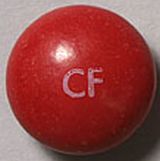
Coricidin
Generic name: acetaminophen and chlorpheniramine [ a-SEET-a-MIN-oh-fen-and-KLOR-fen-IR-a-meen ]
Drug class: Upper respiratory combinations
What is Coricidin?
Coricidin contains a combination of acetaminophen and chlorpheniramine. Acetaminophen is a pain reliever and a fever reducer. Chlorpheniramine is an antihistamine that reduces the natural chemical histamine in the body. Histamine can produce symptoms of sneezing, itching, watery eyes, and runny nose.
Coricidin is used to treat headache, runny nose, sneezing, watery eyes, and pain or fever caused by allergies, the common cold, or the flu.
Coricidin may also be used for other purposes not listed in this medication guide.
Warnings
Do not take more of Coricidin than is recommended. An overdose of acetaminophen can damage your liver or cause death.
Ask a doctor before taking medicine that contains acetaminophen if you have ever had liver disease, or if you drink more than 3 alcoholic beverages per day.
In rare cases, acetaminophen may cause a severe skin reaction. Stop taking Coricidin and call your doctor right away if you have skin redness or a rash that spreads and causes blistering and peeling.
Ask a doctor or pharmacist before using any other cold, allergy, pain, or sleep medication. Acetaminophen (sometimes abbreviated as APAP) is contained in many combination medicines. Taking certain products together can cause you to get too much acetaminophen which can lead to a fatal overdose. Check the label to see if a medicine contains acetaminophen or APAP.
Avoid drinking alcohol. It may increase your risk of liver damage while taking acetaminophen.
Before taking this medicine
Ask a doctor before taking medicine that contains acetaminophen if you have ever had liver disease, or if you drink more than 3 alcoholic beverages per day.
You should not use Coricidin if you are allergic to acetaminophen or chlorpheniramine, or if you have:
-
severe constipation, blockage in your stomach or intestines;
-
untreated or uncontrolled diseases--glaucoma, asthma, heart disease, overactive thyroid; or
-
if you are unable to urinate.
Ask a doctor or pharmacist before taking Coricidin if you have any medical condition, especially:
-
kidney disease;
-
cough with mucus, or cough caused by emphysema or chronic bronchitis;
-
an enlarged prostate, problems with urination;
-
a history of alcoholism; or
-
if you take potassium (Cytra, Epiklor, K-Lyte, K-Phos, Kaon, Klor-Con, Polycitra, Urocit-K).
It is not known whether Coricidin will harm an unborn baby. Do not use cold or allergy medicine without a doctor's advice if you are pregnant.
Acetaminophen and chlorpheniramine can pass into breast milk and may harm a nursing baby. Antihistamines may slow breast milk production. Do not use Coricidin without a doctor's advice if you are breast-feeding a baby.
Always ask a doctor before giving a cold or allergy medicine to a child. Death can occur from the misuse of cough and cold medicines in very young children.
Related/similar drugs
prednisone, fluticasone nasal, loratadine, cetirizine, diphenhydramine, promethazine, Benadryl
How should I take Coricidin?
Use Coricidin exactly as directed on the label, or as prescribed by your doctor. Do not take this medicine for longer than recommended. Coricidin is usually taken only for a short time until your symptoms clear up.
Do not take more Coricidin than is recommended. An overdose of acetaminophen can damage your liver or cause death.
Stop taking Coricidin and call your doctor if you still have a fever after 3 days, or you still have pain after 10 days (or 5 days if treating a child). Also call your doctor if your symptoms get worse, or if you have any redness or swelling.
If you need surgery or medical tests, tell the doctor ahead of time if you have taken Coricidin within the past few days.
Store Coricidin at room temperature away from moisture and heat.
What happens if I miss a dose?
Since Coricidin is used when needed, you may not be on a dosing schedule. If you are on a schedule, use the missed dose as soon as you remember. Skip the missed dose if it is almost time for your next scheduled dose. Do not use extra medicine to make up the missed dose.
What happens if I overdose?
Seek emergency medical attention or call the Poison Help line at 1-800-222-1222.
The first signs of an acetaminophen overdose include loss of appetite, nausea, vomiting, stomach pain, sweating, and confusion or weakness. Later symptoms may include pain in your upper stomach, dark urine, and yellowing of your skin or the whites of your eyes.
What should I avoid?
Ask a doctor or pharmacist before using any other cold, allergy, pain, or sleep medication. Acetaminophen (sometimes abbreviated as APAP) is contained in many combination medicines. Taking certain products together can cause you to get too much acetaminophen which can lead to a fatal overdose. Check the label to see if a medicine contains acetaminophen or APAP.
Avoid drinking alcohol. It may increase your risk of liver damage while taking acetaminophen.
This medication may impair your thinking or reactions. Be careful if you drive or do anything that requires you to be alert.
Coricidin side effects
Get emergency medical help if you have any of these signs of an allergic reaction to Coricidin: hives; difficult breathing; swelling of your face, lips, tongue, or throat.
In rare cases, acetaminophen may cause a severe skin reaction that can be fatal. This could occur even if you have taken acetaminophen in the past and had no reaction. Stop taking Coricidin and call your doctor right away if you have skin redness or a rash that spreads and causes blistering and peeling. If you have this type of reaction, you should never again take any medicine that contains acetaminophen.
Stop using the medicine and call your doctor at once if you have:
-
fast, pounding, or uneven heartbeats;
-
confusion, severe dizziness or drowsiness;
-
tremor, restless muscle movements;
-
little or no urinating;
-
flu symptoms, easy bruising, unusual bleeding, pale skin, feeling light-headed or short of breath; or
-
nausea, pain in your upper stomach pain, itching, loss of appetite, dark urine, clay-colored stools, jaundice (yellowing of the skin or eyes).
Common Coricidin side effects may include:
-
constipation;
-
dry eyes, blurred vision, dry mouth or nose;
-
mild dizziness or drowsiness, trouble concentrating;
-
feeling restless or excited (especially in children); or
-
mild skin rash.
This is not a complete list of side effects and others may occur. Call your doctor for medical advice about side effects. You may report side effects to FDA at 1-800-FDA-1088.
What other drugs will affect Coricidin?
Other drugs may interact with Coricidin, including prescription and over-the-counter medicines, vitamins, and herbal products. Tell each of your health care providers about all medicines you use now and any medicine you start or stop using.
More about Coricidin HBP Cold & Flu (acetaminophen / chlorpheniramine)
- Check interactions
- Compare alternatives
- Reviews (11)
- Drug images
- Side effects
- Dosage information
- During pregnancy
- Drug class: upper respiratory combinations
Patient resources
Related treatment guides
Further information
Remember, keep this and all other medicines out of the reach of children, never share your medicines with others, and use Coricidin only for the indication prescribed.
Always consult your healthcare provider to ensure the information displayed on this page applies to your personal circumstances.
Copyright 1996-2024 Cerner Multum, Inc. Version: 13.01