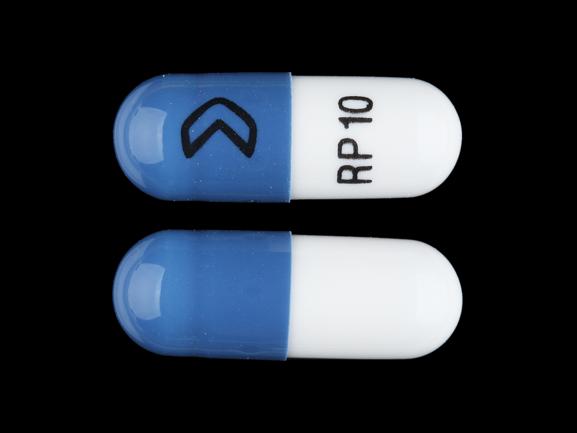
ramipril (Oral route)
RA-mi-pril
When used in pregnancy during the second and third trimesters, ACE inhibitors can cause injury and even death to the developing fetus. When pregnancy is detected, ramipril should be discontinued as soon as possible .
ACE inhibitors can cause injury or death to the developing fetus when used during the second and third trimesters. Stop therapy as soon as possible when pregnancy is detected .
Commonly used brand name(s):
In the U.S.
- Altace
Available Dosage Forms:
- Tablet
- Capsule
Therapeutic Class: Antihypertensive
Pharmacologic Class: ACE Inhibitor
| ||||||||||||
Uses For ramipril
Ramipril is used alone or together with other medicines to treat high blood pressure (hypertension). High blood pressure adds to the work load of the heart and arteries. If it continues for a long time, the heart and arteries may not function properly. This can damage the blood vessels of the brain, heart, and kidneys resulting in a stroke, heart failure, or kidney failure. Hypertension may also increase the risk of heart attacks. These problems may be less likely to occur if blood pressure is controlled.
Ramipril works by blocking an enzyme in the body that is necessary to produce a substance that causes blood vessels to tighten. As a result, the blood vessels relax. This lowers blood pressure and increases the supply of blood and oxygen to the heart.
Ramipril is also used in some patients after a heart attack. After a heart attack, some of the heart muscle is damaged and weakened. The heart muscle may continue to weaken as time goes by. This makes it more difficult for the heart to pump blood. Ramipril may be started within the first few days after a heart attack to increase survival rate.
In addition, ramipril is used to lessen the chance of heart attacks, strokes, or death in people who are 55 years of age or older and have serious heart disease.
ramipril is available only with your doctor's prescription.
Before Using ramipril
In deciding to use a medicine, the risks of taking the medicine must be weighed against the good it will do. This is a decision you and your doctor will make. For ramipril, the following should be considered:
Allergies
Tell your doctor if you have ever had any unusual or allergic reaction to ramipril or any other medicines. Also tell your health care professional if you have any other types of allergies, such as to foods, dyes, preservatives, or animals. For non-prescription products, read the label or package ingredients carefully.
Pediatric
Appropriate studies have not been performed on the relationship of age to the effects of ramipril in the pediatric population. Safety and efficacy have not been established.
Geriatric
Appropriate studies performed to date have not demonstrated geriatric-specific problems that would limit the usefulness of ramipril in the elderly. However, elderly patients are more likely to have age-related kidney problems, which may require an adjustment of dose in patients receiving ramipril.
Pregnancy
| Pregnancy Category | Explanation | |
|---|---|---|
| 1st Trimester | C | Animal studies have shown an adverse effect and there are no adequate studies in pregnant women OR no animal studies have been conducted and there are no adequate studies in pregnant women. |
| 2nd Trimester | D | Studies in pregnant women have demonstrated a risk to the fetus. However, the benefits of therapy in a life threatening situation or a serious disease, may outweigh the potential risk. |
| 3rd Trimester | D | Studies in pregnant women have demonstrated a risk to the fetus. However, the benefits of therapy in a life threatening situation or a serious disease, may outweigh the potential risk. |
Breast Feeding
There are no adequate studies in women for determining infant risk when using this medication during breastfeeding. Weigh the potential benefits against the potential risks before taking this medication while breastfeeding.
Interactions with Medicines
Using ramipril with any of the following medicines is usually not recommended, but may be required in some cases. If both medicines are prescribed together, your doctor may change the dose or how often you use one or both of the medicines.
- Amiloride
- Azathioprine
- Canrenoate
- Eplerenone
- Potassium
- Spironolactone
- Triamterene
Using ramipril with any of the following medicines may cause an increased risk of certain side effects, but using both drugs may be the best treatment for you. If both medicines are prescribed together, your doctor may change the dose or how often you use one or both of the medicines.
- Aceclofenac
- Acemetacin
- Alclofenac
- Aliskiren
- Apazone
- Azosemide
- Bemetizide
- Bendroflumethiazide
- Benoxaprofen
- Benzthiazide
- Bromfenac
- Bufexamac
- Bumetanide
- Bupivacaine
- Buthiazide
- Capsaicin
- Carprofen
- Celecoxib
- Chlorothiazide
- Chlorthalidone
- Clometacin
- Clonixin
- Clopamide
- Cyclopenthiazide
- Cyclothiazide
- Dexketoprofen
- Diclofenac
- Diflunisal
- Dipyrone
- Droxicam
- Ethacrynic Acid
- Etodolac
- Etofenamate
- Felbinac
- Fenbufen
- Fenoprofen
- Fentiazac
- Floctafenine
- Flufenamic Acid
- Flurbiprofen
- Furosemide
- Gold Sodium Thiomalate
- Hydrochlorothiazide
- Hydroflumethiazide
- Ibuprofen
- Indapamide
- Indomethacin
- Indoprofen
- Isoxicam
- Ketoprofen
- Ketorolac
- Lornoxicam
- Meclofenamate
- Mefenamic Acid
- Meloxicam
- Methyclothiazide
- Metolazone
- Nabumetone
- Naproxen
- Nesiritide
- Niflumic Acid
- Nimesulide
- Oxaprozin
- Oxyphenbutazone
- Phenylbutazone
- Pirazolac
- Piretanide
- Piroxicam
- Pirprofen
- Polythiazide
- Propyphenazone
- Proquazone
- Quinethazone
- Rofecoxib
- Sulindac
- Suprofen
- Tenidap
- Tenoxicam
- Tiaprofenic Acid
- Tolmetin
- Torsemide
- Trichlormethiazide
- Valdecoxib
- Xipamide
- Zomepirac
Interactions with Food/Tobacco/Alcohol
Certain medicines should not be used at or around the time of eating food or eating certain types of food since interactions may occur. Using alcohol or tobacco with certain medicines may also cause interactions to occur. Discuss with your healthcare professional the use of your medicine with food, alcohol, or tobacco.
Other Medical Problems
The presence of other medical problems may affect the use of ramipril. Make sure you tell your doctor if you have any other medical problems, especially:
- Angioedema, history of—Ramipril may increase the risk of this condition occurring again.
- Dehydration or
- Diarrhea or
- Heart failure or
- Hyponatremia (low sodium in the blood) or
- Kidney disease—These conditions may cause the blood pressure to fall too low with ramipril.
- Immune system disease (e.g., systemic lupus erythematosus, scleroderma)—Use with caution. May increase the risk for serious side effects.
- Liver disease—The effects of ramipril may be increased because of slower removal from the body.
Proper Use of ramipril
In addition to the use of ramipril, treatment for your high blood pressure may include weight control and changes in the types of foods you eat, especially foods high in sodium. Your doctor will tell you which of these are most important for you. You should check with your doctor before changing your diet.
Many patients who have high blood pressure will not notice any signs of the problem. In fact, many may feel normal. It is very important that you take your medicine exactly as directed and that you keep your appointments with your doctor even if you feel well.
Remember that ramipril will not cure your high blood pressure but it does help control it. Therefore, you must continue to take it as directed if you expect to lower your blood pressure and keep it down. You may have to take high blood pressure medicine for the rest of your life. If high blood pressure is not treated, it can cause serious problems such as heart failure, blood vessel disease, stroke, or kidney disease.
The capsule or tablet is usually swallowed whole. If you cannot swallow the capsule, you may open it and sprinkle the contents on a small amount (4 ounces) of applesauce or mix it in 4 ounces of water or apple juice. Eat all of the food or drink all of the liquid to make sure you get the correct amount of medicine.
Dosing
The dose of ramipril will be different for different patients. Follow your doctor's orders or the directions on the label. The following information includes only the average doses of ramipril. If your dose is different, do not change it unless your doctor tells you to do so.
The amount of medicine that you take depends on the strength of the medicine. Also, the number of doses you take each day, the time allowed between doses, and the length of time you take the medicine depend on the medical problem for which you are using the medicine.
- For oral dosage forms (capsules or tablets):
- For preventing heart attacks, strokes, or death:
- Adults—At first, 2.5 milligrams (mg) once a day for one week. For the next three weeks the dose is 5 mg per day as a single dose. Then, your doctor may increase your dose up to 10 mg per day taken as a single dose or divided into two doses.
- Children—Use and dose must be determined by your doctor.
- For high blood pressure:
- Adults—At first, 2.5 milligrams (mg) once a day. Then, your doctor may increase your dose up to 20 mg per day taken as a single dose or divided into two doses.
- Children—Use and dose must be determined by your doctor.
- For treatment after a heart attack:
- Adults—At first, 2.5 milligrams (mg) twice a day. Then, your doctor may increase your dose up to 5 mg twice a day.
- Children—Use and dose must be determined by your doctor.
- For preventing heart attacks, strokes, or death:
Missed Dose
If you miss a dose of ramipril, take it as soon as possible. However, if it is almost time for your next dose, skip the missed dose and go back to your regular dosing schedule. Do not double doses.
Storage
Store the medicine in a closed container at room temperature, away from heat, moisture, and direct light. Keep from freezing.
Ask your healthcare professional how you should dispose of any medicine you do not use.
Keep out of the reach of children.
Do not keep outdated medicine or medicine no longer needed.
Precautions While Using ramipril
It is very important that your doctor check your progress at regular visits to make sure ramipril is working properly and to check for unwanted effects. Blood tests may be needed to check for unwanted effects.
Using ramipril while you are pregnant can harm your unborn baby. If you think you have become pregnant while using ramipril, tell your doctor right away.
Stop using ramipril and call your doctor right away if you have swelling of the face, arms, legs, eyes, lips, or tongue, or problems with swallowing or breathing. These are symptoms of a condition called angioedema.
Stop using ramipril and call your doctor right away if you have severe stomach pain. This could be a symptom of a condition called intestinal angioedema.
You may experience lightheadedness during the first few days with ramipril. If this becomes severe and you faint, stop using ramipril and talk to your doctor right away.
Tell your doctor immediately if you have any signs of infection such as chills, sore throat, or fever. These may be symptoms of an immune system condition called neutropenia.
If your symptoms do not improve within a few days or if they become worse, check with your doctor.
Check with your doctor right away if you have symptoms of jaundice (yellow skin or eyes) because these may be signs of a serious liver condition.
ramipril may increase the amount of potassium in your blood. Do not use salt substitutes containing potassium without first checking with your doctor.
Make sure any doctor or dentist who treats you knows that you are using ramipril. You may need to stop using ramipril several days before having surgery or medical tests.
ramipril Side Effects
Along with its needed effects, a medicine may cause some unwanted effects. Although not all of these side effects may occur, if they do occur they may need medical attention.
Check with your doctor immediately if any of the following side effects occur:
More Common- Blurred vision
- confusion
- dizziness, faintness, or lightheadedness when getting up from a lying or sitting position suddenly
- sweating
- unusual tiredness or weakness
- Arm, back, or jaw pain
- chest pain or discomfort
- chest tightness or heaviness
- chills
- cloudy urine
- cold sweats
- decrease in urine output or decrease in urine-concentrating ability
- fainting
- fast or irregular heartbeat
- nausea
- shortness of breath
Some side effects may occur that usually do not need medical attention. These side effects may go away during treatment as your body adjusts to the medicine. Also, your health care professional may be able to tell you about ways to prevent or reduce some of these side effects. Check with your health care professional if any of the following side effects continue or are bothersome or if you have any questions about them:
More Common- Cough
- Diarrhea
- feeling of constant movement of self or surroundings
- sensation of spinning
- vomiting
Other side effects not listed may also occur in some patients. If you notice any other effects, check with your healthcare professional.
The information contained in the Thomson Healthcare (Micromedex) products as delivered by Drugs.com is intended as an educational aid only. It is not intended as medical advice for individual conditions or treatment. It is not a substitute for a medical exam, nor does it replace the need for services provided by medical professionals. Talk to your doctor, nurse or pharmacist before taking any prescription or over the counter drugs (including any herbal medicines or supplements) or following any treatment or regimen. Only your doctor, nurse, or pharmacist can provide you with advice on what is safe and effective for you.
The use of the Thomson Healthcare products is at your sole risk. These products are provided "AS IS" and "as available" for use, without warranties of any kind, either express or implied. Thomson Healthcare and Drugs.com make no representation or warranty as to the accuracy, reliability, timeliness, usefulness or completeness of any of the information contained in the products. Additionally, THOMSON HEALTHCARE MAKES NO REPRESENTATION OR WARRANTIES AS TO THE OPINIONS OR OTHER SERVICE OR DATA YOU MAY ACCESS, DOWNLOAD OR USE AS A RESULT OF USE OF THE THOMSON HEALTHCARE PRODUCTS. ALL IMPLIED WARRANTIES OF MERCHANTABILITY AND FITNESS FOR A PARTICULAR PURPOSE OR USE ARE HEREBY EXCLUDED. Thomson Healthcare does not assume any responsibility or risk for your use of the Thomson Healthcare products.
| Link to Page | Print Page | Email Page | Add to List |
More ramipril resources
Compare ramipril with other medications for the treatment of:
Diabetic Kidney Disease, Left Ventricular Dysfunction, High Blood Pressure, Heart Failure, Heart Attack