
Spasmodic Torticollis
Medically reviewed by Drugs.com. Last updated on Aug 4, 2025.
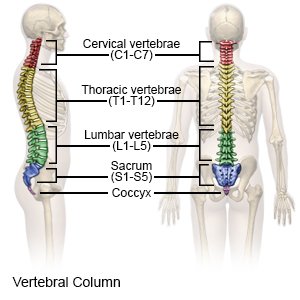
Spasmodic torticollis is a condition that causes your neck muscles to contract (shorten and tighten). Your neck twists suddenly and causes your head to tilt or turn without control. You may have trouble moving your neck. You may also have headaches, neck pain, or shoulder pain. Your neck muscles may have spasms, stiffness, or swelling. Symptoms often gets worse with stress, sudden movement, or muscle strain. Spasmodic torticollis is also called cervical dystonia.
 |
WHILE YOU ARE HERE:
Informed consent
is a legal document that explains the tests, treatments, or procedures that you may need. Informed consent means you understand what will be done and can make decisions about what you want. You give your permission when you sign the consent form. You can have someone sign this form for you if you are not able to sign it. You have the right to understand your medical care in words you know. Before you sign the consent form, understand the risks and benefits of what will be done. Make sure all your questions are answered.
Medicines:
- Muscle relaxers decrease pain and muscle spasms.
- Botulinum toxin injections may be given to relax your muscles.
- NSAIDs help decrease swelling and pain.
- Acetaminophen decreases pain and fever.
- Pain medicine may be given to decrease pain. Do not wait until the pain is severe before you ask for more medicine.
Tests:
- X-ray, CT scan, or MRI pictures may be used to look for problems in your bones, muscles, brain, and blood vessels. You may be given contrast liquid to help the pictures show up better. Tell your healthcare provider if you have ever had an allergic reaction to contrast liquid. The MRI machine uses a powerful magnet. Do not enter the MRI room with anything metal. Metal can cause serious injury from the magnet. Tell the healthcare provider if you have any metal in or on your body.
- Electromyography (EMG) is done to test your muscles and the nerves that control them. Electrodes (wires) are placed on the area of muscle being tested. Needles that enter your skin may be attached to the electrodes. The electrical activity of your muscles and nerves is measured by a machine attached to the electrodes. Your muscles are tested at rest and with activity.
Treatment:
- A cervical collar may be needed to support your neck.
- Surgery may be used to cut the nerves that supply the affected muscles, or to separate the muscles.
Treatment options
The following list of medications are related to or used in the treatment of this condition.
RISKS:
Without treatment, severe spasmodic torticollis may cause other health problems. Your muscles may shorten, stiffen, and lose their ability to move.
CARE AGREEMENT:
You have the right to help plan your care. Learn about your health condition and how it may be treated. Discuss treatment options with your healthcare providers to decide what care you want to receive. You always have the right to refuse treatment.© Copyright Merative 2025 Information is for End User's use only and may not be sold, redistributed or otherwise used for commercial purposes.
The above information is an educational aid only. It is not intended as medical advice for individual conditions or treatments. Talk to your doctor, nurse or pharmacist before following any medical regimen to see if it is safe and effective for you.
Learn more about Spasmodic Torticollis
Treatment options
Care guides
Further information
Always consult your healthcare provider to ensure the information displayed on this page applies to your personal circumstances.