
Social Anxiety Disorder
Medically reviewed by Drugs.com. Last updated on Sep 1, 2024.
What is social anxiety disorder?
Social anxiety disorder causes you to worry about or be nervous in social situations. Examples include meeting new people or going to a party or on a date. Social anxiety disorder can cause problems with work, school, or other daily activities.
What increases my risk for social anxiety disorder?
The following may increase your risk for social anxiety disorder:
- Trouble with social skills
- Family or work stress
- A family history of an anxiety disorder
- Being bullied or teased as a child
What are the signs and symptoms of social anxiety disorder?
You may have anxiety in any situation where you will have contact with people. It is hard for you to control your anxiety and feel calm in these situations. The anxiety may be present days or weeks before the situation occurs. You may have any of the following before or during contact with other people:
- Blushing, sweating, shaking, or trembling
- Muscle tenseness, nausea, or a pounding heart
- Shaky voice or dry mouth
- Worrying that others will reject you
- Worrying that you will offend others
- Staying away from social situations
- Trouble making friends or keeping friends
How is social anxiety disorder diagnosed?
Tell your healthcare provider when your symptoms began and what triggers them. Tell your provider if anxiety affects your daily activities. Your provider will also ask about your medical history and if you have family members with a similar condition. Tell your provider about your past and present alcohol, nicotine, or drug use. Any of these may worsen anxiety.
How is social anxiety disorder treated?
Treatment depends on how severe your symptoms are. The following are common treatments for social anxiety disorder:
- Cognitive behavioral therapy (CBT) can help you understand what triggers your symptoms how to change how you react.
- Anxiety medicine may help relieve or prevent anxiety. You may need to take the medicine for several weeks before you begin to feel better. Tell your healthcare provider about any side effects or problems you have with your medicine. The type or amount of medicine may need to be changed. Medicines are usually given together with therapy or other treatments.
Treatment options
The following list of medications are related to or used in the treatment of this condition.
What can I do to manage social anxiety disorder?
- Talk to someone about your anxiety. Choose someone you know will be supportive and encouraging.
- Do activities you enjoy. Spend time with friends, or do something fun. Choose activities you are familiar with or comfortable doing. This may help prevent anxiety.
- Use deep breathing when you feel anxious. Deep breathing can help you relax and feel more focused. Take slow, deep breaths. Breathe in through your nose and out through your mouth. Deep breathing combined with meditation or listening to music may help you feel calmer.
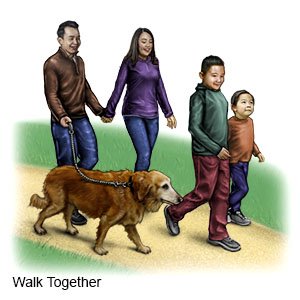
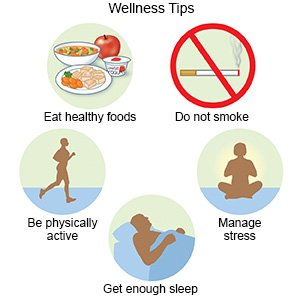
- Get regular physical activity. Physical activity can lower your stress, improve your mood, and help you sleep better. Work with your healthcare provider to develop a plan that you enjoy.
- Create a regular sleep schedule. A routine can help you relax before bed. Listen to music, read, or do yoga. Try to go to bed and wake up at the same times each day. Sleep is important for emotional health.
- Do not smoke. Nicotine and other chemicals in cigarettes and cigars can increase anxiety. Ask your provider for information if you currently smoke and need help to quit. E-cigarettes and smokeless tobacco still contain nicotine. Talk to your provider before you use these products.
- Do not have caffeine. Caffeine can make your symptoms worse. Do not have foods or drinks that are meant to increase your energy level.
- Do not drink alcohol or use drugs. Alcohol and drugs can worsen anxiety or make it hard to manage. Talk to your therapist or provider if you need help to quit.
 |
Call your local emergency number (911 in the US) if:
- You have chest pain, tightness, or heaviness that may spread to your shoulders, arms, jaw, neck, or back.
- You feel like hurting yourself or someone else.
When should I call my doctor or therapist?
- Your symptoms get worse or do not get better with treatment.
- You have new symptoms since your last visit.
- You have questions or concerns about your condition or care.
Care Agreement
You have the right to help plan your care. Learn about your health condition and how it may be treated. Discuss treatment options with your healthcare providers to decide what care you want to receive. You always have the right to refuse treatment. The above information is an educational aid only. It is not intended as medical advice for individual conditions or treatments. Talk to your doctor, nurse or pharmacist before following any medical regimen to see if it is safe and effective for you.© Copyright Merative 2024 Information is for End User's use only and may not be sold, redistributed or otherwise used for commercial purposes.
Learn more about Social Anxiety Disorder
Treatment options
Care guides
- Anxiety
- Anxiety in Adolescents
- Anxiety in Children
- Generalized Anxiety Disorder
- Relaxation and Meditation
- Social Phobia in Children
Medicine.com guides (external)
Further information
Always consult your healthcare provider to ensure the information displayed on this page applies to your personal circumstances.