
Sickle Cell Disease
Medically reviewed by Drugs.com. Last updated on Aug 4, 2025.
What is sickle cell disease (SCD)?
SCD causes your RBCs to be sickle (crescent) shaped. The sickle shape is caused by abnormal hemoglobin in the RBC. Hemoglobin carries oxygen to all tissues in your body. Sickle-shaped RBCs can get stuck inside blood vessels. This can stop or slow blood flow, and prevent oxygen from getting to tissues. When this happens, it is called a sickle cell crisis. SCD also causes RBCs break apart and die faster than healthy RBCs. This causes low red blood cell levels (anemia).
What causes SCD?
SCD is passed from parents to a child. A child is given 2 abnormal genes for hemoglobin, 1 from each parent.
What are the signs and symptoms of SCD?
The following symptoms may come and go, or may happen during a sickle cell crisis:
- Low energy
- Pain anywhere in your body
- Pale skin
- Headaches
- Shortness of breath
How is SCD diagnosed and managed?
A blood test will check the shape and number of your RBCs. You may need any of the following treatments:
- Medicines may be given to decrease pain or sickling of your RBCs. You may also need medicine to treat or prevent a bacterial infection.
- A blood transfusion increases the number of healthy RBCs in your blood.
- Surgery may be done to remove your spleen or gallbladder. Surgery may be needed if RBCs often get stuck in your spleen, or you have gallstones.
- A stem cell transplant , also called a bone marrow transplant, helps your body make new, healthy blood cells.
What can I do to manage pain and care for myself?
- Apply heat to areas of pain. Use a heating pad or take a warm bath. Do this for 20 to 30 minutes every 2 hours for as many days as directed.
- Gently massage areas where you feel pain. A professional massage may also help with pain.
- Balance rest and exercise. Rest during a sickle cell crisis. Over time, increase your activity. Exercise may help decrease pain. Take breaks during exercise and drink plenty of water. Ask your healthcare provider which activities are safe for you.
- Get acupuncture treatment. Acupuncture may help decrease pain and help you relax. Ask your healthcare provider for more information about acupuncture.
- Eat healthy foods. Healthy foods will improve your overall health and make it easier to manage SCD. Examples of healthy foods include fruits, vegetables, whole-grain breads, low-fat dairy products, beans, lean meats, and fish. Ask if you need to be on a special diet.
What can I do to prevent a sickle cell crisis?
A sickle cell crisis may be caused by illness, changes in temperature, stress, dehydration, or being at high altitudes. Do the following to help prevent a sickle cell crisis:
- Drink liquids as directed. Dehydration can increase your risk for a sickle cell crisis. Ask how much liquid to drink each day and which liquids are best for you.
- Avoid quick changes in temperature. Do not go quickly from a warm place to a cold place. Get in a pool slowly instead of jumping in. Avoid being too hot or too cold. Dress in light clothing in the summer and warm clothing in the winter.
- Ask about vaccinations. Vaccinations can help prevent a viral infection. Get a flu shot every year as directed. You may also need a pneumonia vaccine.
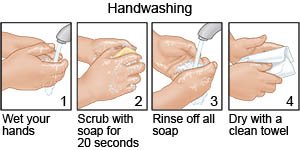
- Wash your hands frequently. Handwashing can help prevent illness. Wash your hands before you prepare or eat food, and after you use the bathroom.
- Do not smoke. Nicotine and other chemicals in cigarettes and cigars can cause lung damage and sickle cell crisis. Ask your healthcare provider for information if you currently smoke and need help to quit. E-cigarettes or smokeless tobacco still contain nicotine. Talk to your healthcare provider before you use these products.
- Limit or do not drink alcohol. Alcohol can cause dehydration and increase your risk for sickle cell crisis. If you drink alcohol, also drink plenty of water.
- Manage your stress. Your healthcare provider may recommend relaxation techniques and deep breathing exercises to help decrease your stress. Your healthcare provider may recommend you talk to someone about your stress or anxiety, such as a counselor or a trusted friend.
- Do not travel in an unpressurized plane or travel to high altitudes. These environments are low in oxygen and may cause a sickle cell crisis.
Related medications
Treatment options
The following list of medications are related to or used in the treatment of this condition.
What do I need to know about family planning and pregnancy?
- If you do not want to become pregnant, your healthcare provider may recommend birth control pills that contain only progestin. The pills will prevent pregnancy and make your periods lighter. Lighter periods may help treat low RBC levels.
- Talk to your healthcare provider before you get pregnant. SCD increases a woman's risk for problems, such as a miscarriage and having a baby that weighs less than normal. You will need close monitoring during pregnancy. You may need to take certain vitamins and have 1 or more blood transfusions during pregnancy.
- You will pass a gene for sickle cell disease to your child. Your partner should be tested for the sickle cell gene. This information can help predict your child's risk for sickle cell disease.
Call your local emergency number (911 in the US) or have someone else call if:
- You have any of the following signs of a stroke:
- Numbness or drooping on one side of your face
- Weakness in an arm or leg
- Confusion or difficulty speaking
- Dizziness, a severe headache, or vision loss
- You have any of the following signs of a heart attack:
- Squeezing, pressure, or pain in your chest
- You may also have any of the following:
- Discomfort or pain in your back, neck, jaw, stomach, or arm
- Shortness of breath
- Nausea or vomiting
- Lightheadedness or a sudden cold sweat
- You have a seizure.
- You lose vision in one or both eyes.
- You lose consciousness or cannot be woken.
When should I seek immediate care?
- You feel lightheaded, short of breath, and have chest pain.
- You cough up blood.
- You have a fever of 101.0°F (38.33°C) or higher.
- You have a severe headache.
- Your pain does not get better after you take pain medicine.
- Your arm or leg is painful, red, and larger than usual.
- You feel like you can no longer cope with your pain, or feel like harming yourself.
- You have abdominal pain, nausea, and vomiting.
- You are a man and have an erection that is painful and does not go away after 4 hours.
- You cannot think clearly, or you feel like you are going to faint.
- You have a cough or are wheezing.
When should I call my doctor?
- Your urine is dark, or you are urinating less than usual or not at all.
- You see blood in your urine.
- Your eyes or skin are yellow.
- You have a cold or the flu.
- You are more tired than usual during the day.
- You are constipated or have diarrhea.
- Your vision has changed in one or both eyes.
- You feel anxious or depressed.
- You have new or worse swelling in your joints.
- You have an open sore on your skin that will not heal.
- You are pregnant or think you are pregnant.
- You have questions or concerns about your condition or care.
Care Agreement
You have the right to help plan your care. Learn about your health condition and how it may be treated. Discuss treatment options with your healthcare providers to decide what care you want to receive. You always have the right to refuse treatment. The above information is an educational aid only. It is not intended as medical advice for individual conditions or treatments. Talk to your doctor, nurse or pharmacist before following any medical regimen to see if it is safe and effective for you.© Copyright Merative 2025 Information is for End User's use only and may not be sold, redistributed or otherwise used for commercial purposes.
Learn more about Sickle Cell Disease
Treatment options
Symptoms and treatments
Further information
Always consult your healthcare provider to ensure the information displayed on this page applies to your personal circumstances.