
Shoulder Bursitis
Medically reviewed by Drugs.com. Last updated on Sep 1, 2024.
What is shoulder bursitis?
Shoulder bursitis is inflammation of the bursa in your shoulder. The bursa is a fluid-filled sac that acts as a cushion between a bone and a tendon. A tendon is a cord of strong tissue that connects muscles to bones.
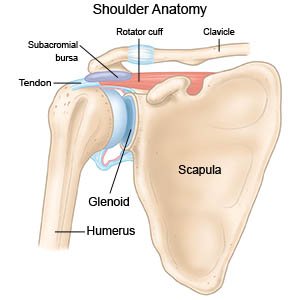 |
What increases the risk for shoulder bursitis?
- An injury, such as a fall
- Bacterial infection
- Overuse of the shoulder, such as when you paint, swim, or play tennis
- Bony growths that rub against and irritate the bursa and tendons
- Medical conditions, such as rheumatoid arthritis or gout
What are the signs and symptoms of shoulder bursitis?
- Pain when you move your shoulder or raise your arm over your head
- Trouble moving your arm and shoulder
- Redness or swelling
- Crunching or popping when you move your shoulder
- Shoulder and arm weakness
How is shoulder bursitis diagnosed?
Your healthcare provider will examine your shoulder and ask about your injury or activities. You may need any of the following:
- Blood tests may be done to check for infection. Healthcare providers may also check for other causes of your bursitis, such as rheumatoid arthritis.
- An x-ray, ultrasound, or MRI may show inflammation of your bursa, tissue damage, or arthritis. You may be given contrast liquid to help the tissues in your shoulder show up better in the pictures. Tell the healthcare provider if you have ever had an allergic reaction to contrast liquid. Do not enter the MRI room with anything metal. Metal can cause serious injury. Tell the healthcare provider if you have any metal in or on your body.
- A fluid culture may be done. Healthcare providers use a needle to drain fluid from your bursa. The fluid will be sent to a lab and tested for infection. Removal of bursa fluid may also help relieve your symptoms.
How is shoulder bursitis treated?
- Medicines may include any of the following:
- NSAIDs , such as ibuprofen, help decrease swelling, pain, and fever. NSAIDs can cause stomach bleeding or kidney problems in certain people. If you take blood thinner medicine, always ask your healthcare provider if NSAIDs are safe for you. Always read the medicine label and follow directions.
- Aspirin helps relieve pain and swelling. Take aspirin exactly as directed by your healthcare provider. Do not give aspirin to children younger than 18 years. Aspirin increases the risk for a life-threatening condition called Reye syndrome.
- Antibiotics help fight an infection caused by bacteria.
- Steroids help relieve pain and swelling. Steroid injections are given directly into the painful area. Steroid pills may be given for a short time to relieve acute pain.
- A bursectomy is surgery to remove your bursa. It may done if other treatments do not work.
Treatment options
The following list of medications are related to or used in the treatment of this condition.
How can I manage shoulder bursitis?
- Rest your shoulder as much as possible to decrease pain and swelling. Slowly start to do more each day. Return to your daily activities as directed.
- Apply ice to help decrease swelling and pain. Use an ice pack, or put crushed ice in a plastic bag. Cover the bag with a towel before you place it on your shoulder. Apply ice for 15 to 20 minutes, 3 to 4 times each day, as directed.
- Find a comfortable sleep position. Sleep on the side that is not injured. You may be more comfortable if you sleep on your stomach or back.
- Go to physical therapy, if directed. A physical therapist teaches you exercises to help improve movement and strength, and to decrease pain.
How can I prevent shoulder bursitis?
- Do not overuse your shoulders. Shorten the time you spend swimming, playing tennis, or doing other overhead arm movements. Take breaks as you do these activities. Try not to do the same activities each day. For example, swim every other day or every 3 days instead of daily.
- Always warm up and stretch before you exercise. This will help loosen your muscles and decrease stress on your shoulder. Cool down after you exercise.
- Prevent injury to your shoulders. Wear shoulder pads or protectors when you play sports.
- Try to keep pressure off your shoulders. If you need to sleep on your side, do not lie on same side each night.
- Manage health conditions that can lead to shoulder bursitis. Your healthcare provider may recommend you to a specialist, such as an arthritis specialist.
When should I call my doctor?
- You have increased redness, pain, and swelling.
- Your symptoms do not improve with treatment.
- You have a fever.
- You have questions or concerns about your condition or care.
Care Agreement
You have the right to help plan your care. Learn about your health condition and how it may be treated. Discuss treatment options with your healthcare providers to decide what care you want to receive. You always have the right to refuse treatment. The above information is an educational aid only. It is not intended as medical advice for individual conditions or treatments. Talk to your doctor, nurse or pharmacist before following any medical regimen to see if it is safe and effective for you.© Copyright Merative 2024 Information is for End User's use only and may not be sold, redistributed or otherwise used for commercial purposes.
Learn more about Shoulder Bursitis
Treatment options
Care guides
Symptoms and treatments
Further information
Always consult your healthcare provider to ensure the information displayed on this page applies to your personal circumstances.