
Separation Anxiety Disorder
Medically reviewed by Drugs.com. Last updated on Sep 1, 2024.
What is separation anxiety disorder?
Separation anxiety disorder is a condition in children that causes strong fear or worry about being away from something familiar. Examples include a parent or home. Separation anxiety is common for children until about 3 years of age. Separation anxiety becomes a disorder when these feelings continue longer and prevent your child from doing daily activities.
What are the signs and symptoms of separation anxiety disorder?
Your child may show any of the following signs or symptoms:
- Worry or nightmares about losing a parent or other loved one in an accident or to illness
- Not wanting to leave home, refusing to go to school or events, or not spending time with friends
- Fear of being alone, or refusing to sleep alone
- Clinging to a familiar person or following that person around
- Crying, yelling, or hitting someone when separation may happen
- Physical problems such as nausea or vomiting, headaches, or dizziness, when separation happens or is expected
What increases my child's risk for separation anxiety disorder?
The cause of separation anxiety disorder may not be known. It may appear after a major stress in your child's life. Examples include the loss or illness of a loved one, divorce of parents, or moving to a new place. The following also increase your child's risk:
- A close family member with an anxiety, panic, or depressive disorder
- Being born to a mother with substance use disorder (tobacco, drugs, or alcohol) during pregnancy
- Low birth weight
- Being in foster care
- Parents or caregivers who are overly careful or overly concerned
How is separation anxiety disorder diagnosed?
Your child's healthcare provider will ask about your child's behavior and fears. The provider may also ask how long your child has had the behaviors. Your child's provider may also ask how your child is doing in school and with other activities. Tell the provider if any other family members have or had an anxiety disorder.
How is separation anxiety disorder treated?
Early treatment can help prevent separation anxiety disorder from getting worse. It can also help prevent other problems, such as depression. Your child may need any of the following:
- Medicines may be used to help your child feel less nervous, anxious, or depressed. Medicines are usually used together with therapy or other treatments.
- Cognitive behavior therapy can help your child understand his or her anxiety and control negative thoughts. A therapist may also teach your child ways to relax, such as deep breathing and muscle relaxation. You, other family members, caregivers, or your child's teachers may also attend.
Treatment options
The following list of medications are related to or used in the treatment of this condition.
What can I do to help my child?
- Use babysitters who are familiar to your child. Use the same babysitter as much as possible. If you have to use a new babysitter, invite him or her to spend time with your child while you are there.
- Create a routine with your child. Tell your child that you will be back. Your child may feel better if you tell him or her when you will return. Stay calm and try not to show that you are sad or anxious. Leave quickly after you say goodbye. Children become more upset when they are sleepy or hungry. If possible, leave after your child has eaten or taken a nap.
- Tell caregivers or teachers to distract your child when you leave him or her. Visit the daycare or school a few times with your child before you leave him or her there. Tell caregivers or teachers to start a new activity. They can also give your child his or her favorite toy to play with.
- Help your child practice deep breathing. Deep breathing can help your child relax when he or she is anxious. Your child should learn to take slow, deep breaths several times a day, or before you have to leave him or her. Tell your child to breathe in through the nose and out through the mouth.
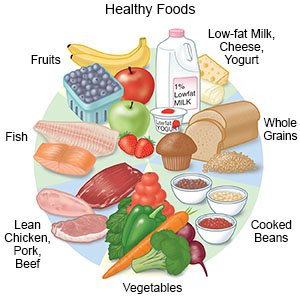
- Offer your child a variety of healthy foods. Healthy foods include fruits, vegetables, low-fat dairy products, lean meats, fish, whole-grain breads, and cooked beans. Healthy foods can help your child feel less anxious and have more energy.
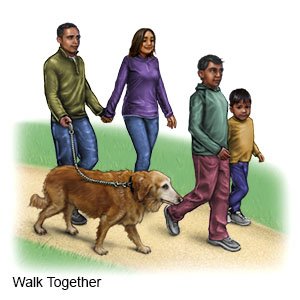
- Encourage your child to exercise regularly. Exercise can increase your child's energy level. Exercise may also lift your child's mood and help him or her sleep better. Your child's healthcare provider can help you create an exercise plan for your child.
Call your local emergency number (911 in the US) for any of the following:
- Your child has chest pain, tightness, or heaviness that may spread to his or her shoulders, arms, jaw, neck, or back.
- Your child says he or she feels like hurting himself or herself, or someone else.
When should I call my child's doctor?
- Your child's symptoms get worse or do not get better with treatment.
- Your child has new or worsening symptoms.
- You have questions or concerns about your child's condition or care.
Care Agreement
You have the right to help plan your child's care. Learn about your child's health condition and how it may be treated. Discuss treatment options with your child's healthcare providers to decide what care you want for your child. The above information is an educational aid only. It is not intended as medical advice for individual conditions or treatments. Talk to your doctor, nurse or pharmacist before following any medical regimen to see if it is safe and effective for you.© Copyright Merative 2024 Information is for End User's use only and may not be sold, redistributed or otherwise used for commercial purposes.
Learn more about Separation Anxiety Disorder
Treatment options
Care guides
Further information
Always consult your healthcare provider to ensure the information displayed on this page applies to your personal circumstances.