
Myotonic Dystrophy
Medically reviewed by Drugs.com. Last updated on Jun 30, 2025.
Myotonic dystrophy is an inherited disease that leads to muscle weakness and loss. Myotonic dystrophy causes your muscles to become stiff when you use them. It also causes your muscles to have difficulty relaxing. Myotonic dystrophy affects other parts of your body, such as your heart, eyes, brain, and stomach. Myotonic dystrophy usually begins in adult life.
DISCHARGE INSTRUCTIONS:
Call your local emergency number (911 in the US) or have someone call if:
- You have trouble breathing.
Call your doctor if:
- You have a fever.
- You have difficulty having a bowel movement.
- You have more weakness than usual.
- You have trouble swallowing.
- You are depressed or feel you cannot cope with your myotonic dystrophy.
- You have questions or concerns about your condition or care.
Medicines:
- Medicines are given to decrease pain or relax your muscles. Your healthcare provider may also recommend medicine to help other medical conditions that may result from myotonic dystrophy.
- Take your medicine as directed. Contact your healthcare provider if you think your medicine is not helping or if you have side effects. Tell your provider if you are allergic to any medicine. Keep a list of the medicines, vitamins, and herbs you take. Include the amounts, and when and why you take them. Bring the list or the pill bottles to follow-up visits. Carry your medicine list with you in case of an emergency.
Related medications
Azathioprine
Azathioprine is used for atopic dermatitis, autoimmune hepatitis, behcet's disease, bullous ...
Treatment options
The following list of medications are related to or used in the treatment of this condition.
Breathing exercises:
These are exercises you can do at home to help you breathe more easily. Breathe out with pursed or puckered lips. Use your diaphragm to breathe. Put one hand on your abdomen and breathe in, causing your hand to move outward or upward. This helps make more room so your lungs can take in more air.
Physical and occupational therapy:
Healthcare providers will help you learn how to take care of yourself. A physical therapist will teach you exercises to help improve movement and strength and decrease pain. An occupational therapist will teach you skills to help with your daily activities.
Walking and home safety:
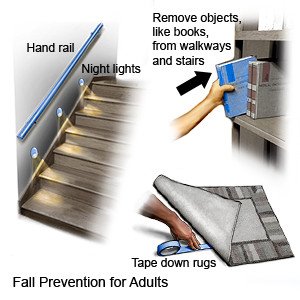
Use a 4-pronged cane or walker to help you keep your balance when you walk. Remove loose carpeting from the floor to reduce your risk for a fall. Use chairs with side arms and hard cushions to make it easier to get up or out of a chair. Put grab bars on the walls beside toilets and inside showers and bathtubs. These will help you get up and help prevent falls. You may want to put a shower chair inside the shower.
 |
Ask about vaccines:
The flu vaccine and pneumonia vaccine may help reduce your risk for lung infections. Ask your healthcare provider when to get these shots.
Follow up with your healthcare provider as directed:
You may need to return for more tests. You may be referred to a pain specialist. You may also be referred to a genetic counselor to help you learn about more about myotonic dystrophy. Write down your questions so you remember to ask them during your visits.
© Copyright Merative 2025 Information is for End User's use only and may not be sold, redistributed or otherwise used for commercial purposes.
The above information is an educational aid only. It is not intended as medical advice for individual conditions or treatments. Talk to your doctor, nurse or pharmacist before following any medical regimen to see if it is safe and effective for you.
Learn more about Myotonic Dystrophy
Treatment options
Care guides
Symptoms and treatments
Medicine.com guides (external)
Further information
Always consult your healthcare provider to ensure the information displayed on this page applies to your personal circumstances.