
Third-Degree Burn
Medically reviewed by Drugs.com. Last updated on Aug 4, 2025.
What is a third-degree burn?
A third-degree burn is also called a full thickness burn. A third-degree burn occurs when all 3 layers of your skin are burned. Your skin may be white, black, brown, or leathery. This type of burn injury is often painless because the nerves have been damaged. Bones and muscles may also be damaged. A third-degree burn is the most serious type of burn.
What causes a third-degree burn?
- Direct exposure to heat for a long time, such as contact with a hot object, flame, or tar
- Harsh chemicals, such as cleaning products, car battery acid, gasoline, or cement
- A damaged electrical cord or outlet
- Lightning
- Hot water or steam
How is a third-degree burn diagnosed?
Your healthcare provider will ask about your burn. Tell him or her about your symptoms. He or she will examine your burn to determine how severe it is. Laser scanners may be used to check the blood flow in your skin.
How is a third-degree burn treated?
- Medicines may be used to decrease pain, prevent infection, or help your burn heal. They may be given as a pill or as an ointment applied to your skin.
- Surgery may remove damaged tissue, replace or cover lost skin, or relieve pressure and improve blood flow. Surgery can help prevent infection, decrease inflammation, and improve healing. Surgery can also improve the appearance of your skin and reduce scarring.
Treatment options
The following list of medications are related to or used in the treatment of this condition.
How do I care for my third-degree burn?
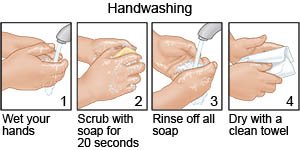
- Wash your hands with soap and water. Dry your hands with a clean towel or a paper towel.
- Remove old bandages. You may need to soak the bandage in water before you remove it so it will not stick to your wound.
- Gently clean the burned area daily with mild soap and water. Pat the area dry. Look for any swelling or redness around the burn. Do not break closed blisters, because this increases the risk for infection.
- Apply cream or ointment to the burn with a cotton swab. Place a nonstick bandage over your burn. The bandage will help protect the skin from infection.
- Wrap a layer of gauze around the bandage to hold it in place. The wrap should be snug but not tight. It is too tight if you feel tingling or lose feeling in that area.
- Apply gentle pressure for a few minutes if bleeding occurs.
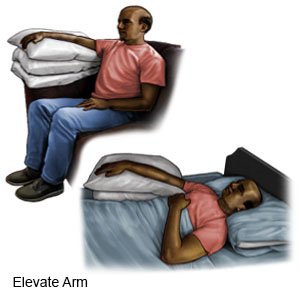
- Elevate your burned arm or leg above the level of your heart as often as you can. This will help decrease swelling and pain. Prop your burned arm or leg on pillows or blankets to keep it elevated comfortably.
Why may I need physical therapy?
Your muscles and joints may not work well after a third-degree burn. A physical therapist teaches you exercises to help improve movement and strength, and to decrease pain.
How can I prevent a third-degree burn?
- Do not leave cups, mugs, or bowls containing hot liquids at the edge of a table. Keep pot handles turned away from the stove front.
- Do not leave a lit cigarette. Make sure it is no longer lit. Then dispose of it safely.
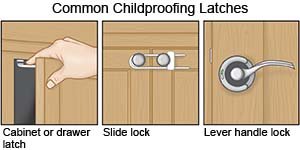
- Store dangerous items out of the reach of children. Store cigarette lighters, matches, and chemicals where children cannot reach them. Use child safety latches on the door of the safe storage area.
- Keep your water heater setting to low or medium (90°F to 120°F, or 32°C to 48°C).
- Wear sunscreen that has a sun protectant factor (SPF) of 15 or higher. The sunscreen should also have ultraviolet A (UVA) and ultraviolet B (UVB) protection. Follow the directions on the label when you use sunscreen. Put on more sunscreen if you are in the sun for more than an hour. Reapply sunscreen often if you go swimming or are sweating.
Related medications
When should I seek immediate care?
- You have a fast heartbeat or breathing.
- You are not urinating.
When should I call my doctor?
- You have a fever.
- You have increased redness, numbness, or swelling in the burn area.
- Your wound or bandage is leaking pus and has a bad smell.
- Your pain does not get better, or gets worse, even after you take pain medicine.
- You have a dry mouth or eyes.
- You are overly thirsty or tired.
- You have dark yellow urine or urinate less than usual.
- You have a headache or feel dizzy.
- You have questions or concerns about your condition or care.
Care Agreement
You have the right to help plan your care. Learn about your health condition and how it may be treated. Discuss treatment options with your healthcare providers to decide what care you want to receive. You always have the right to refuse treatment. The above information is an educational aid only. It is not intended as medical advice for individual conditions or treatments. Talk to your doctor, nurse or pharmacist before following any medical regimen to see if it is safe and effective for you.© Copyright Merative 2025 Information is for End User's use only and may not be sold, redistributed or otherwise used for commercial purposes.
Learn more about Third-Degree Burn
Treatment options
Care guides
Further information
Always consult your healthcare provider to ensure the information displayed on this page applies to your personal circumstances.