
Facial Fracture
Medically reviewed by Drugs.com. Last updated on May 6, 2024.
A facial fracture is a break in one or more of the bones in your face. A facial fracture may also damage nearby tissue.
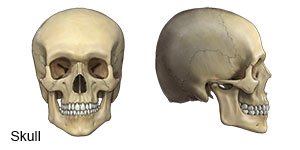 |
DISCHARGE INSTRUCTIONS:
Call your local emergency number (911 in the US) if:
- You suddenly feel lightheaded and short of breath.
- You have chest pain when you take a deep breath or cough.
- You cough up blood.
Return to the emergency department if:
- You suddenly have trouble chewing or swallowing.
- You have clear or pinkish fluid draining from your nose or mouth.
- You have numbness in your face.
- You have worsening pain in your eye or face.
- You have double vision or sudden trouble seeing.
- Your arm or leg feels warm, tender, and painful. It may look swollen and red.
Call your doctor if:
- You are bleeding from a wound on your face.
- You have questions or concerns about your condition or care.
Medicines:
You may need any of the following:
- Decongestants help decrease swelling in your nose and sinuses. This medicine may also help you breathe easier.
- Prescription pain medicine may be given. Ask your healthcare provider how to take this medicine safely. Some prescription pain medicines contain acetaminophen. Do not take other medicines that contain acetaminophen without talking to your healthcare provider. Too much acetaminophen may cause liver damage. Prescription pain medicine may cause constipation. Ask your healthcare provider how to prevent or treat constipation.
- Steroids help decrease swelling in your face.
- Antibiotics help treat an infection caused by bacteria. This medicine may be given if you have an open wound.
- Take your medicine as directed. Contact your healthcare provider if you think your medicine is not helping or if you have side effects. Tell your provider if you are allergic to any medicine. Keep a list of the medicines, vitamins, and herbs you take. Include the amounts, and when and why you take them. Bring the list or the pill bottles to follow-up visits. Carry your medicine list with you in case of an emergency.
Treatment options
The following list of medications are related to or used in the treatment of this condition.
Nutrition:
You may not be able to eat solid food for a period of time. You may first be started on a liquid diet, starting with water, broth, gelatin, apple juice, or lemon-lime soda pop. After a few days, you may be allowed to eat soft foods, such as applesauce, bananas, cooked cereal, cottage cheese, pudding, and yogurt. Ask for more information about the type of foods you can eat.
Rehabilitation:
If you had surgery to fix your facial fracture, you may need oral and facial rehabilitation. This is done to restore normal use and movement of your facial muscles. Ask for more information about rehabilitation.
Self-care:
- Apply ice as directed. Ice helps decrease swelling and pain. Ice may also help prevent tissue damage. Use an ice pack, or put crushed ice in a plastic bag. Cover the bag with a towel before you place it on your skin. Apply ice for 15 to 20 minutes every hour or as directed.
- Keep your head elevated. Keep your head above the level of your heart as often as you can. This will help decrease swelling and pain. Prop your upper body on pillows or blankets to keep your head elevated comfortably.
- Do not put pressure on your face:
- Do not sleep on the injured side of your face. Pressure may cause more damage.
- Sneeze with your mouth open to decrease pressure on your broken facial bones. Too much pressure from a sneeze may cause your broken bones to move and cause more damage.
- Try not to blow your nose. It may cause more damage if you have a fracture near your eye. The pressure from blowing your nose may pinch the nerve of your eye and cause permanent damage.
- Clean your mouth carefully. It may be hard to clean your teeth if have an injury or fracture near your mouth. Your healthcare provider will show you the best way to do this so you do not hurt yourself. A waterpik or a child-sized soft toothbrush may work well to clean your mouth.
Follow up with your doctor as directed:
Write down your questions so you remember to ask them during your visits.
© Copyright Merative 2024 Information is for End User's use only and may not be sold, redistributed or otherwise used for commercial purposes.
The above information is an educational aid only. It is not intended as medical advice for individual conditions or treatments. Talk to your doctor, nurse or pharmacist before following any medical regimen to see if it is safe and effective for you.
Learn more about Facial Fracture
Treatment options
- Medications for Head Injury
- Medications for Head Injury w/ Intracranial Hemorrhage and Loss of Consciousness
- Medications for Head Injury with Intracranial Hemorrhage
- Medications for Head Injury with Loss of Consciousness
Care guides
- Facial Fracture
- Facial Fracture in Children
- Jaw Fracture in Adults
- Jaw Fracture in Children
- Skull Fracture
- Skull Fracture in Children
Symptoms and treatments
Further information
Always consult your healthcare provider to ensure the information displayed on this page applies to your personal circumstances.
