
C. Diff (Clostridioides Difficile) Infection
Medically reviewed by Drugs.com. Last updated on Aug 4, 2025.
What do I need to know about a C. diff infection (CDI)?
Clostridioides difficile, Clostridium difficile, or C. diff, is a bacterium that causes diarrhea, irritation, and swelling of the colon.
How does C. diff spread?
The bowel movement of a person with a CDI contains C. diff. Infected people who do not wash their hands properly after having a bowel movement can spread C. diff. The bacteria can live a long time on surfaces you touch, such as the tops of tables or door handles.
What increases my risk for a CDI?
- Antibiotic use
- A hospital stay
- Older age
- A weak immune system
- A new infection from inactive C. diff bacteria left in your body from a past infection
What are the signs and symptoms of a CDI?
- Diarrhea several times each day
- Foul-smelling diarrhea
- Blood, mucus, or pus in your bowel movements
- Dehydration from diarrhea
- Nausea or vomiting
- Cramps in your abdomen
- A fever
Related medications
How is a CDI diagnosed and treated?
A bowel movement sample may be sent to a lab to be tested for C. diff. The goal of treatment is to restore the healthy balance of bacteria to your colon. This should help stop your diarrhea.
- Antibiotics help treat or prevent an infection caused by bacteria. If antibiotics caused your CDI, you may need to stop taking them and switch to a different antibiotic.
- Immune globulin medicine may help treat severe or frequent CDI. You may need it to help your immune system fight infection.
- Surgery may be needed if your CDI is severe or damaged your colon. During surgery, part of your colon is removed.
How can I manage or prevent a CDI?
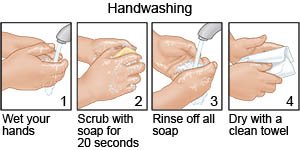
- Wash your hands often. Wash your hands several times each day. Wash after you use the bathroom, change a child's diaper, and before you prepare or eat food. Use soap and water every time. Rub your soapy hands together, lacing your fingers. Wash the front and back of your hands, and in between your fingers. Use the fingers of one hand to scrub under the fingernails of the other hand. Wash for at least 20 seconds. Rinse with warm, running water for several seconds. Then dry your hands with a clean towel or paper towel. Use hand sanitizer that contains alcohol if soap and water are not available. Do not touch your eyes, nose, or mouth without washing your hands first.
- Clean surfaces often. Clean doorknobs, countertops, cell phones, and other surfaces that are touched often. Use a disinfecting wipe, a single-use sponge, or a cloth you can wash and reuse. Use disinfecting cleaners if you do not have wipes. You can create a disinfecting cleaner by mixing 1 part bleach with 10 parts water.
- Prevent the spread of C. diff. Do not share any items with other people. Use as many disposable items as you can, such as paper plates. Do this until your diarrhea has stopped.
- Ask about probiotics. Probiotics are also called good bacteria. They can help protect you from harmful bacteria. If you develop more than one CDI, probiotics may help prevent more infections. Ask your healthcare provider if probiotics are right for you. You may be able to eat yogurt or other foods high in probiotics. Your provider may instead recommend a pill or liquid form.
- Drink more liquids to prevent dehydration. You may also drink an oral rehydration solution (ORS). An ORS has the right amounts of water, salts, and sugar needed to replace body fluids. Ask your healthcare provider where to buy ORS and how much to drink.
What do I need to know about correct antibiotic use?
- Take your antibiotic as directed. Do not skip a dose of your antibiotic. Do not stop taking your antibiotic, even if you feel better. Finish the entire dose of your antibiotic unless your healthcare provider tells you to stop.
- Get rid of any antibiotics you did not use. Ask your healthcare provider or pharmacist how to get rid of antibiotics. Do not share your antibiotic with another person. Do not take an antibiotic from another illness without talking to your healthcare provider.
- Prevent infections caused by bacteria. This will help prevent your need for an antibiotic. Ask about vaccines that you need. Wash your hands frequently to prevent the spread of infection.
- Ask your healthcare provider how to manage your symptoms without antibiotics. Your healthcare provider can recommend other treatments based on your illness. An example includes over-the-counter medicines such as acetaminophen or NSAIDs.
Call your local emergency number (911 in the US) if:
- You have a fever and stomach cramps that get worse, or do not go away.
- Your abdomen is hard or feels swollen.
- You have black or bright red bowel movements.
- You vomit blood.
- You are short of breath, or feel like you are going to faint.
- You have any of the following signs of dehydration:
- Dizziness or weakness, or extreme sleepiness
- Dry mouth, cracked lips, or you feel very thirsty
- Fast heartbeat or rapid breathing
- Very little urine or no urine
- Sunken eyes
When should I call my doctor?
- You have a fever.
- Your diarrhea is getting worse.
- Your signs and symptoms do not go away, or they come back, even after treatment.
- You cannot eat or drink.
- You have questions or concerns about your condition or care.
Care Agreement
You have the right to help plan your care. Learn about your health condition and how it may be treated. Discuss treatment options with your healthcare providers to decide what care you want to receive. You always have the right to refuse treatment. The above information is an educational aid only. It is not intended as medical advice for individual conditions or treatments. Talk to your doctor, nurse or pharmacist before following any medical regimen to see if it is safe and effective for you.© Copyright Merative 2025 Information is for End User's use only and may not be sold, redistributed or otherwise used for commercial purposes.
Learn more about C. Diff Infection
- Can You Drink Alcohol with Antibiotics?
- Common Side Effects from Antibiotics, and Allergies and Reactions
Treatment options
Care guides
Further information
Always consult your healthcare provider to ensure the information displayed on this page applies to your personal circumstances.