
Gallstones
Medically reviewed by Drugs.com. Last updated on Aug 4, 2025.
What are gallstones?
Gallstones are hard substances that form in your gallbladder or bile duct. Your gallbladder and bile duct are located on the right side of your abdomen, near your liver. Your gallbladder stores bile. Bile helps break down the fat that you eat. Your gallbladder also helps remove certain chemicals from your body.
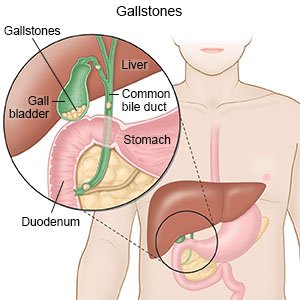 |
What causes gallstones?
Gallstones develop when your gallbladder does not empty correctly. Stones can form from different bile materials. The following may increase your risk:
- Obesity or not enough physical activity
- Pregnancy
- A family history of gallstones
- A health condition such as diabetes, cirrhosis, or nonalcoholic fatty liver disease
- Rapid weight loss
- Surgery on your intestines
- Certain medicines, such as estrogen, antibiotics, and cholesterol-lowering medicines
What are the signs and symptoms of gallstones?
The most common symptom is severe, constant pain in the right upper abdomen. It is usually just below the ribcage. The pain may also be felt in the right shoulder and between the shoulder blades. You may also have any of the following:
- Nausea and vomiting
- Feeling bloated
- Clay-colored bowel movements
- Dark urine
How are gallstones diagnosed?
Ultrasound pictures may be used to check for gallstones. If these tests do not show clear signs of gallstones, you may need a test that uses contrast liquid. Examples include a gallbladder scan, endoscopic retrograde cholangiopancreatography (ERCP), and an oral cholecystography. For any of these tests, tell your healthcare provider if you have ever had an allergic reaction to contrast liquid. If you are a woman, tell your healthcare provider if there is a chance you may be pregnant.
How are gallstones treated?
You may not need treatment if you do not have signs or symptoms. Your healthcare provider may want to monitor the gallstones over time. You may need any of the following:
- Antinausea medicine may be given to calm your stomach and to help prevent vomiting.
- Prescription pain medicine may be given. Ask your healthcare provider how to take this medicine safely. Some prescription pain medicines contain acetaminophen. Do not take other medicines that contain acetaminophen without talking to your healthcare provider. Too much acetaminophen may cause liver damage. Prescription pain medicine may cause constipation. Ask your healthcare provider how to prevent or treat constipation.
- Surgery may be needed to remove your gallbladder. This may be done after symptoms become severe or you develop health problems from the gallstones. Your healthcare provider may recommend gallbladder removal before you develop symptoms. This may be done if you are at high risk for gallstones or health problems they can cause.
What can I do to manage or prevent gallstones?
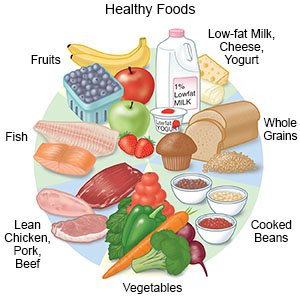
- Eat a variety of healthy foods. This may help you have more energy and heal faster. Healthy foods include fruits, vegetables, whole-grain breads, low-fat dairy products, beans, lean meat, and fish. Ask if you need to be on a special diet. Try to eat regular meals during the day. This will help your gallbladder empty.
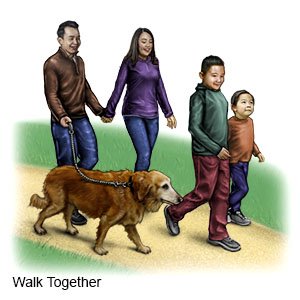
- Exercise as directed. Talk to your healthcare provider about the best exercise plan for you. Exercise can help you lose weight and improve your health.
- Manage your weight. If you are overweight, it is important to reach a healthy weight. You will need to lose weight slowly because rapid weight loss can increase your risk for gallstones. Talk to your healthcare provider about your weight. He or she can help you create a safe weight loss plan if you need to lose weight.
When should I seek immediate care?
- You have a fever and chills.
- Your eyes or skin turn yellow.
- You have severe pain in your upper abdomen, just below the right ribcage.
When should I call my doctor?
- You have nausea and are vomiting.
- Your urine is dark.
- You have clay-colored bowel movements.
- You have questions or concerns about your condition or care.
Care Agreement
You have the right to help plan your care. Learn about your health condition and how it may be treated. Discuss treatment options with your healthcare providers to decide what care you want to receive. You always have the right to refuse treatment. The above information is an educational aid only. It is not intended as medical advice for individual conditions or treatments. Talk to your doctor, nurse or pharmacist before following any medical regimen to see if it is safe and effective for you.© Copyright Merative 2025 Information is for End User's use only and may not be sold, redistributed or otherwise used for commercial purposes.
Learn more about Gallstones
Treatment options
- Medications for Cholelithiasis w/ Acute Cholecystitis and Obstruction
- Medications for Cholelithiasis with Acute Cholecystitis
- Medications for Cholelithiasis with Obstruction
- Medications for Gallstones
Care guides
Symptoms and treatments
Medicine.com guides (external)
Further information
Always consult your healthcare provider to ensure the information displayed on this page applies to your personal circumstances.