
Gallstones
Medically reviewed by Drugs.com. Last updated on May 6, 2024.
Gallstones are hard substances that form in your gallbladder or bile duct. Your gallbladder and bile duct are located on the right side of your abdomen, near your liver. Your gallbladder stores bile. Bile helps break down the fat that you eat. Your gallbladder also helps remove certain chemicals from your body.
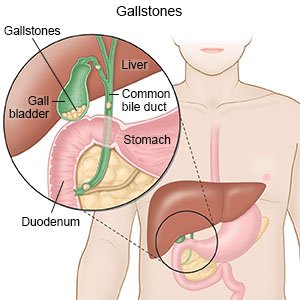 |
DISCHARGE INSTRUCTIONS:
Return to the emergency department if:
- You have a fever and chills.
- Your skin or eyes turn yellow.
- You have severe pain in your upper abdomen, just below the right ribcage.
Call your doctor or gastroenterologist if:
- You have nausea and are vomiting.
- Your urine is dark.
- You have clay-colored bowel movements.
- You have questions or concerns about your condition or care.
Medicines:
- Prescription pain medicine may be given. Ask your healthcare provider how to take this medicine safely. Some prescription pain medicines contain acetaminophen. Do not take other medicines that contain acetaminophen without talking to your healthcare provider. Too much acetaminophen may cause liver damage. Prescription pain medicine may cause constipation. Ask your healthcare provider how to prevent or treat constipation.
- Take your medicine as directed. Contact your healthcare provider if you think your medicine is not helping or if you have side effects. Tell your provider if you are allergic to any medicine. Keep a list of the medicines, vitamins, and herbs you take. Include the amounts, and when and why you take them. Bring the list or the pill bottles to follow-up visits. Carry your medicine list with you in case of an emergency.
What you can do to manage or prevent gallstones:
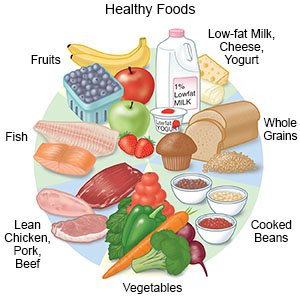
- Eat a variety of healthy foods. This may help you have more energy and heal faster. Healthy foods include fruits, vegetables, whole-grain breads, low-fat dairy products, beans, lean meat, and fish. Ask if you need to be on a special diet. Try to eat regular meals during the day. This will help your gallbladder empty.
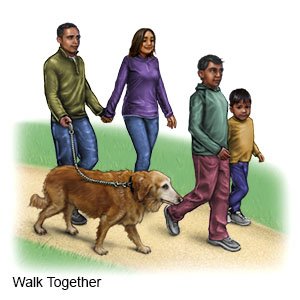
- Exercise as directed. Talk to your healthcare provider about the best exercise plan for you. Exercise can help you lose weight and improve your health.
- Manage your weight. If you are overweight, it is important to reach a healthy weight. You will need to lose weight slowly because rapid weight loss can increase your risk for gallstones. Talk to your healthcare provider about your weight. He or she can help you create a safe weight loss plan if you need to lose weight.
Follow up with your doctor or gastroenterologist as directed:
Write down your questions so you remember to ask them during your visits.
© Copyright Merative 2024 Information is for End User's use only and may not be sold, redistributed or otherwise used for commercial purposes.
The above information is an educational aid only. It is not intended as medical advice for individual conditions or treatments. Talk to your doctor, nurse or pharmacist before following any medical regimen to see if it is safe and effective for you.
Learn more about Gallstones
Treatment options
- Medications for Cholelithiasis w/ Acute Cholecystitis and Obstruction
- Medications for Cholelithiasis with Acute Cholecystitis
- Medications for Cholelithiasis with Obstruction
- Medications for Gallstones
Care guides
Symptoms and treatments
Medicine.com guides (external)
Further information
Always consult your healthcare provider to ensure the information displayed on this page applies to your personal circumstances.
