
Cat Scratch Disease
Medically reviewed by Drugs.com. Last updated on Aug 4, 2025.
What is cat-scratch disease (CSD)?
CSD is caused by a bacteria that lives in a cat's mouth. You can get CSD by being scratched, licked, or bitten by an infected cat. The germs usually spread after the cat licks its paws then scratches or bites human skin. CSD can also be spread if you rub your eyes after you hold an infected cat.
What are the signs and symptoms of CSD?
You may see painless blisters or bumps along your wound 3 to 10 days after you have been bitten or scratched. Lymph nodes near the wound may become red, swollen, and painful 1 to 3 weeks later. These often include lymph nodes in your neck, armpit, and groin. You may also have loss of appetite, rash, sore throat, headache, fever, and muscle, joint, or stomach pain.
How is CSD diagnosed?
Your healthcare provider will ask about your symptoms and examine the injured area. Tell him if you had any contact with a cat. You may need any of the following tests:
- Blood tests or tissue samples may show which bacteria are causing your infection.
- An x-ray, ultrasound, CT, or MRI may show if the infection has spread. You may be given contrast liquid to help the infection show up better in the pictures. Tell the healthcare provider if you have ever had an allergic reaction to contrast liquid. Do not enter the MRI room with anything metal. Metal can cause serious injury. Tell the healthcare provider if you have any metal in or on your body.
How is CSD treated?
CSD may go away in 2 to 4 months without treatment. You may need any of the following:
- Medicines may be given to help treat a bacterial infection or decrease pain, fever, and swelling.
- Incision and drainage may be needed to drain fluid or pus from your lymph nodes.
- Surgery may be needed to remove all or part of your affected lymph nodes.
Treatment options
The following list of medications are related to or used in the treatment of this condition.
What can I do to prevent CSD?
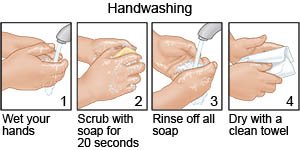
- Always wash your hands after you handle or pet a cat. Use soap and water, and wash for at least 20 seconds. Wash the front and back of each hand, and in between all fingers. Use the fingers of one hand to scrub under the nails of the other hand. Rinse under warm, running water. Dry your hands with a clean towel or paper towel. Use hand sanitizer that contains alcohol if soap and water are not available.
- Have your cat treated for fleas. Fleas can spread the germ from cat to cat.
- Do not allow your cat to lick an open wound on your skin.
- Take care when you play with cats to avoid bites or scratches. Avoid rough play.
- If you get scratched, licked, or bitten by a cat, wash the area with clean water and soap right away.
When should I seek immediate care?
- You have severe pain in your stomach, muscles, bones, or joints.
- You have severe pain in the lymph nodes in your neck, armpit, or groin.
- You have seizures, headaches, or cannot think clearly.
When should I call my doctor?
- You have a fever, sore throat, or headache.
- You notice swelling in your neck, armpit, or groin.
- You have stomach, muscle, or joint pain.
- You have a skin rash, itching, or swelling after you take your medicine.
- You have questions or concerns about your condition or care.
Care Agreement
You have the right to help plan your care. Learn about your health condition and how it may be treated. Discuss treatment options with your healthcare providers to decide what care you want to receive. You always have the right to refuse treatment. The above information is an educational aid only. It is not intended as medical advice for individual conditions or treatments. Talk to your doctor, nurse or pharmacist before following any medical regimen to see if it is safe and effective for you.© Copyright Merative 2025 Information is for End User's use only and may not be sold, redistributed or otherwise used for commercial purposes.
Learn more about Cat Scratch Disease
Treatment options
Further information
Always consult your healthcare provider to ensure the information displayed on this page applies to your personal circumstances.