
Brain Metastasis
Medically reviewed by Drugs.com. Last updated on Aug 4, 2025.
Brain metastasis is cancer that has spread within your brain or spreads from your body to your brain. Some examples are lung, breast, skin, and colon cancer.
DISCHARGE INSTRUCTIONS:
Call your local emergency number (911 in the US) for any of the following:
- You feel lightheaded, short of breath, and have chest pain.
- You cough up blood.
Seek care immediately if:
- Your leg or arm feels warm, tender, and painful. It may be swollen and red.
- You have new problems walking or moving one side of your body.
- You have new or worsening headaches or body swelling.
- You have a seizure.
Call your doctor or oncologist if:
- You have questions or concerns about your condition or care.
Related medications
Treatment options
The following list of medications are related to or used in the treatment of this condition.
Medicines:
You may need any of the following:
- Steroids help reduce swelling.
- Anticonvulsants help decrease or stop seizures.
- Blood thinners help prevent blood clots. Clots can cause strokes, heart attacks, and death. Many types of blood thinners are available. Your healthcare provider will give you specific instructions for the type you are given. The following are general safety guidelines to follow while you are taking a blood thinner:
- Watch for bleeding and bruising. Watch for bleeding from your gums or nose. Watch for blood in your urine and bowel movements. Use a soft washcloth on your skin, and a soft toothbrush to brush your teeth. This can keep your skin and gums from bleeding. If you shave, use an electric shaver. Do not play contact sports.
- Tell your dentist and other healthcare providers that you take a blood thinner. Wear a bracelet or necklace that says you take this medicine.
- Do not start or stop any other medicines or supplements unless your healthcare provider tells you to. Many medicines and supplements cannot be used with blood thinners.
- Take your blood thinner exactly as prescribed by your healthcare provider. Do not skip a dose or take less than prescribed. Tell your provider right away if you forget to take your blood thinner, or if you take too much.
- Take your medicine as directed. Contact your healthcare provider if you think your medicine is not helping or if you have side effects. Tell your provider if you are allergic to any medicine. Keep a list of the medicines, vitamins, and herbs you take. Include the amounts, and when and why you take them. Bring the list or the pill bottles to follow-up visits. Carry your medicine list with you in case of an emergency.
Manage the effects of brain metastasis:
- Prevent infections. Cancer treatments make it easier to get infections. Wash your hands often with soap and water. Carry germ-killing gel with you in case you do not have access to soap and water. Try to avoid people who have a cold or the flu.

- Tell your healthcare provider if you are in pain. If you need pain medicine, learn how, when, and how often to take it. Do not wait until the pain is severe before you take your medicine. Tell healthcare providers if your pain does not decrease.
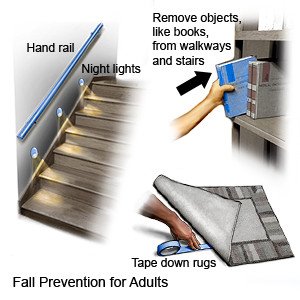
- Stay safe. Cancer treatments can make you dizzy or sleepy. Prevent falls by calling someone when you get out of bed or if you need help. Ask your healthcare provider if it is safe for you to drive.
- Seek support from healthcare providers. The disease can change the way you act, think, and feel. Your memory, concentration, and ability to learn may decline. You may act without thinking or become more emotional. Talk with your healthcare provider about these changes and about continuing care, treatments, and home services. Go to all follow-up appointments.
Follow up with your doctor or oncologist as directed:
You may need tests such as an MRI or PET scan every 3 months. These tests help check for new or returning tumors. Work with your healthcare providers to create a follow-up care plan that is right for you.
For support and more information:
- American Brain Tumor Association
8550 West Bryn Mawr Avenue, Suite 550
Chicago , IL 60631
Phone: 1- 800 - 886-2282
Web Address: http://www.abta.org
© Copyright Merative 2025 Information is for End User's use only and may not be sold, redistributed or otherwise used for commercial purposes.
The above information is an educational aid only. It is not intended as medical advice for individual conditions or treatments. Talk to your doctor, nurse or pharmacist before following any medical regimen to see if it is safe and effective for you.
Learn more about Brain Metastasis
Treatment options
Care guides
Symptoms and treatments
Further information
Always consult your healthcare provider to ensure the information displayed on this page applies to your personal circumstances.