Generic OxyContin Availability
Last updated on Sep 11, 2024.
OxyContin is a brand name of oxycodone, approved by the FDA in the following formulation(s):
OXYCONTIN (oxycodone hydrochloride - tablet, extended release;oral)
-
Manufacturer: PURDUE PHARMA LP
Approval date: April 5, 2010
Strength(s): 10MG [RLD], 15MG [RLD], 20MG [RLD], 30MG [RLD], 40MG [RLD], 60MG [RLD], 80MG [RLD]
Has a generic version of OxyContin been approved?
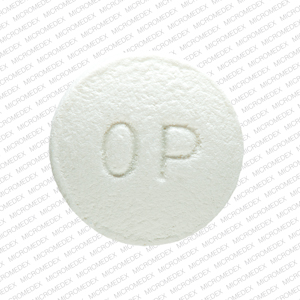
An Authorized Generic version of OxyContin has been approved. An Authorized Generic is a prescription drug that is produced by a brand company under a New Drug Application (NDA) and marketed as a generic under a private label. It is identical to the branded product in appearance and has exactly the same inactive ingredients.
List of authorized generic versions:
- Oxycodone Hydrochloride ORAL TABLET, FILM COATED, EXTENDED RELEASE 10 mg
Teva Pharmaceuticals USA, Inc.
NDC Code: 000935731 - Oxycodone Hydrochloride ORAL TABLET, FILM COATED, EXTENDED RELEASE 20 mg
Teva Pharmaceuticals USA, Inc.
NDC Code: 000935732 - Oxycodone Hydrochloride ORAL TABLET, FILM COATED, EXTENDED RELEASE 40 mg
Teva Pharmaceuticals USA, Inc.
NDC Code: 000935733 - Oxycodone Hydrochloride ORAL TABLET, FILM COATED, EXTENDED RELEASE 80 mg
Teva Pharmaceuticals USA, Inc.
NDC Code: 000935734 - Oxycodone HCl ORAL TABLET, FILM COATED, EXTENDED RELEASE 10 mg
Amneal Pharmaceuticals NY LLC
NDC Code: 692382294 - Oxycodone HCl ORAL TABLET, FILM COATED, EXTENDED RELEASE 20 mg
Amneal Pharmaceuticals NY LLC
NDC Code: 692382296 - Oxycodone HCl ORAL TABLET, FILM COATED, EXTENDED RELEASE 40 mg
Amneal Pharmaceuticals NY LLC
NDC Code: 692382298 - Oxycodone HCl ORAL TABLET, FILM COATED, EXTENDED RELEASE 80 mg
Amneal Pharmaceuticals NY LLC
NDC Code: 692382300
Note: Fraudulent online pharmacies may attempt to sell an illegal generic version of OxyContin. These medications may be counterfeit and potentially unsafe. If you purchase medications online, be sure you are buying from a reputable and valid online pharmacy. Ask your health care provider for advice if you are unsure about the online purchase of any medication.
See also: Generic Drug FAQ.
Related patents
Patents are granted by the U.S. Patent and Trademark Office at any time during a drug's development and may include a wide range of claims.
-
Process for preparing oxycodone compositions
Patent 10,407,434
Issued: September 10, 2019
Inventor(s): Chapman Robert & Rider Lonn S. & Hong Qi & Kyle Donald & Kupper RobertIn certain embodiments the invention is directed to a process for preparing an oxycodone hydrochloride composition having less than 25 ppm of 14-hydroxycodeinone.
Patent expiration dates:
- March 30, 2025✓
- March 30, 2025
-
Process for preparing oxycodone hydrochloride having less than 25 PPM 14-hydroxycodeinone
Patent 10,696,684
Issued: June 30, 2020
Inventor(s): Chapman Robert & Rider Lonn S. & Hong Qi & Kyle Donald & Kupper RobertIn certain embodiments the invention is directed to a process for preparing an oxycodone hydrochloride composition having less than 25 ppm of 14-hydroxycodeinone.
Patent expiration dates:
- March 30, 2025✓
- March 30, 2025
-
Patent 11,304,908
Patent expiration dates:
- August 24, 2027✓
- August 24, 2027
-
Patent 11,304,909
Patent expiration dates:
- August 24, 2027✓
- August 24, 2027
-
Patent 11,964,056
Patent expiration dates:
- August 24, 2027✓
- August 24, 2027
-
Patent 12,060,361
Patent expiration dates:
- March 30, 2025✓✓
- March 30, 2025
-
Tamper resistant dosage forms
Patent 8,808,741
Issued: August 19, 2014
Inventor(s): McKenna William H. & Mannion Richard O. & "ODonnell Edward P." & Huang Haiyong H.
Assignee(s): Purdue Pharma L.P.The present invention relates to pharmaceutical dosage forms, for example to a tamper resistant dosage form including an opioid analgesic, and processes of manufacture, uses, and methods of treatment thereof.
Patent expiration dates:
- August 24, 2027✓
- August 24, 2027
-
Tamper resistant dosage forms
Patent 8,894,987
Issued: November 25, 2014
Inventor(s): McKenna William H. & Mannion Richard O. & "ODonnell Edward P." & Huang Haiyong H.The present invention relates to pharmaceutical dosage forms, for example to a tamper resistant dosage form including an opioid analgesic, and processes of manufacture, uses, and methods of treatment thereof.
Patent expiration dates:
- March 29, 2030✓
- March 29, 2030
-
Tamper resistant dosage forms
Patent 8,894,988
Issued: November 25, 2014
Inventor(s): McKenna William H. & Mannion Richard O. & "ODonnell Edward P." & Huang Haiyong H.The present invention relates to pharmaceutical dosage forms, for example to a tamper resistant dosage form including an opioid analgesic, and processes of manufacture, uses, and methods of treatment thereof.
Patent expiration dates:
- August 24, 2027✓
- August 24, 2027
-
Oxycodone hydrochloride having less than 25 PPM 14-hydroxycodeinone
Patent 9,073,933
Issued: July 7, 2015
Inventor(s): Chapman Robert & Rider Lonn S. & Hong Qi & Kyle Donald & Kupper RobertIn certain embodiments the invention is directed to a process for preparing an oxycodone hydrochloride composition having less than 25 ppm of 14-hydroxycodeinone.
Patent expiration dates:
- March 30, 2025✓
- March 30, 2025
-
Tamper resistant dosage forms
Patent 9,492,389
Issued: November 15, 2016
Inventor(s): McKenna William H. & Mannion Richard O. & "ODonnell Edward P." & Huang Haiyong H.The present invention relates to pharmaceutical dosage forms, for example to a tamper resistant dosage form including an opioid analgesic, and processes of manufacture, uses, and methods of treatment thereof.
Patent expiration dates:
- August 24, 2027✓
- August 24, 2027
-
Tamper resistant dosage forms
Patent 9,492,391
Issued: November 15, 2016
Inventor(s): McKenna William H. & Mannion Richard O. & "ODonnell Edward P." & Huang Haiyong H.The present invention relates to pharmaceutical dosage forms, for example to a tamper resistant dosage form including an opioid analgesic, and processes of manufacture, uses, and methods of treatment thereof.
Patent expiration dates:
- August 24, 2027✓
- August 24, 2027
-
Tamper resistant dosage forms
Patent 9,492,392
Issued: November 15, 2016
Inventor(s): McKenna William H. & Mannion Richard O. & "ODonnell Edward P." & Huang Haiyong H.The present invention relates to pharmaceutical dosage forms, for example to a tamper resistant dosage form including an opioid analgesic, and processes of manufacture, uses, and methods of treatment thereof.
Patent expiration dates:
- August 24, 2027✓
- August 24, 2027
-
Tamper resistant dosage forms
Patent 9,492,393
Issued: November 15, 2016
Inventor(s): McKenna William H. & Mannion Richard O. & "ODonnell Edward P." & Huang Haiyong H.The present invention relates to pharmaceutical dosage forms, for example to a tamper resistant dosage form including an opioid analgesic, and processes of manufacture, uses, and methods of treatment thereof.
Patent expiration dates:
- August 24, 2027✓
- August 24, 2027
-
Oxycodone compositions
Patent 9,522,919
Issued: December 20, 2016
Inventor(s): Chapman Robert & Rider Lonn S. & Hong Qi & Kyle Donald & Kupper RobertIn certain embodiments the invention is directed to a process for preparing an oxycodone hydrochloride composition having less than 25 ppm of 14-hydroxycodeinone.
Patent expiration dates:
- March 30, 2025✓✓
- March 30, 2025
-
Tamper resistant dosage forms
Patent 9,763,933
Issued: September 19, 2017
Inventor(s): McKenna William H. & Mannion Richard O. & "ODonnell Edward P." & Huang Haiyong H.
Assignee(s): PURDUE PHARMA L.P.The present invention relates to pharmaceutical dosage forms, for example to a tamper resistant dosage form including an opioid analgesic, and processes of manufacture, uses, and methods of treatment thereof.
Patent expiration dates:
- August 24, 2027✓
- August 24, 2027
-
Tamper resistant dosage forms
Patent 9,770,416
Issued: September 26, 2017
Inventor(s): McKenna William H. & Mannion Richard O. & "ODonnell Edward P." & Huang Haiyong H.The present invention relates to pharmaceutical dosage forms, for example to a tamper resistant dosage form including an opioid analgesic, and processes of manufacture, uses, and methods of treatment thereof.
Patent expiration dates:
- August 24, 2027✓
- August 24, 2027
-
Tamper resistant dosage forms
Patent 9,775,808
Issued: October 3, 2017
Inventor(s): McKenna William H. & Mannion Richard O. & "ODonnell Edward P." & Huang Haiyong H.The present invention relates to pharmaceutical dosage forms, for example to a tamper resistant dosage form including an opioid analgesic, and processes of manufacture, uses, and methods of treatment thereof.
Patent expiration dates:
- August 24, 2027✓
- August 24, 2027
More about OxyContin (oxycodone)
- Check interactions
- Compare alternatives
- Pricing & coupons
- Reviews (293)
- Drug images
- Latest FDA alerts (3)
- Side effects
- Dosage information
- Patient tips
- During pregnancy
- Support group
- Drug class: Opioids (narcotic analgesics)
- Breastfeeding
- En español
Patient resources
Other brands
Roxicodone, Xtampza ER, Oxaydo, OxyIR, ... +7 more
Professional resources
Other brands
Roxicodone, Xtampza ER, Oxaydo, RoxyBond
Related treatment guides
Glossary
| Term | Definition |
|---|---|
| Drug Patent | A drug patent is assigned by the U.S. Patent and Trademark Office and assigns exclusive legal right to the patent holder to protect the proprietary chemical formulation. The patent assigns exclusive legal right to the inventor or patent holder, and may include entities such as the drug brand name, trademark, product dosage form, ingredient formulation, or manufacturing process A patent usually expires 20 years from the date of filing, but can be variable based on many factors, including development of new formulations of the original chemical, and patent infringement litigation. |
| Drug Exclusivity | Exclusivity is the sole marketing rights granted by the FDA to a manufacturer upon the approval of a drug and may run simultaneously with a patent. Exclusivity periods can run from 180 days to seven years depending upon the circumstance of the exclusivity grant. |
| RLD | A Reference Listed Drug (RLD) is an approved drug product to which new generic versions are compared to show that they are bioequivalent. A drug company seeking approval to market a generic equivalent must refer to the Reference Listed Drug in its Abbreviated New Drug Application (ANDA). By designating a single reference listed drug as the standard to which all generic versions must be shown to be bioequivalent, FDA hopes to avoid possible significant variations among generic drugs and their brand name counterpart. |
Further information
Always consult your healthcare provider to ensure the information displayed on this page applies to your personal circumstances.