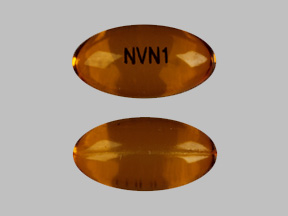
Stavzor
Generic name: valproic acid [ val-PRO-ik-A-sid ]
Brand names: Depakene, Stavzor
Drug class: Fatty acid derivative anticonvulsants
Medically reviewed by Drugs.com. Last updated on Mar 4, 2024.
The Stavzor brand name has been discontinued in the U.S. If generic versions of this product have been approved by the FDA, there may be generic equivalents available.
What is Stavzor?
Stavzor affects chemicals in the body that may be involved in causing seizures.
Stavzor is used to treat various types of seizure disorders. It is sometimes used together with other seizure medications.
Stavzor is also used to treat manic episodes related to bipolar disorder (manic depression), and to prevent migraine headaches.
Stavzor may also be used for purposes not listed in this medication guide.
Warnings
Do not use Stavzor to prevent migraine headaches if you are pregnant.
If you take Stavzor for seizures or manic episodes: Do not start or stop taking the medicine during pregnancy without your doctor's advice. Stavzor may cause harm to an unborn baby, but having a seizure during pregnancy could harm both the mother and the baby.
You should not use Stavzor if you have liver disease, a urea cycle disorder, or a genetic disorder such as Alpers' disease or Alpers-Huttenlocher syndrome (especially in a child younger than 2 years old).
Stavzor can cause liver failure that may be fatal, especially in children under age 2 and in people with liver problems caused by a genetic mitochondrial disorder.
Call your doctor at once if the person taking this medicine has early signs of liver or pancreas problems, such as: loss of appetite, upper stomach pain (that may spread to your back), ongoing nausea or vomiting, dark urine, swelling in the face, or jaundice (yellowing of the skin or eyes).
Before taking this medicine
You should not use Stavzor if you are allergic to valproic acid, or if you have:
-
liver disease;
-
a urea cycle disorder; or
-
a genetic mitochondrial (MYE-toe-KON-dree-al) disorder such as Alpers' disease or Alpers-Huttenlocher syndrome, especially in a child younger than 2 years old.
Stavzor can cause liver failure that may be fatal, especially in children under age 2 and in people with liver problems caused by a genetic mitochondrial disorder.
To make sure Stavzor is safe for you, tell your doctor if you have:
-
liver problems caused by a genetic mitochondrial disorder;
-
a history of depression, mental illness, or suicidal thoughts or actions;
-
a family history of a urea cycle disorder or infant deaths with unknown cause; or
-
HIV or CMV (cytomegalovirus) infection.
Some young people have thoughts about suicide when first taking Stavzor. Your doctor will need to check your progress at regular visits while you are using this medicine. Your family or other caregivers should also be alert to changes in your mood or symptoms.
Do not use Stavzor to prevent migraine headaches if you are pregnant.
If you take Stavzor for seizures or manic episodes: valproic acid can harm an unborn baby or cause birth defects, and may affect cognitive ability (reasoning, intelligence, problem-solving) later in the child's life. However, having a seizure during pregnancy could harm both the mother and the baby. Do not start or stop taking valproic acid during pregnancy without your doctor's advice.
Use effective birth control while using Stavzor, and tell your doctor right away if you become pregnant.
Tell your doctor if you start or stop using hormonal contraception that contains estrogen (birth control pills, injections, implants, skin patches, and vaginal rings). Estrogen can interact with valproic acid and make it less effective in preventing seizures.
Seizure control is very important during pregnancy. The benefit of preventing seizures may outweigh any risks posed by taking Stavzor. There may be other seizure medications that can be more safely used during pregnancy. Follow your doctor's instructions about taking Stavzor while you are pregnant.
Valproic acid can pass into breast milk and may harm a nursing baby. You should not breast-feed while using this medicine.
How should I take Stavzor?
Take Stavzor capsules exactly as prescribed by your doctor. Follow all directions on your prescription label. Your doctor may occasionally change your dose to make sure you get the best results. Do not take this medicine in larger or smaller amounts or for longer than recommended.
Drink plenty of water while you are taking this medication. Your dose may need to be changed if you do not get enough fluids each day.
Take with food if this medicine upsets your stomach.
Do not crush, chew, break, or open a delayed-release capsule. Swallow it whole.
While using Stavzor, you may need frequent blood tests.
Wear a medical alert tag or carry an ID card stating that you take Stavzor. Any doctor, dentist, or emergency medical care provider who treats you should know that you are taking a seizure medication.
If you need surgery, tell the surgeon ahead of time that you are using valproic acid.
Do not stop using Stavzor suddenly, even if you feel fine. Stopping suddenly may cause a serious, life-threatening type of seizure. Follow your doctor's instructions about tapering your dose.
Store at room temperature away from moisture and heat.
What happens if I miss a dose?
Take the missed dose as soon as you remember. Skip the missed dose if it is almost time for your next scheduled dose. Do not take extra medicine to make up the missed dose.
What happens if I overdose?
Seek emergency medical attention or call the Poison Help line at 1-800-222-1222.
What should I avoid?
Drinking alcohol may increase certain side effects of Stavzor.
Stavzor may impair your thinking or reactions. Be careful if you drive or do anything that requires you to be alert.
Avoid exposure to sunlight or tanning beds. Valproic acid can make you sunburn more easily. Wear protective clothing and use sunscreen (SPF 30 or higher) when you are outdoors.
Stavzor side effects
Get emergency medical help if you have any of these signs of an allergic reaction to Stavzor: hives; fever, swollen glands, mouth sores, difficulty breathing; swelling of your face, lips, tongue, or throat.
Call your doctor at once if the person taking this medicine has early signs of liver or pancreas problems, such as: loss of appetite, upper stomach pain (that may spread to your back), ongoing nausea or vomiting, dark urine, swelling in the face, or jaundice (yellowing of the skin or eyes).
Report any new or worsening symptoms to your doctor, such as: mood or behavior changes, depression, anxiety, panic attacks, trouble sleeping, or if you feel impulsive, irritable, agitated, hostile, aggressive, restless, hyperactive (mentally or physically), or have thoughts about suicide or hurting yourself.
Call your doctor at once if you have any of these other side effects:
-
confusion, tiredness, cold feeling, vomiting, change in your mental state;
-
easy bruising, unusual bleeding (nose, mouth, or gums), purple or red pinpoint spots under your skin;
-
severe drowsiness;
-
worsening seizures;
-
signs of inflammation in your body - swollen glands, flu symptoms, severe tingling or numbness, muscle weakness, chest pain, new or worsening cough with fever, trouble breathing; or
-
severe skin reaction - fever, sore throat, swelling in your face or tongue, burning in your eyes, skin pain, followed by a red or purple skin rash that spreads (especially in the face or upper body) and causes blistering and peeling.
Common Stavzor side effects may include:
-
nausea, vomiting, stomach pain, indigestion, constipation, diarrhea;
-
fever, flu symptoms, cough, sore throat, sneezing, runny nose;
-
nervousness, depression, sleep problems (insomnia);
-
headache, dizziness, drowsiness, memory problems, unusualn thoughts;
-
rash, hair loss, bruising;
-
weakness, tremors, problems with balance or walking;
-
swelling in your hands or feet;
-
vision problems, ringing in your ears; or
-
changes in appetite, weight gain.
This is not a complete list of side effects and others may occur. Call your doctor for medical advice about side effects. You may report side effects to FDA at 1-800-FDA-1088.
What other drugs will affect Stavzor?
Sometimes it is not safe to use certain medications at the same time. Some drugs can raise or lower your blood levels of valproic acid, which may cause side effects or make Stavzor less effective. Valproic acid can also affect blood levels of certain other drugs, making them less effective or increasing side effects.
Many drugs can interact with valproic acid. This includes prescription and over-the-counter medicines, vitamins, and herbal products. Not all possible interactions are listed in this medication guide. Tell your doctor about all medicines you use, and those you start or stop using. Give a list of all your medicines to any healthcare provider who treats you.
More about Stavzor (valproic acid)
- Check interactions
- Compare alternatives
- Reviews (1)
- Drug images
- Side effects
- Dosage information
- During pregnancy
- FDA approval history
- Drug class: fatty acid derivative anticonvulsants
- Breastfeeding
Patient resources
Other brands
Valproate Sodium, Depakene, Depacon
Professional resources
Other brands
Related treatment guides
Further information
Remember, keep this and all other medicines out of the reach of children, never share your medicines with others, and use Stavzor only for the indication prescribed.
Always consult your healthcare provider to ensure the information displayed on this page applies to your personal circumstances.
Copyright 1996-2024 Cerner Multum, Inc. Version: 16.01.