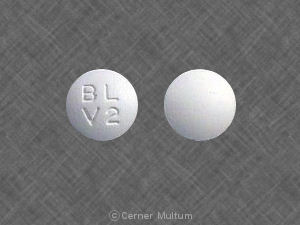
Veetids Side Effects
Generic name: penicillin v potassium
Medically reviewed by Drugs.com. Last updated on Aug 31, 2023.
Note: This document contains side effect information about penicillin v potassium. Some dosage forms listed on this page may not apply to the brand name Veetids.
Applies to penicillin v potassium: capsule, powder for solution, powder for suspension, solution, suspension, tablet, tablet chewable, tablet extended release.
Serious side effects of Veetids
Along with its needed effects, penicillin v potassium (the active ingredient contained in Veetids) may cause some unwanted effects. Although not all of these side effects may occur, if they do occur they may need medical attention.
Stop taking penicillin v potassium and get emergency help immediately if any of the following effects occur:
Less common
- Fast or irregular breathing
- fever
- joint pain
- lightheadedness or fainting (sudden)
- puffiness or swelling around the face
- red, scaly skin
- shortness of breath
- skin rash, hives, itching
Check with your doctor immediately if any of the following side effects occur while taking penicillin v potassium:
Rare
- Abdominal or stomach cramps and pain (severe)
- abdominal tenderness
- convulsions (seizures)
- decreased amount of urine
- diarrhea (watery and severe), which may also be bloody
- mental depression
- nausea and vomiting
- pain at place of injection
- sore throat and fever
- unusual bleeding or bruising
- yellow eyes or skin
Rare
- For penicillin G procaine only- Agitation or combativeness
- anxiety
- confusion
- fear of impending death
- feeling, hearing, or seeing things that are not real
Other side effects of Veetids
Some side effects of penicillin v potassium may occur that usually do not need medical attention. These side effects may go away during treatment as your body adjusts to the medicine. Also, your health care professional may be able to tell you about ways to prevent or reduce some of these side effects.
Check with your health care professional if any of the following side effects continue or are bothersome or if you have any questions about them:
More common
- Diarrhea (mild)
- headache
- sore mouth or tongue
- vaginal itching and discharge
- white patches in the mouth and/or on the tongue
For Healthcare Professionals
Applies to penicillin v potassium: oral powder for reconstitution, oral tablet.
General
The most common side effects are gastrointestinal effects and hypersensitivity reactions. In general, hypersensitivity reactions have been reported much less frequently after oral than after parenteral therapy; however, all degrees of hypersensitivity (including fatal anaphylaxis) have been reported with oral penicillin.[Ref]
Gastrointestinal
Common (1% to 10%): Nausea, vomiting, abdominal pain, diarrhea
Rare (0.01% to 0.1%): Sore mouth, black hairy tongue (discoloration of tongue), pseudomembranous colitis
Frequency not reported: Epigastric distress, stomatitis, glossitis, soft stools, pancreatitis, intestinal necrosis, blood in the stool[Ref]
Onset of Clostridium difficile-associated diarrhea has been reported during or after antibacterial therapy.[Ref]
Hypersensitivity
Common (1% to 10%): Allergic reactions (usually manifested as skin reactions)
Rare (0.01% to 0.1%): Severe allergic reactions (causing angioedema, laryngeal edema, anaphylaxis [severe or fatal])
Frequency not reported: Serum sickness-like reactions (chills, fever, edema, arthralgia, prostration), hypersensitivity/allergic reactions (including skin eruptions [maculopapular to exfoliative dermatitis], pruritus, urticaria, angioneurotic edema, erythema multiforme, joint pain, fever, eosinophilia, hypersensitivity myocarditis, hemolytic anemia, interstitial nephritis, anaphylactic shock [sometimes fatal] with collapse, anaphylactoid reactions [asthma, purpura, gastrointestinal symptoms])[Ref]
Hypersensitivity reactions with penicillin were more common and more serious with IV therapy, but have also been reported with oral therapy. An initial sensitizing exposure is required to stimulate the production of antigen-specific IgE before clinical manifestations of hypersensitivity were seen on the second exposure. There were numerous "hidden" environmental or occupational exposures to penicillin including in utero exposure, breast milk exposure, and occupational exposure.[Ref]
Dermatologic
Common (1% to 10%): Rash (urticarial, erythematous, morbilliform), pruritus
Rare (0.01% to 0.1%): Exfoliative dermatitis
Frequency not reported: Peeling, mucosal ulceration, urticaria[Ref]
Hematologic
Very rare (less than 0.01%): Changes in blood counts, hemolytic anemia, leukopenia, thrombocytopenia, neutropenia, eosinophilia, agranulocytosis
Frequency not reported: Coagulation disorders (including prolonged bleeding time, platelet dysfunction), anemia, lymphadenopathy[Ref]
Hepatic
Very rare (less than 0.01%): Hepatitis, cholestatic jaundice
Frequency not reported: Increased AST, reversible hepatotoxicity, jaundice, prolonged cholestasis[Ref]
Renal
Very rare (less than 0.01%): Interstitial nephritis
Frequency not reported: Nephropathy[Ref]
Nephropathy has typically been associated with high doses of parenteral penicillin.[Ref]
Nervous system
Frequency not reported: Central nervous system (CNS) toxicity (including convulsions), paresthesia, neuropathy, myoclonus, seizures, decreased mentation, abnormal taste perception, tinnitus, neurologic reactions, aseptic meningitis[Ref]
CNS toxicity has been reported, especially with high doses or in severe renal dysfunction. Paresthesia has been reported with prolonged use. Neuropathy has typically been associated with high doses of parenteral penicillin.
Severe neurologic reactions were most often seen with penicillin doses of 18 to 80 million units daily. These reactions frequently abated after discontinuation of penicillin. In several cases, penicillin was restarted at a lower dose with no further sequelae. In 1 review, the authors found that cerebral spinal fluid (CSF) penicillin levels were higher in patients with seizures than in those without. CSF penicillin levels ranged from 12 to 61 units/mL in the seizure group with the highest CSF levels, compared to 7.8 units/mL in the group without seizures.[Ref]
Other
Frequency not reported: Overgrowth of nonsusceptible organisms (e.g., Candida), fatigue, asthenia, pain, aggravation of existing disorders[Ref]
Genitourinary
Frequency not reported: Vulvovaginitis[Ref]
Psychiatric
Frequency not reported: Auditory hallucinations, visual hallucinations
Respiratory
Frequency not reported: Hypoxia, apnea, dyspnea
More about Veetids (penicillin v potassium)
- Check interactions
- Compare alternatives
- Drug images
- Dosage information
- During pregnancy
- Drug class: natural penicillins
- Breastfeeding
Patient resources
- Veetids drug information
- Veetids (Penicillin V Potassium Oral Solution)
- Veetids (Penicillin V Potassium Tablets)
Other brands
Professional resources
Other brands
Related treatment guides
References
1. Product Information. Veetids (penicillin). Apothecon Inc. 2001;PROD.
2. Cerner Multum, Inc. UK Summary of Product Characteristics.
3. Cerner Multum, Inc. Australian Product Information.
Further information
Always consult your healthcare provider to ensure the information displayed on this page applies to your personal circumstances.
Some side effects may not be reported. You may report them to the FDA.