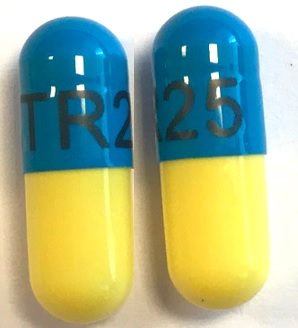
Trimipramine Side Effects
Medically reviewed by Drugs.com. Last updated on Oct 11, 2023.
Applies to trimipramine: oral capsule.
Important warnings
This medicine can cause some serious health issues
Oral route (capsule)
Antidepressants increased the risk of suicidal thinking and behavior in children, adolescents, and young adults in short-term studies of major depressive disorder (MDD) and other psychiatric disorders.
Short-term studies did not show an increase in the risk of suicidality with antidepressants compared with placebo in adults older than 24 years, and there was a reduction in risk with antidepressants compared with placebo in adults aged 65 or older.
This risk must be balanced with the clinical need.
Monitor patients closely for clinical worsening, suicidality, or unusual changes in behavior.
Families and caregivers should be advised of the need for close observation and communication with the prescriber.
Not approved for use in pediatric patients.
Serious side effects of trimipramine
Along with its needed effects, trimipramine may cause some unwanted effects. Although not all of these side effects may occur, if they do occur they may need medical attention.
Check with your doctor immediately if any of the following side effects occur while taking trimipramine:
Incidence not known
- abdominal or stomach pain
- agitation
- black, tarry stools
- bleeding or bruising
- blood in the urine or stools
- blurred vision
- burning, crawling, itching, numbness, prickling, "pins and needles", or tingling feelings
- chest pain or discomfort
- clay-colored stools
- cold sweats
- confusion about identity, place, and time
- continuing ringing, buzzing, or other unexplained noise in the ears
- convulsions
- cool, pale skin
- cough or hoarseness
- dark urine
- decrease in the frequency of urination
- decreased urine output or volume
- depression
- difficulty in passing urine (dribbling)
- difficulty with speaking
- dizziness, faintness, or lightheadedness when getting up suddenly from a lying or sitting position
- double vision
- drooling
- dry mouth
- false beliefs that cannot be changed by facts
- fast, pounding, or irregular heartbeat or pulse
- feeling of warmth
- feeling that others are watching you or controlling your behavior
- feeling that others can hear your thoughts
- feeling, seeing, or hearing things that are not there
- fever with or without chills
- flushed, dry skin
- fruit-like breath odor
- general feeling of tiredness or weakness
- headache
- hearing loss
- hostility
- hyperventilation
- inability to move the arms, legs, or facial muscles
- inability to speak
- increased hunger
- increased need to urinate
- increased thirst
- increased urination
- irritability
- itching or rash
- lack of coordination
- lethargy
- loss of appetite
- loss of balance control
- lower back or side pain
- mood or mental changes
- muscle spasm or jerking of all extremities
- muscle trembling or stiffness
- muscle twitching
- nausea
- nightmares
- pain or discomfort in the arms, jaw, back, or neck
- painful or difficult urination
- passing urine more often
- pinpoint red or purple spots on the skin
- pounding in the ears
- rapid weight gain
- redness of the face, neck, arms, and occasionally, upper chest
- restlessness
- shakiness and unsteady walk
- shuffling walk
- slow speech
- slurred speech
- sore throat
- sores, ulcers, or white spots on the lips or in the mouth
- stiffness of the limbs
- sudden loss of consciousness
- sweating
- swelling of the face, ankles, legs, or hands
- swollen glands
- talking, feeling, and acting with excitement
- trouble in holding or releasing urine
- trouble sleeping
- twisting movements of the body
- uncontrolled movements, especially of the face, neck, and back
- unpleasant breath odor
- unsteadiness, awkwardness, trembling, or other problems with muscle control or coordination
- unusual behavior
- unusual tiredness or weakness
- vomiting of blood
- weakness in the arms, hands, legs, or feet
- weight gain or loss
- yellow eyes or skin
Other side effects of trimipramine
Some side effects of trimipramine may occur that usually do not need medical attention. These side effects may go away during treatment as your body adjusts to the medicine. Also, your health care professional may be able to tell you about ways to prevent or reduce some of these side effects.
Check with your health care professional if any of the following side effects continue or are bothersome or if you have any questions about them:
Incidence not known
- abdominal or stomach cramps
- bigger, dilated, or enlarged pupils (black part of the eye)
- black tongue
- bloating
- decreased interest in sexual intercourse
- diarrhea
- difficulty having a bowel movement (stool)
- disturbance of accommodation
- enlargement of the breast
- hair loss or thinning of the hair
- heartburn
- hives or welts
- inability to have or keep an erection
- increase in sexual ability, desire, drive, or performance
- increased sensitivity of the eyes to light
- increased sensitivity of the skin to sunlight
- loss in sexual ability, desire, drive, or performance
- pain or discomfort in the chest, upper stomach, or throat
- peculiar taste
- redness or other discoloration of the skin
- severe sunburn
- small red or purple spots on the skin
- swelling of the breasts or breast soreness in both women and men
- swelling of the testicles
- swelling or inflammation of the mouth
- swollen, painful, or tender lymph glands in the neck
- unexpected milk flow from the breasts
For healthcare professionals
Applies to trimipramine: compounding powder, oral capsule.
General
The most commonly reported side effects were tremors, dizziness, headache, dry mouth, constipation, and nausea.[Ref]
Psychiatric
- Frequency not reported: Agitation, anxiety, confusional states (especially the elderly) with hallucinations, disorientation, delusions, exacerbation of psychosis, hypomania, increased or decreased libido, insomnia, irritability, mania, neonatal agitation, neonatal withdrawal symptoms, nightmares, paranoid delusions, restlessness, suicidal behaviors, suicidal ideation, withdrawal symptoms[Ref]
Neonatal agitation and withdrawal symptoms occurred in neonates exposed during the third trimester.
Suicidal behaviors and ideation occurred during or early after treatment.[Ref]
Nervous system
- Frequency not reported: Alterations in electroencephalogram (EEG) patterns, ataxia, convulsions, dizziness, drowsiness, extrapyramidal symptoms, extremity paresthesia, headache, incoordination, mydriasis, numbness, peculiar taste, peripheral neuropathy, seizures, tingling, tremor[Ref]
Gastrointestinal
- Frequency not reported: Abdominal cramps, black tongue, constipation, diarrhea, dry mouth, epigastric distress, nausea, paralytic ileus, parotid swelling, stomatitis, sublingual adenitis, tongue edema, vomiting[Ref]
Cardiovascular
- Frequency not reported: Arrhythmias, cardiac arrhythmia, flushing, heart block, hypertension, hypotension, myocardial infarction, palpitation, postural hypotension, severe hypotension, stroke, tachycardia[Ref]
Genitourinary
- Frequency not reported: Breast enlargement, delayed micturition, dilation of the urinary tract, galactorrhea, impotence, interference with sexual function, micturition hesitancy, testicular swelling, urinary frequency, urinary retention[Ref]
Dermatologic
- Frequency not reported: Alopecia, excessive perspiration/perspiration, face edema, itching, petechia, photosensitization, skin rashes, sweating, urticaria[Ref]
Hematologic
- Frequency not reported: Agranulocytosis, bone marrow depression, eosinophilia, pathological neutrophil depression, purpura, thrombocytopenia[Ref]
Other
- Frequency not reported: Fatigue, malaise, tinnitus, weakness[Ref]
Metabolic
- Frequency not reported: Anorexia, elevation or depression of blood sugar levels, weight gain or loss[Ref]
Hepatic
- Frequency not reported: Altered liver function, cholestatic jaundice, jaundice (simulating obstructive)[Ref]
Ocular
- Frequency not reported: Blurred vision, disturbance of accommodation[Ref]
Endocrine
- Frequency not reported: Gynecomastia, syndrome of inappropriate antidiuretic hormone (SIADH) secretion[Ref]
Respiratory
- Frequency not reported: Neonatal respiratory depression[Ref]
Musculoskeletal
- Frequency not reported: Bone fractures[Ref]
References
1. (2001) "Product Information. Surmontil (trimipramine)." Wyeth-Ayerst Laboratories
2. Cerner Multum, Inc. "UK Summary of Product Characteristics."
More about trimipramine
- Check interactions
- Compare alternatives
- Pricing & coupons
- Reviews (2)
- Drug images
- Dosage information
- During pregnancy
- Drug class: tricyclic antidepressants
- Breastfeeding
- En español
Patient resources
Other brands
Professional resources
Other brands
Related treatment guides
Further information
Trimipramine side effects can vary depending on the individual. Always consult your healthcare provider to ensure the information displayed on this page applies to your personal circumstances.
Some side effects may not be reported. You may report them to the FDA.