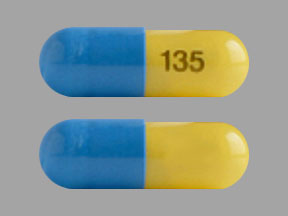
Trilipix Side Effects
Generic name: fenofibric acid
Medically reviewed by Drugs.com. Last updated on Jun 12, 2024.
Note: This document provides detailed information about Trilipix Side Effects associated with fenofibric acid. Some dosage forms listed on this page may not apply specifically to the brand name Trilipix.
Applies to fenofibric acid: oral capsule delayed release, oral tablet.
Serious side effects of Trilipix
Along with its needed effects, fenofibric acid (the active ingredient contained in Trilipix) may cause some unwanted effects. Although not all of these side effects may occur, if they do occur they may need medical attention.
Check with your doctor immediately if any of the following side effects occur while taking fenofibric acid:
More common
- body aches or pain
- chills
- cough
- difficulty with breathing
- ear congestion
- fever
- headache
- loss of voice
- sore throat
- unusual tiredness or weakness
Less common
- bladder pain
- bloody or cloudy urine
- blurred vision
- chest tightness
- cough producing mucus
- diarrhea
- difficult, burning, or painful urination
- difficulty with moving
- dizziness
- frequent urge to urinate
- general feeling of discomfort or illness
- joint pain
- loss of appetite
- lower back or side pain
- muscle aches, cramps, spasms, or stiffness
- muscle or bone pain
- nausea
- nervousness
- pain in the arms or legs
- pounding in the ears
- shivering
- slow or fast heartbeat
- sweating
- swollen joints
- trouble sleeping
- vomiting
Incidence not known
- agitation
- bloating
- coma
- confusion
- constipation
- darkened urine
- decreased urine output
- indigestion
- irritability
- lethargy
- pains in the stomach, side, or abdomen, possibly radiating to the back
- seizures
- stupor
- swelling of the face, ankles, or hands
- yellow eyes or skin
Other side effects of Trilipix
Some side effects of fenofibric acid may occur that usually do not need medical attention. These side effects may go away during treatment as your body adjusts to the medicine. Also, your health care professional may be able to tell you about ways to prevent or reduce some of these side effects.
Check with your health care professional if any of the following side effects continue or are bothersome or if you have any questions about them:
More common
- runny or stuffy nose
- sneezing
Less common
- acid or sour stomach
- belching
- difficulty having a bowel movement (stool)
- heartburn
- pain or tenderness around the eyes and cheekbones
- stomach discomfort, upset, or pain
For healthcare professionals
Applies to fenofibric acid: oral delayed release capsule, oral tablet.
General
The most frequently reported side effects were abnormal liver function tests, AST increased, ALT increased, creatine phosphokinase increased, and rhinitis.[Ref]
Musculoskeletal
- Common (1% to 10%): Back pain, arthralgia, myalgia, pain in extremity
- Postmarketing reports: Rhabdomyolysis, muscle spasm[Ref]
Gastrointestinal
- Common (1% to 10%): Abdominal pain, nausea, constipation, diarrhea, dyspepsia
- Postmarketing reports: Pancreatitis[Ref]
Hepatic
- Common (1% to 10%): Liver function tests abnormal, ALT increased, AST increased
- Postmarketing reports: Hepatitis, cirrhosis, increased total bilirubin, drug-induced liver injury[Ref]
Respiratory
- Common (1% to 10%): Respiratory disorder, rhinitis, nasopharyngitis, sinusitis, upper respiratory tract infection
- Postmarketing reports: Interstitial lung disease[Ref]
Nervous system
- Common (1% to 10%): Headache, dizziness[Ref]
Other
- Common (1% to 10%): Creatine phosphokinase increased, pain
- Postmarketing reports: Asthenia[Ref]
Hematologic
- Postmarketing reports: Anemia, hemoglobin decreased, hematocrit decreased, WBC decreased[Ref]
Renal
- Postmarketing reports: Acute renal failure, renal failure[Ref]
Metabolic
- Postmarketing reports: High density lipoprotein cholesterol levels severely depressed[Ref]
Dermatologic
- Common (1% to 10%): Urticaria, rash
- Postmarketing reports: Photosensitivity reactions, severe cutaneous adverse drug reactions (SCAR), including Stevens-Johnson Syndrome, Toxic Epidermal Necrolysis, and Drug Reaction with Eosinophilia and Systemic Symptoms (DRESS)
Photosensitivity reactions have been reported days to months after initiation; in some cases, patients had reported a prior photosensitivity reaction to ketoprofen.
References
1. (2008) "Product Information. Trilipix (fenofibric acid)." Abbott Pharmaceutical
2. (2009) "Product Information. Fibricor (fenofibric acid)." AR Scientific Inc
More about Trilipix (fenofibric acid)
- Check interactions
- Compare alternatives
- Pricing & coupons
- Reviews (18)
- Drug images
- Dosage information
- During pregnancy
- Generic availability
- FDA approval history
- Drug class: fibric acid derivatives
- En español
Patient resources
Other brands
Professional resources
Other brands
Related treatment guides
Further information
Trilipix side effects can vary depending on the individual. Always consult your healthcare provider to ensure the information displayed on this page applies to your personal circumstances.
Some side effects may not be reported. You may report them to the FDA.